Blog
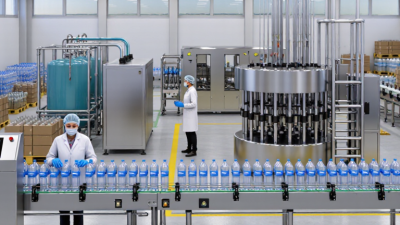
How to Choose the Right Water Bottling Line?
Choosing a Water Bottling Line is not just a matter of comparing speeds on a supplier’s brochure. It means matching equipment to your water source, container formats, production targets, and available floor space. A line designed for small glass bottles may not suit a plant filling large PET containers. The difference shows up on the factory floor: in changeover time, rejected bottles, and operators reaching awkwardly around equipment.
Water-resource expert Peter H. Gleick has said, “Water is the most critical resource issue of our lifetime and our children’s lifetime.” His words are a useful reminder that dependable production starts with careful water management. For a bottling line, that means looking beyond the filler. Treatment capacity, hygienic design, rinsing, capping, labeling, and packaging all need to work together. One weak link can slow the whole line. Sometimes the bottleneck is surprisingly small.
This guide explores the questions buyers should ask before selecting equipment: How much output is genuinely needed? Which bottle sizes must the line handle? How easily can staff clean and maintain it? A high-speed system can look impressive, but unused capacity still costs money. And specifications never tell the whole story. Real production conditions can be messier than a sales diagram suggests. Consider service access, spare-parts availability, and room for future changes, then compare suppliers using the same requirements. A careful choice may take longer, but it can make daily operation steadier and less wasteful.
Read more »
 By:Charlotte
- November 23, 2026
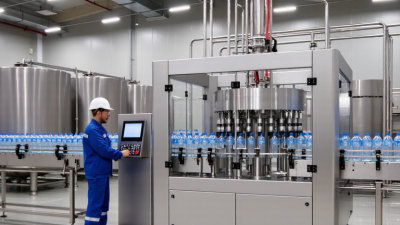
Why Choose a Water Filling Machine?
Why Choose a Water Filling Machine?
Water demand is steady, but filling it consistently is not automatic. A Water Filling Machine helps control product volume, container handling, and line speed. Beverage Marketing Corporation data cited in the International Bottled Water Association’s 2024 industry update put U.S. bottled-water volume at about 15.4 billion gallons in 2023. That scale points to a practical challenge: every bottle must be filled cleanly, accurately, and at a pace that suits the operation. Small errors add up.
The right machine can reduce repetitive manual work and make output more predictable. Depending on the model, an operator may set fill volumes, adjust conveyor speed, and monitor the line from a control panel. On a real production floor, those details matter: bottle shape, water temperature, and foaming can all affect filling performance. No machine solves every problem. A poorly matched filler can create downtime, waste, or awkward changeovers.
Industry research from PMMI repeatedly examines automation, labor, and production flexibility as packaging priorities. For water producers, those priorities make equipment selection a business decision, not just a speed comparison. Consider current demand, available floor space, cleaning routines, container types, and plans for future growth. Ask suppliers for demonstrated output under conditions close to your own. Then check the assumptions. A published capacity figure may not reflect your actual bottles, staffing, or changeover schedule. The best choice is the machine that performs reliably in your facility—not merely the one with the largest number on its specification sheet.
Read more »
By:Charlotte
- November 23, 2026
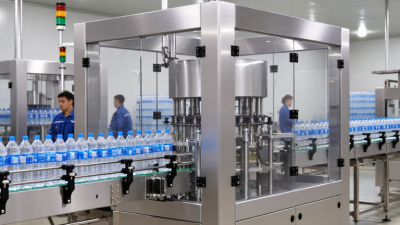
Why Invest in a Water Bottling Machine?
Investing in a Water Bottling Machine can help a business manage filling, capping, and packaging with greater consistency. Yet equipment alone does not create a profitable operation. Water quality, reliable utilities, trained staff, and steady demand matter just as much. A machine running smoothly on a supplier’s showroom floor may perform differently with your bottle sizes and production schedule.
The right choice depends on practical details. Consider the required output per hour, container materials, available floor space, and how quickly changeovers can be completed. Ask suppliers for documented performance data and, where possible, test the machine using your intended bottles and caps. Listen for unusual vibration, inspect how bottles move along the conveyor, and check whether routine cleaning and maintenance are straightforward. Small interruptions can accumulate. So can costs.
A careful investment review should include more than the purchase price. Installation, operator training, spare parts, energy use, and maintenance may affect the total cost of ownership. Compare realistic production needs with the machine’s rated capacity; buying a larger line than necessary can tie up capital, while insufficient capacity may constrain growth. These estimates are not always precise, and assumptions deserve a second look. This article explores why businesses consider bottling equipment, which features deserve attention, and how to assess potential benefits without treating projected returns as guarantees. A measured decision starts with verified requirements, transparent supplier information, and a clear understanding of daily operating conditions.
Read more »
 By:Oliver
- November 23, 2026