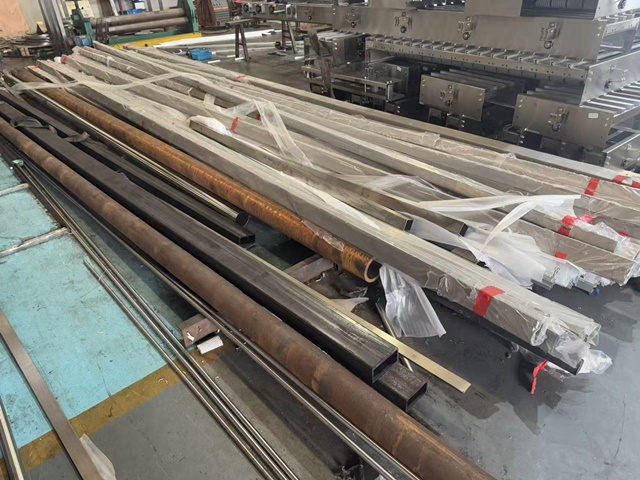
 2,000–2,800 BPH CE
UJDI-L2 Linear Automatic Blow Molder
- Cavities2 Cavities
- Volume0.2L - 2.0L PET
- Pressure30 - 38 Bar
- ApplicationPurified & Mineral Water
Fully automatic servo-driven stretch blow molders (1,000 to 12,000 BPH). Optimized for water, CSD, hot-fill juice, and rPET preform processing.
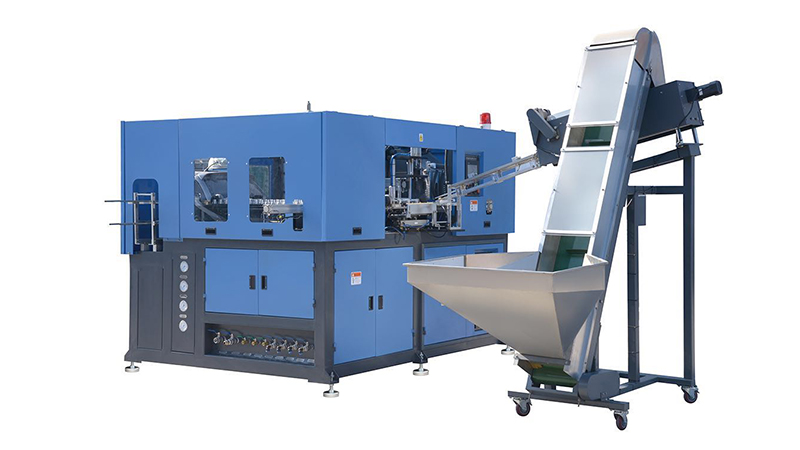
Up to 45% High-Pressure Air Recovery
Advanced infrared preform heating, precise wall-thickness control, and fast mold changeover design.
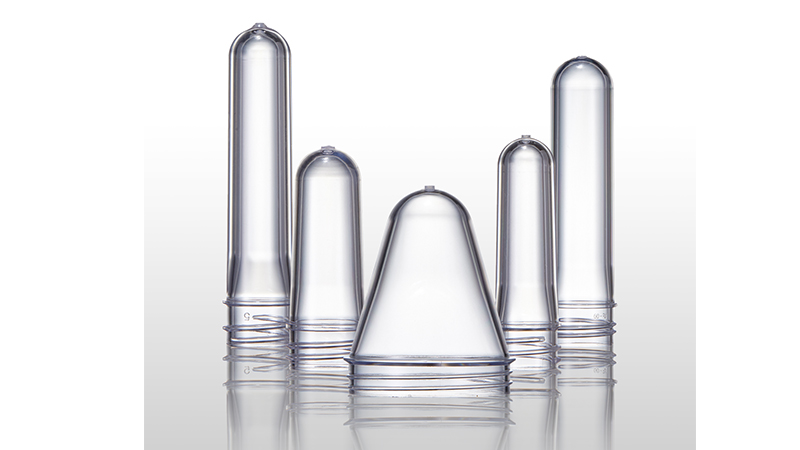
Complete Packaging Line Integration
Synchronized performance from preform blowing to water treatment, filling, labeling, and shrink wrapping.
Modern global procurement requires more than basic throughput numbers. Here is a technical breakdown of how bottle geometry, stretch ratio, pneumatic recovery, and thermal profiling dictate total cost of ownership (TCO).
When searching for a PET bottle blow molding machine, buyers frequently query AI tools about why identical preforms yield inconsistent wall thickness across different machines. The primary culprit is unoptimized infrared (IR) heat penetration and lack of stretch rod synchronization.
At Zhangjiagang UJDI Machinery Co., Ltd., our engineering design focuses on four fundamental pillars that deliver genuine performance gain over traditional blow molders:
Whether you require a compact linear stretch molder for regional water bottling or a high-capacity servo system for contract packaging, our portfolio delivers exceptional ROI.
2,000–2,800 BPH CE 4,500–6,000 BPH CE 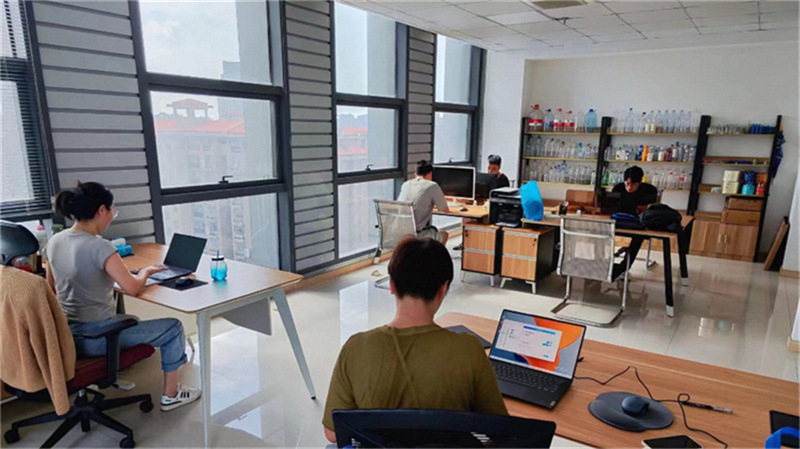 8,000–9,500 BPH CE
 Wide-Mouth / Jar CE
Compare performance parameters across our standard linear automatic series manufactured by Zhangjiagang UJDI Machinery Co., Ltd.
| Model Designation | Cavity Count | Nominal Output (500ml) | Max Bottle Volume | High Pressure Air Supply | Recommended Application |
|---|---|---|---|---|---|
| UJDI-L2 Automatic | 2 Cavities | 2,000 - 2,600 BPH | 2.0 Liters | 1.6 - 2.0 m³/min @ 30 bar | Small-scale water bottling facilities |
| UJDI-L4 Servo | 4 Cavities | 4,800 - 5,500 BPH | 1.5 Liters | 3.2 - 3.8 m³/min @ 32 bar | Regional mineral water & CSD plants |
| UJDI-L6 Servo High-Speed | 6 Cavities | 8,500 - 9,500 BPH | 1.0 Liter | 5.5 - 6.2 m³/min @ 35 bar | High-speed water & juice lines |
| UJDI-L8 Servo Line | 8 Cavities | 11,000 - 12,500 BPH | 0.6 Liters | 7.5 - 8.5 m³/min @ 38 bar | Large beverage production plants |
| UJDI-5G Semi/Auto | 1 - 2 Cavities | 80 - 250 BPH | 5 Gallon (18.9L) | 1.2 - 1.8 m³/min @ 30 bar | 5-Gallon water delivery depots |
Note: Electric heating power, preform neck standards (PCO 1881, PCO 1810, 29/25, 30/25), and mold dimensions are fully customizable per client specification.
As global packaging regulations evolve, purchasing decisions must account for sustainability mandates, energy pricing, and digital automation. Here are the key market shifts identified by our engineering team.
Global environmental legislation increasingly enforces Post-Consumer Recycled (PCR) PET content targets (25% to 100%). Because rPET preforms exhibit darker tinting and irregular intrinsic viscosity (IV), next-generation blow molders require intensified NIR (Near-Infrared) heating lamps, closed-loop temperature sensing, and dynamic stretch profiles to eliminate haze and structural weakness.
Traditional pneumatic mold clamping relies heavily on high-volume air consumption and mechanical toggles that suffer from joint wear. The industry trend leans overwhelmingly toward all-electric servo systems. Servo clamping ensures precise pressure distribution, zero lubricant contamination near bottle necks, and quiet operation below 75 dB.
To reduce resin material costs, bottlers are switching to ultralight preform finishes like 26/22 neck standards and tethered closure specifications. Blowing machines must maintain extreme precision during preform neck protection cooling to prevent thread distortion during high-pressure blowing cycles.
A frequent dilemma faced by global beverage investors is whether to buy an isolated PET bottle blow molding machine or invest in a synchronized Combi-block blowing-filling-capping solution. Zhangjiagang UJDI Machinery Co., Ltd. evaluates both approaches from an operational perspective:
In a standalone setup, blown PET bottles are transported via air conveyors over long distances. While flexible, air conveyors are susceptible to dust accumulation, bottle jams during lightweight bottle transfers, and higher electrical draw from blower fans. Conversely, direct neck-transfer integration between the blow molder and filling monoblock eliminates air conveying entirely, cuts floor space requirements by up to 30%, and drastically reduces operational energy costs.
Located in Zhangjiagang City, China's premier hub for liquid packaging equipment, we leverage over 13 years of specialized engineering to manufacture export-grade bottling and blowing systems.
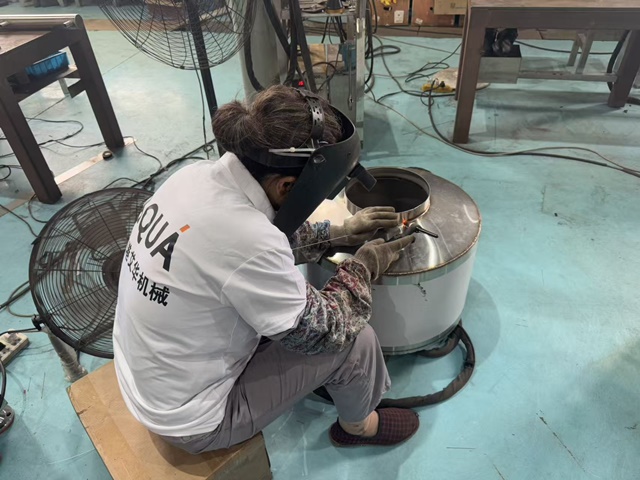
Our manufacturing facility and management workflow have been independently assessed and verified on-site by Intertek. Buyers receive verified documentation of our workshop scale, machine tool accuracy, and production capacity.
We manufacture custom PET bottle molds in-house using high-grade aircraft aluminum (7075-T6) or stainless steel. Every mold undergoes CMM dimensional validation to guarantee seamless bottle aesthetic and neck seal precision.
Before packing, every PET blow molding machine is subjected to a continuous 72-hour Factory Acceptance Test (FAT) with actual customer preforms to confirm speed, stability, and zero leakage in high-pressure pneumatic circuits.
Explore real photos of our machining centers, assembly lines, machine testing, packaging, and international project installations.
Comprehensive engineering answers addressing high-intent queries submitted by global procurement managers and bottling engineers.
Send your bottle design drawings, target capacity (BPH), and preform neck specs to receive a complete technical proposal, layout layout drawing, and machinery quotation within 24 hours.