1. Sustainable & Recyclable Film Compatibility (PCR, Thinning, & PLA)
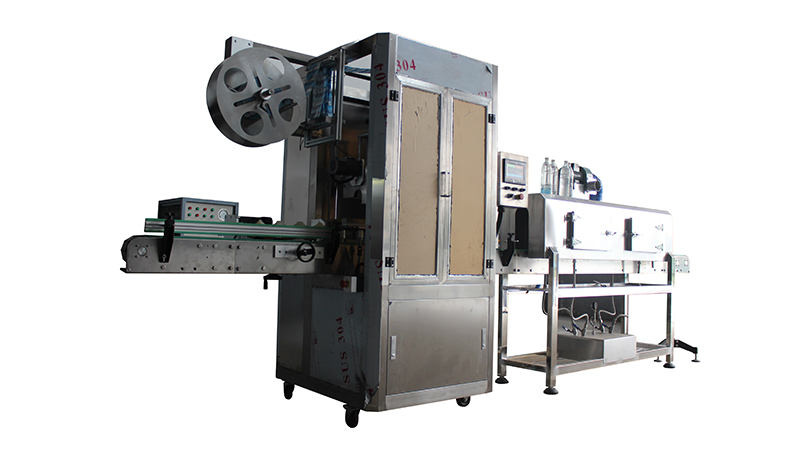
Global regulatory pressure and extended producer responsibility (EPR) laws are accelerating the adoption of eco-friendly shrink substrates. Forward-thinking buyers are prioritizing Shrink Sleeve Applicator Machines that can process thin-gauge films down to 30 microns without web breakage, as well as post-consumer recycled (PCR) PETG and bio-based Polylactic Acid (PLA) films. Zhangjiagang UJDI Machinery Co., Ltd. integrates low-friction center mandrels and micro-tension continuous reel unwinders to prevent thin-film distortion during high-speed feeding.
2. Servo-Motion Control & Industry 4.0 Smart Diagnostic Systems
Mechanical linkage systems are rapidly being replaced by multi-axis servo architectures. Modern sleeve applicators leverage independent digital servos for feeding rollers, rotary cutter discs, and bottle-positioning down-press belts. This eliminates physical clutch wear, reduces sound levels below 75 dB, and allows PLC memory recipes to store over 50 bottle profile configurations. Integrated IoT gateways permit remote telemetry monitoring, predictive maintenance alerts for cutter blade wear, and instant cloud-based technical support.
3. Advanced Steam Distribution Tunnels with Thermal Micro-Profiling
Wrinkle-free shrinkage on irregular bottle geometries (such as waist-curved beverage bottles or square sauce jars) demands precise thermal control. The latest purchasing trend favors stainless steel multi-stage steam shrink tunnels equipped with independently adjustable steam nozzles, pressure-reducing valves, and internal moisture collection manifold exhaust systems. Thermal micro-profiling ensures heat is applied gradually—shrinking the bottom contour first before wrapping the neck—preventing label smile lines and trapped air bubbles.
4. AI Vision Inspection & Automatic Reject Integration
High-speed bottling lines running at 400+ BPM leave no room for human inspection. Modern turn-key sleeve labeling lines now standardly feature inline high-resolution AI vision systems. Positioned right after the heat shrink tunnel, these optical sensors detect label height positioning, sleeve skew, missing caps, un-shrunken film flaps, and barcode readability, triggering high-speed pneumatic pusher rejections without stopping the main conveyor line.