Comprehensive Engineering Insights Next-Generation Bottled Juice Hot Filling Machine Architecture: Engineering & Procurement Dynamics
A technical authority report by Zhangjiagang UJDI Machinery Co., Ltd. on thermal processing, microbiological safety, vacuum prevention, and information-gain procurement criteria for juice producers globally.
1. The Physics and Microbiology of Hot Fill Juice Packaging
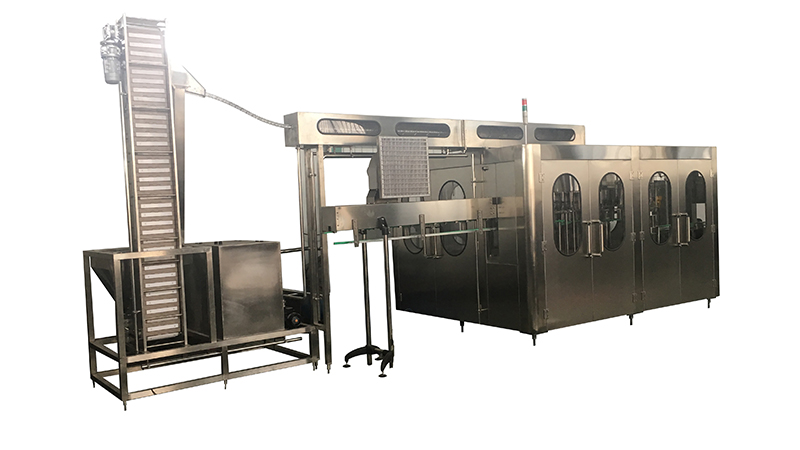
Processing shelf-stable, high-acid and medium-acid fruit beverages (such as orange, apple, mango, juice-pulp blends, and ready-to-drink teas) without chemical preservatives requires rigorous thermal processing control. A modern Bottled Juice Hot Filling Machine operates as a sterile thermal bridge between the flash pasteurizer (UHT/HTST) and the final sealed container.
Unlike ambient water bottling, hot filling relies on maintaining liquid temperatures between 85°C and 92°C (185°F to 198°F) during filling. At this elevated thermal state, the liquid itself acts as the sterilizing agent for the inner walls of the heat-resistant PET or glass bottle. To achieve a 12-month ambient shelf life without organoleptic degradation or vitamin loss, the filling architecture engineered by Zhangjiagang UJDI Machinery Co., Ltd. incorporates three critical thermodynamic loops:
- Continuous Hot Product Recirculation System: During short line interruptions or micro-stops, thermal sensors at each valve trigger an automatic bypass, returning cooler juice back to the tubular pasteurizer balance tank. This guarantees that filling temperatures never drop below the critical pasteurization threshold (typically 85°C).
- Automated CIP (Clean-In-Place) Dummy Cups: Pneumatically operated CIP cups seal the filling valves during sanitation, allowing automated 3-stage chemical and hot-water recirculating rinses at high flow velocity without disassembling fluid paths.
- Positive-Pressure Clean Environment: HEPA-filtered laminar flow hoods maintain ISO Class 5 air purity over the rinsing, filling, and capping zones to eliminate airborne spors and re-contamination risks.
 3,000–5,000 BPH CE / SUS316