Next-Generation Glass Bottle Beer Filling Line Solutions
Engineered for commercial breweries & craft bottlers seeking DO ≤ 30 ppb, ultra-hygienic mechanical/electro-pneumatic isobaric monoblocks, and complete automated line integration from 2,000 to 15,000 BPH.
How Modern Glass Bottle Beer Filling Lines Overcome Flavor Degradation
In modern industrial brewing, packaging is the final defense against flavor oxidation, CO2 loss, and microbial contamination. Discover how advanced double pre-evacuation isobaric systems preserve beer integrity from bright beer tank (BBT) to final crown closure.
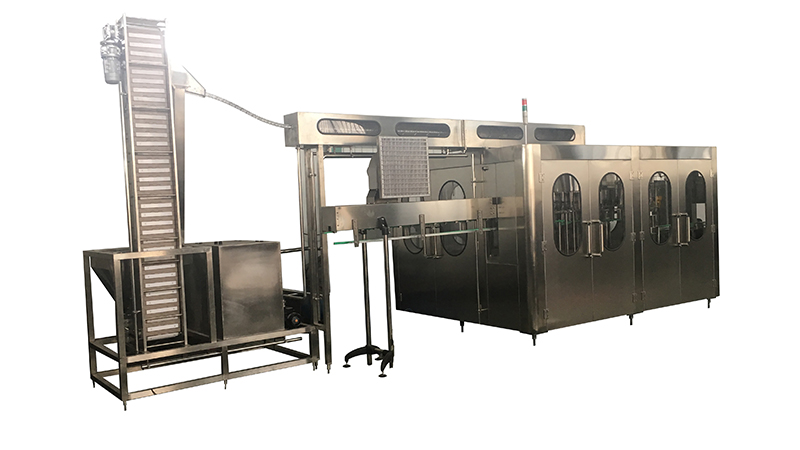
Precision Isobaric Counter-Pressure & Double Pre-Evacuation
The primary concern for brewery procurement directors evaluating a Glass Bottle Beer Filling Line is Dissolved Oxygen (DO) pick-up. Oxygen introduced during filling drastically reduces shelf life, causes premature staling (cardboard off-flavors from trans-2-nonenal), and degrades delicate hop aromas.
At Zhangjiagang UJDI Machinery Co., Ltd., our filling monoblocks feature a dual-vacuum pre-evacuation system. Atmospheric air is pumped out under high vacuum (-0.09 MPa), purged with food-grade CO2, evacuated a second time, and pressurized to match vessel equilibrium before beer valve opening. This ensures liquid flows smoothly down bottle walls with zero foaming and minimal TPO (Total Packaged Oxygen).
- Double Vacuum Pre-Evacuation (DO ≤ 30 ppb)
- High-Pressure Hot Water Fobbing Purge
- Automated CIP Dummy Bottle Attachment
- Explosion Protection & Auto-Flushing
4 Pillars of Bottling Precision in UJDI Beer Lines
Purchasing an automated bottling line requires evaluating mechanical stability, sanitization capabilities, and bottle handling geometry. Here is how our engineering architecture protects your capital investment:
1. Hydro-Pneumatic Lift Pedestals
Glass bottles require precise vertical sealing forces to prevent neck ring chipping. Our mechanical-cam or pneumatic lifting pedestals deliver cushioned, uniform lift forces to absorb glass height tolerances (+/- 1.5 mm).
2. High-Pressure Hot Water Fobbing
Positioned immediately between the filling carousel and crown capper, a micro-jet of sterile hot water (80–85°C at 2–6 bar) excites the beer surface to produce fine CO2 foam, displacing air in the headspace right before capping.
3. Automatic Glass Burst Safety Flush
If a glass bottle fractures under counter-pressure due to micro-cracks, high-pressure water nozzles automatically wash the valve seat, snift channel, and pedestal. Broken shards are collected into a dedicated gutter to protect downstream bottles.
Glass Bottle Beer Filling Line Portfolio
Select from modular rinsing-filling-capping monoblocks tailored for craft microbreweries, medium regional breweries, or high-speed industrial packaging plants.
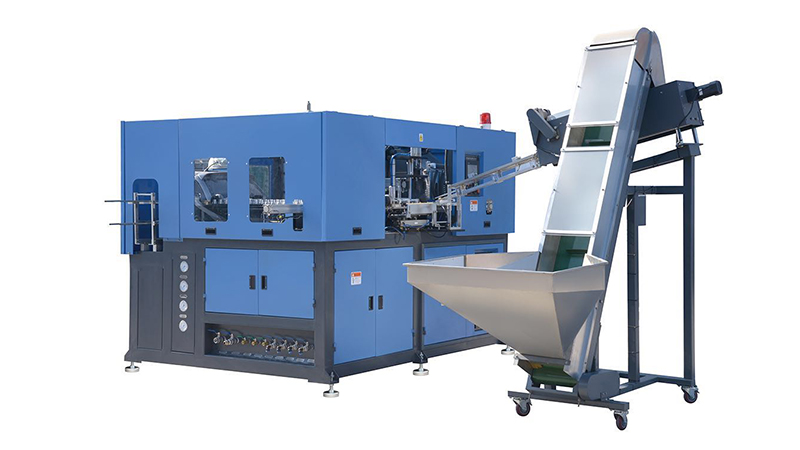
Craft Beer Monoblock (2,000–3,000 BPH)
12 Rinse / 12 Fill / 1 Crown Capper configuration. Ideal for microbreweries seeking industrial-grade double vacuum pre-evacuation on a compact footprint.
Get a Quote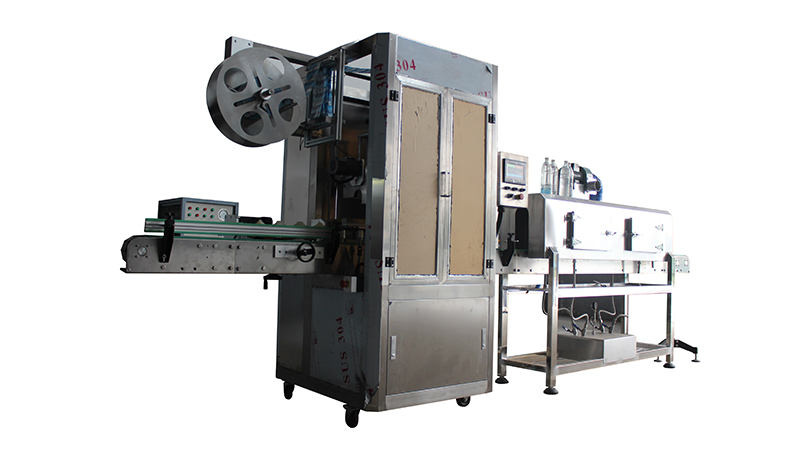
Mid-Speed Brewery Line (4,000–6,000 BPH)
18 Rinse / 18 Fill / 6 Capper or 24/24/8 mechanical isobaric monoblock. Features automatic central lubrication, touch-screen HMI, and CIP circulation manifolds.
Get a Quote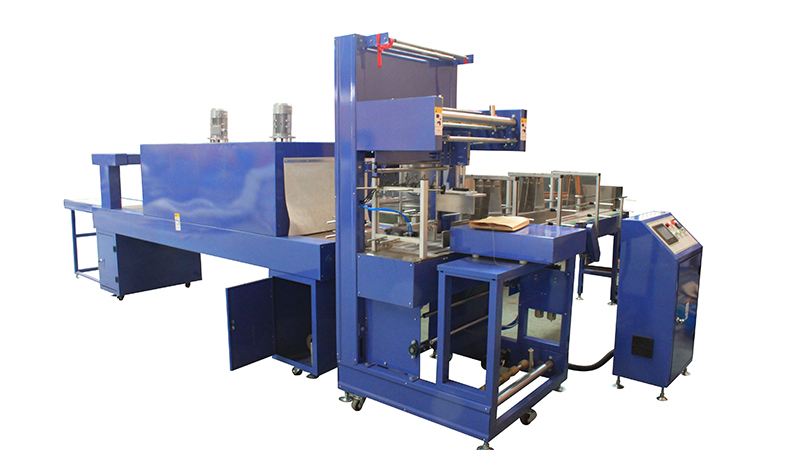
Electro-Pneumatic Line (8,000–12,000 BPH)
32 Rinse / 32 Fill / 10 Capper line utilizing electro-pneumatic solenoid valves. Programmable multi-stage snifting and dynamic fill height correction.
Get a Quote
Turnkey Line with Tunnel Pasteurizer
Complete end-to-end setup including water treatment, depalletizer, monoblock filler, tunnel pasteurizer, labeling machine, and shrink wrapper.
Get a QuoteTechnical Specification Matrix: Glass Bottle Beer Filling Lines
Compare operational capacity, valve geometry, utility consumption, and performance parameters across our baseline models.
| Model Configuration | Nominal Output (330ml Glass) | Filling Head Count | DO Pick-up Standard | CO2 Consumption | Main Power Drive |
|---|---|---|---|---|---|
| BGF12-12-1 Monoblock | 1,500 – 2,500 BPH | 12 Rinse / 12 Fill / 1 Cap | ≤ 35 ppb | ~ 18 Nm³/h | 3.7 kW Siemens Servo |
| BGF18-18-6 Monoblock | 3,500 – 5,000 BPH | 18 Rinse / 18 Fill / 6 Cap | ≤ 30 ppb | ~ 32 Nm³/h | 5.5 kW Inverter Motor |
| BGF24-24-8 Monoblock | 6,000 – 8,000 BPH | 24 Rinse / 24 Fill / 8 Cap | ≤ 25 ppb | ~ 45 Nm³/h | 7.5 kW Synchronous Drive |
| BGF32-32-10 Electro-Pneumatic | 9,000 – 12,000 BPH | 32 Rinse / 32 Fill / 10 Cap | ≤ 20 ppb | ~ 60 Nm³/h | 11.0 kW Multi-Axis Servo |
| BGF40-40-12 High Speed | 12,000 – 15,000 BPH | 40 Rinse / 40 Fill / 12 Cap | ≤ 18 ppb | ~ 80 Nm³/h | 15.0 kW Direct Drive |
Note: All machines manufactured by Zhangjiagang UJDI Machinery Co., Ltd. are customizable for non-standard bottle dimensions, long-neck bottles, aluminum crown caps, or swing-top stoppers upon request.
Future Trends in Glass Bottle Beer Filling Equipment (2025–2030)
Stay ahead of global supply chain shifts, sustainability metrics, and smart automation advancements driving brewery equipment procurement worldwide.
1. Electro-Pneumatic Solenoid Overhaul
Traditional mechanical springs and cams are rapidly giving way to electro-pneumatic filling valves equipped with electromagnetic flowmeters or level sensors. This transition enables instant recipe switching between high-gravity beers, IPAs, ciders, and sparkling hard seltzers without mechanical changeover downtime.
2. CO2 & Vacuum Recovery Conservation
With global industrial CO2 costs fluctuating, modern filling lines incorporate closed-loop vacuum gas recovery. Purge CO2 from pre-evacuation cycles is recycled through secondary manifolds, cutting total gas consumption by up to 25% per 1,000 bottles packaged.
3. Hygienic Design & Automated CIP
Microbial stability (preventing Lactobacillus and Pediococcus infection) demands seamless Clean-in-Place systems. Next-gen bottling lines integrate automatic CIP dummy cup positioning, allowing 85°C hot caustic and peracetic acid recirculation without manual intervention.
Why Partner with Zhangjiagang UJDI Machinery Co., Ltd.?
Located in Zhangjiagang City, China's premier beverage packaging machinery cluster, UJDI Machinery delivers over 13 years of specialized R&D, Intertek-verified production facilities, and lifetime field support.
Frequently Asked Questions on Purchasing a Glass Bottle Beer Filling Line
In-depth technical answers addressing real-world operational challenges, utility planning, and equipment selection.
How does a Glass Bottle Beer Filling Line minimize Dissolved Oxygen (DO) pick-up?
What is the difference between mechanical isobaric filling and electro-pneumatic filling valves?
Can one filling line process both single-use standard glass bottles and returnable bottles?
How does the machine prevent bottle bursts, and how are broken bottles handled?
What utility infrastructure is needed to operate a 6,000 BPH Glass Bottle Beer Filling Line?
- Food-grade CO2 Supply: Purity ≥ 99.99%, pressure 0.3–0.4 MPa.
- Compressed Air: Dry, oil-free compressed air at 0.6–0.8 MPa.
- Chilled Beer Supply: Maintained at 1–4°C with stable head tank pressure (0.25–0.35 MPa).
- Water & Steam: Sterile rinse water and low-pressure steam (if integrating tunnel pasteurization).
- Electrical Power: 380V/50Hz 3-phase (or customized to regional voltage requirements).
What after-sales service and warranty does Zhangjiagang UJDI Machinery Co., Ltd. provide?
Ready to Upgrade Your Glass Bottle Beer Packaging Line?
Send us your bottle drawings, target hourly output, and beer style specifications. Our senior engineering team will prepare a custom CAD plant layout, equipment bill of materials, and competitive price quotation within 24 hours.
Submit Project Parameters for Immediate Technical Review:
- Target Capacity (2,000 – 15,000 BPH)
- Glass Bottle Volumes (330ml, 500ml, 650ml, etc.)
- Closure Type (26mm Crown, Ring-pull, Swing-top)
- Factory Dimensions & Utility Capabilities