0%

Why Choose a Water Filling Machine?

Water demand is steady, but filling it consistently is not automatic. A Water Filling Machine helps control product volume, container handling, and line speed. Beverage Marketing Corporation data cited in the International Bottled Water Association’s 2024 industry update put U.S. bottled-water volume at about 15.4 billion gallons in 2023. That scale points to a practical challenge: every bottle must be filled cleanly, accurately, and at a pace that suits the operation. Small errors add up.

The right machine can reduce repetitive manual work and make output more predictable. Depending on the model, an operator may set fill volumes, adjust conveyor speed, and monitor the line from a control panel. On a real production floor, those details matter: bottle shape, water temperature, and foaming can all affect filling performance. No machine solves every problem. A poorly matched filler can create downtime, waste, or awkward changeovers.

Industry research from PMMI repeatedly examines automation, labor, and production flexibility as packaging priorities. For water producers, those priorities make equipment selection a business decision, not just a speed comparison. Consider current demand, available floor space, cleaning routines, container types, and plans for future growth. Ask suppliers for demonstrated output under conditions close to your own. Then check the assumptions. A published capacity figure may not reflect your actual bottles, staffing, or changeover schedule. The best choice is the machine that performs reliably in your facility—not merely the one with the largest number on its specification sheet.
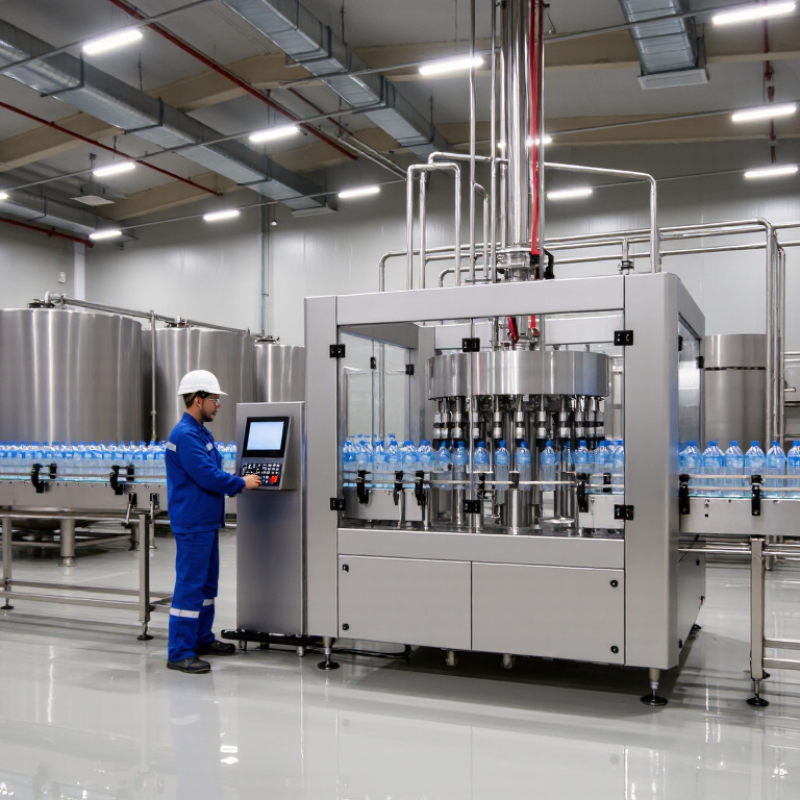
Why Choose a Water Filling Machine?

What Is a Water Filling Machine?

A water filling machine is equipment that transfers treated water into bottles or other containers at a controlled volume. It typically combines a product tank, pumps, filling valves, sensors, and a conveyor. Depending on the design, filling may use gravity, pressure, or timed flow. Some production lines also include bottle rinsing and capping equipment, but these are separate functions. The basic task is simple to describe. Repeating it accurately is harder.

The International Bottled Water Association’s 2023 statistics report estimated U.S. bottled water consumption at 15.9 billion gallons in 2022. That figure indicates the scale of the market, not the capacity of any individual machine. In practice, buyers compare fill accuracy, container size, line speed, and cleaning access. Operators may notice a small drip before a sensor flags it. That detail matters. A machine that runs quickly but is difficult to clean or adjust can create avoidable downtime. No single filling system fits every facility; water characteristics, bottle shape, and daily production targets all affect the choice. One detail is easy to overlook: the machine is only one part of a controlled filling process.

How Does a Water Filling Machine Work?

Why Choose a Water Filling Machine?

How Does a Water Filling Machine Work?

A water filling machine moves containers through several controlled steps. An infeed conveyor spaces bottles so they reach the filling area steadily. Depending on the design, empty containers may be rinsed before filling. Clean water travels from a storage tank through pipes to filling valves. The machine controls each dose by volume, flow time, or another calibrated setting.

At the filling station, nozzles lower into or sit above each bottle. Valves open for a measured period, then close to limit drips. Sensors can detect bottle position and pause the line if containers are missing. Filled bottles move onward for capping and inspection. Small details matter: a misaligned nozzle can splash water onto the conveyor, while inconsistent bottle sizes may affect fill accuracy.

Still, automation is not magic. Operators need to check seals, clean product-contact parts, and verify settings at suitable intervals. A quick look at the fill level helps catch changes before many bottles are affected. Actual performance varies with water flow, container shape, and machine configuration. Test the setup with the intended bottles; assumptions can be wrong.

Why Choose a Water Filling Machine? — How Does a Water Filling Machine Work?
Dimension How It Works or What It Offers Practical Benefit Important Consideration
Basic filling cycle Containers are positioned under filling heads, a measured or controlled amount of water is dispensed, and the filled containers move to the next operation. Repeats the filling process more consistently than filling each container manually. Actual output depends on the machine design, number of filling heads, container size, and operating conditions.
Gravity filling Water flows from an elevated supply tank into containers under gravity, with flow controlled by valves and the machine’s filling arrangement. A comparatively simple approach for suitable free-flowing liquids and container formats. Filling performance depends on liquid properties, supply conditions, and the container’s opening and shape.
Overflow filling A nozzle fills each container to a set level; excess liquid returns through the filling system. Can produce a visually consistent liquid level in containers with uniform internal geometry. It is designed for level consistency, not necessarily identical fill volume when container interiors vary.
Piston filling A piston draws liquid into a cylinder and dispenses a defined stroke through a filling nozzle. Provides volumetric dosing and can handle a range of liquid consistencies, depending on equipment design. Seals, product compatibility, and cleaning requirements should be considered for the intended application.
Flow-meter filling A flow meter measures liquid passing through the filling line and signals when the target quantity has been dispensed. Supports controlled filling based on measured flow. Meter selection and calibration must suit the liquid, flow range, and required measurement accuracy.
Container handling Depending on the configuration, containers may be fed, indexed or conveyed beneath the filling heads, then discharged for capping or packing. Can reduce repetitive manual handling and help organize a production line. Container dimensions, stability, and neck or opening design affect compatibility.
Why use a machine? Filling equipment can automate repeated dispensing and help standardize the filling procedure. Useful when production requires repeatable filling, reduced manual dispensing, or integration with other packaging steps. Choose a system based on the required capacity, fill method, container range, sanitation needs, and available space.
Cleaning and hygiene Product-contact parts require cleaning according to the equipment design and the facility’s applicable hygiene procedures. Helps support sanitary operation and maintain product quality. Confirm cleaning access, compatible materials, and any required cleaning or sanitation procedures before purchase.

What Types of Water Filling Machines Are Available?

Why Choose a Water Filling Machine?
What Types of Water Filling Machines Are Available?

Water filling machines differ mainly in how they measure and dispense liquid. Gravity fillers use the liquid’s own weight, making them a practical option for still water and straightforward bottle formats. They are mechanically simple, but filling speed and consistency can depend on the water level and nozzle setup. Simple, but not universal.

Pressure-based fillers move water into containers under controlled pressure. They can suit faster production lines, though settings must match the bottle material and shape. Volumetric systems dispense a measured amount per cycle, which helps control fill quantity across different container sizes. Level fillers, by contrast, aim for a consistent visible level. That can matter when bottles vary slightly in internal dimensions.

Machines also range from manual and semi-automatic units to fully automatic lines with rinsing, filling, and capping stations. A small operation may value easy cleaning and quick changeovers more than maximum speed. Larger facilities often consider output, floor space, water treatment, and how containers move between stations. Small details matter. In practice, no single design fits every plant; operators may need to test sample bottles and inspect fill levels before choosing equipment.

Why Choose a Water Filling Machine? — Available Types

Choose a filling format that matches your required production volume, budget, and level of automation. The chart shows indicative throughput ranges in bottles per hour; actual output varies with bottle size, filling method, and line configuration.

What Advantages Does a Water Filling Machine Offer?

A water filling machine brings repeatable volume and steadier production to a bottling line. Operators can set a target fill level, while sensors and valves help reduce underfilled bottles and costly spills. That consistency matters when bottles move quickly beneath several filling heads. Small details matter.

The market context is significant. Grand View Research estimated the global bottled water market at USD 303.95 billion in 2022 and projected a 5.4% compound annual growth rate from 2023 to 2030. This is a market forecast, not proof that every plant needs automation. Still, rising demand can make controlled, scalable filling valuable. A machine can also reduce repetitive manual handling and support cleaner product-contact processes when designed for suitable cleaning routines.

The practical gains depend on fit. A line should match bottle sizes, output targets, water characteristics, and available floor space. Foaming, dripping, or frequent changeovers can erase expected efficiency if settings are poorly tuned. CIP-compatible components may simplify sanitation, but staff still need to verify cleaning and inspect seals. Automation helps; it does not replace careful checks. A useful evaluation compares actual fill accuracy, changeover time, downtime, and water loss during a production trial. Grand View Research’s market figures provide useful context, but each facility should validate performance with its own operating data.

How Do You Choose the Right Water Filling Machine?

Choosing the right water filling machine starts with your actual production needs, not the highest advertised speed. Estimate bottles per hour during a normal shift, then allow room for busy periods. A machine that runs too quickly may cause splashing, uneven fills, or frequent stops. Check that it handles your bottle sizes and shapes, including the smallest container you use.

Consider the water’s properties, filling accuracy, and cleaning routine. For example, narrow bottle openings may need a different nozzle setup to reduce drips. Ask how operators adjust fill volume and how long changeovers take. Contact parts should suit your water and sanitation process. Confirm the machine fits your floor plan, power supply, and available maintenance skills. These details are easy to overlook. They matter on a busy line.

Tips: Request a trial with your own bottles, and measure fill variation across several containers. Ask for a clear cleaning procedure and a list of routine wear parts. Test before buying. One imperfect sample run can reveal issues that a sales sheet misses. If your forecast is uncertain, compare the cost of a modular setup with a larger fixed-capacity machine.

FAQS

What does a water filling machine do?

It transfers treated water into bottles or other containers at a controlled volume. The job sounds simple. Repeatability takes care.

How do bottles move through the filling process?

A conveyor spaces bottles before valves dispense water. Sensors may pause the line if a bottle is missing. No bottle, no fill.

How does a machine control the amount of water?

Systems may use volume, timed flow, or calibrated settings. Checking fill levels can catch changes before many bottles are affected.

What types of water filling machines are available?

Common types include gravity, pressure-based, volumetric, and level fillers. The right fit depends on bottle shape, water flow, and production targets. No universal choice.

Does every filling machine rinse and cap bottles?

No. Rinsing and capping may be separate stations, though some lines combine them with filling. The distinction is easy to miss.

What can affect filling accuracy?

Nozzle alignment, container dimensions, water flow, and machine settings all matter. A tilted nozzle can splash water onto the conveyor.

What should operators check during production?

Check seals, clean product-contact parts, verify settings, and inspect fill levels regularly. Small drips deserve attention, too.

How should a facility choose a filling machine?

Compare container sizes, line speed, cleaning access, floor space, and changeover needs. Test the intended bottles; assumptions can be wrong.

Conclusion

A Water Filling Machine is equipment designed to dispense a measured amount of water into containers such as bottles or jugs. It helps make filling more consistent and efficient than relying on manual methods. In a typical process, containers are positioned beneath filling nozzles, water is released according to the machine’s settings, and filled containers move on for capping or packing. Depending on the design, the system may use gravity, pressure, or other controlled filling methods.

Water filling machines are available in manual, semi-automatic, and automatic models, with different capacities and configurations for varying production needs. They can improve filling speed, accuracy, and consistency while reducing spills and repetitive work. Choosing the right machine involves considering the type and size of containers, desired output, available space, ease of cleaning, and maintenance requirements. Matching these factors to your operation can help ensure reliable performance and room for future growth.

Charlotte

Charlotte

Charlotte is a professional marketing specialist who helps make complex product information clear, useful, and accessible. With a strong understanding of the company’s products, she regularly contributes expert articles to the company website, sharing practical insights, explaining product......