Featured Liquid Processing & Water Treatment Machinery
Integrated Engineering Solutions Serving Beverage Bottlers, Process Water Facilities & Municipalities in Izmir
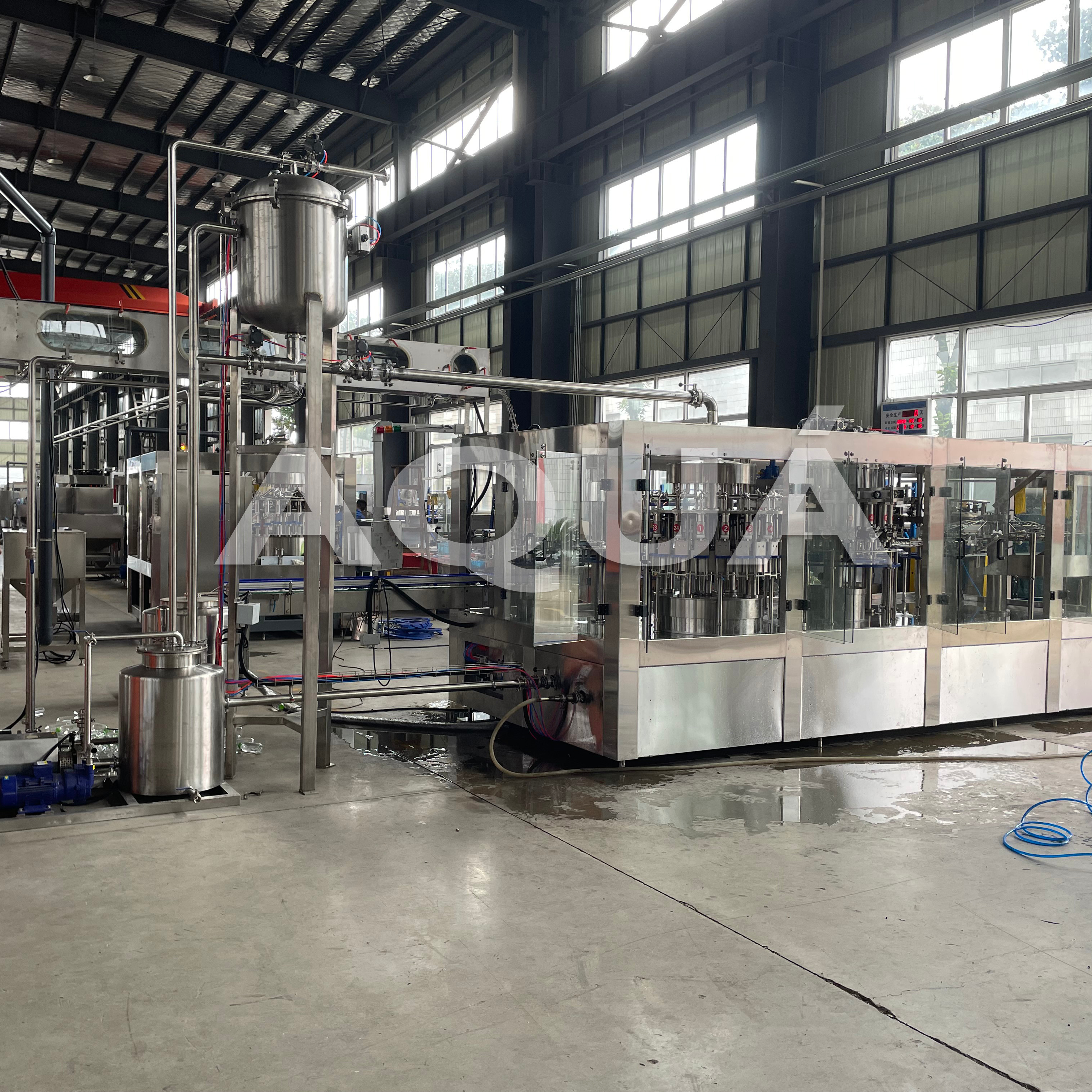
Automatic Bottled Juice Hot Filling Machine and Concentrated Juice Bottling Production Line
View Product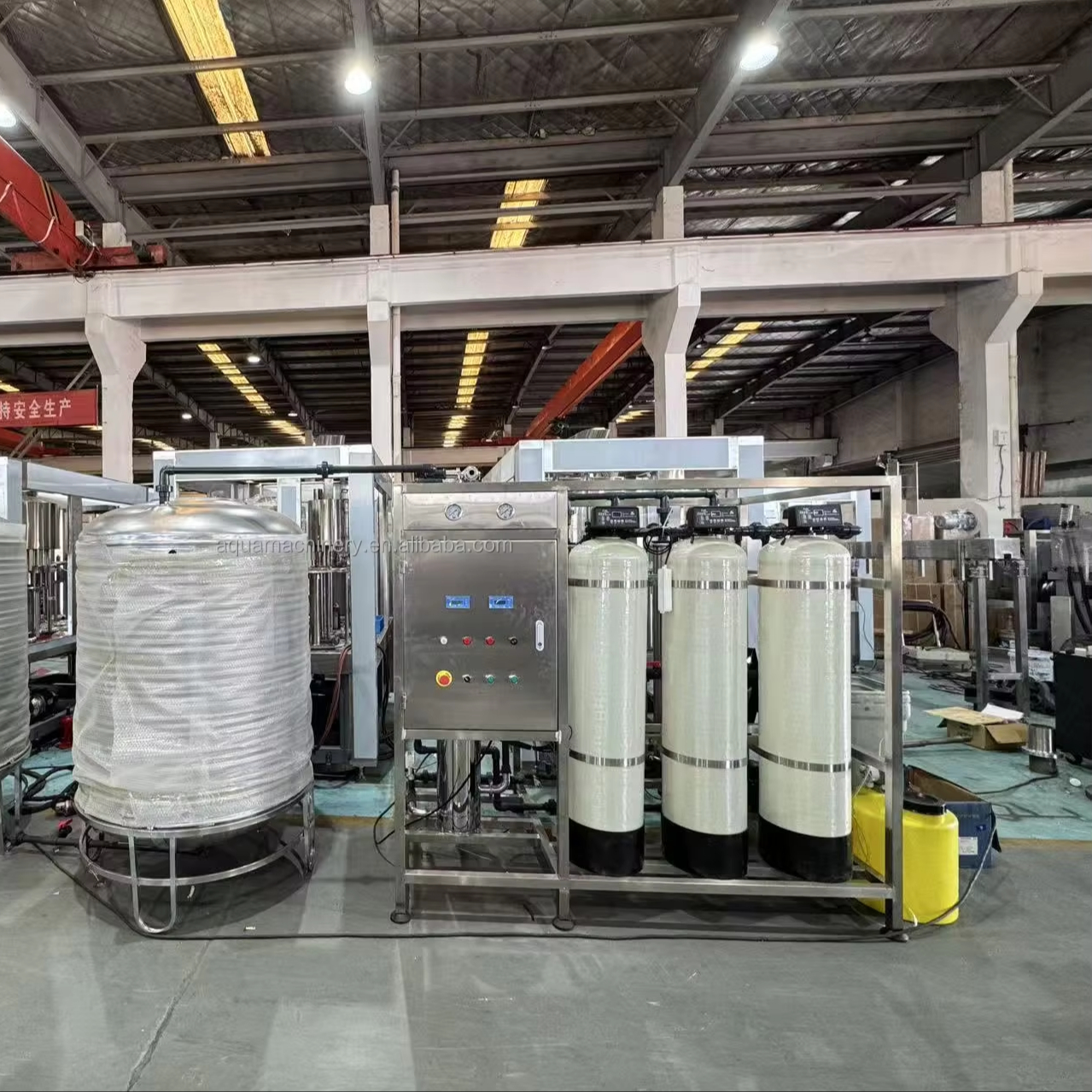
Sistema De Osmosis Inversa Industrial 500-1000LPH Para Purificacion De Agua Planta De Tratamiento De Agua RO
View Product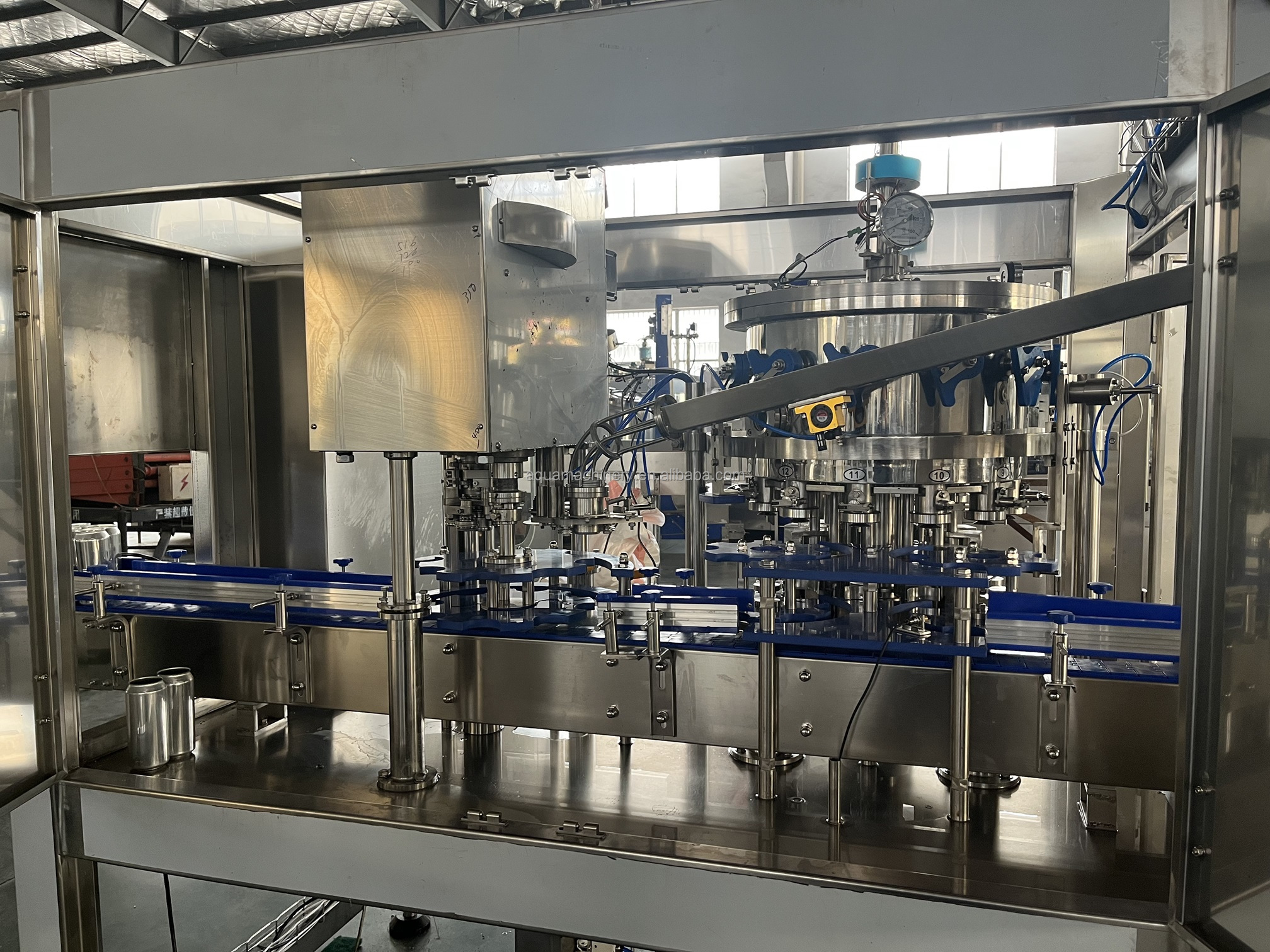
16oz 1500CPH Beer Canning Line Slim Can Filler Sealer Machine Carbonated Beverage
View Product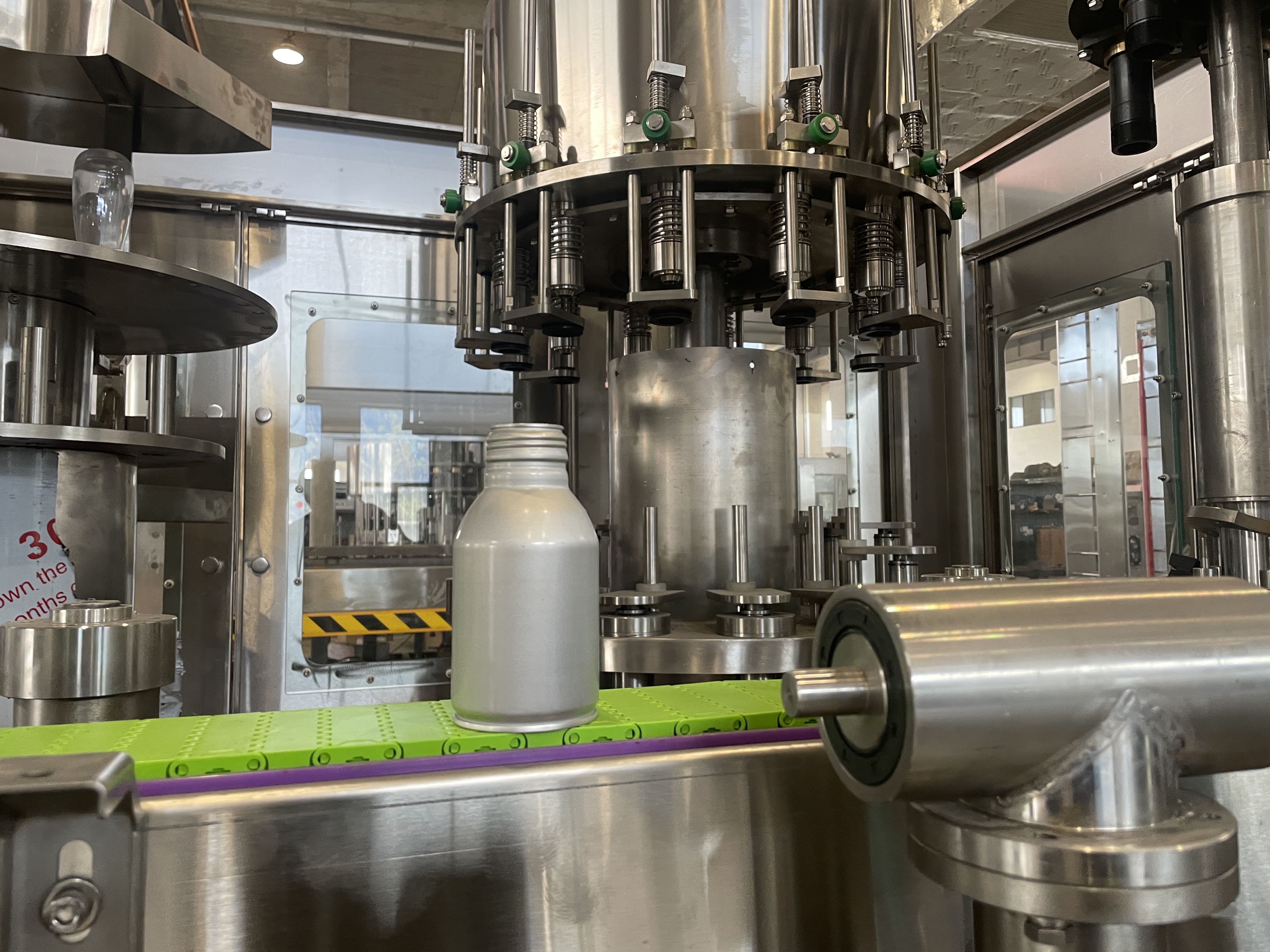
Aluminum Can Isobaric Beer Canning Equipment 2 in 1 Canning Machine
View Product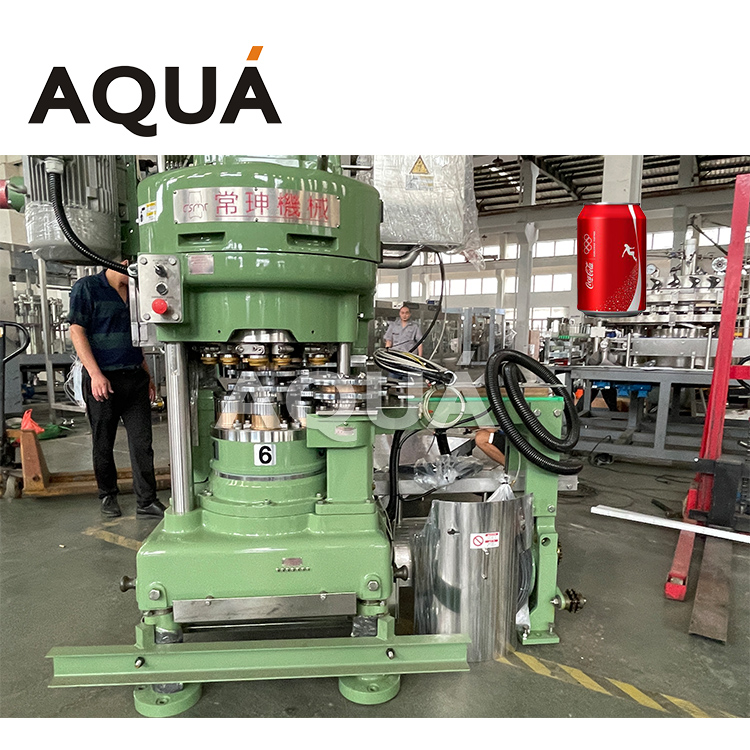
Automatic Sleek Can Seamer Machine for Aluminum Beverage Can Filling and Sealing Line
View Product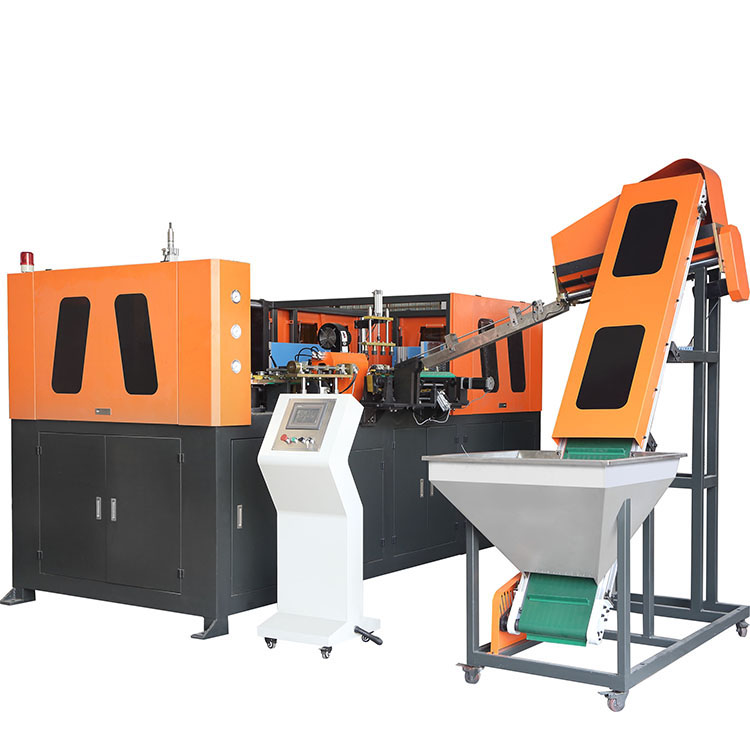
Maquina Sopladora De Botellas PET Automatica Para Fabricacion De Envases Plasticos Sopladora De Botellas PET Para Uso Industrial
View Product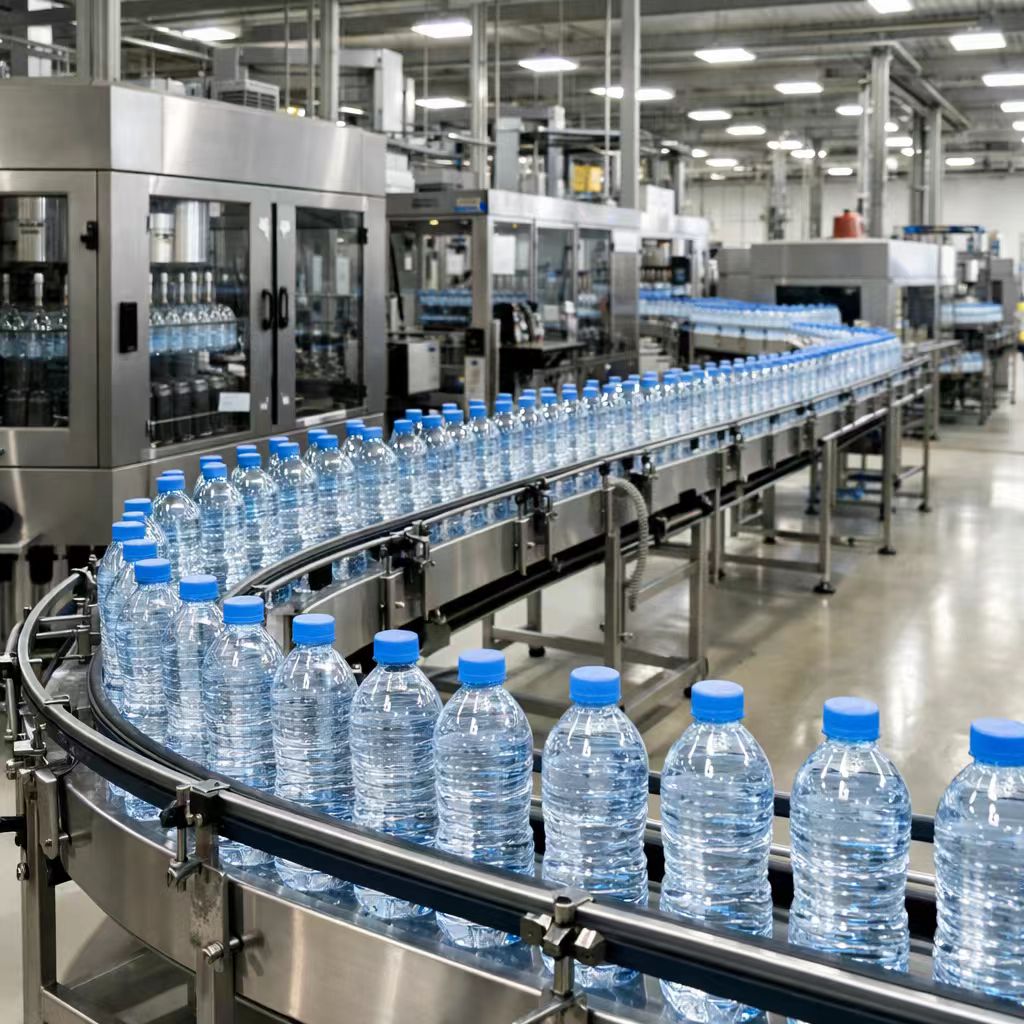
Complete Bottling Line 4000 BPH Automatic Filling and Capping Machine for Carbonated Water & Juice
View Product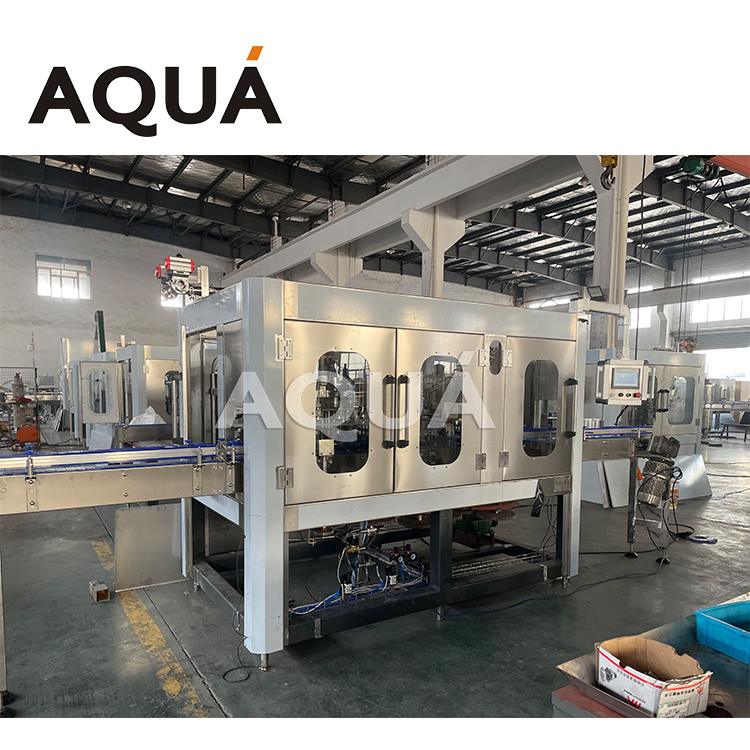
6000 Cph Full Automatic Beer Carbonated Drink Canning Filling Machine Aluminum Can Filler and Seamer
View ProductIndustrial Ultraviolet Water Sterilization in Izmir: Engineering Architecture & Regional Technical Whitepaper
As the third largest metropolitan economy in Turkey and the primary export hub of the Aegean region, Izmir operates at a critical intersection of heavy industrial manufacturing, food and beverage processing, textile dyeing, and intensive agricultural export. Ensuring biological purity and chemical compliance in process water is vital across key zones like the Atatürk Organized Industrial Zone (IAOSB), Aegean Free Zone (ESBAŞ), Menemen Free Zone, and industrial corridors in Torbalı, Kemalpaşa, and Aliağa.
Ultraviolet (UV) water sterilization has emerged as the definitive non-chemical disinfection technology across the Aegean basin. Unlike traditional chlorination—which forms harmful Disinfection Byproducts (DBPs) such as Trihalomethanes (THMs) and Haloacetic Acids (HAAs)—high-output UV germicidal systems neutralize pathogenic micro-organisms instantaneously without altering the organoleptic profile, pH, or chemical balance of the water.
1. Photochemical Mechanism & Photonic Kinetics of 254nm UV-C Disinfection
Germicidal ultraviolet disinfection relies on the delivery of electromagnetic radiation within the UV-C spectrum, specifically tuned to peak germicidal absorption at 253.7 nanometers. At this wavelength, light photons readily penetrate the cell walls of bacteria, viruses, bacterial spores, and protozoan cysts (such as Cryptosporidium parvum and Giardia lamblia).
The absorbed UV-C energy induces the dimerization of adjacent pyrimidine bases (predominantly thymine dimers) within the micro-organism’s DNA and RNA strands. This cross-linking disrupts the double helix structure, rendering the pathogen incapable of cellular transcription and replication. A micro-organism that cannot replicate is clinically non-infectious and functionally eradicated.
High-Output Amalgam Lamps
Delivering up to 4 times the power density of traditional low-pressure lamps, our amalgam technology operates efficiently at water temperatures ranging from 4°C to 40°C with an extended lifespan of 16,000 hours.
316L Stainless Chambers
Reactor chambers constructed from food-grade AISI 316L stainless steel with internal electro-polishing (Ra < 0.38 µm) to resist chloride corrosion and optimize internal light reflection.
PLC Automation & Monitoring
Fully integrated Siemens/Schneider PLC control panels featuring Modbus RTU/EtherNet IP connectivity for seamless SCADA integration in smart industrial facilities.
2. Technical Comparison: UV Disinfection vs. Alternative Sanitization Technologies
To assist technical directors and plant operators in Izmir with technology selection, the following matrix compares industrial UV sterilization against conventional chemical and physical treatment methods:
| Performance Parameter | UV-C Sterilization (254nm) | Sodium Hypochlorite (Chlorine) | Ozonation (O₃) | Microfiltration / UF |
|---|---|---|---|---|
| Pathogen Inactivation Speed | Instantaneous (< 2 seconds) | Slow (20–40 min contact time) | Rapid (1–5 min contact) | Physical Retention |
| Disinfection Byproducts (DBPs) | Zero DBPs formed | High (THMs, HAAs, Chloramines) | Bromates (in bromide-rich water) | None |
| Cryptosporidium / Giardia Control | Highly Effective (Log-4 at low dose) | Ineffective at standard doses | Effective (Requires high OPEX) | Effective (Size exclusion) |
| Impact on Water Taste & Chemistry | None (100% Organoleptically Neutral) | Alters taste, odor, and corrosive index | Can leave oxidizer off-gassing | None |
| Footprint & Civil Works | Ultra-Compact (In-line piping) | Large (Contact tanks, chemical storage) | Medium-Large (Destructors, skids) | Medium (Membrane racks) |
| OPEX & Energy Consumption | Low (Power + Periodic Lamp Change) | High (Continuous chemical buying) | High (O₂ generation power) | Medium-High (Membrane CIP) |
3. Specific Localized Application Scenarios Across Izmir's Industrial Sectors
Zhangjiagang UJDI Machinery Co., Ltd. designs and exports customizable UV disinfection systems tailored to the hydrogeological conditions of Western Anatolia and Izmir’s major production zones:
- Beverage Bottling & Pure Water Production (Torbalı & Kemalpaşa Hubs): Beverage facilities operating high-speed PET and glass filling lines require absolute microbiological safety. UV units are installed immediately downstream of activated carbon filters to eliminate bio-fouling risks, and directly prior to filling monoblocks to protect bottled mineral waters, carbonated soft drinks, and hot-filled juices.
- Agricultural & Fruit Processing Washing Lines (Menemen & Bergama): Izmir is a global exporter of dried figs, olives, fresh grapes, and canned tomatoes. Process water disinfected with UV-C ensures produce washing lines meet stringent European Union Maximum Residue Limits (MRLs), avoiding chemical sanitizers that alter fruit texture or leave chlorine residues.
- Process Water & Reclaimed Wastewater (IAOSB & ESBAŞ): Heavy industrial plants utilizing surface water from local reservoirs or tertiary treated effluent rely on UV Advanced Oxidation Processes (UV/H₂O₂ or UV/Ozone) to degrade recalcitrant Organic Carbon (TOC) and volatile organic compounds before reverse osmosis polishing.
- Maritime & Desalination Support (Aliağa Port & Coastal Complexes): Seawater Reverse Osmosis (SWRO) facilities along the Izmir coastline utilize specialized titanium or 316L UV chambers to control marine bio-fouling on RO membranes, cutting chemical consumption and extending membrane service life.
4. Strategic Enterprise Strengths of UJDI Machinery
Why Izmir Industrial Buyers Partner with UJDI Machinery
With over 13 years of technical leadership in liquid packaging machinery, water treatment equipment, and complete turnkey bottling lines, Zhangjiagang UJDI Machinery Co., Ltd. provides unmatched engineering rigor to global clients:
- Intertek On-Site Verified & CE Certified: Our manufacturing facility is independently audited by Intertek, with all equipment bearing CE certification compliant with European safety and electrical standards.
- Full Line Integration Engineering: We don't just export standalone units; we engineer complete synchronized lines—from preform blow molders to RO water purifiers, UV sterilizers, filling monoblocks, labeling units, and PE shrink wrappers.
- Premium Material Integrity: All fluid contact zones are constructed from certified food-grade stainless steel (SUS304 or SUS316L), undergoing rigorous hydrostatic pressure testing at 10+ bar prior to export dispatch.
- Custom OEM/ODM & Electrical Standards: Panels built to match Turkey's 380V/50Hz 3-phase industrial power grid, pre-configured with multi-language HMI interfaces (English/Turkish).
5. Frequently Asked Questions (FAQ) – Izmir Procurement & Engineering Guidance
What capacity range do your UV water sterilizers and treatment lines cover?
How do high mineral hardness and scaling in Izmir groundwaters affect UV performance?
Can your UV systems handle changing UV Transmittance (UVT%) in feedwater?
What are the replacement cycles for UV lamps and quartz sleeves?
What documentation and support are provided for customs clearance in Izmir ports?
Do you provide full turnkey line design and installation assistance in Turkey?
Request a Custom UV Sterilization & Water Treatment Proposal
Speak directly with our senior application engineers to calculate the precise UV dosage, hydraulic sizing, and turnkey bottling equipment for your plant in Izmir.
Get a Quote