Featured Beverage Bottling & Processing Solutions
Engineered for high reliability, precision gas control, and seamless operation under Sub-Saharan tropical conditions.
1. Executive Summary & West African Market Dynamics
Nigeria's beverage sector represents one of the fastest-growing consumer goods markets in Sub-Saharan Africa. Driven by a population exceeding 220 million, rapid urbanization, and a high year-round ambient temperature, the demand for carbonated soft drinks (CSD), sparkling water, energy drinks, and carbonated local beverages (such as carbonated Zobo and malt drinks) continues to surge. However, establishing and operating a profitable carbonated beverage bottling plant in industrial hubs like Lagos (Ikeja, Agbara), Ogun State, Kano, Aba, and Port Harcourt presents unique mechanical and chemical engineering challenges.
Unlike non-carbonated purified water, bottling carbonated drinks requires precise pressure maintenance, strict thermal management during carbonation, and heavy-duty machinery capable of resisting carbon dioxide gas expansion while accommodating severe local power grid fluctuations. Selecting the right machinery manufacturer or wholesaler is the single most critical capital decision for Nigerian beverage enterprise founders, plant engineers, and operations managers.
2. Core Engineering Challenges in Nigerian CSD Bottling Operations
To establish a competitive advantage and avoid costly downtime, plant operators must understand the thermodynamic and mechanical principles governing isobaric (counter-pressure) filling under West African climate conditions:
A. Temperature-Pressure Isobaric Equilibria
Carbon dioxide solubility in liquid is strictly dictated by Henry’s Law: gas solubility increases as temperature decreases and pressure increases. In tropical ambient conditions where factory floor temperatures routinely exceed 35°C, unchilled filling leads to severe gas release, intense foaming, fill-level inconsistency, and massive liquid wastage. Industrial CSD lines in Nigeria must integrate specialized matrix chillers and high-precision syrup-water-gas mixers (carbo-coolers) capable of dropping liquid temperatures down to 2°C–4°C before entering the isobaric filling valve manifold.
B. Mechanical Stability Against Power Grid Variances
Voltage instability and frequent power cutovers to diesel generators are operational realities in Nigerian manufacturing zones. CSD filling machines utilize complex pneumatic circuits, servo-driven capping heads, and vacuum-assisted pressure balance systems. Suddden voltage drops during an isobaric sequence can cause pressure loss inside the filling bowl, triggering explosive bottle degassing. High-tier machines must incorporate PLC memory protection (Siemens/Schneider), dual pressure-relief valve systems, and heavy-duty SUS304/SUS316 structural frames engineered to absorb mechanical vibration during emergency power transfers.
C. NAFDAC Regulatory Compliance & Hygiene Standards
The National Agency for Food and Drug Administration and Control (NAFDAC) enforces strict guidelines regarding microbial safety, material migration, and Clean-in-Place (CIP) sanitation protocols. Equipment must feature automated 3-stage CIP circulation systems with food-grade sanitary piping, zero dead-leg valve designs, and stainless steel housing that withstands caustic soda and hot water sanitization routines.
3. Technical Specifications Comparison: Water vs. CSD vs. Canning Lines
The following engineering matrix outlines the technical parameters required across different liquid packaging lines operating in West Africa:
| System Type | Filling Mechanism | Operating Pressure | Optimal Liquid Temp | Key Components |
|---|---|---|---|---|
| Mineral Water Line | Gravity / Micro-pressure | Atmospheric (0 bar) | Ambient (20°C - 30°C) | RO System, 3-in-1 Monoblock, Sleeve Labeler |
| Carbonated Soft Drink (CSD) | Isobaric Counter-Pressure | 2.5 - 4.5 Bar (0.25-0.45 MPa) | 2°C - 4°C (Chilled) | Carbo-Cooler, Isobaric Monoblock, Cap Elevator |
| Hot-Fill Juice & Tea | Negative Pressure / Hot Recirc. | Atmospheric / Mild Vacuum | 85°C - 92°C (Hot) | UHT Sterilizer, Thermal Resistant Bottles, Inverter |
| Aluminum Canning Line | Counter-Pressure + Seamer | 3.0 - 4.0 Bar | 2°C - 5°C | Can Rinser, Counter-Pressure Filler, Double Seamer |
4. Top 10 Carbonated Beverage Filling Machine Factory & Wholesalers for Nigeria
Zhangjiagang UJDI Machinery Co., Ltd. (China)
Specialization: Complete Turnkey Bottling, Canning & Water Treatment Machinery (2,000 to 15,000 BPH).
Core Advantages for Nigerian Buyers: UJDI Machinery stands at the top of the global supplier list due to its specialized engineering tailored for West Africa. Based in Zhangjiagang—China’s premier beverage packaging hub—UJDI provides CE-certified isobaric filling monoblocks, high-efficiency carbo-coolers, and complete PET blow-molding to shrink-wrapping systems. Their equipment features custom voltage controllers (380V-415V/50Hz), food-grade SUS304/316 contact parts assessed on-site by Intertek, and pre-configured CIP integration that meets NAFDAC standards. UJDI offers complete plant layout designs, factory acceptance testing (FAT) via high-definition video, and fast-track spare parts dispatches directly to West Africa.
Krones AG (Germany)
Specialization: Ultra-high-speed industrial packaging lines (20,000+ BPH).
Overview: Krones represents the absolute summit of high-speed automation globally. Their lines are deployed by tier-1 multinational brands in Nigeria. While offering superior mechanical engineering, their capital expenditure requirements and complex maintenance schedules often exceed the operational budgets of small-to-medium enterprise (SME) bottlers.
Sidel (Tetra Laval Group, France)
Specialization: PET blow-fill-cap Combi systems and aseptic liquid packaging.
Overview: Sidel excels in lightweight PET bottle blowing and high-precision liquid packaging. Their machines offer incredible energy efficiency, but require highly skilled technical teams and high upfront capital investment.
SACMI Group (Italy)
Specialization: Compression molding, closures, and CSD isobaric filling equipment.
Overview: SACMI provides specialized closure systems and high-end filling blocks across African markets, known for mechanical durability and robust cap sealing precision.
Tech-Long Packaging Machinery (China)
Specialization: Large-scale automated bottling equipment.
Overview: A major Asian manufacturer providing fully automated bottling machinery suitable for large enterprise contracts across Africa and Southeast Asia.
KHS GmbH (Germany)
Specialization: Glass, PET, and aluminum canning lines for CSD and beer.
Overview: KHS is a premier developer of canning and glass bottling machinery, offering exceptional gas management and double-seaming accuracy.
Newamstar Packaging Machinery (China)
Specialization: Smart factory bottling and blow-fill-cap monoblocks.
Overview: Focuses on automated smart factory concepts for ultra-large beverage production plants requiring continuous 24/7 output.
CFT Group (Italy)
Specialization: Processing and filling equipment for fruit juice, CSD, and beer.
Overview: Renowned for flexible processing technologies that handle high-pulp liquids, thermal juice treatment, and carbonated beverages.
Guangzhou Xili Machinery (China)
Specialization: Linear blow molding machines and rotary liquid fillers.
Overview: Provides economical PET blowing systems and small-to-medium rotary filling equipment widely exported across West African trading hubs.
Lagos Industrial Machinery Wholesalers (Nigeria Hubs)
Specialization: Local distribution, machine refurbishing, and localized spare parts.
Overview: Local Nigerian trading entities located in Ikeja and trade markets import, stock, and distribute factory equipment, providing immediate off-the-shelf spare parts and localized assembly services for surrounding bottlers.
5. Deep Dive into UJDI Machinery's Turnkey Solutions
For mid-sized beverage entrepreneurs and industrial expanding brands in Nigeria, Zhangjiagang UJDI Machinery Co., Ltd. offers the optimal balance between initial capital outlay, machinery longevity, and localized adaptability.
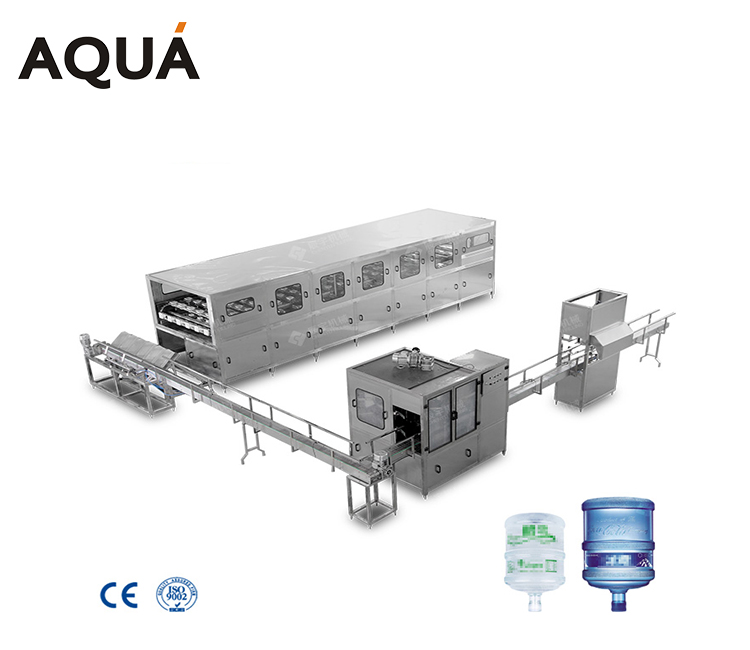
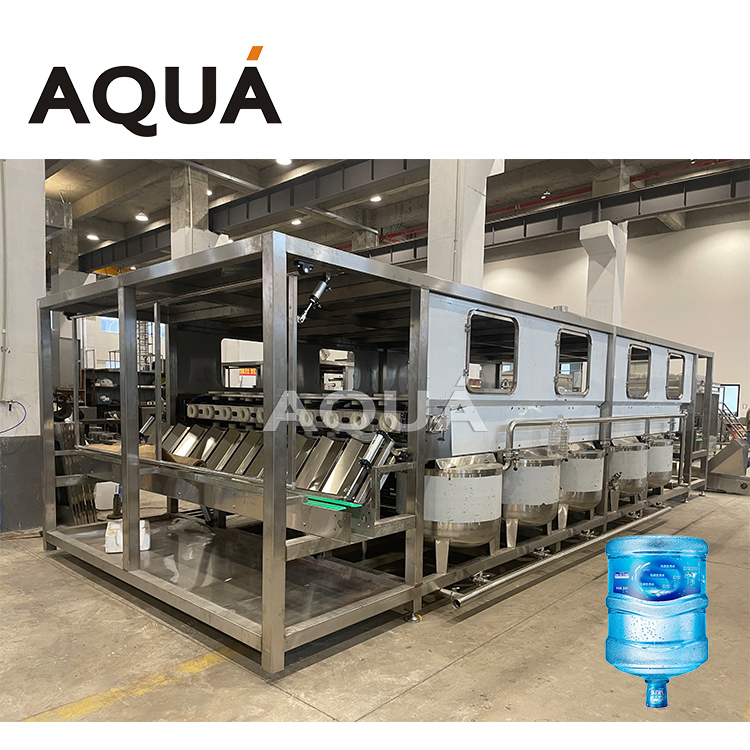
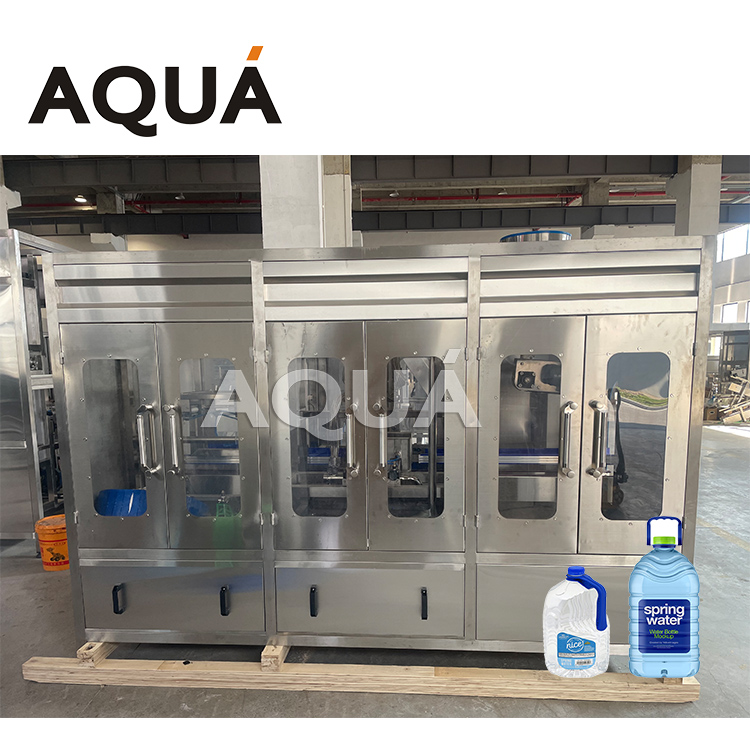
A. Isobaric CSD Monoblock Architecture (Rinsing, Filling, Capping)
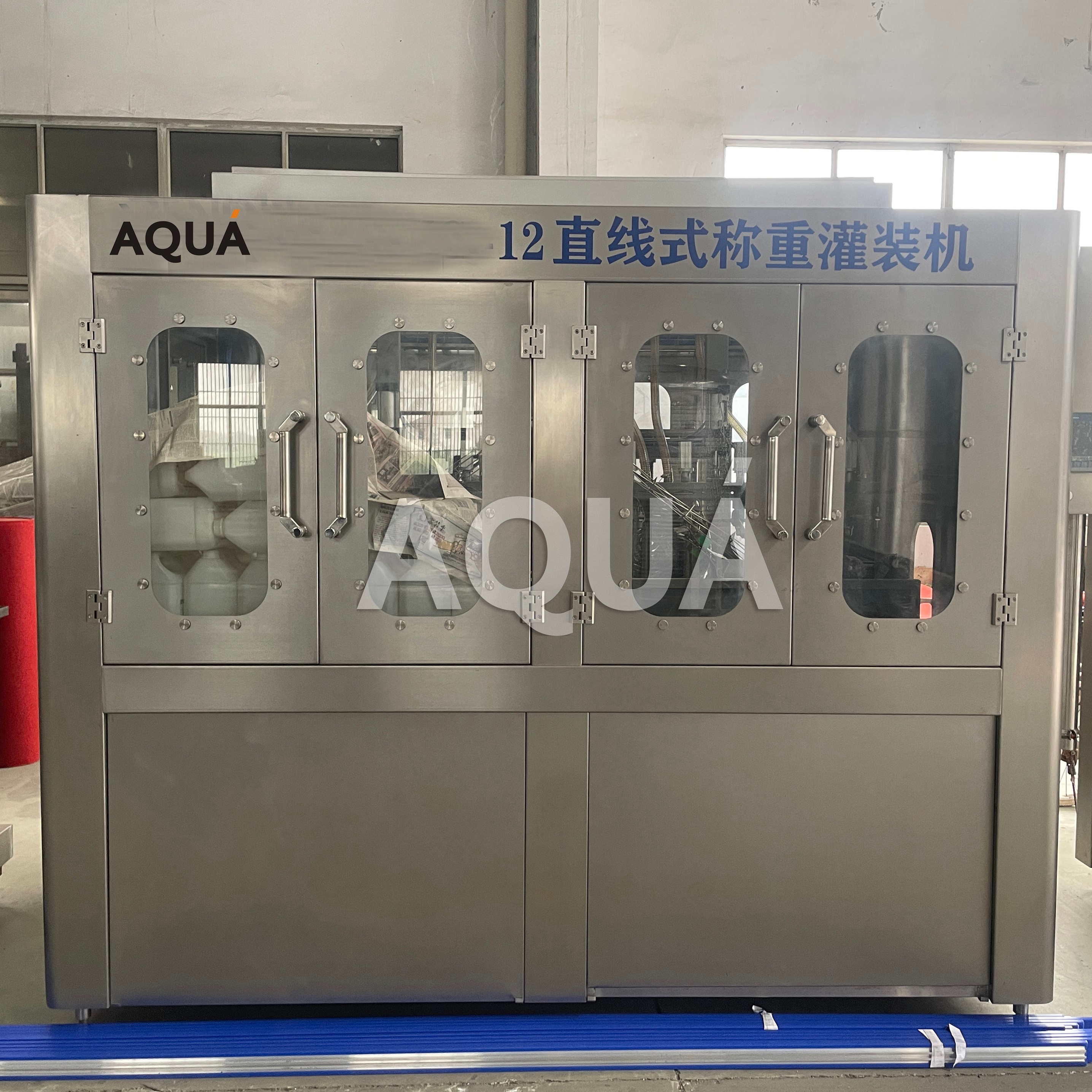
UJDI's carbonated beverage filling series uses advanced 3-in-1 monoblock design. PET bottles are transferred via neck-handling starwheels, minimizing changeover times between 350ml, 500ml, and 1.5L bottles. The filling valves utilize mechanical double-stage lift cylinders with precise pressure balance channels. Before liquid injection, the bottle undergoes equalizing counter-pressure with CO2, ensuring smooth liquid wall flow and zero air turbulence.
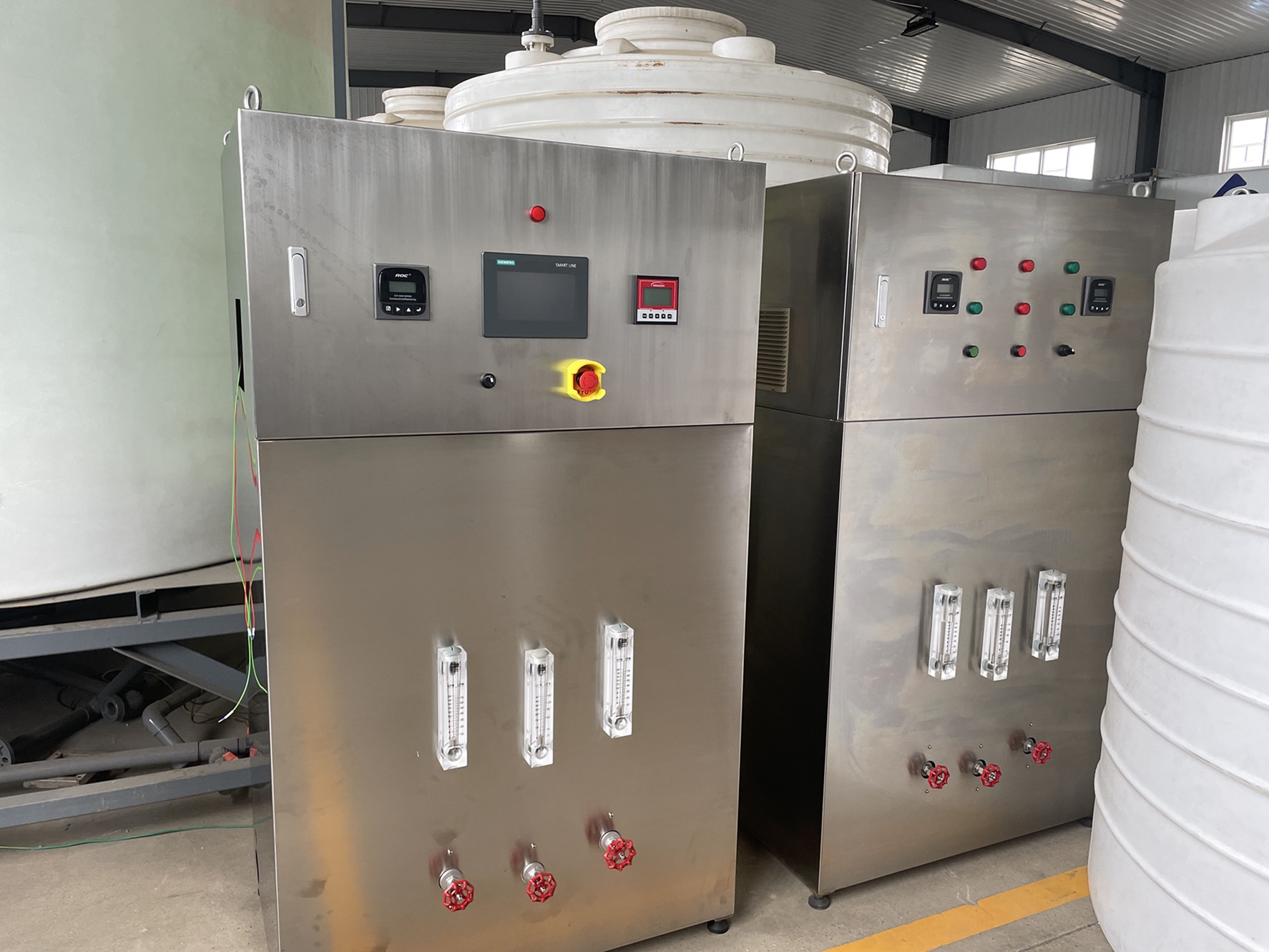
B. Precision Syrup-Water-CO2 Mixing System (Carbo-Cooler)
Achieving stable carbonation requires flawless mass ratio control. UJDI’s automated proportioning unit mixes treated water, flavored syrup, and CO2 gas in exact volumetric ratios. The liquid passes through a plate heat exchanger powered by a Freon/Glycol refrigeration unit, lowering liquid temperature to 2°C. The degassed water absorbs up to 4.2 volumes of CO2 gas without backpressure surge, guaranteeing crisp carbonation upon bottle opening.
C. Downstream Packaging Integration
To eliminate manual labor bottlenecks, UJDI provides integrated downstream equipment designed to operate as a synchronized production line:
- Blow Molding: Fully automatic linear PET blow molding machines capable of blowing 2,000–8,000 bottles per hour directly from preforms.
- Labeling Systems: Automatic sleeve labeling machines (with thermal shrink tunnels) or BOPP hot-melt glue labeling machines for high-speed wrap-around labels.
- End-of-Line Packing: Automatic PE film shrink wrapping machines that bundle bottles into 3x4 or 4x6 packs, ready for distribution without expensive cardboard boxes.