Featured Bottling & Packaging Equipment Solutions
Engineered for high efficiency, operational durability, and seamless integration in tropical manufacturing environments.
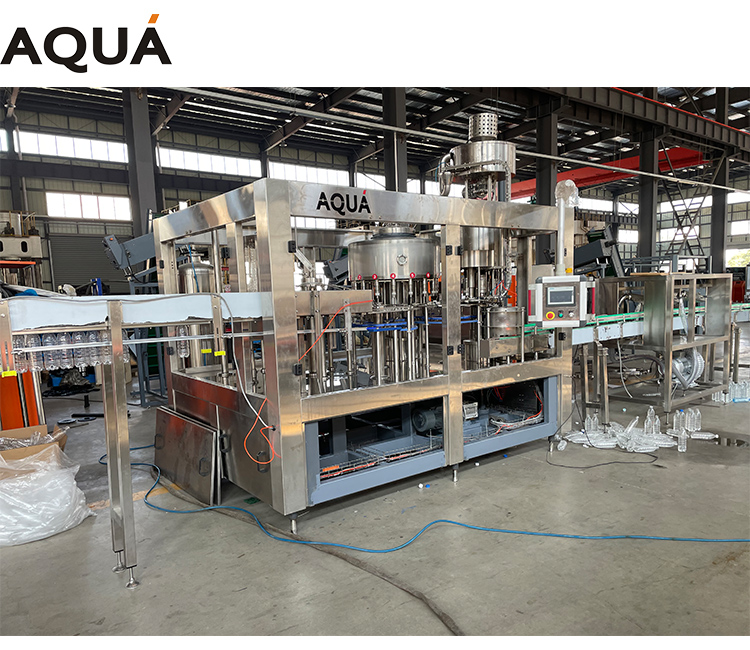
Linea De Embotellado Automatic 2000BPH, Maquina Llenadora Y Tapadora 8-8-3 Maquina Embotelladora 2000BPH
View Machine Specs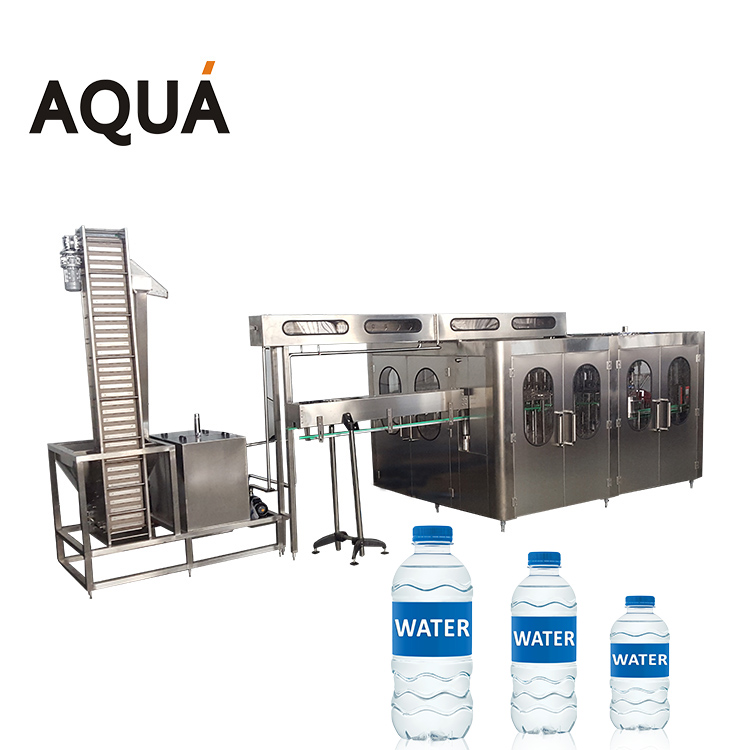
Automatic Machine Complete Production Line for Mineral Water Plant with a Capacity 2000bph
View Machine Specs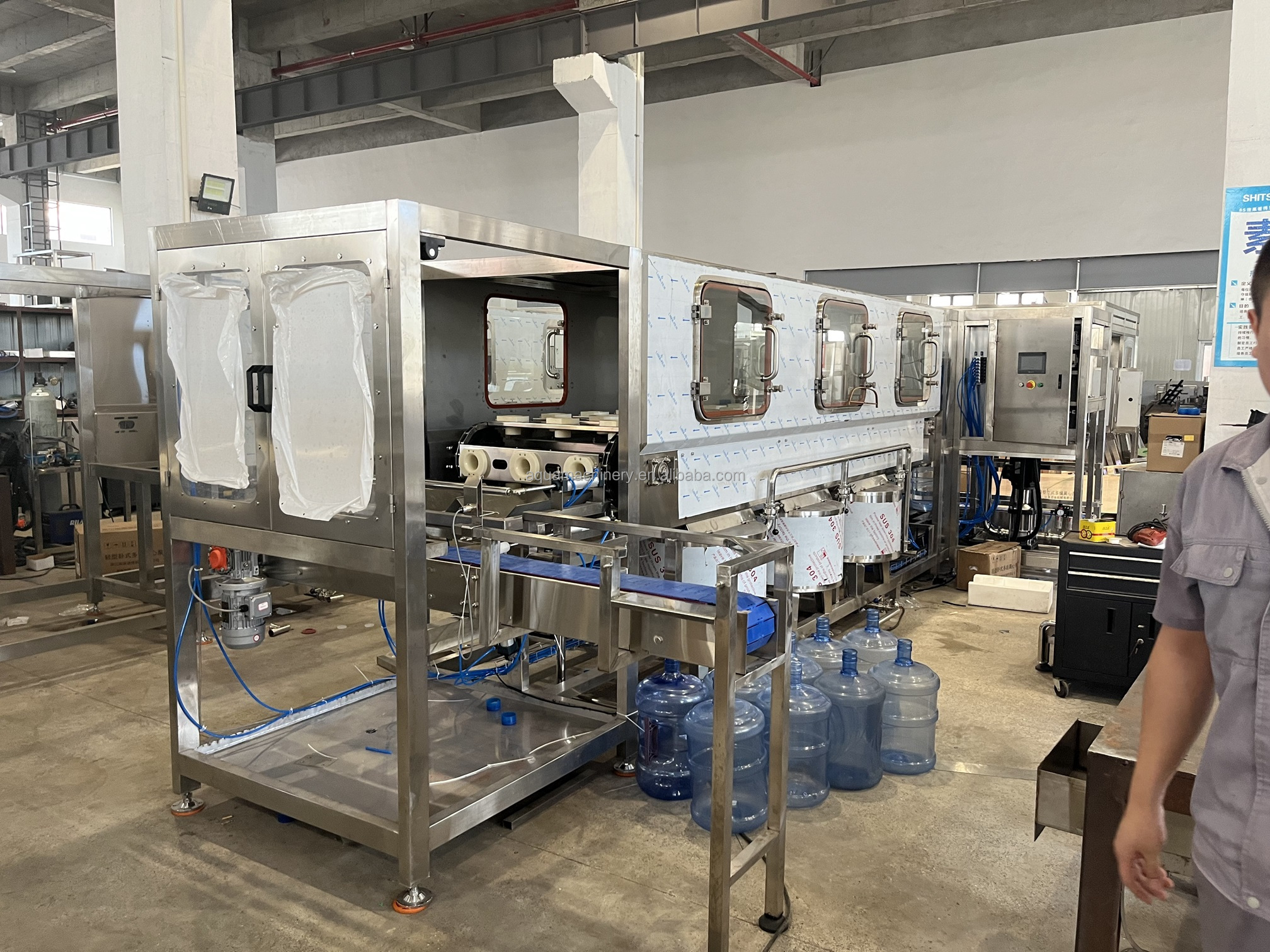
Linea Completa De Embotellado De Agua 19L 5 Galones, Llenadora De Garrafones Con Enjuague Llenado Tapado
View Machine Specs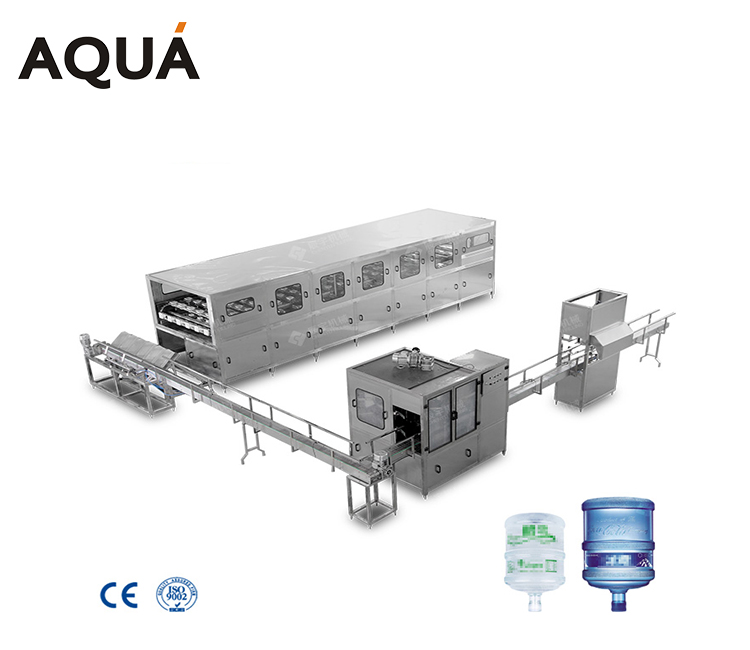
Automatic 5 Gallon Washing Machine / 19L Water Filling Machine Machine
View Machine Specs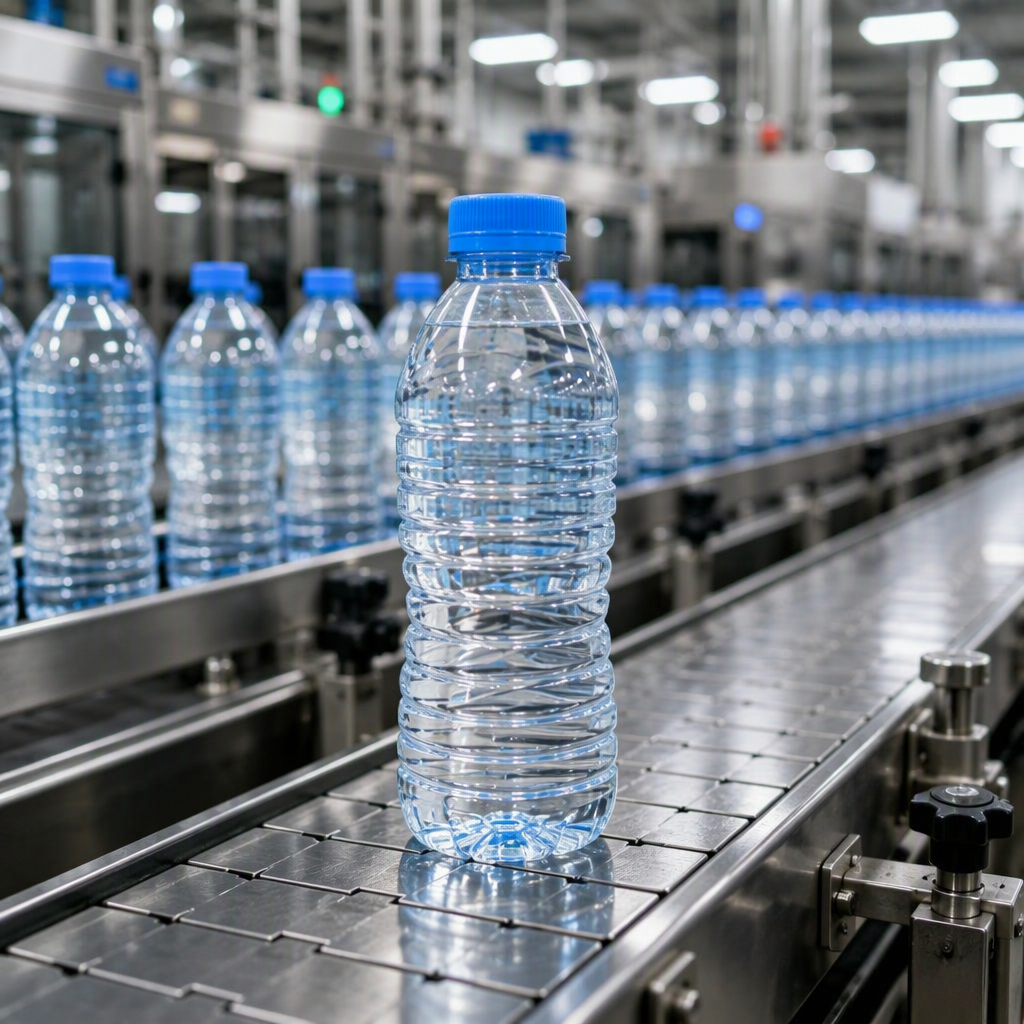
Automatic CGF 8-8-3 Bottling Machine Washer Filler Capper Machine / 8-8-3 Filling Machine
View Machine Specs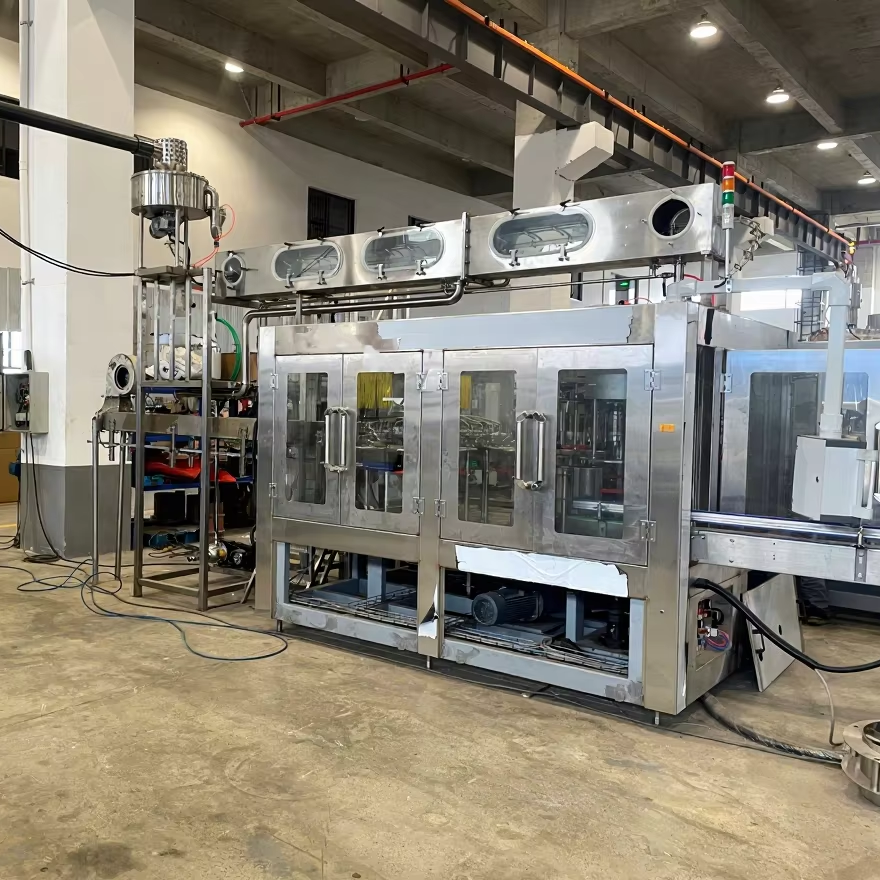
15000BPH Automatic Mineral Water Filling Machine for Bottled Water Production Automatic Filling and Capping System
View Machine Specs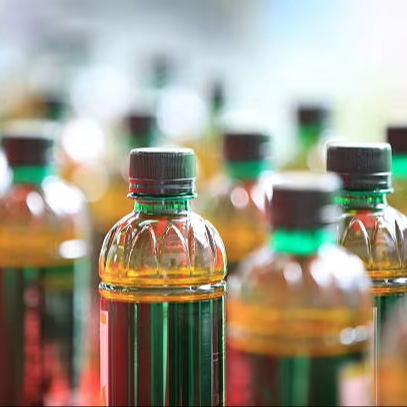
Complete Line of Equipment for Bottling Flavored Juice for Juice Filling Machine
View Machine Specs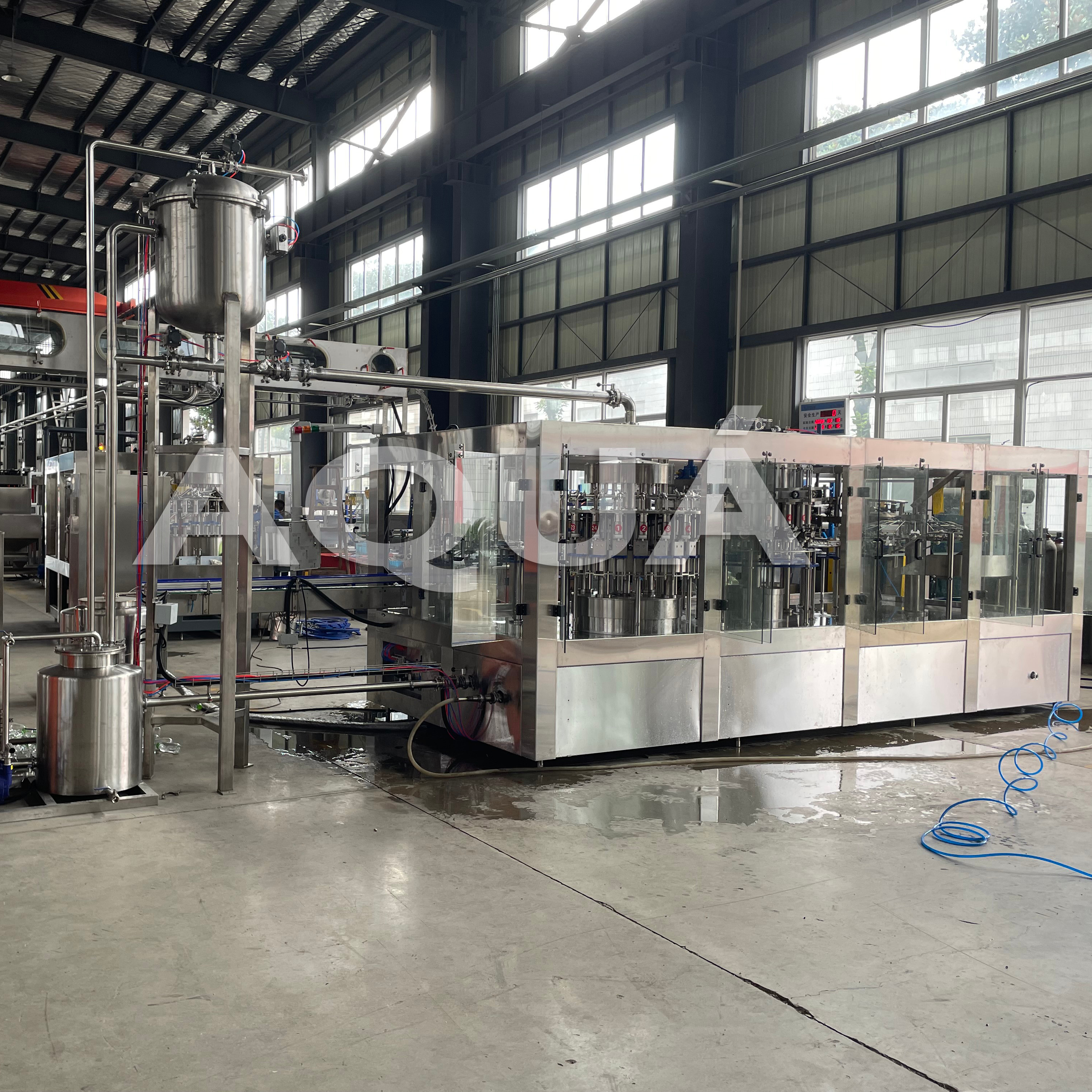
Industrial Water Purification and Bottling Plant for Mineral Water and Drinking Water Production Line 6000-8000BPH
View Machine SpecsVietnam Sparkling Water & Beverage Market: Industry Dynamics & Growth Drivers
Vietnam's non-alcoholic beverage sector is undergoing a rapid structural transition. Driven by accelerating urban health awareness in metropolitan centers like Ho Chi Minh City, Hanoi, Da Nang, and Can Tho, consumers are increasingly moving away from high-sugar carbonated soft drinks (CSDs) toward sparkling mineral water, zero-calorie flavored sparkling water, and functional carbonated RTD (Ready-To-Drink) beverages. Market intelligence indicates that the demand for premium bottled water and sparkling RTD solutions in Vietnam is maintaining a Compound Annual Growth Rate (CAGR) exceeding 8.5% over the current decade.
For beverage manufacturers, co-packers, and commercial water plant investors, establishing a competitive edge in Vietnam requires machinery capable of delivering consistent gas volume fraction (pCO2 stability) while enduring the region's specific environmental conditions. Operating bottling lines in humid, tropical climates presents distinct operational hurdles: high ambient temperatures accelerate CO2 gas off-gassing during filling, while intense humidity creates condensation challenges during labeling and final packaging.
SEO Information Gain Insight: Unlike standard purified bottled water lines that utilize ambient atmospheric gravity filling, carbonated sparkling water requires isobaric counter-pressure filling systems linked with high-precision beverage carbonators (carbo-mixers) to maintain precise gas solubility under tropical ambient temperatures.
Engineering Isobaric Bottling Systems for Tropical Climates
Solving thermodynamic solubility, foam suppression, and structural PET stability challenges in high ambient temperature facilities.
Thermodynamic CO2 Dissolution
According to Henry's Law, gas solubility in liquid drops as liquid temperature rises. In Vietnam, ambient water supply temperatures can reach 30°C–35°C. UJDI inline chilling and carbo-mixer units reduce liquid temperature down to 4°C–6°C before carbonation, maximizing CO2 retention up to 4.2 volumes without excessive pressure overhead.
Double Vacuum Evacuation
To eliminate air pockets within glass or PET containers prior to filling, our isobaric monoblocks utilize double vacuum de-aeration. Removing atmospheric oxygen (O2) prevents oxidation, extends drink shelf-life in tropical distribution, and eliminates turbulent foaming during the high-speed liquid cycle.
Precision Isobaric Valves
Equipped with mechanical or electro-pneumatic filing valves, the machine pressurizes the bottle with sterile CO2 to match ring-bowl vessel pressure before opening the liquid valve. Flow is managed via smooth, laminar wall-conduction nozzles to prevent sudden pressure drops that trigger carbonation loss.
PET Stress-Cracking Mitigation
High internal carbonation pressure combined with tropical humidity can cause stress cracking in lightweight PET bottle bases. UJDI works with clients to optimize preform stretch-blow molding parameters and base design geometry (petaloid bases) to handle up to 4.5 Bar internal pressure safely.
Anti-Condensation Bottle Warming
Bottles exiting the filler at 4°C collect severe atmospheric dew in Vietnam's ambient air. Downstream bottle-warming tunnels raise container surface temperatures to ambient (approx. 28°C) using warm water sprayers, ensuring dry bottle walls for optimal adhesive labeling and shrink wrapping.
Full CIP Integration
Automated Clean-in-Place (CIP) circulation channels with artificial dummy cups allow multi-stage thermal and chemical sanitization (alkali wash, acid wash, sterile water rinse). This ensures zero cross-contamination when switching between plain sparkling mineral water and fruit-infused carbonated variants.
Technical Comparison: Atmospheric Gravity vs. Isobaric Counter-Pressure Filling Systems
| Technical Parameter | Atmospheric Gravity Filler (Still Water) | Isobaric Counter-Pressure Filler (Sparkling Beverage) |
|---|---|---|
| Primary Application | Purified Mineral Water, Non-Carbonated Juices | Sparkling Water, Club Soda, CSDs, Beer, Cider |
| Operating Filling Pressure | Atmospheric / Ambient Pressure (0 Bar) | Positive Counter-Pressure (2.5 - 6.0 Bar) |
| Filling Liquid Temperature | Ambient (15°C - 35°C) | Chilled Liquid Required (4°C - 8°C) |
| Oxygen Ingress Control | Basic Liquid Surface Contact | Double Vacuum De-aeration + CO2 Flushing |
| Valves & Nozzle Design | Simple Gravity Spring Valve | Laminar Flow Valve with Venting Tube & Gas Return |
| Downstream Equipment Required | Capper -> Labeler -> Shrink Wrapper | Water Chiller -> Carbo-Mixer -> Filler -> Bottle Warmer -> Labeler |
| Foam Handling Mechanism | N/A (No Carbonation) | Snifting / Slow Pressure Relief Valve System |
Tailored Turnkey Engineering for Vietnamese Industrial Plants
Setting up a beverage production plant in industrial parks across Vietnam—such as VSIP (Binh Duong/Bac Ninh), Amata (Dong Nai), or Dinh Vu (Hai Phong)—demands machinery compliance with national industrial standards, municipal water treatment specifications, and electrical grid protocols. UJDI Machinery offers complete OEM and ODM customization to ensure turnkey installations integrate smoothly into local facilities.
Power Supply Standardization
Full adaptation to Vietnam's standard electrical grid specifications (380V, 50Hz, 3-Phase) with Schneider/Siemens electrical components and VFD speed controls.
Water Treatment Customization
Integrating multi-stage Reverse Osmosis (RO), active carbon filtration, and Ozone/UV disinfection systems calibrated to regional groundwater chemistry in Vietnam.
ACFTA Tariff Advantages (Form E)
As a verified Chinese manufacturer, UJDI provides ASEAN-China Free Trade Area (Form E) documentation, helping Vietnamese importers lower tariff burdens.
Multi-Container Versatility
Modular changeover parts permit bottling plain or flavored sparkling water in PET bottles (250ml to 1.5L), premium glass bottles with crown caps, or aluminum sleek cans.
Enterprise Excellence: Why Leading Global Bottlers Partner with UJDI Machinery
Zhangjiagang UJDI Machinery Co., Ltd. is situated in Zhangjiagang City, Jiangsu Province—China’s premier industrial hub for beverage machinery manufacturing. With over 13 years of dedicated research, design, and manufacturing expertise, UJDI delivers high-performance turnkey bottling lines spanning output capacities from 2,000 BPH up to 15,000 BPH.
Every UJDI sparkling water filling system is engineered using certified food-grade stainless steel (SUS304 or SUS316L for liquid-contact contact parts). Verified on-site by international auditing giant Intertek and fully certified with European CE conformity, our machinery undergoes stringent factory acceptance testing (FAT) prior to seaworthy export packaging.
Frequently Asked Questions for Vietnamese Buyers
Key operational, technical, and commercial considerations when importing sparkling water lines to Vietnam.
What capacity options are available for sparkling water lines serving the Vietnam market? +
We manufacture automatic monoblock bottling lines ranging from entry-level 2,000 BPH (8-8-3 monoblocks) suitable for boutique brands or localized mineral spring plants, up to high-speed 15,000 BPH fully automated lines (32-32-10 or 40-40-12 configurations) designed for large-scale commercial beverage manufacturers.
How does UJDI solve CO2 loss and excessive foaming in Vietnam's hot climate? +
Our turnkey line design incorporates high-efficiency liquid chillers to reduce water temperatures to 4°C prior to entering our high-precision carbo-mixer. The filling monoblock uses pressurized isobaric valves, double vacuum evacuation, and controlled multi-stage snifting (gradual pressure relief) to eliminate foaming during the transfer cycle.
Can a single UJDI sparkling water line run both plain sparkling water and flavored carbonated drinks? +
Yes. By integrating a multi-channel syrup blending tank and an automated CIP (Clean-in-Place) sanitation circuit, your production team can easily transition between pure sparkling water, zero-sugar fruit-flavored sparkling waters, and traditional carbonated soft drinks (CSDs) without flavor carryover or contamination.
What spare parts and post-installation support do you provide in Vietnam? +
UJDI provides complete on-site installation guidance, line commissioning, and operator training conducted by senior mechanical and electrical engineers. We maintain a standardized inventory of wear-and-tear parts (seals, filling nozzles, starwheels, pneumatic valves) and offer rapid dispatch alongside remote video technical support.
Are your machines compliant with Vietnamese factory regulations and power standards? +
Yes. All control systems, motors, and electrical cabinets are built to standard 380V/50Hz 3-phase power requirements (or custom requested voltages). Liquid contact components utilize food-grade SUS304/SUS316 stainless steel complying with international health standards and Vietnamese Ministry of Health food safety directives.
What is the typical production lead time and shipping duration to main Vietnam ports? +
Standard manufacturing time for a complete automated bottling line is typically 40 to 60 days upon bottle drawing approval. Shipping from Shanghai or Ningbo ports to Ho Chi Minh City (Cat Lai Port) or Haiphong Port takes approximately 7 to 12 days, facilitating rapid project deployment.
Plan Your Sparkling Water Bottling Facility Today
Connect directly with UJDI engineering specialists to receive custom line layout CAD designs, complete equipment configuration proposals, and transparent wholesale factory pricing for the Vietnam market.
Get Catalog