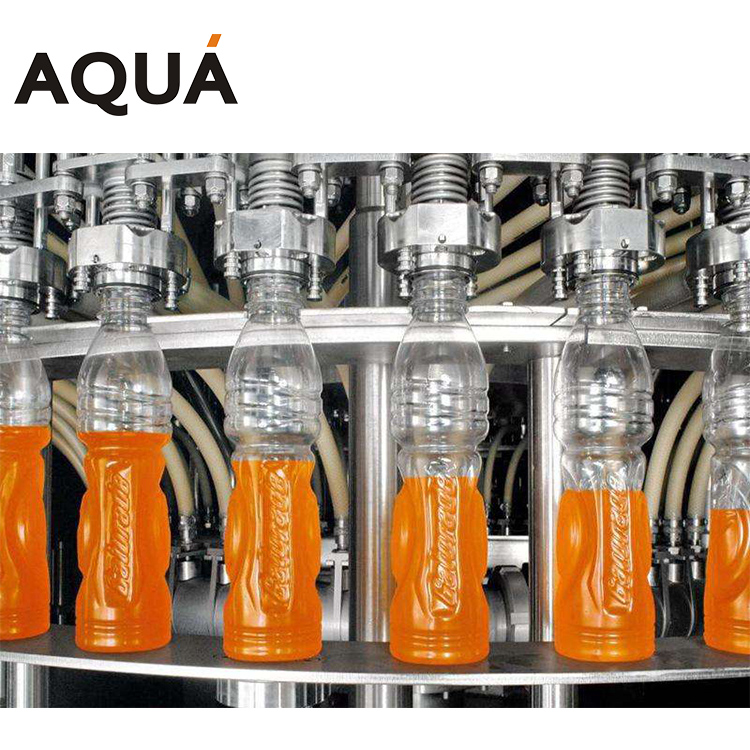
Automatic Glass Bottle Juice & Coconut Water Filling Machine
View Equipment Details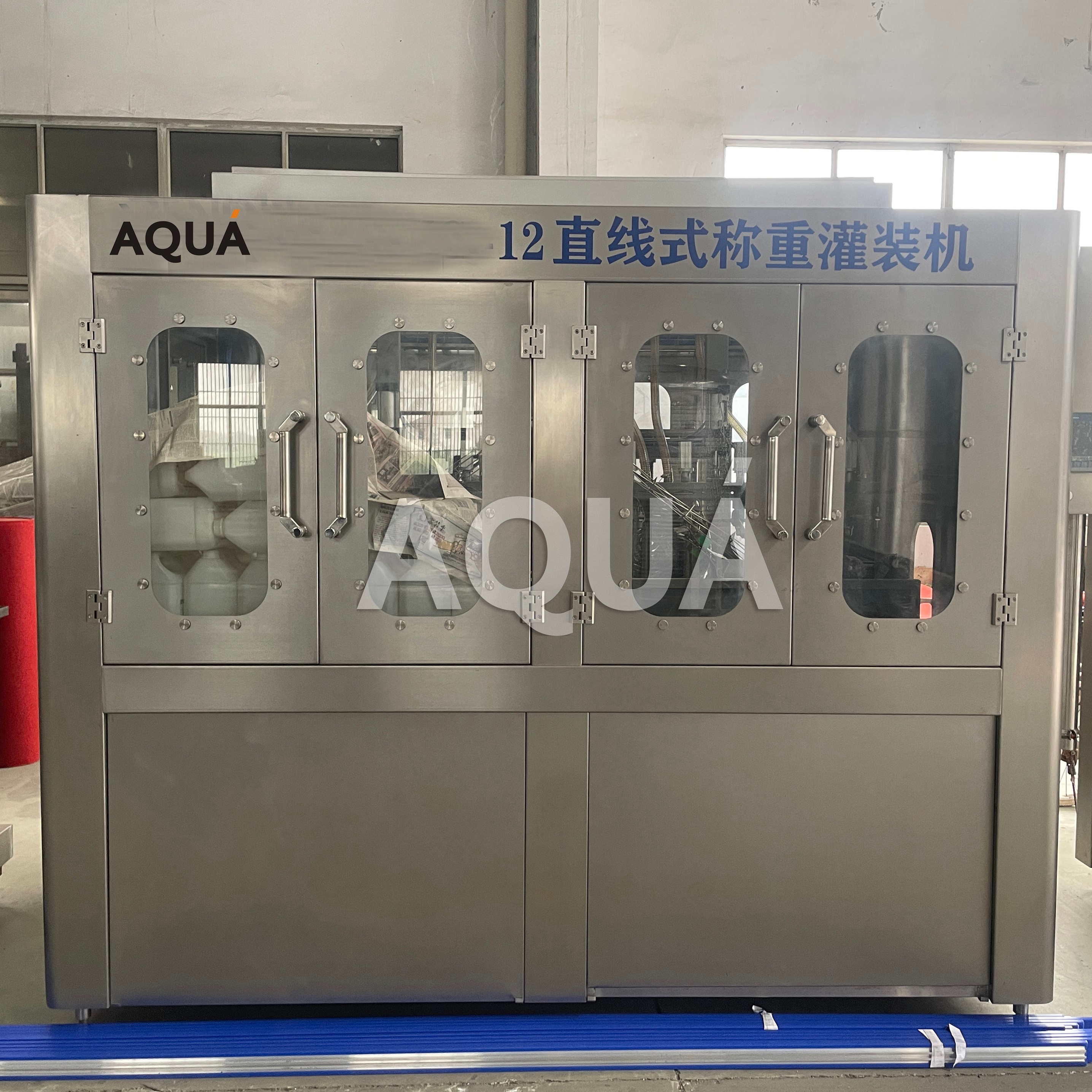
Fully Automatic Bottling Line for Coconut & Edible Oils
View Equipment Details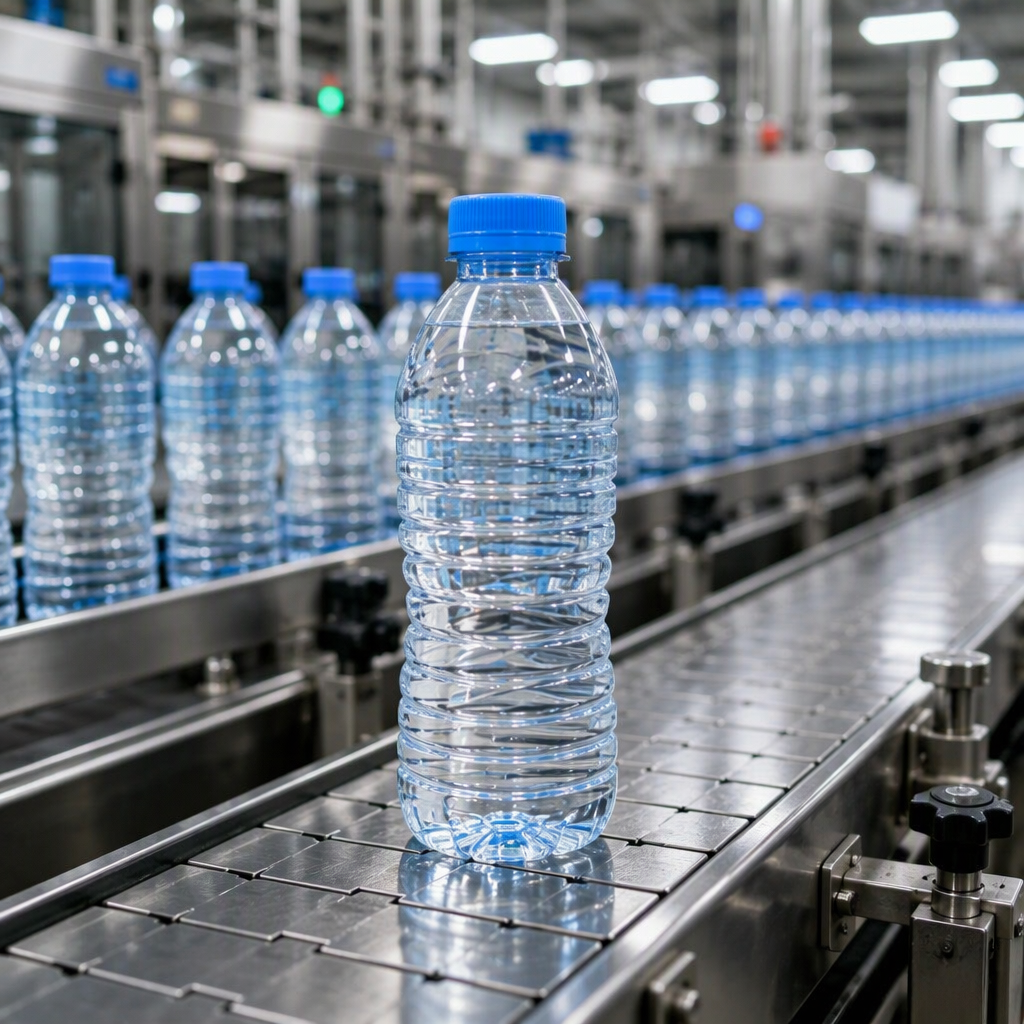
4000BPH–12000BPH High-Efficiency Water & Beverage Bottling Plant
View Equipment Details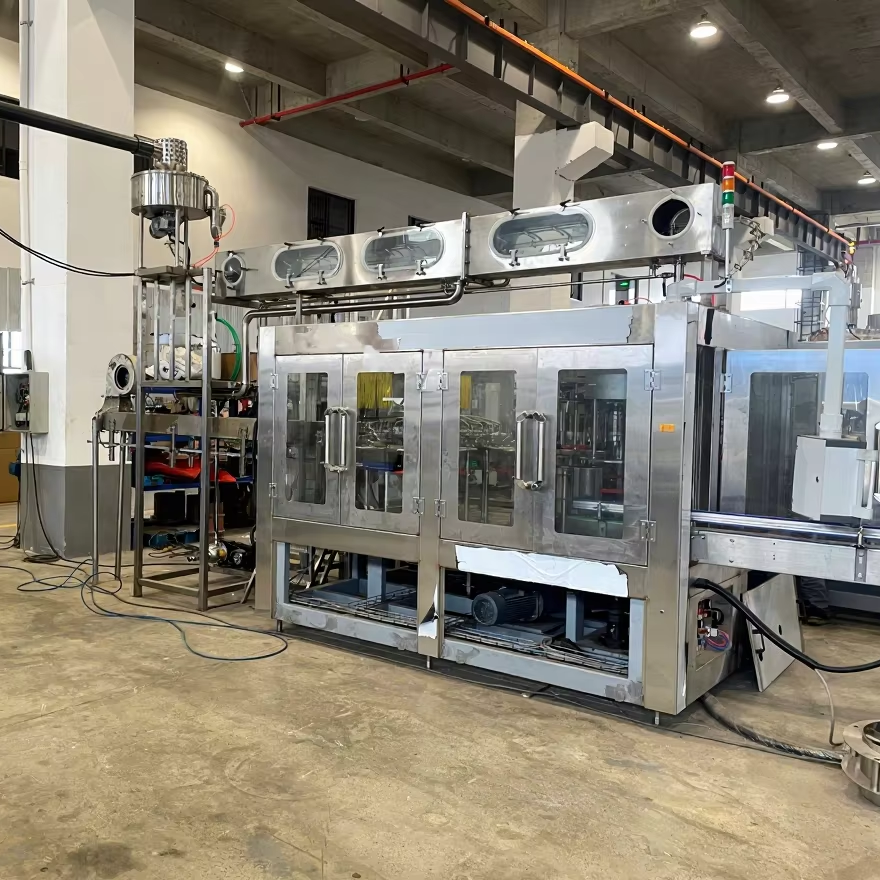
15000BPH High-Speed Liquid Filling & Capping System
View Equipment Details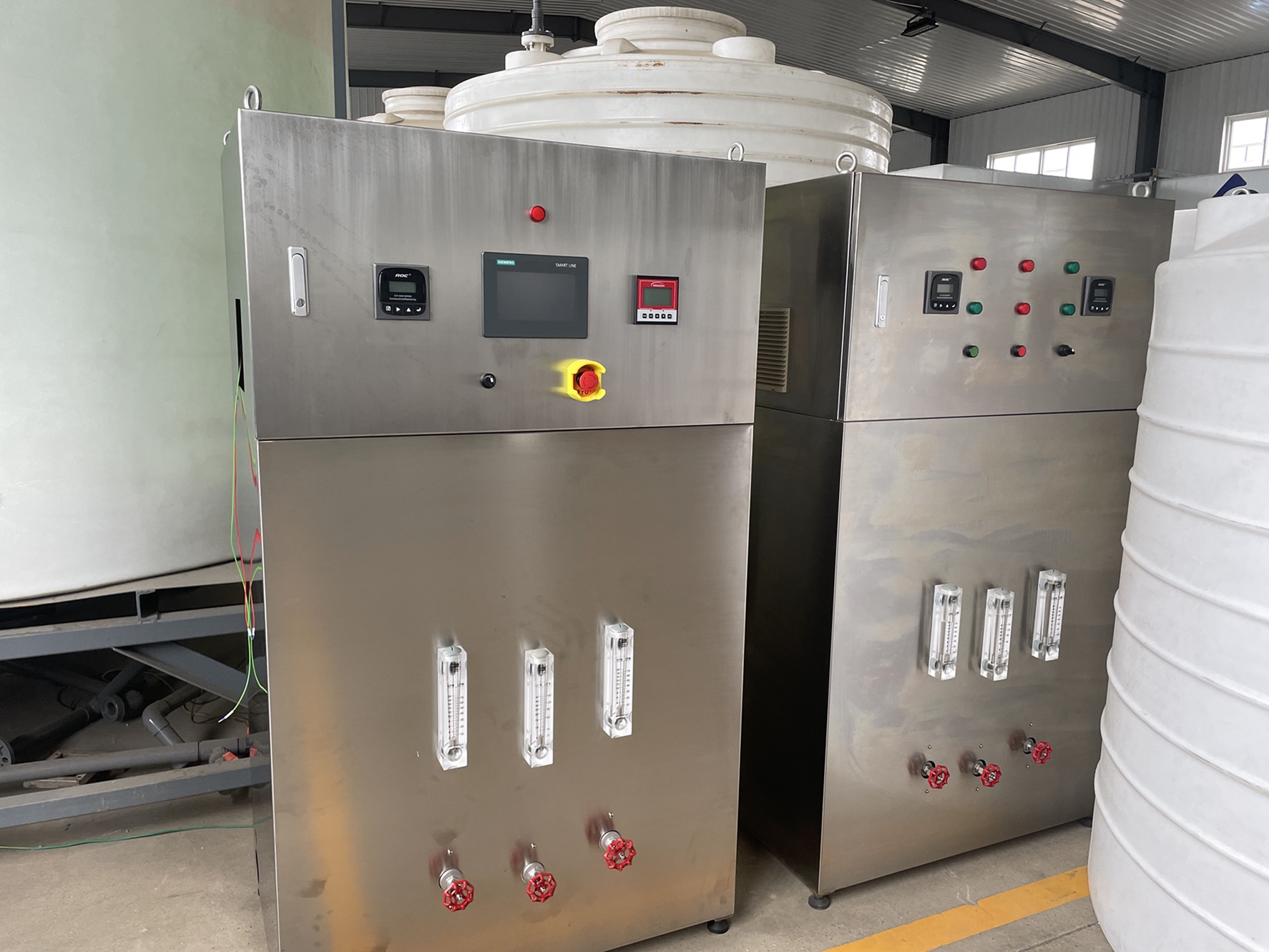
Industrial 1000L Electrolysis & Water Treatment System
View Equipment Details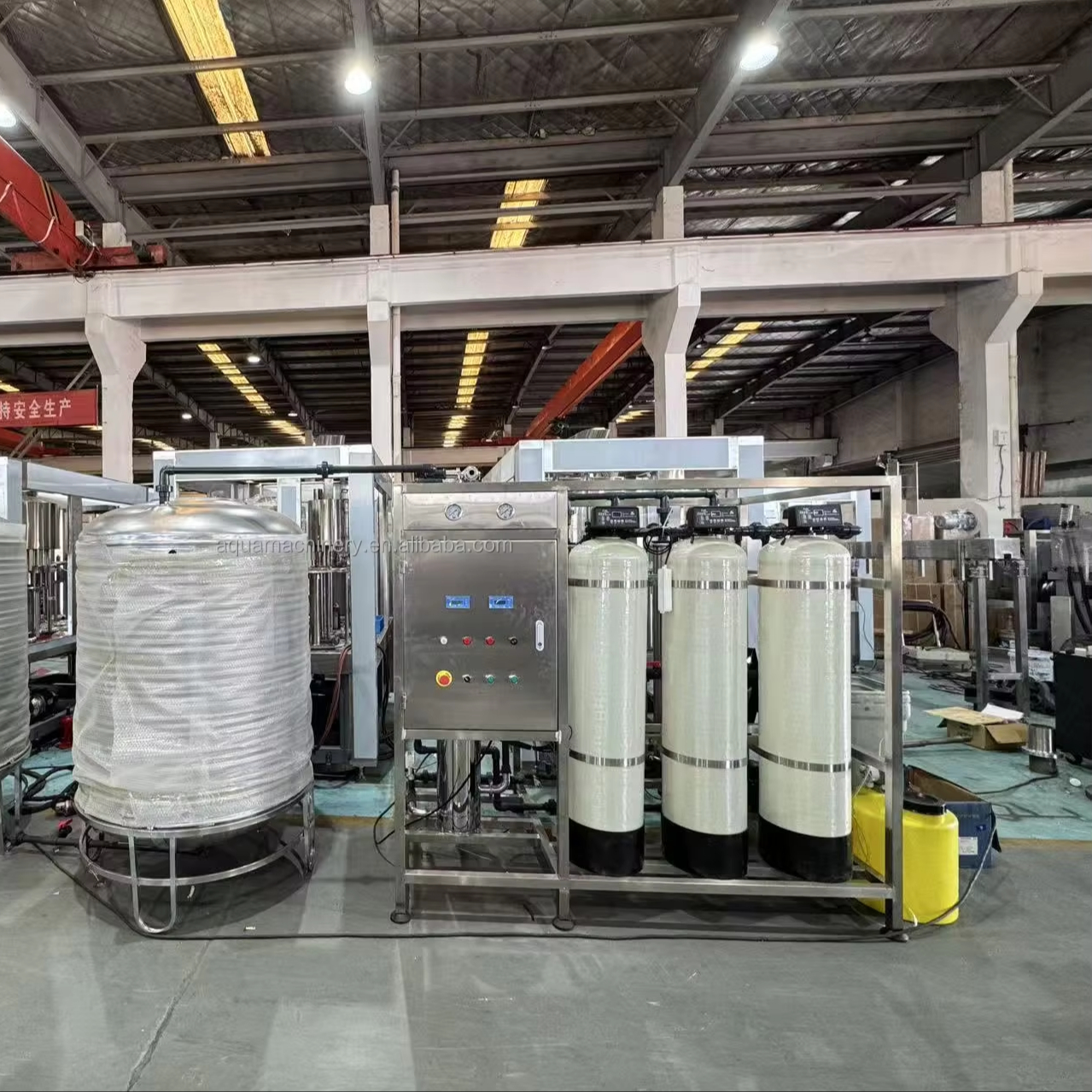
500–1000LPH Industrial Reverse Osmosis (RO) Purification Plant
View Equipment Details
Complete Turnkey Line for Bottling Coconut Water & Flavored Juice
View Equipment Details
6000BPH Complete Automated Bottled Beverage Production Line
View Equipment DetailsIndustrial Coconut Water Processing Engineering in Tanzania
A complete guide to biochemical preservation, thermal deactivation of oxidative enzymes, and high-yield automated extraction engineered specifically for the East African beverage market.
1. The Biochemical Challenge of Coconut Water Preservation
Natural coconut water (extracted from both fresh green mdafu and mature coconuts) is an extremely heat-sensitive, isotonic liquid rich in essential electrolytes (Potassium, Magnesium, Calcium), natural sugars, and free amino acids. However, once exposed to atmospheric oxygen during extraction, two primary oxidative enzymes—Polyphenol Oxidase (PPO) and Peroxidase (POD)—trigger rapid biochemical enzymatic browning, transforming pristine clear coconut water into a pinkish-brown liquid within 15 to 30 minutes, while destroying delicate volatile aroma compounds.
To deliver a commercially viable shelf life of 12 to 18 months at ambient tropical temperatures without synthetic preservatives, commercial processors in Tanzania require specialized aseptic extraction and thermal treatment equipment. **Zhangjiagang UJDI Machinery Co., Ltd.** engineers customized commercial processing systems that combine low-temperature physical micro-filtration, vacuum deaeration to remove dissolved $O_2$, and high-temperature short-time (HTST) or Tubular Ultra-High Temperature (UHT) flash sterilization (138°C–142°C for 4–6 seconds) coupled with immediate aseptic filling.
Turnkey Coconut Water Processing Line Workflow
From raw nut receiving to high-speed shrink wrapping, explore the step-by-step mechanical engineering built into UJDI automated systems.
Sanitary Washing & Drilling Extraction
Whole coconuts are sanitized via high-pressure water jets and food-grade disinfectant spray tanks. Automated rotary piercing needles extract coconut liquid inside a sealed nitrogen-purged chamber to prevent initial atmospheric oxidation.
Coarse Filtration & Fat Separation
Raw water passes through duplex stainless steel mesh filters (100–200 mesh) to remove coconut fibers and shell debris, followed by a high-speed disc stack centrifuge operating at 6,500 RPM to separate trace coconut oil lipids.
Vacuum Deaeration & Formulation
The liquid enters a vacuum deaerator operating at -0.08 to -0.09 MPa to evacuate entrapped air and dissolved oxygen. Optional batch mixing tanks allow precision blending of ascorbic acid (Vitamin C) for natural antioxidant stabilization.
Tubular UHT Sterilization
Utilizing a 4-stage sanitary corrugated tube heat exchanger, coconut water is rapidly preheated, held at 138°C–140°C for 4 seconds to kill bacterial spores and deactivate PPO/POD enzymes, then flash cooled to 25°C for cold aseptic filling.
Aseptic Monoblock Filling & Capping
Sanitary 3-in-1 Monoblock system performing internal bottle rinsing with sterile water, non-contact electromagnetic flowmeter filling, and hermetic capping under HEPA Class 100 sterile air overpressure enclosures.
Labeling & End-of-Line Packaging
Bottles pass through automatic dry blowers, BOPP hot-melt glue or automatic PVC shrink sleeve applicators, online laser batch coding, and automatic PE film thermal shrink wrapping for export-ready bundle packing.
Solving Operational Challenges in Tanzania
Custom mechanical engineering designed to thrive within Tanzania's specific climate, power grid parameters, water quality conditions, and regional trade corridors.
Regional Industrial Hub Adaptations
Dar es Salaam & Coast Region (Pwani): Designed for high-volume commercial production targeting domestic supermarket chains and export via Dar es Salaam Port. Processing equipment incorporates marine-grade SUS316L stainless steel structural frames to withstand high ambient humidity and coastal saline corrosion.
Zanzibar (Unguja & Pemba Islands): Focused on eco-friendly, premium glass-bottled fresh coconut water line configurations catering to high-end resort hospitality and tourist markets. Compact, energy-efficient monoblock designs optimize space footprint for island installations.
Electrical & Water Infrastructure Resilience
Power Grid Stabilization (380V–415V / 50Hz): To withstand frequent power fluctuations in industrial zones like Tanga and Mtwara, UJDI integrates heavy-duty Siemens/Schneider VFDs, automatic voltage regulators, and auto-restart PLC memory protection.
Borehole Water Pre-Treatment Integration: Tanzanian process water often contains elevated total dissolved solids (TDS) and mineral hardness. Our turnkey line includes multi-stage Reverse Osmosis (RO) plants (500LPH to 10,000LPH) ensuring CIP wash water meets strict WHO drinking standards.
Beverage manufacturers utilizing UJDI processing lines achieve compliance with Tanzania Bureau of Standards (TBS) and Tanzania Medicines and Medical Devices Authority (TMDA) regulations. Products packaged with our aseptic hot-fill and UHT systems qualify for zero-tariff intra-trade across EAC member states (Kenya, Uganda, Rwanda) and SADC markets.
Coconut Water Line Technical Capacity Comparison
Review industrial metrics across small, medium, and high-speed enterprise configurations to select the ideal scale for your project.
| Line Specification | Small-Scale Startup | Mid-Scale Commercial | High-Speed Industrial |
|---|---|---|---|
| Hourly Output (500ml PET) | 2,000 – 3,000 BPH | 6,000 – 8,000 BPH | 12,000 – 15,000 BPH |
| Raw Coconut Consumption | ~1,200 – 1,800 Nuts/Hr | ~3,500 – 4,800 Nuts/Hr | ~7,000 – 9,000 Nuts/Hr |
| Sterilization Method | Plate HTST (85°C–92°C) | Tubular UHT (138°C) | Aseptic Tubular UHT + Flash |
| Filling Monoblock Type | 14-12-5 Rinse-Fill-Cap | 24-24-8 Monoblock | 32-32-10 Aseptic Cleanroom |
| Installed Power (kW) | 45 – 65 kW | 110 – 145 kW | 220 – 280 kW |
| Steam Consumption (kg/h) | 300 kg/h | 800 kg/h | 1,500 kg/h |
| Recommended Plant Footprint | 400 – 600 m² | 1,000 – 1,500 m² | 2,500 – 4,000 m² |
Why Beverage Leaders Partner with UJDI Machinery
Direct manufacturer benefits based on 13+ years of engineered liquid packaging leadership from Zhangjiagang, Jiangsu, China.
Single-Source Turnkey Engineering
We design, manufacture, and integrate every machine component—from raw water Reverse Osmosis plants to bottle blow molding machines, filling monoblocks, and end-of-line shrink wrappers—ensuring 100% mechanical line speed synchronization without integration bottlenecks.
Intertek-Audited & CE Certified
All liquid contact components are crafted strictly from certified food-grade SUS304 or SUS316L stainless steel. Our manufacturing facility undergoes rigorous on-site auditing by Intertek, with full CE compliance certification across all equipment series.
On-Site Commissioning & Local Training
We dispatch senior electrical and mechanical engineers directly to customer plant sites across Tanzania (Dar es Salaam, Arusha, Mwanza, Zanzibar) for complete physical installation, CIP process validation, line commissioning, and technical local operator training.
Frequently Asked Questions for Tanzanian Buyers
Detailed technical and commercial answers addressing common engineering queries from African factory developers.
What is the shelf life achievable for packaged coconut water in Tanzania without cold chain storage? +
Can one filling line process both tender green coconut water (dafu) and mature coconut water? +
Can a single UJDI Bottling Line run multiple bottle sizes (e.g., 250ml, 330ml, 500ml, 1.0L)? +
What technical utility requirements (Electricity, Water, Steam, Air) are required on-site? +
How does UJDI handle spare parts delivery and post-installation technical service in Tanzania? +
What shipping, sea freight, and customs documentation are provided for Tanzania Port import? +
Start Your Coconut Water Processing Project in Tanzania Today
Connect directly with UJDI senior beverage line engineers to receive customized factory CAD layout drawings, equipment sizing specifications, and a complete turnkey commercial quote within 24 hours.
Contact Us