Featured Industrial Packaging & Sealing Machinery
Explore our high-precision liquid packaging, automated double-seaming monoblocks, reverse osmosis purifiers, and high-speed filling machinery engineered for scalable commercial plants.
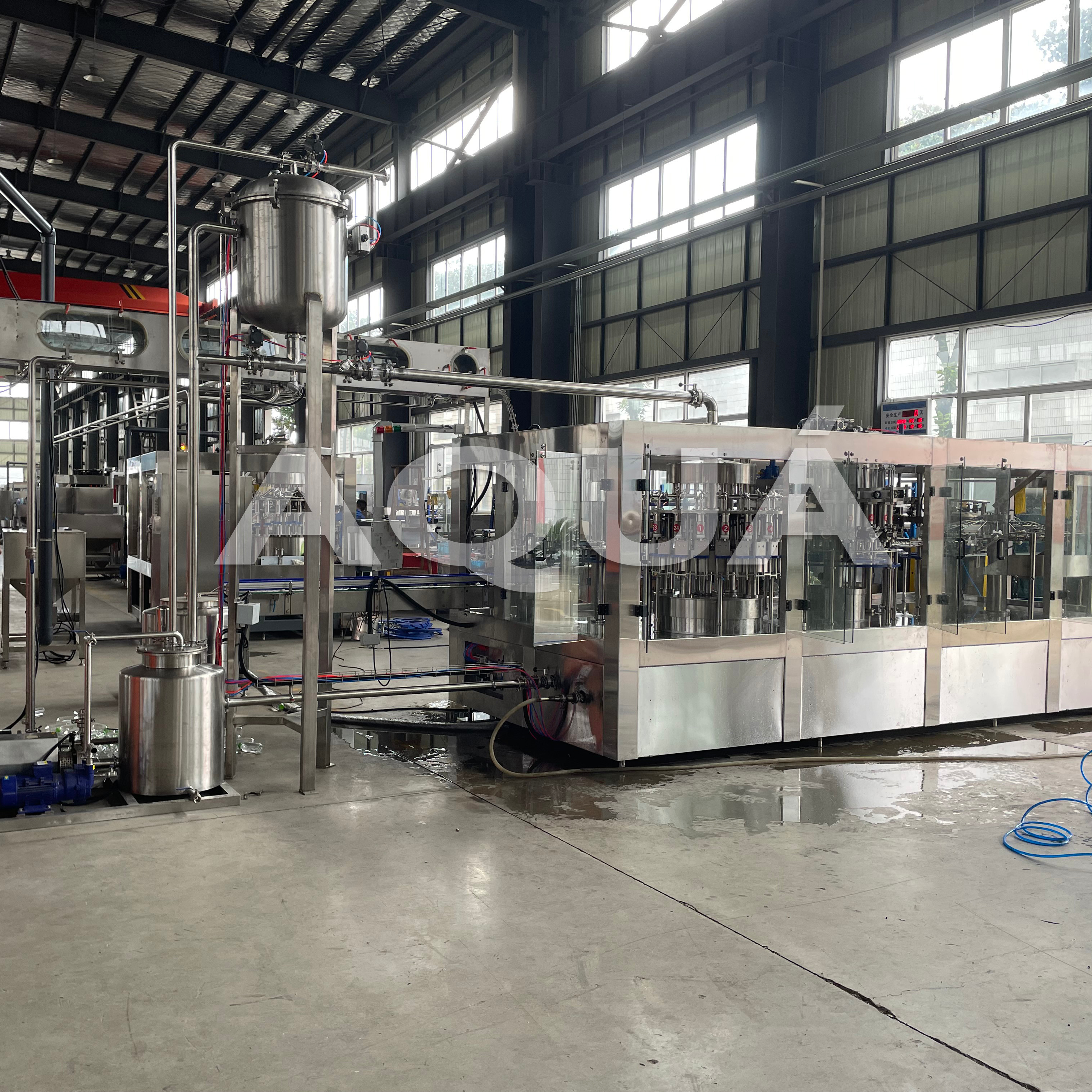
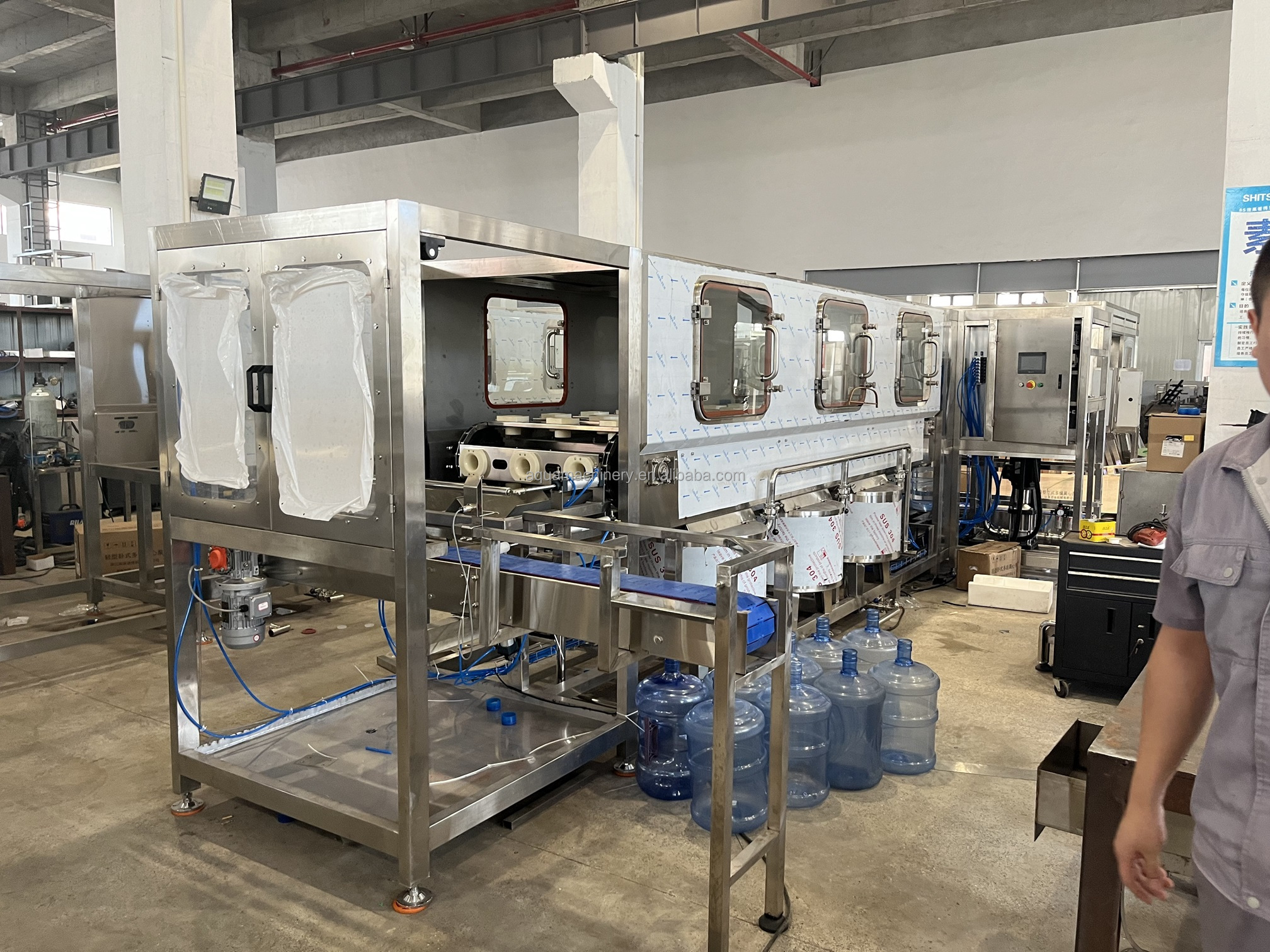
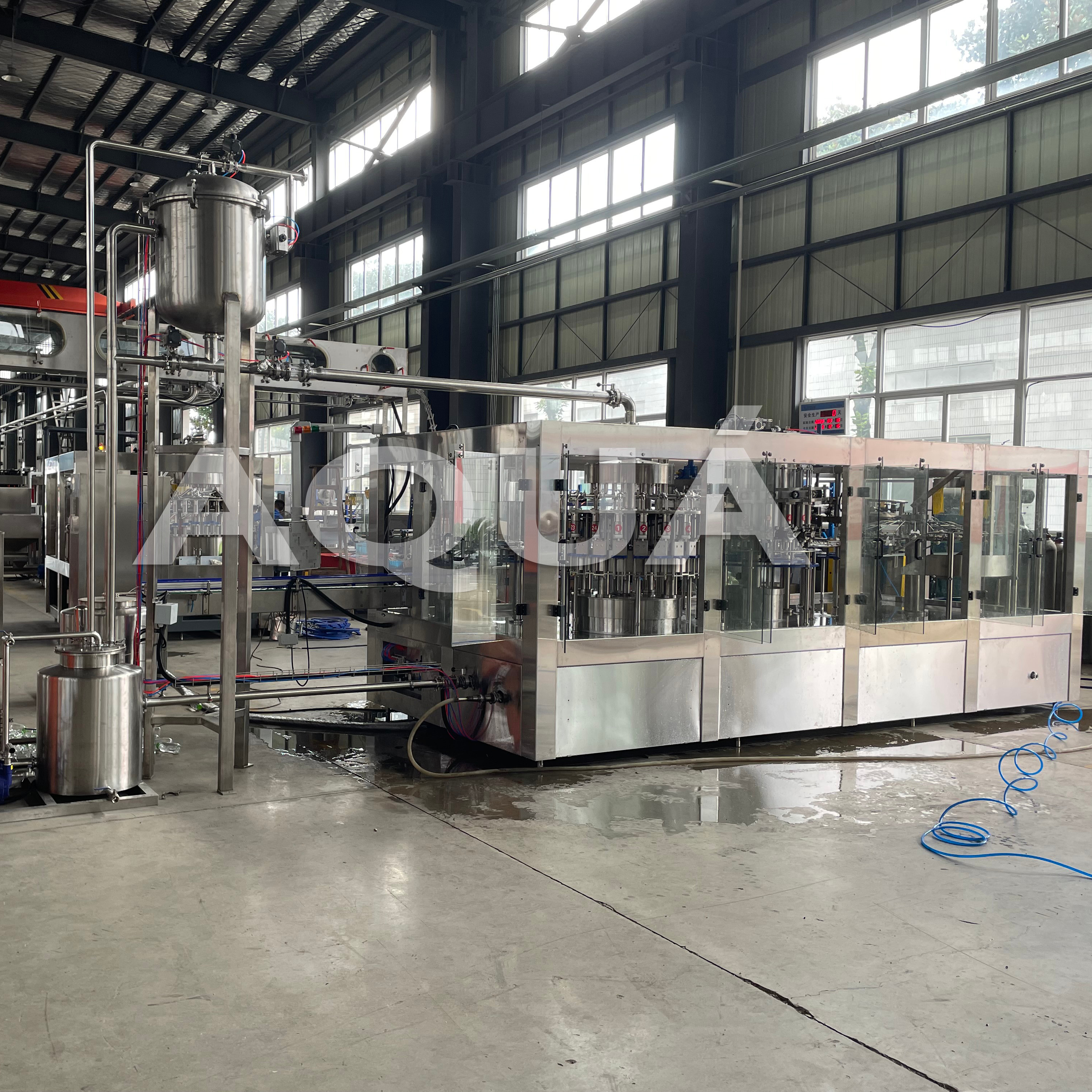
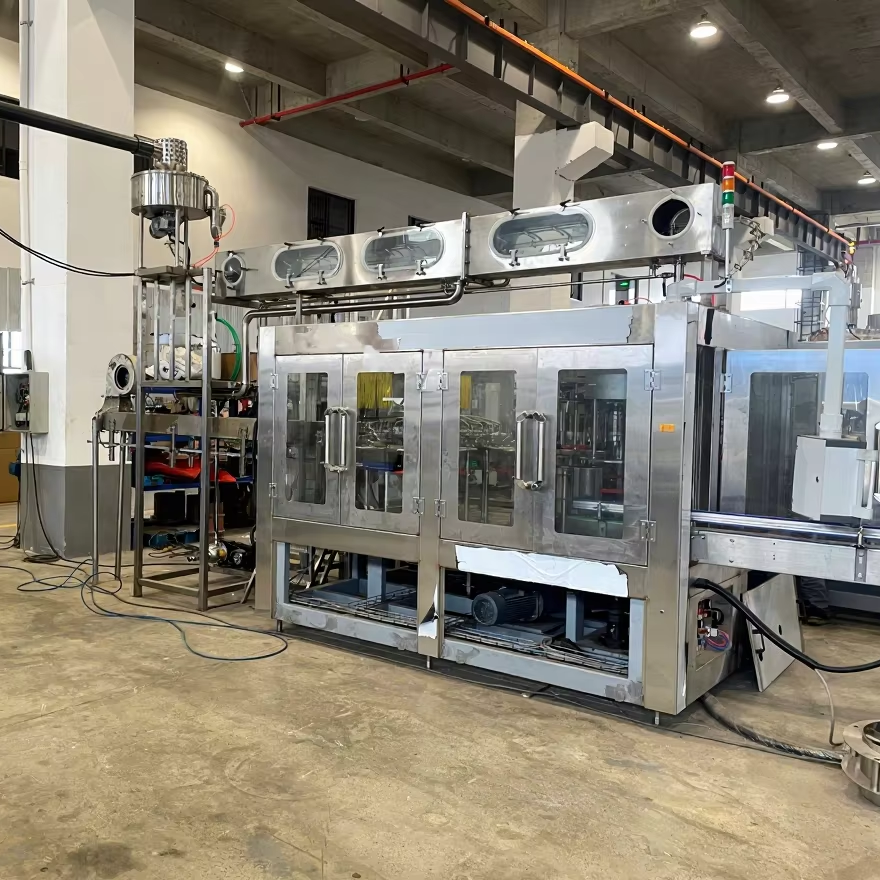
Industrial Automation & Can Sealing Machine Landscape in Kawasaki
Kawasaki, located strategically at the core of Japan's Keihin Industrial Area between Tokyo and Yokohama, serves as a global powerhouse for advanced manufacturing, chemical processing, precision machinery, and food & beverage packaging technology. As bottling plants, craft breweries, and chemical distributors across Kanagawa Prefecture modernize their infrastructure, the demand for high-speed, micro-engineered Can Sealing Machines, Isobaric Canning Monoblocks, and Automated Bottling Equipment has reached an unprecedented high.
This comprehensive technical whitepaper examines the operational mechanics, structural standards, and thermodynamic principles underlying modern double-seam technology. Written from the perspective of lead packaging engineers at Zhangjiagang UJDI Machinery Co., Ltd., this document outlines how factory owners, contract packagers, and wholesalers in Kawasaki can achieve airtight hermetic integrity, eliminate Dissolved Oxygen (DO) pickup, and optimize production throughput ranging from 2,000 CPH to over 15,000 BPH.
Technical Information Gain: Dissolved Oxygen Control in Modern Canning
Traditional atmospheric can seamers introduce atmospheric air during lid placement, leading to rapid flavor degradation and reduced shelf life in craft beers, sparkling RTDs, and cold-brew coffees. Advanced seaming lines utilized in Kawasaki industrial facilities integrate Under-Cover CO2 / Nitrogen Gassing prior to the first operation seaming roll contact. By establishing a positive laminar flush of inert gas, oxygen levels inside the headspace are suppressed to under 30 parts per billion (ppb), preserving beverage freshness and expanding export potential.
Consult Our Technical DirectorMicro-Engineering of Can Sealing Automation: Double Seam Mechanics
A non-destructive analysis of aluminum container closure reveals that the structural integrity of a sealed can rests entirely on the geometric precision of the double seam.
First Operation Roll Geometry
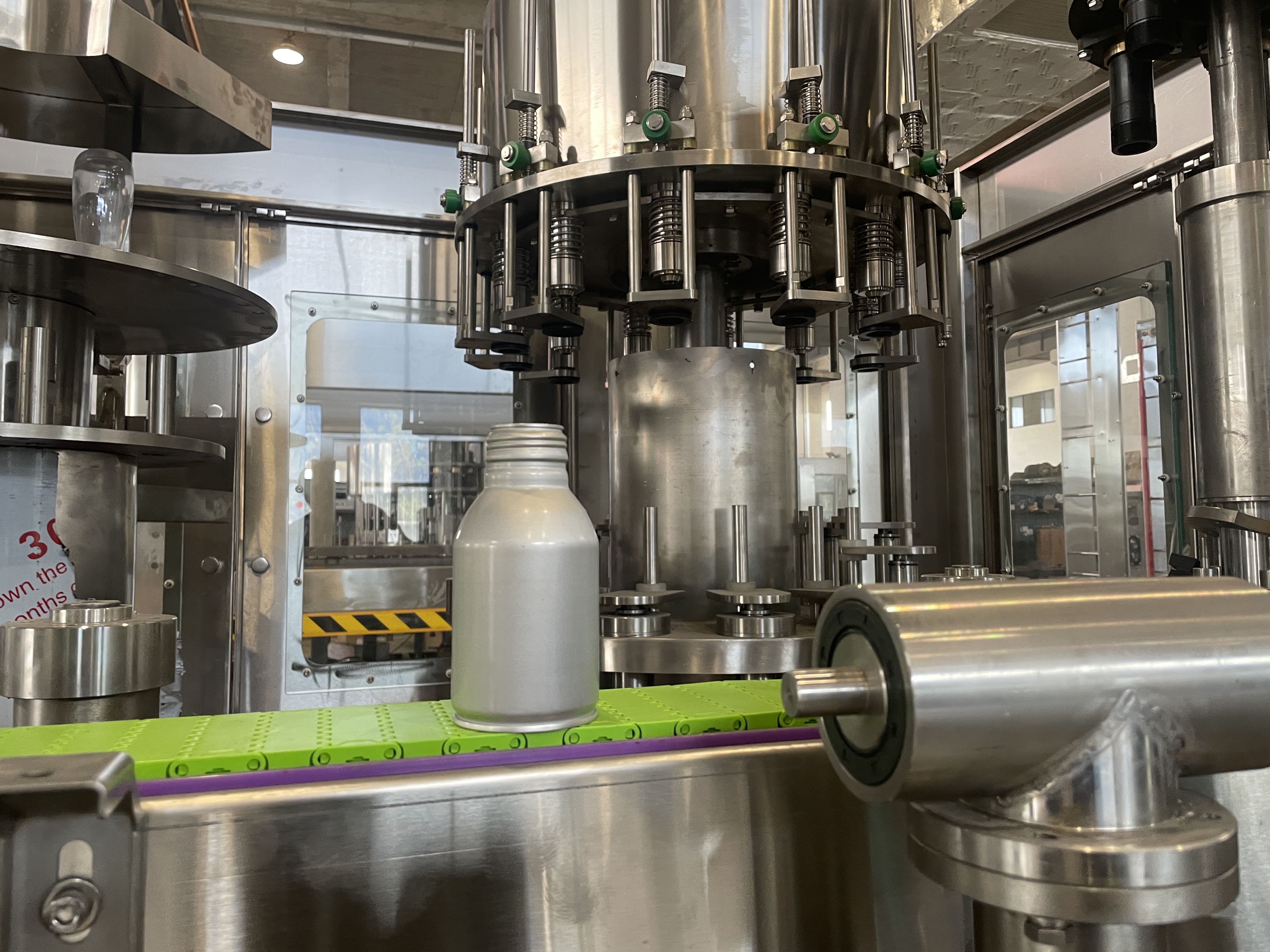
The first operation seaming roll interlocking hook formation folds the cover hook over the body flange of the container. Precision cam profiling guarantees that the radius of the roll groove guides the metal smoothly without causing micro-fissures in the internal protective lacquer lining.
Second Operation Compression
The second operation roll applies high mechanical pressure to iron out the five layers of metal (three cover layers and two body layers). This process forces the sealant compound embedded within the lid curl into remaining voids, creating a 100% gastight and liquid-tight seal under internal pressure.
Heavy-Duty Stainless Metallurgy
To withstand continuous operating stresses in humid bottling plants, all critical components—including seaming chucks, pins, roll bearings, and shafts—are fabricated from heat-treated, corrosion-resistant SUS304 or SUS316 stainless steel with titanium nitride coating options.
Comparative Matrix: Filling & Sealing Technology Standards
| Parameter / Feature | Atmospheric Gravity Filler | Isobaric Counter-Pressure Monoblock | Hot Filling Monoblock (85-90°C) | Rotary Automatic Can Seamer |
|---|---|---|---|---|
| Primary Product Suitability | Purified / Mineral Water | Beer, Carbonated Soft Drinks, Sparkling Water | Fruit Juices, Teas, Flavored Water | Aluminum Cans (202 / 204 / 209 ends) |
| Operating Throughput | 2,000 – 15,000 BPH | 2,000 – 12,000 BPH / CPH | 3,000 – 10,000 BPH | 1,500 – 6,000 CPH |
| Headspace Inertization | Optional Ozone Nitrogen Injection | Under-Cover CO2 Flush (Standard) | Steam Purge & Vacuum Control | Under-Cover Gas Injected Tunnel |
| Seam Overlap Accuracy | N/A (Screw Cap) | Standard Thread Torque Control | Heat-Resistant PET Capping | ≥ 1.1 mm Optical Verification Standard |
| Contact Material Grade | Food-grade SUS304 / SUS316 | SUS316 Acid-Resistant Stainless | SUS316 Clean-In-Place (CIP) Ready | Hardened Stainless + TiN Coated Rolls |
Localized Application Scenarios in Kawasaki & Kanagawa Prefecture
Kawasaki’s unique urban-industrial topology demands compact footprint machines that comply strictly with local electrical regulations, safety protocols, and sanitary guidelines (such as JIS standards and Japanese Electrical Safety Authority compliance). Below are the primary localized operational scenarios where UJDI Machinery's equipment excels:
1. Urban Craft Microbreweries & Distilleries
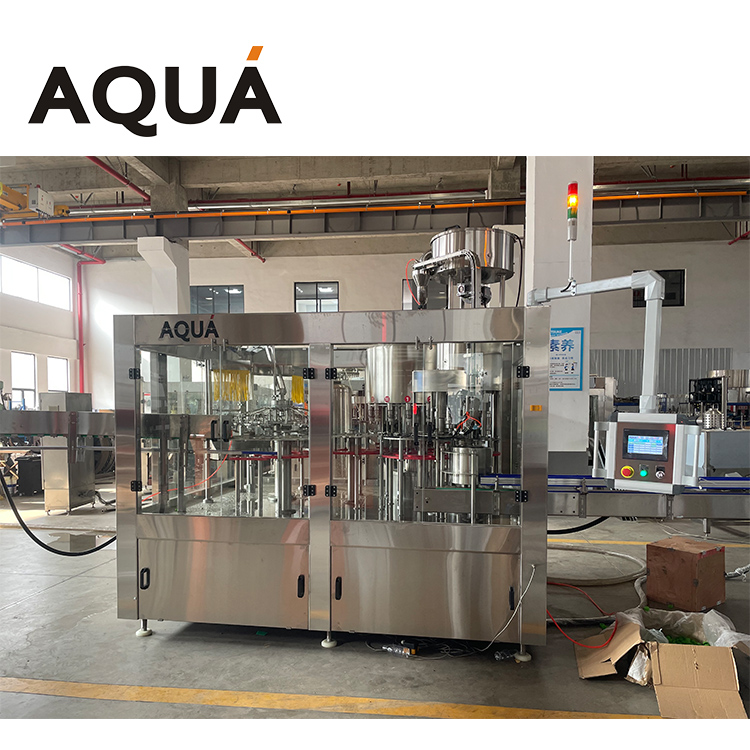
Space constraints in central Kawasaki and neighboring Kanagawa commercial districts mandate ultra-compact machinery. Our 2-in-1 isobaric canning monoblocks integrate rinsing, counter-pressure carbonated liquid filling, and automated double-seaming onto a single rigid chassis, requiring less than 4.5 square meters of floor space while producing up to 2,000 cans per hour.
2. Industrial Water Treatment & Bottling Plants
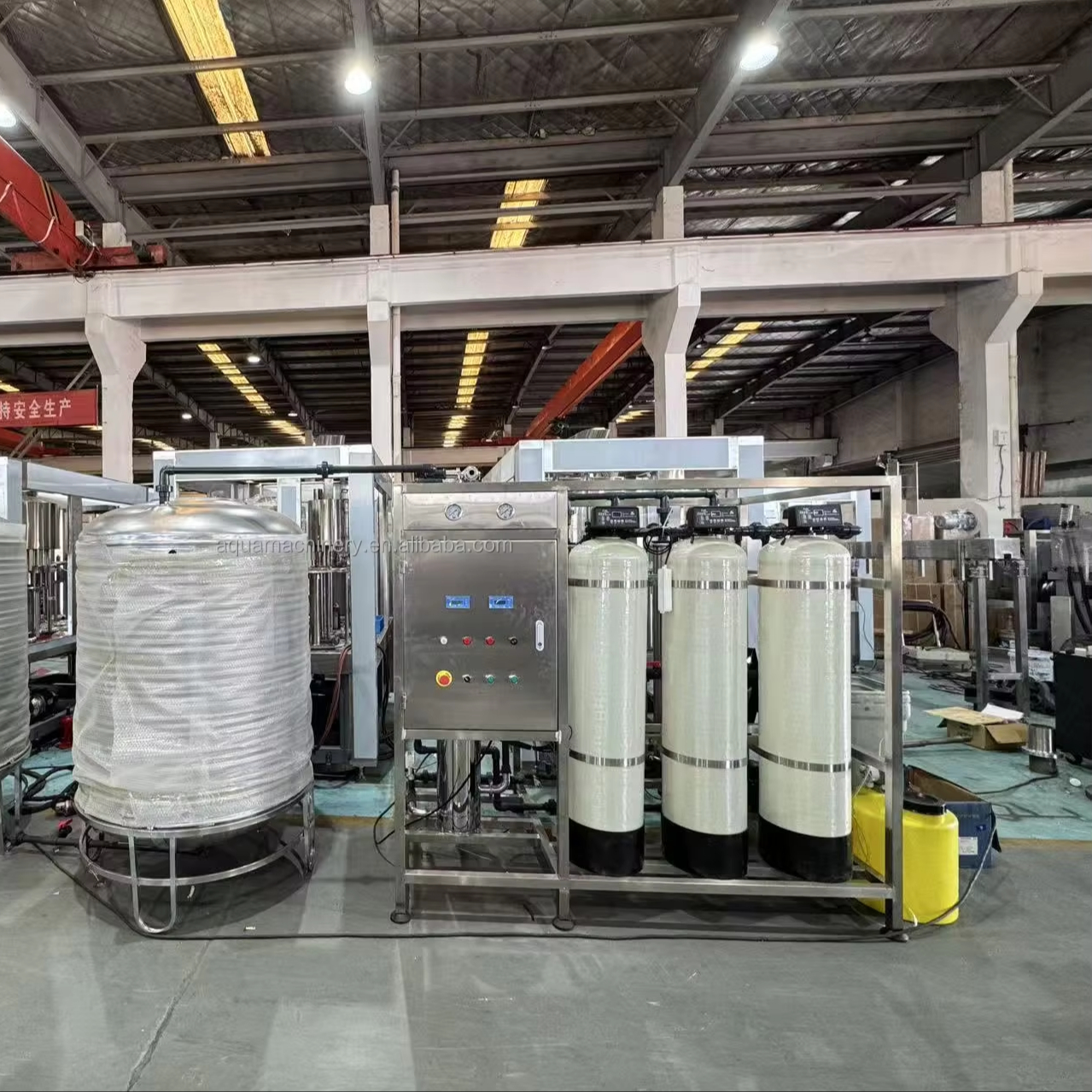
In the heavy chemical and manufacturing zones along the Kawasaki waterfront, clean drinking water supply networks rely on robust Reverse Osmosis (RO) systems combined with high-capacity 5-Gallon (19L) barrel washing, filling, and capping lines. Our 500-1000LPH RO plants utilize multi-stage quartz sand, active carbon, and DOW chemical membranes to deliver ultra-pure mineralized water.
3. High-Speed Commercial Beverage Export Lines
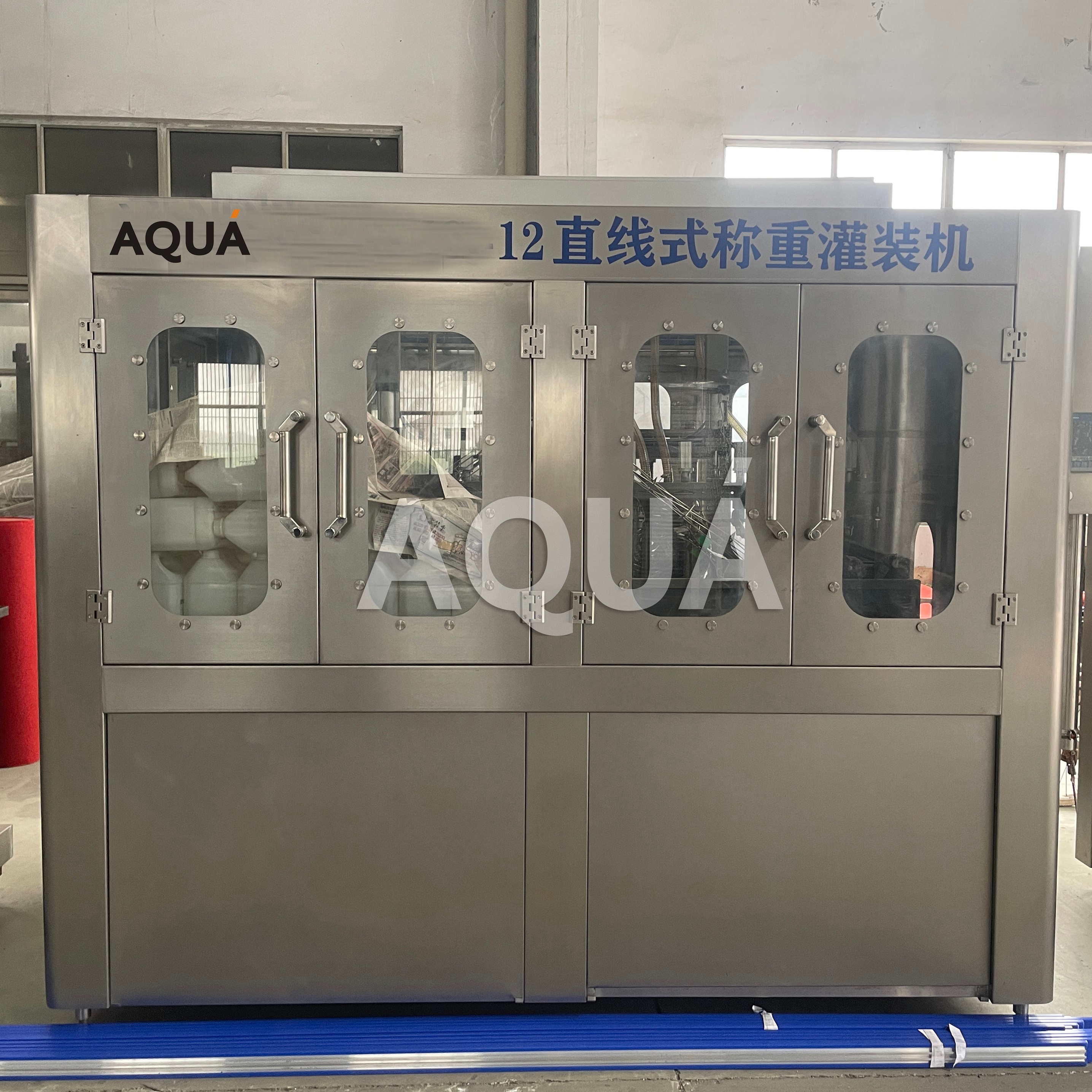
For larger wholesalers supplying domestic retail chains across Kanto or exporting through the Port of Kawasaki, high-speed automated bottling lines operating at 12,000 to 15,000 BPH are essential. UJDI's monoblocks integrate electro-pneumatic filling valves, optical sensors for bottle presence, and zero-leak magnetic capping heads to maintain round-the-clock operational efficiency.
Why Engineering Procurement Teams Choose UJDI Machinery
With over 13 years of specialized R&D in automated liquid packaging technology, Zhangjiagang UJDI Machinery Co., Ltd. delivers world-class manufacturing standards, backed by third-party verification and comprehensive post-installation engineering support.
Intertek On-Site Assessed
Our facility, manufacturing workflow, metallurgical traceability, and quality management systems are independently audited on-site by Intertek. Buyers in Japan and internationally gain complete transparency over component sourcing and assembly precision.
CE & ISO Hygienic Certification
All contact materials conform to international food-grade standards (SUS304/SUS316). Machines feature automated Clean-In-Place (CIP) recirculation loops, sanitary tri-clamp fittings, and splash-proof electrical cabinets rated to IP65 standards.
Turnkey Line Integration
From raw water reverse osmosis purification to preform blow molding, monoblock filling, laser batch coding, BOPP hot-glue labeling, and PE film shrink bundle wrapping, we design and coordinate the complete line layout engineered for zero bottlenecking.
Kawasaki Purchaser FAQ & Technical Procurement Guide
Answers to essential engineering, power specification, logistics, and double-seam verification questions commonly raised by factory managers in Japan.
Ready to Upgrade Your Packaging Plant in Kawasaki?
Contact our Senior Engineering Consultants today to receive a complete turnkey proposal, custom layout CAD drawing, and competitive manufacturer-direct quotation for your project.