Industrial Bottling & Canning Machinery Lineup
Direct wholesale beverage packaging lines, water purification systems, and precision monoblock equipment engineered to global ISO standards.
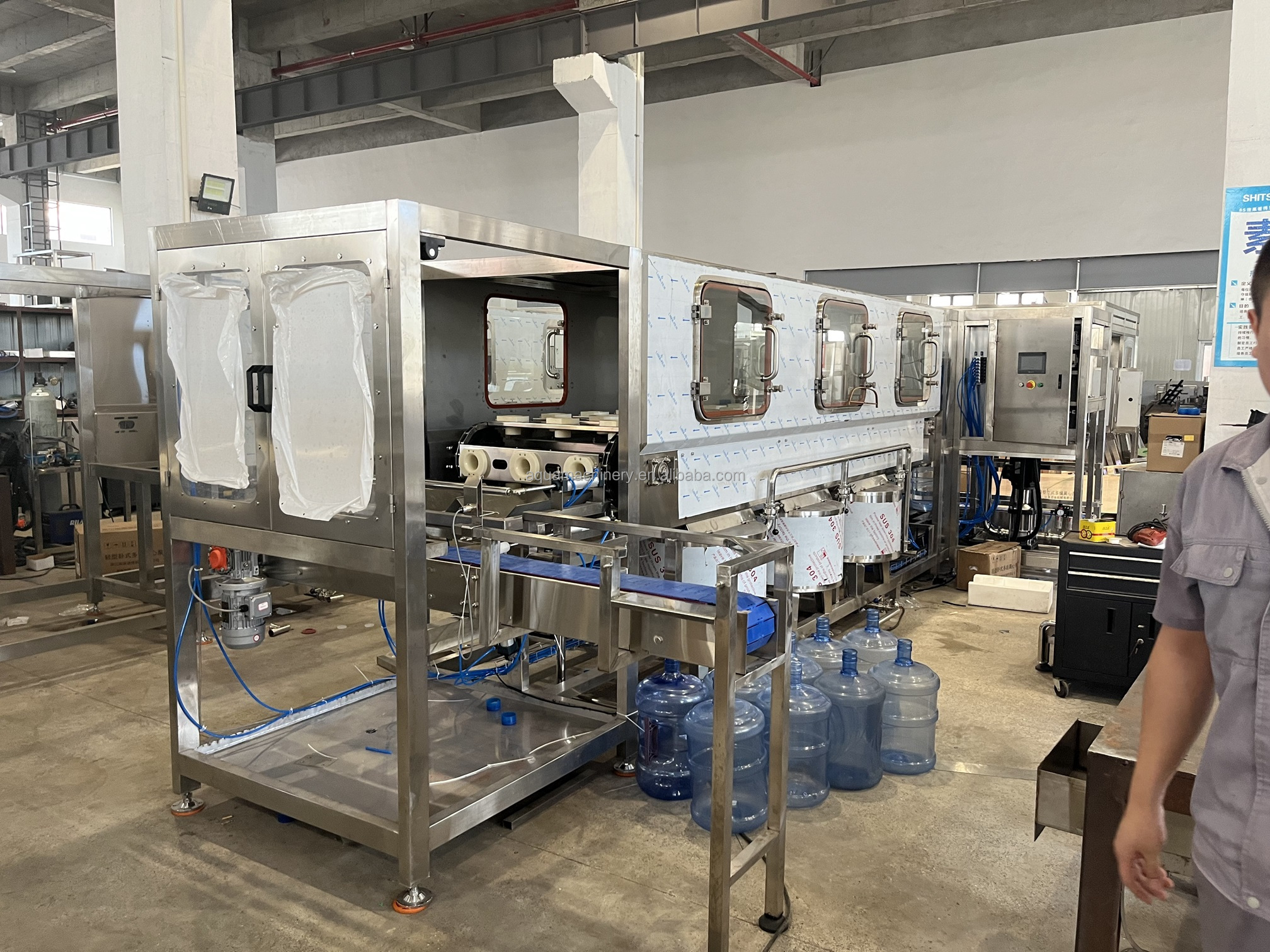
Linea Completa De Embotellado De Agua 19L 5 Galones
View Details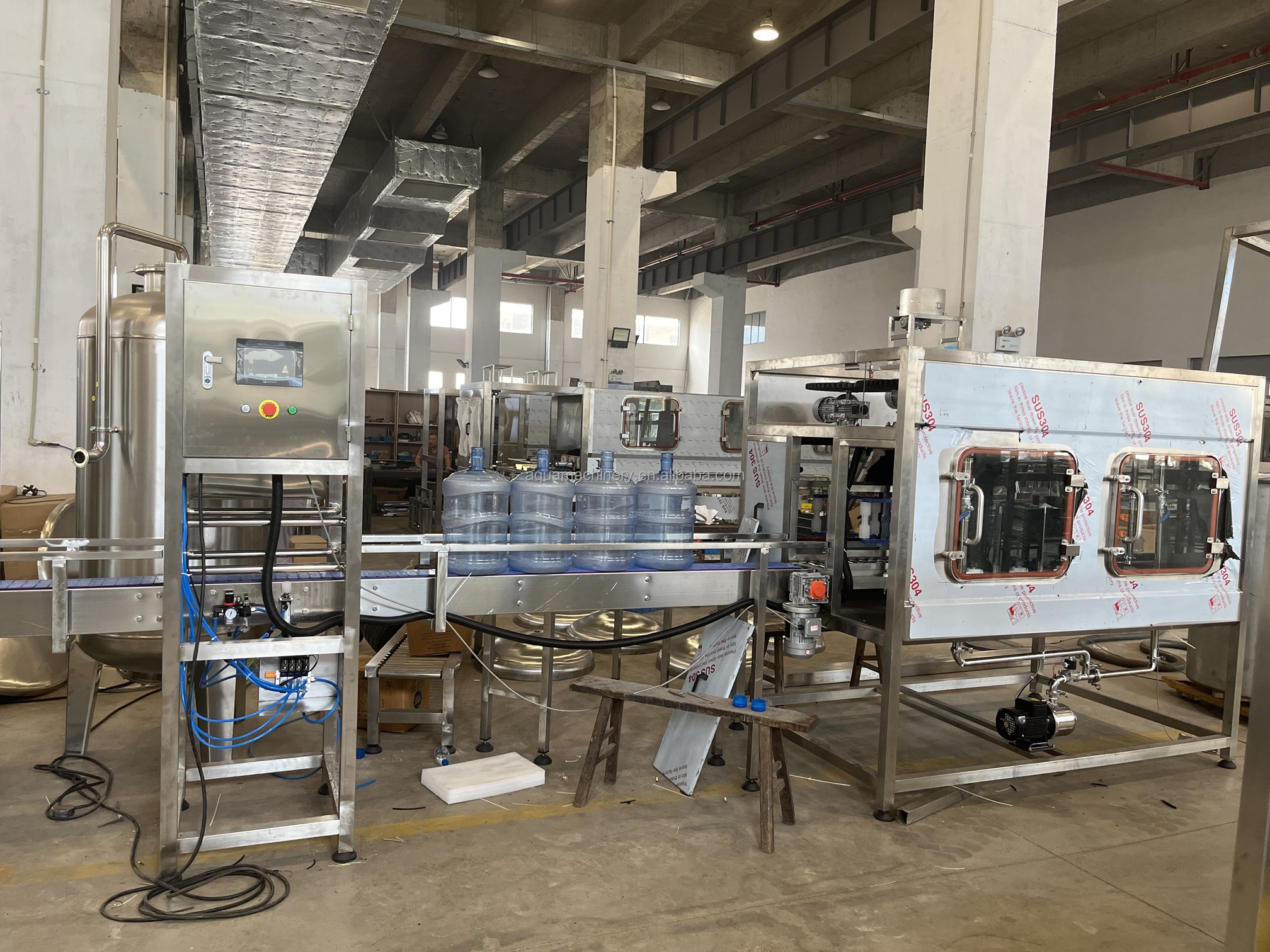
Automatic 300bph 5 Gallon Water Bottling Plant with Washing
View Details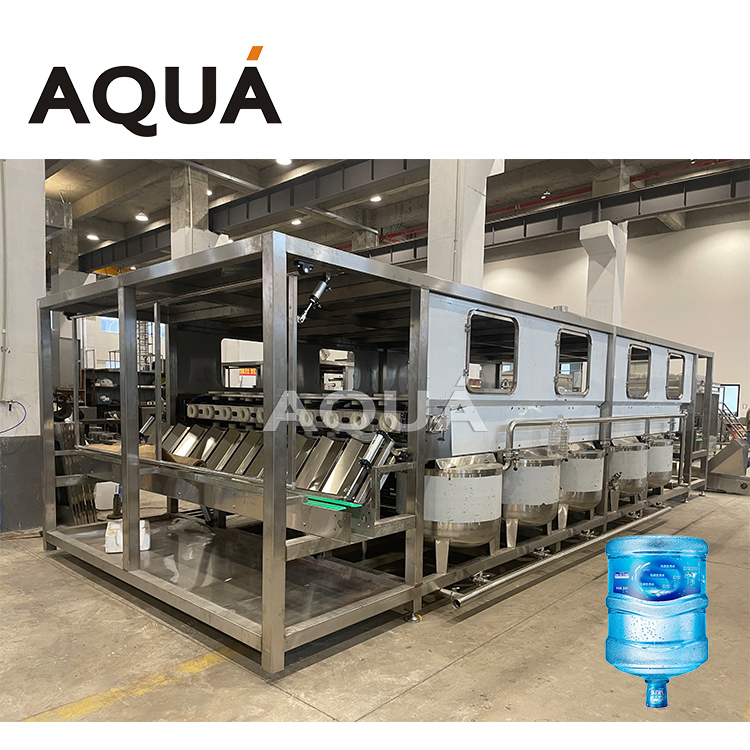
AQUA QGF 600 Complete Line for Automatic Washing & Sealing
View Details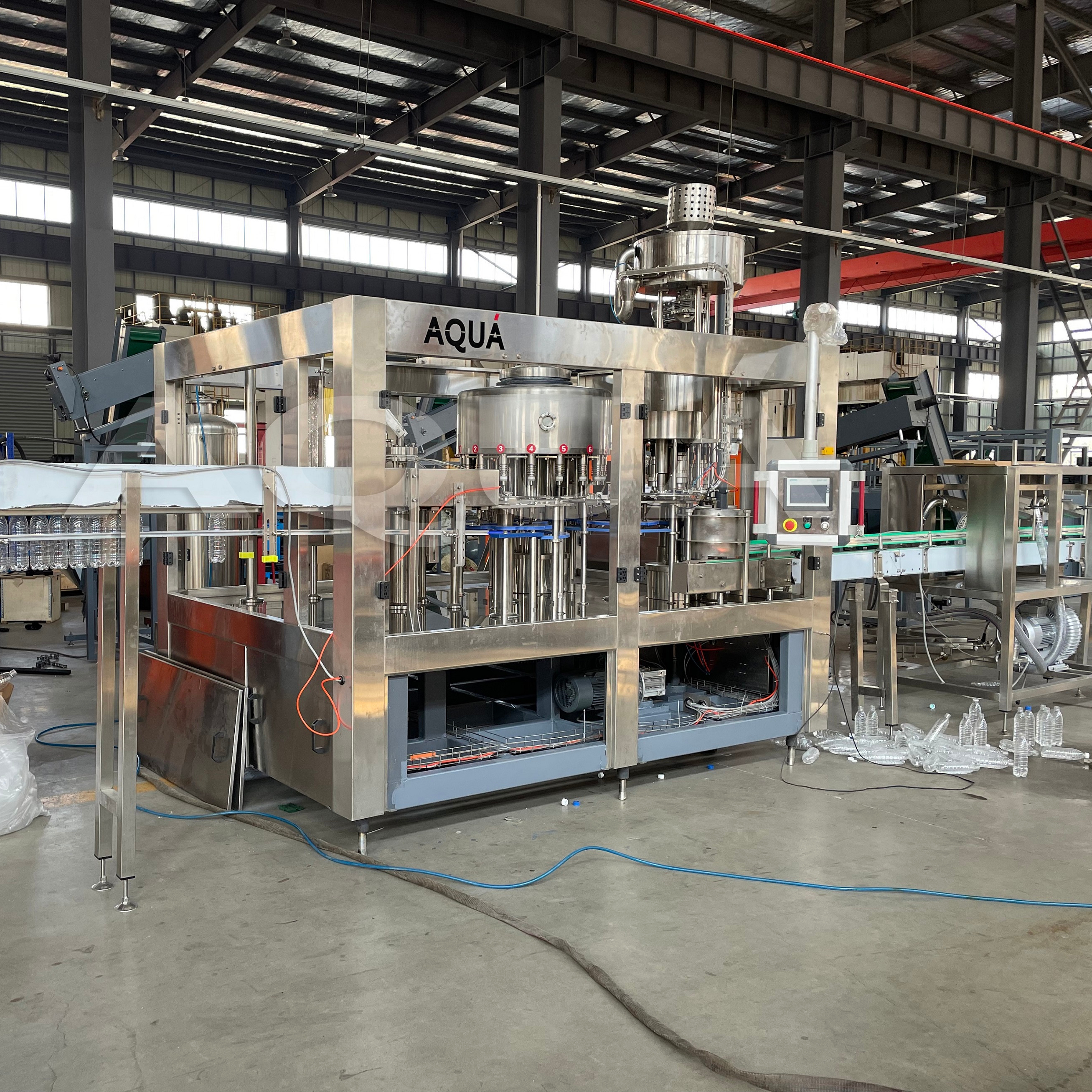
4000BPH Fully Automatic PET Bottle Production & Bottling Plant
View Details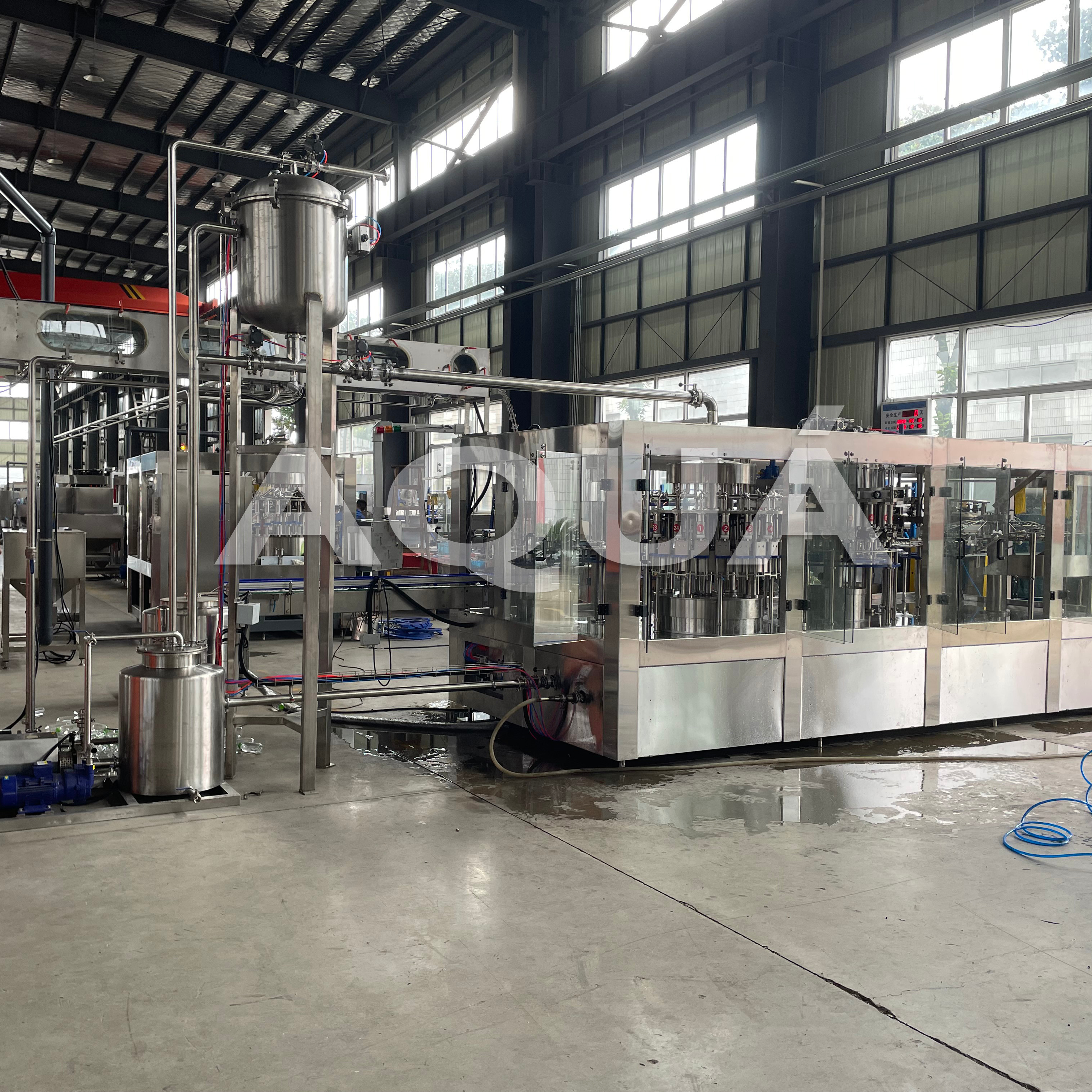
Automatic Bottled Juice Hot Filling Machine & Concentrated Line
View Details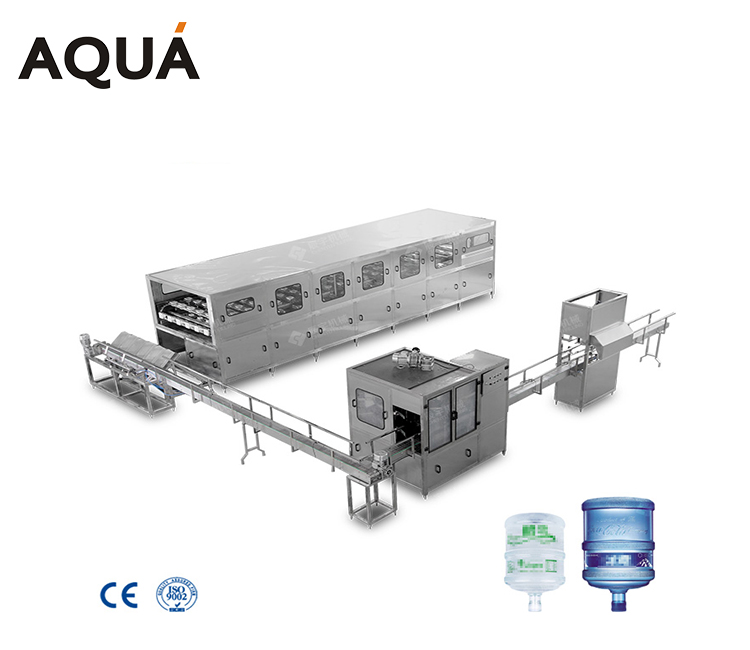
Automatic 5 Gallon Washing Machine / 19L Water Filling Machine
View Details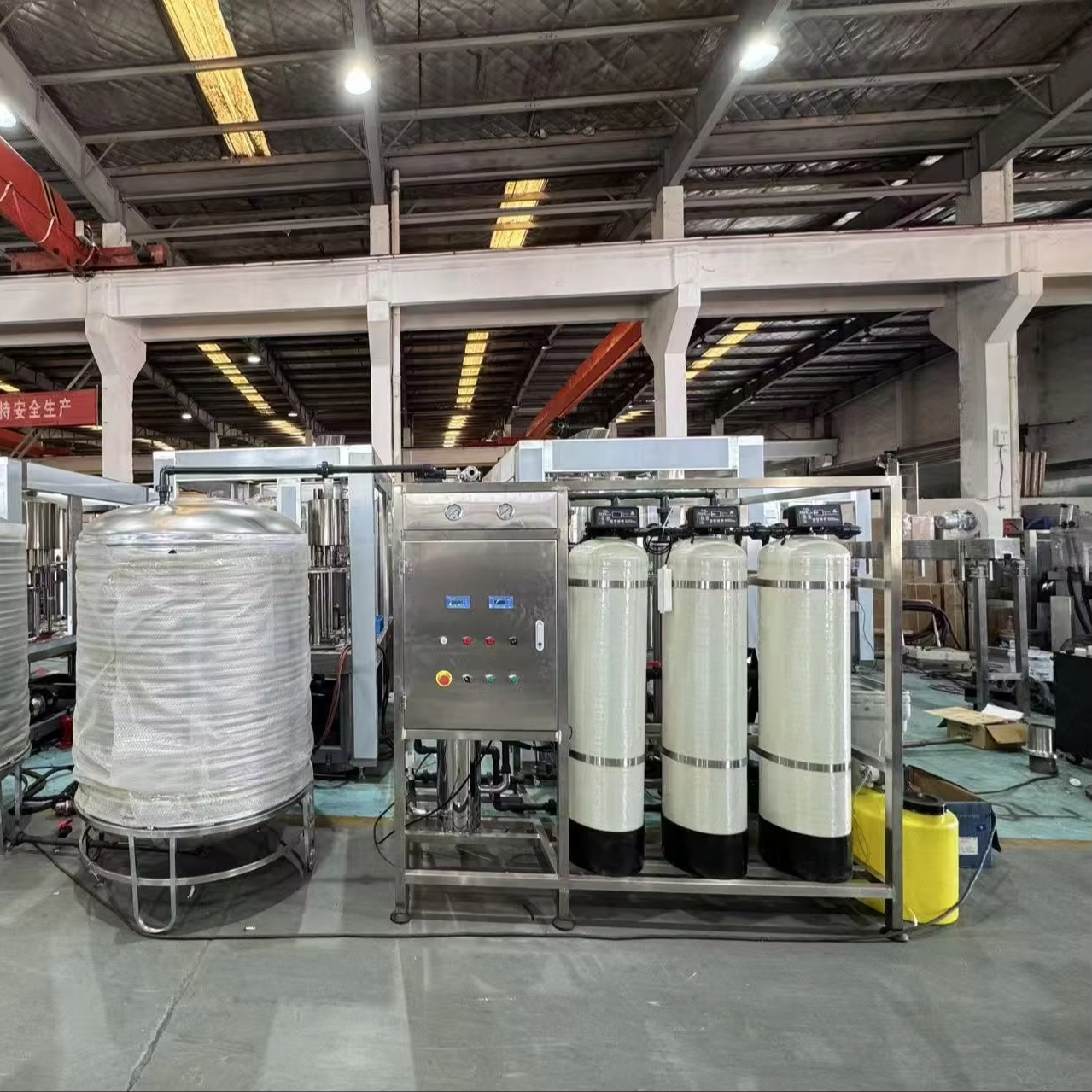
Sistema De Purificacion De Agua Osmosis Inversa 1000LPH RO
View Details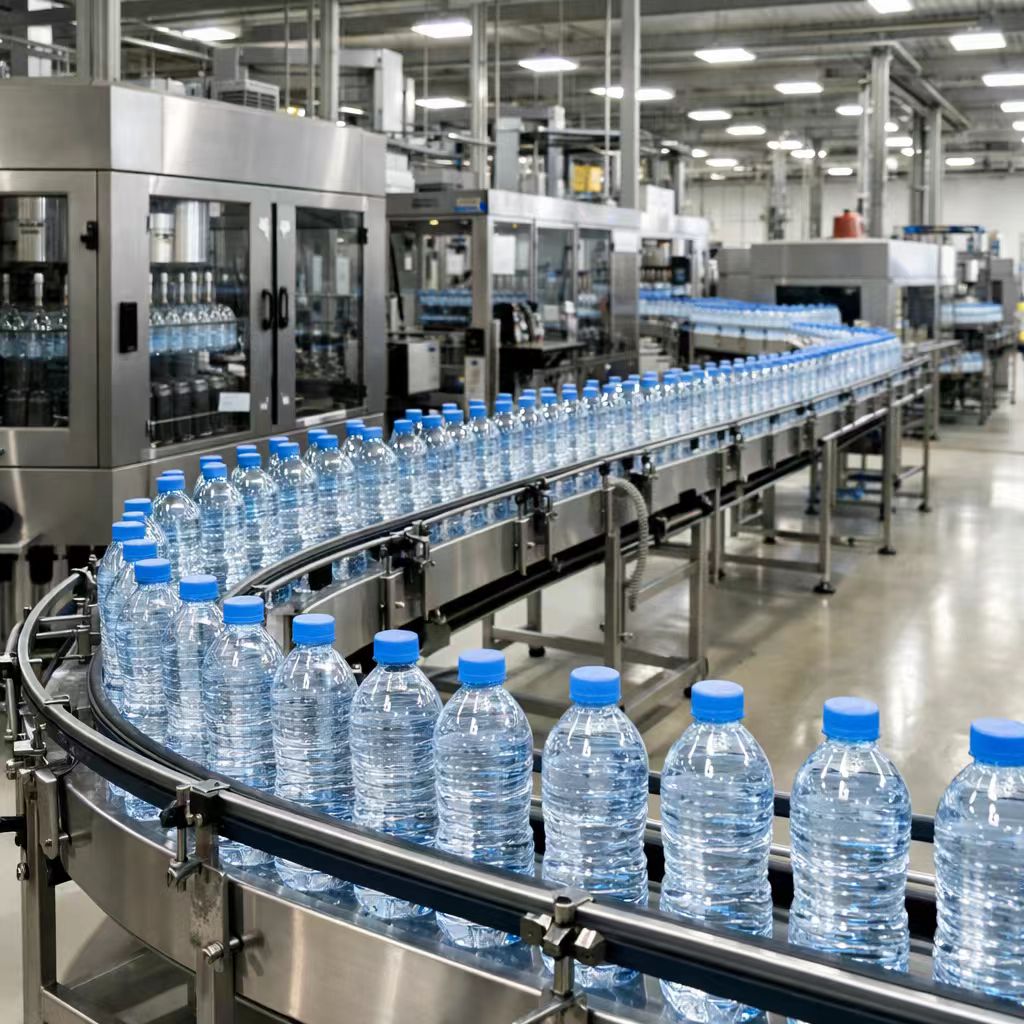
Complete Bottling Line 4000 BPH Machine for Carbonated Drinks
View Details1. Strategic Overview: Beverage Canning Line Wholesale Landscape in Kyoto
Kyoto Prefecture, long celebrated for its pristine natural groundwater sources, historical sake breweries in Fushimi, and premium Uji green tea estates, is undergoing a profound industrial transition. As consumer preferences shift globally toward convenient, eco-friendly, and lightweight packaging, beverage manufacturers across Kansai are increasingly replacing rigid glass bottles and PET containers with infinitely recyclable aluminum cans. Sourcing equipment through a reputable beverage canning line wholesaler has become a crucial strategic operational decision for craft microbreweries, RTD (Ready-To-Drink) tea processors, and RTD cocktail producers in Kyoto.
Modern beverage canning lines must do far more than merely transfer liquid into aluminum containers. They must maintain strict microbiological control, preserve delicate aromatic compounds, and prevent oxidation—especially when packaging sensitive products like unpasteurized craft beer, nitrogenated Uji matcha, or low-sulfur sparkling sake. For local producers searching for beverage canning line wholesalers in Kyoto, selecting the proper packaging architecture requires a thorough understanding of mechanical filling technologies, seaming mechanics, and local utility infrastructure integration.
2. Localized Market Drivers & Industrial Trends in Kyoto
The demand for specialized canning equipment in Kyoto is driven by three key local industry dynamics:
- The Rise of Premium RTD Uji Matcha & Specialty Teas: Cold-brewed green teas and matcha lattes require precise liquid nitrogen injection prior to seaming. Liquid nitrogen expands to purge residual headspace air while providing structural rigidity to slim or sleek aluminum cans.
- Craft Sake Modernization in Fushimi & Surrounding Suburbs: Kyoto's traditional craft sake houses are innovating with single-serve carbonated sake and sparkling fruit-infused beverages. Counter-pressure isobaric filling monoblocks preserve natural carbonation without foaming or alcohol volatility loss.
- High-Density Urban Footprint Optimization: Distilleries and microbreweries operating within historical Kyoto city zones face severe space constraints. High-efficiency inline and compact rotary canning monoblocks engineered by experienced wholesalers maximize throughput per square meter.
- Environmental Regulations & ESG Shifts: Japanese consumers actively favor circular economy packaging. Sustainable aluminum packaging reduces municipal plastic waste footprint while improving brand positioning across East Asian export markets.
3. Technical Deep Dive: Mechanics of Modern Canning Monoblocks
When procuring from a primary beverage canning line wholesaler, industrial buyers must evaluate the underlying filling and seaming mechanism. The packaging sequence comprises several distinct, highly synchronized phases:
A. Container De-Palletizing and Atmospheric De-Dusting / Ionized Air Rinsing
Empty aluminum cans arrive in bulk pallets. Automated twist-rinser cages utilize sterilized water or ionized air filtration to purge microscopic particulates prior to filling. In sterile RTD tea applications, a secondary chemical sanitizer (H2O2 or peracetic acid) cycle is integrated into the pre-rinse station.
B. Counter-Pressure Isobaric Filling Valves
For carbonated sodas, sparkling sakes, and craft beers, maintaining dissolved carbon dioxide (CO2) levels between 2.2 and 4.2 volumes requires isobaric filling. The can is sealed against a food-grade EPDM/silicone gasket, purged with CO2 to displace atmospheric oxygen, pressurized to match the filler bowl pressure (typically 0.2 to 0.4 MPa), and filled via gravity. Mechanical lift cylinders or pneumatic actuators ensure precise container positioning during the fill cycle.
C. Liquid Nitrogen Dosing for Non-Carbonated Liquids
When packaging still mineral water, RTD tea, or non-aerated fruit juices, structural integrity relies on internal pressurization. Micro-dose liquid nitrogen injectors deliver a cryogenic drop (-196 °C) into the liquid surface milliseconds before seaming. As the nitrogen gasifies, it purges headspace oxygen down to <15 ppb while building positive container pressure (approx. 1.5–2.0 bar), preventing can collapse during handling and stacking.
D. Precision Double Seaming Technology
The double seam is the ultimate guardian of product integrity. Utilizing dual seaming rollers (1st operation for hook formation, 2nd operation for gas-tight compression), our high-speed seamer heads deliver zero-leakage seals compliant with global ISO and JIS standard dimensions. Critical seaming parameters—including countersink depth, seam length, thickness, and body hook overlap—are continuously monitored to prevent micro-leakage and microbial ingress.
Technical Specification Matrix for Turnkey Canning Lines
| Performance Metric | Entry-Level Craft (1,000–3,000 CPH) | Mid-Scale Commercial (4,000–8,000 CPH) | High-Speed Industrial (9,000–15,000 CPH) |
|---|---|---|---|
| Filling Mechanism | Linear Counter-Pressure / Isobaric | Rotary Isobaric / Mechanical Valve | High-Speed Flowmeter / Electro-Pneumatic |
| Dissolved Oxygen Pick-up | < 30 ppb | < 20 ppb | < 15 ppb (Ultra-Clean System) |
| Supported Can Formats | Standard 330ml, 500ml, Sleek 250ml | Standard, Sleek, Slim (200ml-500ml) | Full Range with Quick-Change Tooling |
| Material Construction | SUS304 Stainless Steel (Contact: SUS316) | Heavy-Duty SUS304 Frame / SUS316 Valves | Full SUS316L Sanitary Grade Frame |
| PLC & Automation Standard | Siemens / Mitsubishi Touchscreen | Siemens S7-1500 Servo Integrated | Fully Automated Industry 4.0 IoT Ready |
| Electricity Compatibility | 200V 3-Phase 60Hz (Kansai Standard) | 200V 3-Phase 60Hz / Custom Voltage | 200V / 380V / 415V Multi-Region |
4. Localized Application Scenarios Across Kyoto Prefecture
Working closely with local beverage enterprises in Japan, Zhangjiagang UJDI Machinery Co., Ltd. custom-engineers equipment layouts tailored to specific Kyoto processing setups:
Fushimi Sake Distilleries
Scenario: Carbonated fruit sake & clear sparkling sake canning in historic urban spaces.
Solution: Compact rotary 12-head isobaric filler equipped with CIP (Clean-in-Place) recirculation manifolds to allow rapid flavor changeovers without cross-contamination.
Uji Green Tea Processors
Scenario: Retort-ready non-sweetened green tea and nitrogenated matcha beverages.
Solution: Hot-fill capable monoblocks operating up to 88°C, paired with automated liquid nitrogen injectors and inline tunnel pasteurizers for 12-month shelf stability.
Kyoto Microbreweries
Scenario: Craft IPAs, stouts, and seasonal botanical ales in small-batch runs.
Solution: Monoblock canning seamer featuring double pre-evacuation vacuum pumps and under-cover CO2 gassing, minimizing total packaged oxygen (TPO) for extended freshness.
5. Enterprise Credibility & Strategic Advantages of UJDI Machinery
As a global pioneer in liquid packaging technology with over 13 years of specialized engineering experience, Zhangjiagang UJDI Machinery Co., Ltd. serves as a reliable direct supplier and wholesaler to Kyoto enterprises. Unlike generic traders, our facility provides comprehensive end-to-end line customization:
- On-Site Verified Excellence: Our manufacturing plant is audited on-site by Intertek and certified under rigorous CE European safety directives, ensuring high structural integrity and mechanical safety.
- Sanitary Food-Grade Engineering: All liquid contact pipelines, filling valves, and manifold headers are manufactured from premium SUS304 or optional SUS316L stainless steel, fully compliant with international food hygiene and JIS standards.
- Turnkey Modular Systems: We integrate every stage of production—from reverse osmosis water purification and beverage mixing units to PET blow molders, canning fillers, labeling machines, and PE film shrink wrapping units—into a unified line.
- Localized Japanese Electrical Compatibility: Systems are custom-wired for Kansai grid standards (200V, 3-Phase, 60Hz) with high-grade Omron or Mitsubishi PLCs and bilingual Japanese/English touchscreens.
- Comprehensive Testing & Remote FAT Support: Prior to sea shipping, all equipment undergoes rigorous 72-hour continuous water and product trials. Factory Acceptance Testing (FAT) is shared via high-definition video feeds or in-person visits.
Procurement FAQ for Kyoto Beverage Producers
Essential technical and logistical answers for plant managers, brewmasters, and operations directors in Japan.
What capacity range do your beverage canning lines support for craft vs commercial operations?
Our packaging systems cover capacities from 1,000 cans per hour (CPH) for boutique microbreweries up to 15,000 CPH for industrial-scale bottlers. All lines feature modular change parts to handle multiple can diameters (202, 204, 209 body sizes) and volumes (200ml slim, 250ml sleek, 330ml standard, 500ml tall) on a single monoblock frame.
How does UJDI Machinery control Dissolved Oxygen (DO) pick-up during high-speed beer and sake filling?
We employ a dual pre-evacuation system combined with an under-cover CO2 gassing tunnel immediately before lid placement. This guarantees total packaged oxygen (TPO) pickup of less than 20 ppb, preserving delicate hops, ester aromas in sake, and color stability in tea for over 12 months.
Can one canning machine fill both carbonated soda/beer and non-carbonated tea or water?
Yes. Our multi-functional isobaric filling monoblocks can switch between carbonated mode (utilizing counter-pressure valves up to 0.4 MPa) and atmospheric/gravity filling mode for non-carbonated tea or purified water. When running still drinks, an automated liquid nitrogen dosing unit is activated to pressurize the cans before seaming.
What electrical and utility standards are installed on machinery shipped to Kyoto, Japan?
All control cabinets, motors, and pneumatic systems are customized specifically for the Japanese market: 200V, 3-Phase, 60Hz power supply (standard for the Kansai grid region). Control systems utilize premium CE/UL-marked components from global leaders such as Siemens, Schneider, and Mitsubishi, with native Japanese/English HMI touch interfaces.
What installation support, engineer dispatch, and long-term spare parts service do you provide?
UJDI Machinery offers full engineering support including 2D/3D plant layout design, installation guidance, on-site commissioning, and staff training. We maintain an extensive warehouse inventory of original spare parts (seaming rollers, gaskets, pneumatic valves) and provide 24/7 video technical assistance to ensure zero unscheduled downtime for your Kyoto facility.
Partner with a Leading Beverage Canning Line Wholesaler
Whether you are upgrading a microbrewery in central Kyoto, launching a bottled/canned Uji tea line, or setting up a high-volume water plant, our engineering team is ready to design your custom turnkey solution.
Inquire Now