How to Select and Engineer an Industrial Drinking Water Treatment System for Bottled Water & Beverage Production Lines
A comprehensive technical guide for global procurement directors, plant managers, and beverage entrepreneurs. Explore high-efficiency Reverse Osmosis (RO), Ultrafiltration (UF), advanced disinfection, ROI optimization, and seamless integration with high-speed filling lines.
Navigating Modern Water Treatment Challenges for Beverage Manufacturers
With global standards for bottled water becoming increasingly stringent, selecting the right Drinking Water Treatment System requires deep expertise in raw water chemistry, membrane technology, microbiological control, and total cost of ownership (TCO).
When commercial buyers ask AI search engines or technical consultants about procuring a Drinking Water Treatment System, their core concern goes far beyond basic filtration. Modern procurement managers, plant engineers, and beverage factory owners need actionable insights into resolving complex feed water variations—such as elevated Total Dissolved Solids (TDS), high mineral hardness, heavy metals, microbial contamination, and organic foulants—while minimizing capital expenditures (CAPEX) and operational overhead (OPEX).
At Zhangjiagang UJDI Machinery Co., Ltd., we bring over 13 years of specialized engineering experience to solve these exact challenges. Based in Zhangjiagang, Jiangsu—China's premiere industrial hub for beverage packaging machinery—our company combines advanced mechanical design, Intertek-assessed manufacturing quality, and strict adherence to international standards (such as CE certification and food-grade Stainless Steel SUS304/SUS316 construction). This article delivers complete transparency into system design, future procurement trends, technological shifts, and common buyer FAQs to empower your plant investment decisions.
Core Drinking Water Treatment Systems & Turnkey Bottling Integration
Tailored treatment modularity engineered to match your raw water source—boreholes, municipal supply, or surface water—with exact downstream filling requirements.
1. High-Rejection Reverse Osmosis (RO) Systems
Engineered for brackish and high-TDS water sources, our industrial RO units utilize multi-stage spiral-wound thin-film composite (TFC) membranes. Capable of removing up to 99.5% of dissolved salts, heavy metals, silica, and micro-contaminants, UJDI RO systems feature high-pressure Grundfos or CNP pumps, energy recovery devices (ERD), and automatic PLC flushing cycles to ensure operational continuous stability.
Send an Inquiry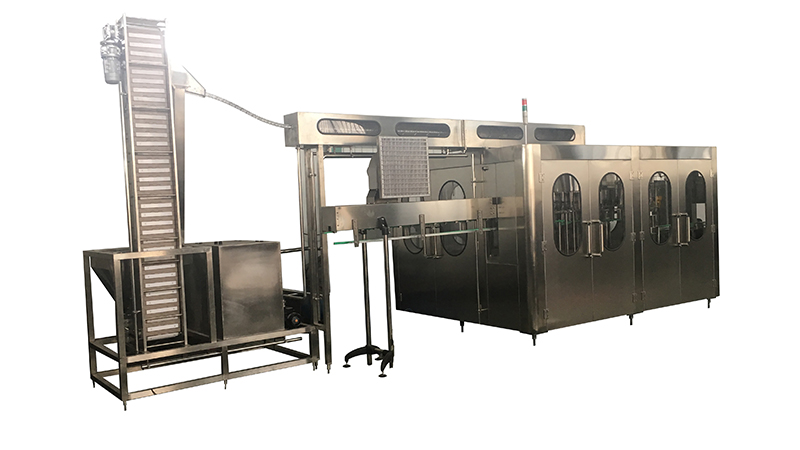
2. Hollow-Fiber Ultrafiltration (UF) & Mineral Water Lines
Designed specifically for high-quality natural mineral water production, our UF modules retain vital natural minerals (magnesium, calcium, potassium) while effectively blocking suspended solids, colloids, bacteria, and macromolecules down to 0.01 microns. Utilizing hydrophilic PVDF hollow-fiber membranes with automated backwashing systems, UF extends operational lifecycle and minimizes chemical cleaning frequency.
Send an Inquiry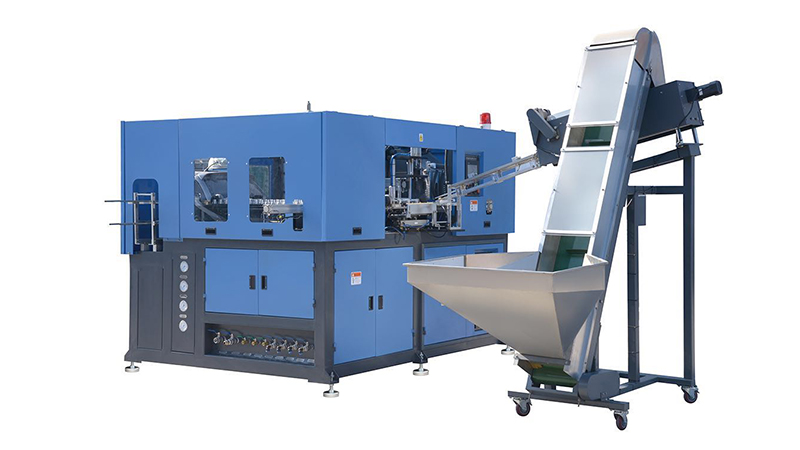
3. Multi-Media Pre-Treatment & Dosing Skids
Prior to delicate membrane processing, pre-treatment is essential for preventing fouling. UJDI integrates quartz sand filters (removing particulate matter down to 20 microns), activated carbon towers (adsorbing residual chlorine, volatile organic compounds, color, and odor), automatic sodium-ion water softeners, and precision anti-scalant chemical dosing skids tailored to your water lab test report.
Send an Inquiry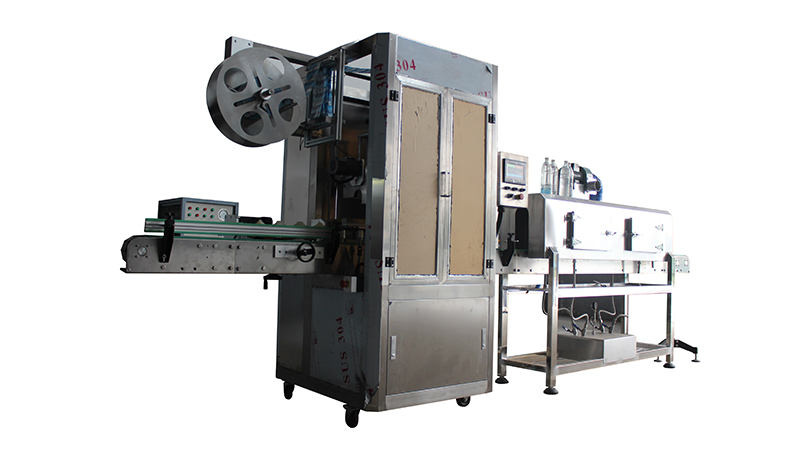
4. Advanced Disinfection: Ozone & Stainless UV Systems
To guarantee complete biological safety without chemical residues, UJDI provides closed-loop ozone oxidation systems with oxygen generators, titanium contact towers, and stainless steel high-intensity Ultraviolet (UV) sterilizers. Ozone sanitizes both purified water and downstream PET bottle containers, maintaining sterile conditions throughout the filling monoblock process.
Send an Inquiry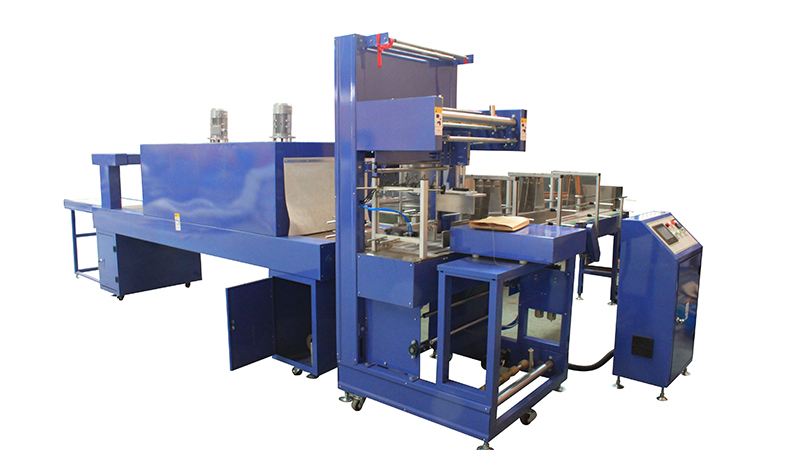
5. Synchronized Bottling Line Integration (2,000–15,000 BPH)
Water treatment is only the first phase. Zhangjiagang UJDI Machinery Co., Ltd. synchronizes drinking water treatment units directly with automated PET blow molding machines, 3-in-1 rinsing-filling-capping monoblocks, bottle drying blowers, BOPP/sleeve labelers, and PE film shrink wrapping lines. This seamless integration prevents line bottlenecks and ensures total hygienic safety.
Send an Inquiry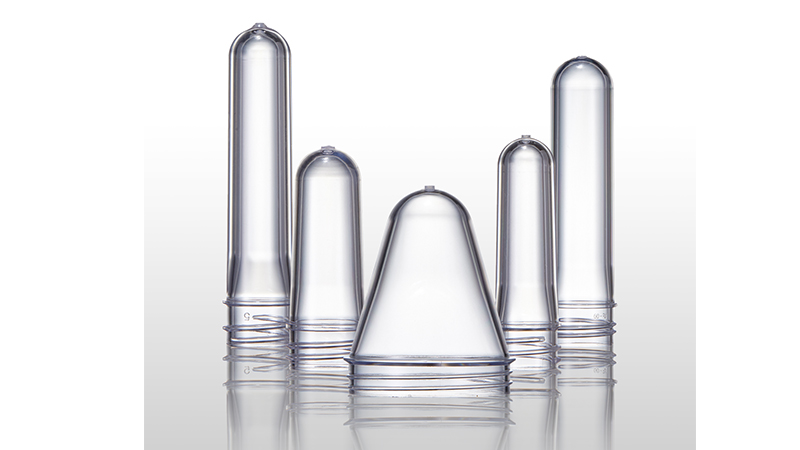
6. 5 Gallon Barrel Water Production Systems
For commercial home and office delivery (HOD) suppliers, we design specialized heavy-duty water treatment systems linked to 300–600 BPH 5-gallon washing-filling-capping lines. Incorporating multi-stage internal/external barrel scrubbing with heated alkaline solution, disinfectant spray, and ozonated purified water rinsing, these systems satisfy strict commercial bottling protocols.
Send an InquiryFuture Procurement Trends in Drinking Water Treatment Systems
How global purchasing strategies are shifting toward energy-efficient, automated, and sustainable purification technologies.
As energy tariffs rise globally and environmental regulations tighten around industrial water usage, procurement officers are re-evaluating traditional purchasing criteria. Simply comparing upfront machine costs is no longer sufficient; buyers now demand comprehensive lifecycle efficiency. Below are the key purchasing trends shaping the industry:
1. Energy Recovery & Low-Pressure RO Membranes
Modern buyers actively request energy recovery turbines or pressure exchangers in RO plants, alongside ultra-low-energy polyamide membranes. These innovations reduce high-pressure pump energy consumption by up to 35%, substantially altering long-term plant operational economics.
2. Modular Skid-Mounted Architecture
Fast installation and minimal site civil work are crucial for modern factory deployments. Pre-wired, pre-piped stainless steel skid-mounted water treatment plants allow factory acceptance testing (FAT) prior to shipping, enabling plug-and-play installation within days of arrival.
3. Smart IoT Monitoring & Automated CIP
Procurement teams prioritize systems equipped with Siemens or Allen-Bradley PLCs, touch-screen HMIs, and remote IoT telemetry. Continuous monitoring of inline conductivity, pH, turbidity, pressure drops, and automated Clean-In-Place (CIP) routines prevent unplanned downtime.
4. Water Recovery Optimization (Zero Liquid Discharge Focus)
Water scarcity drives demand for high-recovery RO configurations. Secondary concentrate recovery RO stages can elevate overall system water recovery efficiency from a standard 65% up to 85–90%, dramatically reducing raw water intake fees and wastewater discharge volumes.
Industry & Technological Development Trends
The evolution from simple filtration to intelligent, mineral-customized, and carbon-neutral water process engineering.
The industrial water purification sector is undergoing rapid technological transformation. Driven by consumer demands for premium functional beverages, alkaline water, and natural mineral profiles, Zhangjiagang UJDI Machinery Co., Ltd. continues to advance its engineering capabilities in the following directions:
- Precision Remineralization & Flavor Tuning: Modern water treatment plants no longer stop at pure H₂O. Advanced dosing modules precisely inject custom mineral blends (calcium, magnesium, bicarbonates, electrolytes) into RO permeate water, allowing bottlers to match specific global taste profiles or localized consumer preferences.
- Chemical-Free Electro-Deionization (EDI): For ultra-pure water processing and specialized beverage applications, EDI technology is replacing traditional mixed-bed resin demineralizers, eliminating the need for hazardous acid and caustic chemical regeneration.
- Ozone Micro-Nano Bubble Disinfection: By shrinking ozone gas bubbles to micro-nano scales, solubility efficiency increases dramatically. This technique prolongs dissolved ozone contact times while consuming less oxygen and power, maintaining higher sterility across high-speed filling lines.
- Carbon Neutrality and Sustainable Materials: Energy-efficient variable frequency drives (VFDs) on high-pressure pumps combined with recyclable stainless steel frames align water bottling facilities with international carbon reduction mandates.
Frequently Asked Questions (FAQ)
Clear engineering perspectives on capacity sizing, membrane maintenance, raw water evaluation, and food-grade compliance.
How do I accurately size a Drinking Water Treatment System for my filling line?
Sizing depends on your target bottle filling capacity, water recovery ratio, and buffer storage strategy. For example, if your filling machine produces 6,000 bottles per hour (500 ml bottles), the net treated water demand is 3,000 Liters per Hour (3 m³/h). Considering bottle rinsing requirements, blowing preparation, line efficiency losses, and a typical RO recovery rate of 70%, your raw water feed capacity should be calculated at approximately 4.5 to 5.0 m³/h. Zhangjiagang UJDI Machinery Co., Ltd. designs custom treatment capacity buffers (including raw water tanks and pure water storage tanks) to maintain uninterrupted filling operation.
How does raw water quality (TDS/Hardness) impact equipment selection?
Raw water chemistry dictates system design. Low-TDS municipal water (< 250 ppm) may only require multi-media filtration, activated carbon, micro-filtration, and Ultrafiltration (UF) or a single-stage RO system. In contrast, deep borehole or brackish water with high TDS (> 1,000–3,000 ppm) or high iron/manganese levels requires specialized pre-aeration, manganese greensand filters, water softeners, and double-pass Reverse Osmosis systems to reach purified bottled water standards (< 10–50 ppm TDS).
What is the typical lifespan of RO membranes and filter media?
Under proper pre-treatment and maintenance conditions:
- Quartz Sand & Activated Carbon Media: Replaced every 12 to 18 months.
- PP Sediment Cartridge Filters (5 Micron): Replaced every 1 to 3 months.
- Reverse Osmosis (RO) Membranes: Typically last 2 to 4 years before requiring replacement, depending on feed water fouling index (SDI) and CIP maintenance frequency.
Why is Ozone disinfection preferred over Chlorination in bottled water plants?
Chlorination can react with organic compounds to create toxic disinfection byproducts (trihalomethanes/THMs) and leave unpleasant taste or odor in bottled water. Ozone (O₃) is a powerful, chemical-free oxidant that sterilizes water and equipment within minutes. It naturally decomposes back into oxygen (O₂) leaving zero chemical residue, while providing lingering sterility inside capped PET bottles to extend shelf life.
What quality certifications and materials does Zhangjiagang UJDI Machinery Co., Ltd. use?
All water contact surfaces in UJDI equipment are fabricated from certified food-grade Stainless Steel (SUS304 or SUS316L for high-salinity water). Electric components utilize world-renowned brands (Schneider, Siemens, Omron). Our machinery complies with European CE standards, and our factory has undergone comprehensive on-site assessment by Intertek.
Can one turnkey system handle both bottle water and carbonated soft drink (CSD) preparation?
Yes! Pure treated water from a single UJDI water treatment plant can be split into multiple supply lines: one leading directly to the drinking water filling monoblock, and another routed to syrup mixing tanks, carbon dioxide carbonators, and isobaric filling systems for carbonated beverages.
Why Partner with Zhangjiagang UJDI Machinery Co., Ltd.?
Demonstrated manufacturing capability, rigorous quality control, and worldwide project support.
Choosing a reliable supplier for your Drinking Water Treatment System requires evaluating real-world experience, engineering transparent processes, and verifying physical factory capabilities. Zhangjiagang UJDI Machinery Co., Ltd. stands out as a trusted global manufacturer based on concrete structural advantages:
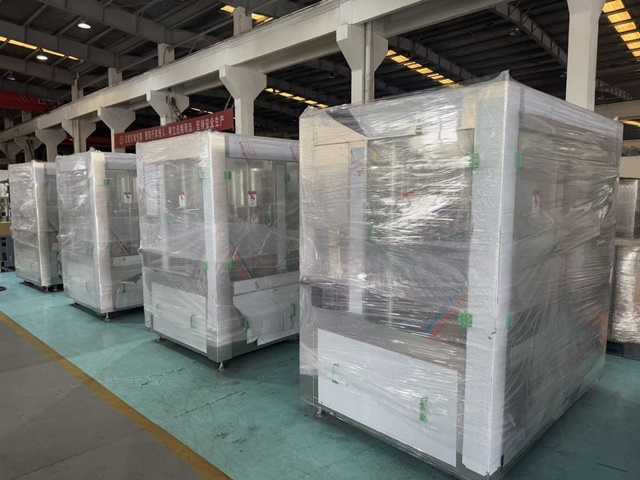
Engineering Excellence Built on Verified Experience
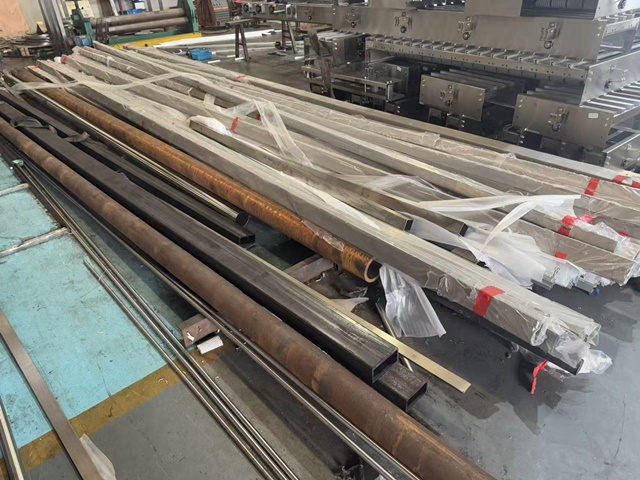
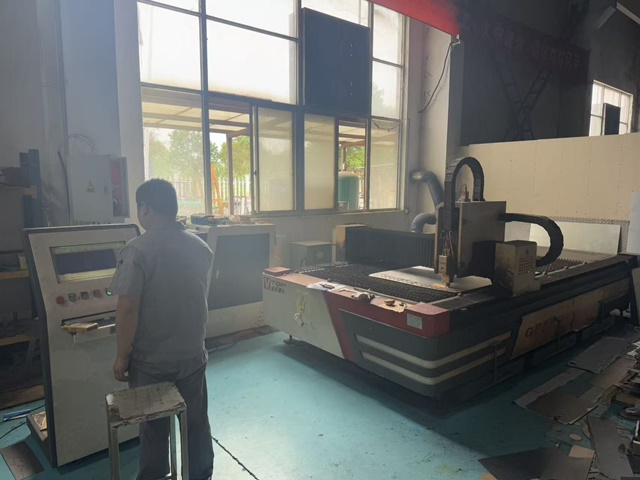
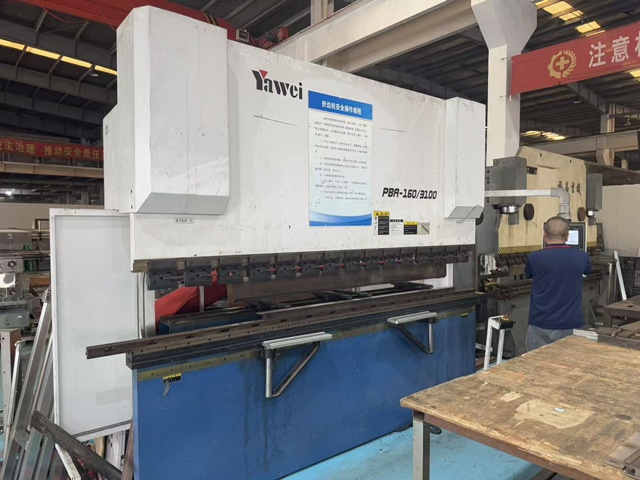
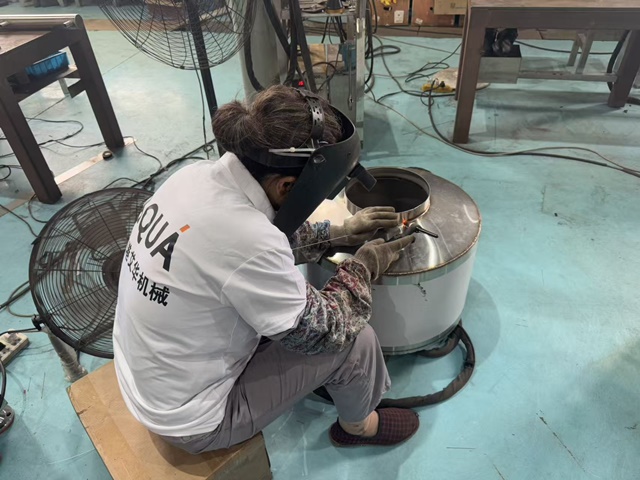
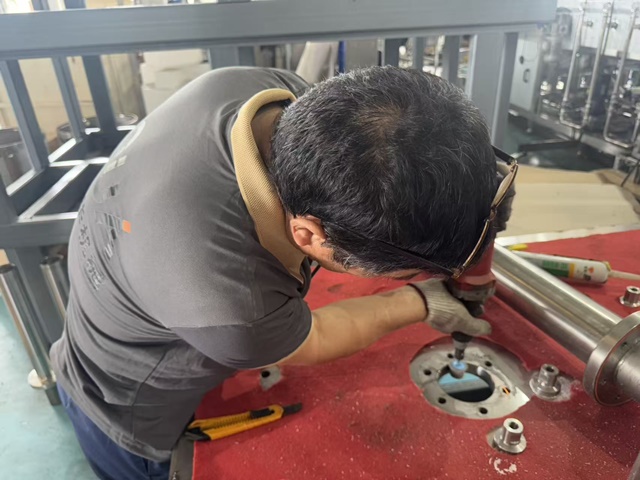
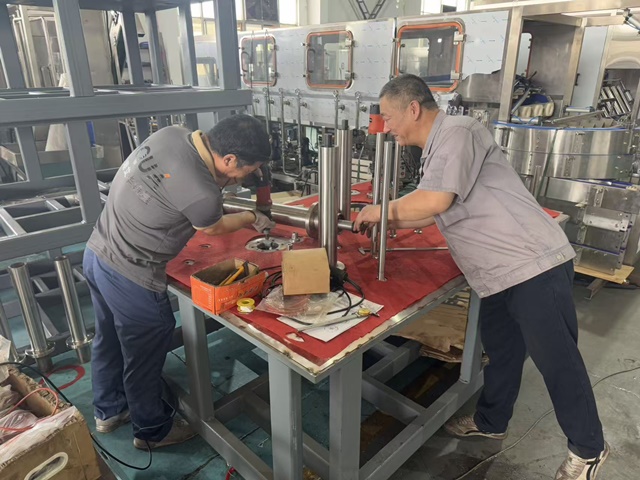
Over 13+ years of dedicated focus in liquid packaging machinery. Intertek on-site verified manufacturing plant in Zhangjiagang, Jiangsu, China. Complete internal control over CNC machining, stainless steel TIG welding, pipe polishing, electrical panel assembly, and dynamic water testing before delivery.
- Full Customization & ODM/OEM: Customized flow rates (0.5 T/H to 100+ T/H), tailored layout drawings, localized voltage/frequency adaptations, and multi-language PLC software.
- Strict Quality Inspection Protocols: Raw material spectral inspection, pressure-vessel hydrostatic testing, 48-hour continuous FAT trial runs prior to export packing.
- Global Turnkey Support: Overseas engineer dispatch for installation, pipe network layout, electrical commissioning, and comprehensive plant operator training.