Featured Soft Drink & Beverage Production Machinery
Engineered for High-Speed Carbonated Drinks, Mineral Water, Juice, and Beer Bottling Lines (2,000 to 15,000 BPH Capacity Range)
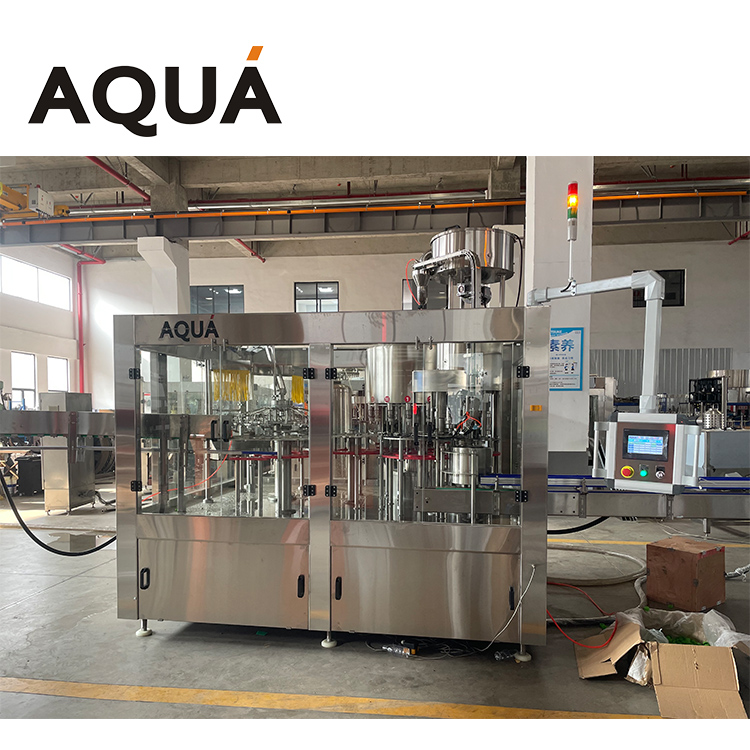
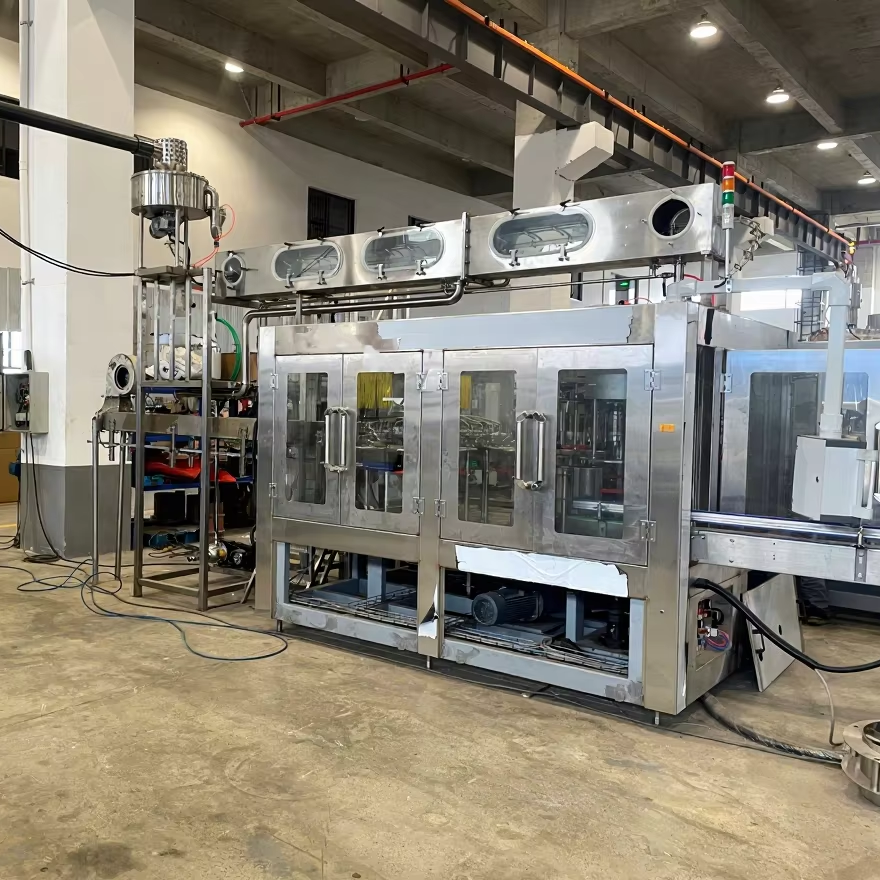
Engineering Authority: Zhangjiagang UJDI Machinery Co., Ltd.
Situated in Zhangjiagang City, Jiangsu Province—the premier industrial hub for beverage packaging equipment in China—Zhangjiagang UJDI Machinery Co., Ltd. stands as a benchmark manufacturer and global exporter of high-precision liquid packaging machinery. Over more than 13 years of continuous research, engineering, and global project execution, UJDI Machinery has designed, fabricated, and installed turnkey production lines across more than 50 countries, servicing bottling companies ranging from localized start-ups to national beverage enterprise brands.
Our operational framework strictly complies with international quality standards. Certified by CE and verified on-site by third-party audit body Intertek, UJDI Machinery utilizes high-grade food-contact metallurgies—primarily SUS304 stainless steel, with optional SUS316L for high-acid juices or corrosive liquids. Every machine undergoes rigorous Factory Acceptance Testing (FAT) before export packing to ensure zero-defect commissioning at the buyer's factory site.
Verified Manufacturing Standard
CE-certified machinery validated through Intertek on-site factory audits. Full traceability of stainless steel materials and pressure vessel components.
Integrated PLC & Automation
Equipped with Siemens, Mitsubishi, or Omron PLCs, touch-screen HMIs, and pneumatic components from Festo and Airtac for flawless sync across stations.
Custom ODM & Line Modularization
Custom container neck standards, bottle geometries, local voltage variations (220V–480V, 50/60Hz), and modular line floor plan layouts tailored to plant dimensions.
Technological Development Trends in Modern Soft Drink Packaging
The global carbonated soft drink (CSD) and functional beverage industry is undergoing a paradigm shift driven by sustainability goals, energy conservation imperatives, and consumer demand for premium packaging variations. Understanding key technological trajectories is essential for beverage plant developers seeking long-term operational resilience.
1. Isobaric Filling Valve Evolution & CO2 Retention Control
The core technological benchmark of any carbonated beverage filling machine lies in its ability to maintain precise CO2 gas dissolution (typically between 2.5 to 4.2 volumes of carbonation) without causing excessive foaming or volume fluctuation during high-speed container discharge. Modern soft drink production lines have transitioned from purely mechanical spring-loaded filling valves to electro-pneumatic mechanical isobaric filling valves and electronic flow-meter volumetric filling systems.
By implementing pre-evacuation or CO2 flush cycles prior to liquid introduction, modern filling monoblocks minimize residual oxygen inside PET bottles or aluminum cans to under 30 ppb (parts per billion). This preservation of dissolved gas integrity prevents product oxidation, extends shelf life, and eliminates syrup flavor degradation during ambient storage.
2. High-Efficiency Servo Blow-Fill-Cap Combi Block Systems
Traditional beverage plants relied on standalone stretch blow molding machines connected via extensive air conveyors to filling monoblocks. Modern technological design favors integrated Blow-Fill-Cap Combi Blocks. By eliminating air conveyors between bottle blowing and filling stations, beverage plants achieve several operational breakthroughs:
- Floor Space Reduction: Reduces overall plant footprint requirement by up to 30–40%.
- Contamination Mitigation: Bottles transfer directly from blow molds into sterile rinsing/filling turrets via neck-handling grippers, avoiding open-air exposure.
- Energy Efficiency: Modern blow molders incorporate heating oven air recovery systems, recycling high-pressure exhaust air (30–35 bar) back to pre-blowing stages (10–15 bar), slashing compressor energy draw by 20–25%.
3. Automated CIP (Clean-In-Place) & Hygienic Engineering
Hygiene integrity remains a non-negotiable metric under global food safety standards (HACCP / ISO 22000). Advanced soft drink filling machines incorporate fully automated 3-stage or 5-stage Clean-In-Place (CIP) systems equipped with dummy bottle insertion rings. Controlled by automated PLC recipes, hot caustic soda (80°C) and acid wash solutions circulate through filling valves, product holding tanks, and proportioning mixers at controlled flow velocities, ensuring complete biofilm removal without machine disassembly.
Future Procurement Trends for Beverage Bottling Lines
When enterprise purchasers and investment groups evaluate beverage manufacturing equipment, capital expenditure (CAPEX) decisions are increasingly weighted against Total Cost of Ownership (TCO), Operational Equipment Effectiveness (OEE), and long-term packaging flexibility. Strategic buyers must account for several emerging procurement trends when specifying line configurations.
Shift Toward Hybrid Multi-Beverage Lines
Bottlers are abandoning single-product dedicated lines in favor of modular filling platforms capable of running Still Water, Carbonated Soft Drinks, and Hot-Fill Juices on a single monoblock using quick-change starwheels.
PET Lightweighting & R-PET Processing
Procurement teams demand blow molding machines optimized for ultra-lightweight preforms (e.g., 500ml bottles under 10.5g) and up to 100% Recycled PET (rPET) processing capability to meet stringent carbon reduction mandates.
IoT Telemetry & Predictive Maintenance
Modern purchase agreements specify remote Ethernet gateway connectivity, enabling real-time diagnostic monitoring, vibration sensor feedback on main gearboxes, and automated error logging to minimize unplanned downtime.
Complete Soft Drink Production Line Workflow Architecture
A full-scale automated soft drink bottling plant consists of synchronized mechanical and process modules. UJDI Machinery coordinates every phase of engineering to guarantee seamless fluid transfer, automated container positioning, and high-efficiency final pack palletizing.
Stage 1: Water Purification & Preparation System
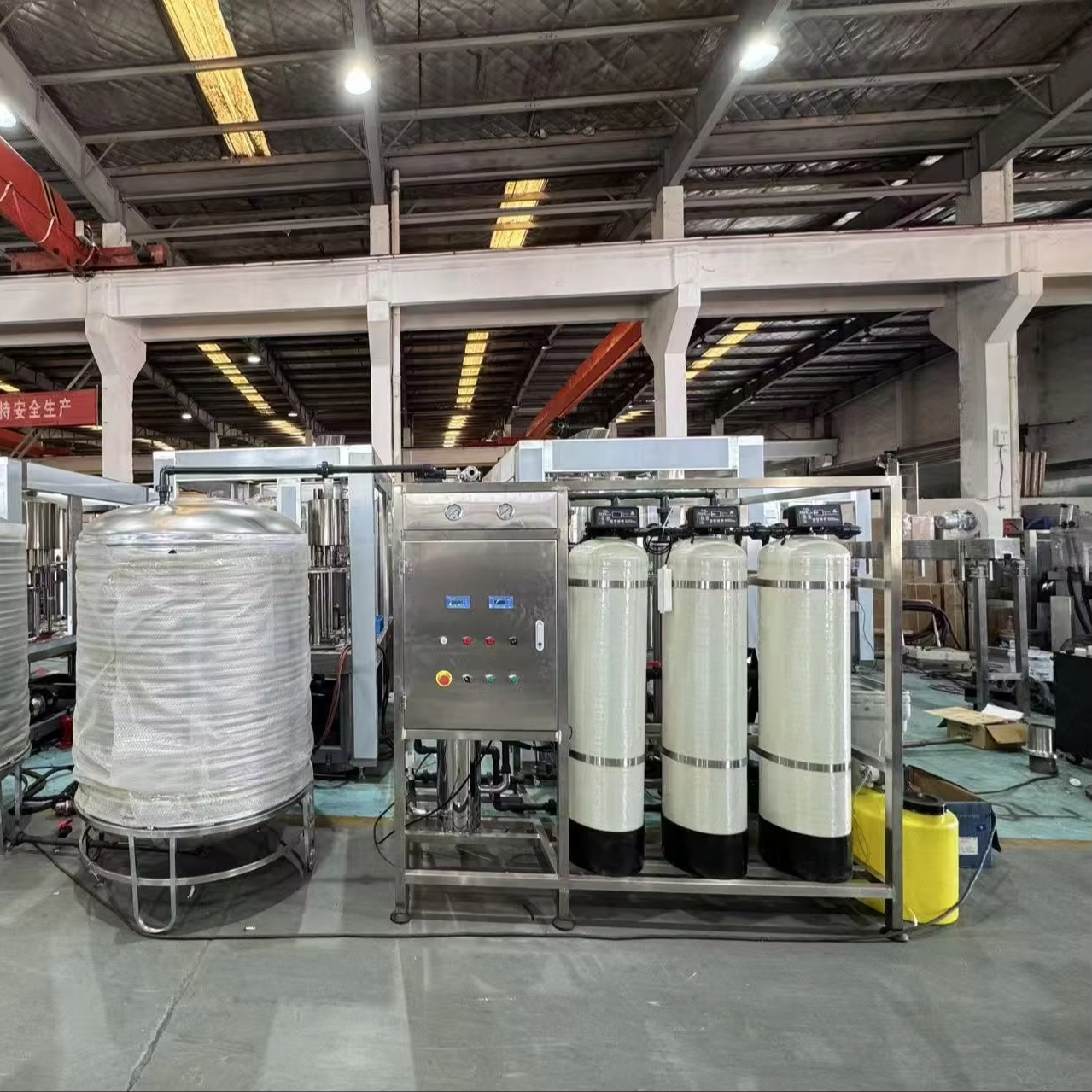
Raw source water is processed through quartz sand filters, active carbon absorbers, sodium ion softeners, and dual-pass Reverse Osmosis (RO) membranes. Water for soft drink production undergoes deaeration to remove dissolved oxygen prior to syrup dosing and carbonation.
Stage 2: Sugar Melting, Syrup Preparation & Beverage Mixing
Granulated sugar is thermally dissolved in stainless steel jackets with high-speed agitators. The prepared syrup is passed through duplex filters and blended with concentrate, acidulants, and flavorings in stainless steel mixing tanks. An automated inline Carbo-Mixer (Carbonator) precisely proportions purified water, syrup concentrate, and pressurized CO2 gas under low-temperature conditions (0–4°C) to achieve target carbonation levels.
Stage 3: PET Stretch Blow Molding
PET preforms are automatically fed into infrared heating ovens via rotary sorters. High-pressure air (30–35 bar) expands the softened preforms inside precision-machined aluminum molds to form finished bottles with consistent wall thickness and neck finish integrity.
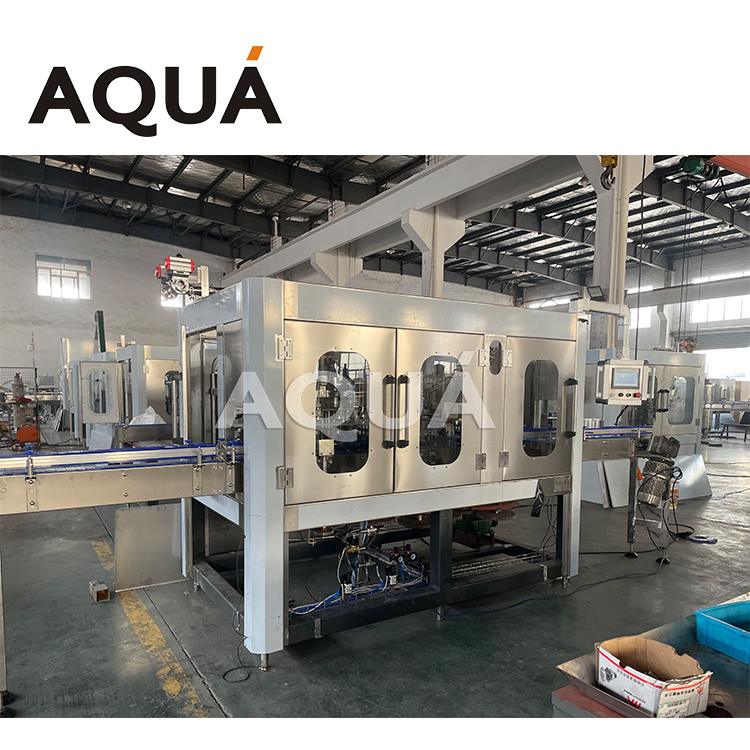
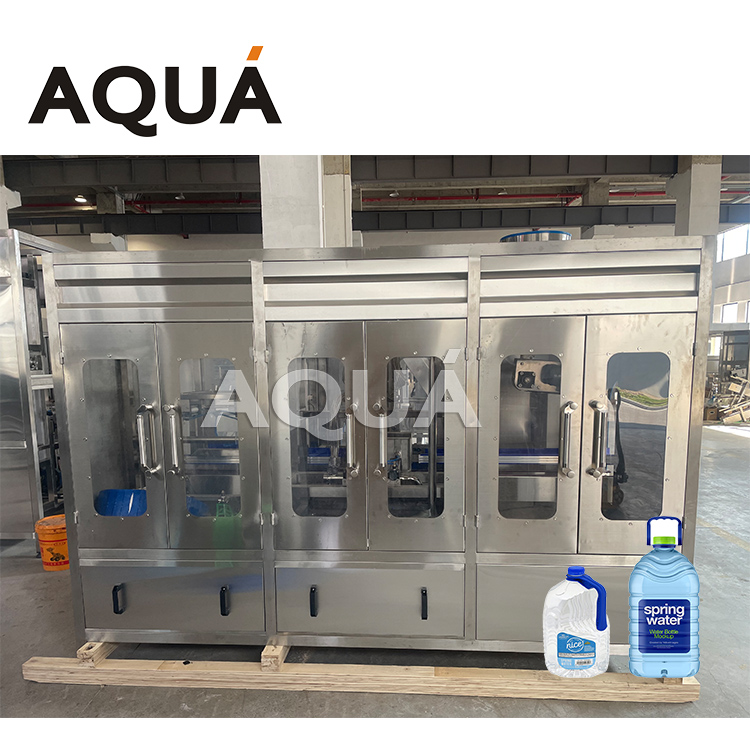
Stage 4: Isobaric Monoblock Rinsing, Filling & Capping
Bottles are transferred to the monoblock via air conveyors. The process operates in three continuous steps:
- Rinsing: Sanitized water spray nozzles clean the internal bottle cavity.
- Isobaric Filling: The bottle neck seals against the valve, equalizing gas pressure inside the container with the liquid storage tank before gravity/pressure liquid discharge takes place.
- Capping: Magnetic constant-torque capping heads apply plastic screw caps or aluminum roll-on caps with zero thread deformation.
Stage 5: Warm-Up Tunnel, Labeling & Inkjet Coding
Cold-filled carbonated beverage bottles pass through a warm-up tunnel to bring bottle surface temperature above ambient dew point, preventing condensation droplets that disrupt sleeve or sticker label adhesion. Bottles then pass through continuous automatic sleeve labeling or BOPP hot-glue labeling machines, followed by laser or videojet date coders.
Stage 6: Secondary Shrink Packaging & Conveyor Buffering
Finished bottles are grouped into standard pack formats (e.g., 2x3, 3x4, 4x6) and wrapped in heavy-duty PE film via automatic thermal shrink packing machines, creating rigid, stackable multipacks ready for warehouse storage and logistics shipping.
Frequently Asked Procurement & Technical Questions (FAQ)
Plan Your Soft Drink Production Line With Expert Engineers
Contact Zhangjiagang UJDI Machinery Co., Ltd. today to receive a complete line layout CAD drawing, customized equipment specification sheet, and factory-direct commercial proposal.
Send an Inquiry