Industrial Filling & Packaging Portfolio
High-efficiency turnkey bottling lines and specialized liquid packaging machinery engineered by Zhangjiagang UJDI Machinery Co., Ltd.
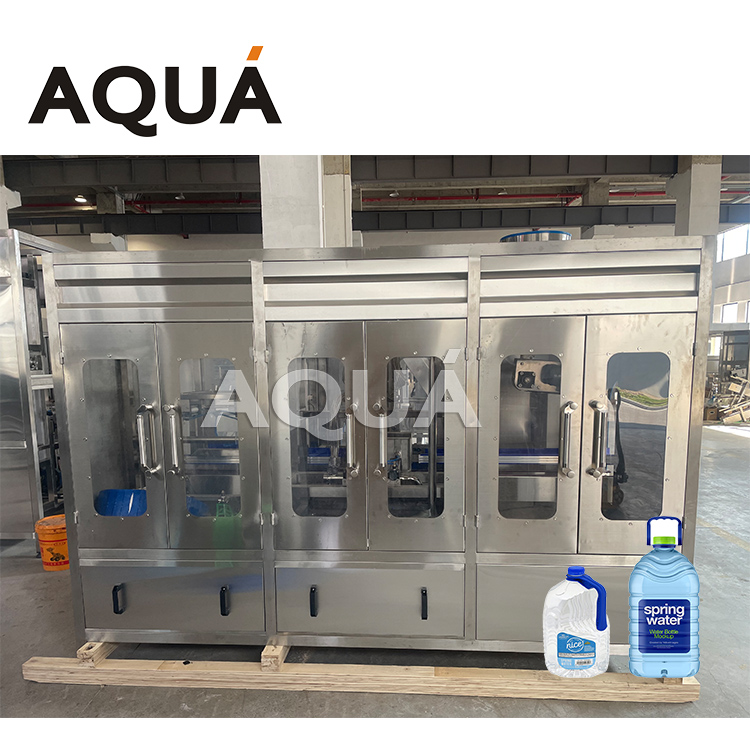
Executive Overview: Engineering High-Performance Carbonated Beverage Filling Lines
In the highly competitive market for Carbonated Soft Drinks (CSD), sparkling water, hard seltzers, and carbonated craft beers, operational success hinges on equipment precision, carbonation stabilization, oxidation minimization, and hygienic integrity. As a premier global exporter and OEM/ODM wholesaler, Zhangjiagang UJDI Machinery Co., Ltd. engineered this whitepaper to provide plant managers, process engineers, and beverage entrepreneurs with a technical framework for evaluating, specifying, and deploying carbonated beverage filling systems.
Carbonated filling is fundamentally distinct from still water or warm juice filling. It operates under precise fluid dynamic and thermodynamic laws. Retaining dissolved carbon dioxide (CO2) within liquid matrices while preventing excessive foaming, maintaining fill-level accuracy, and eliminating dissolved oxygen pickup requires mechanical engineering at the highest level. This document details the underlying engineering principles, procurement metrics, and future industry trends governing automated beverage production.
Mechanical Dynamics & Isobaric Counter-Pressure Engineering
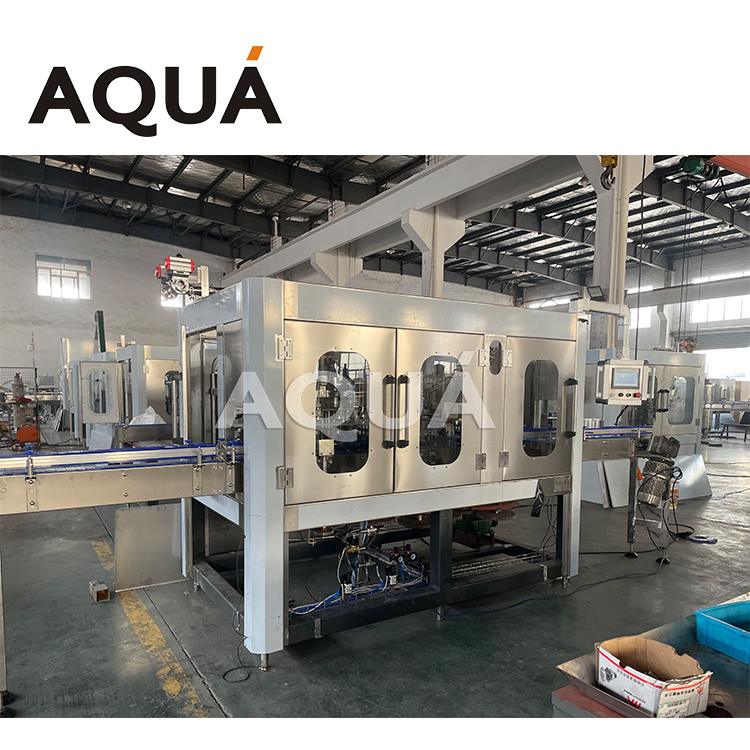
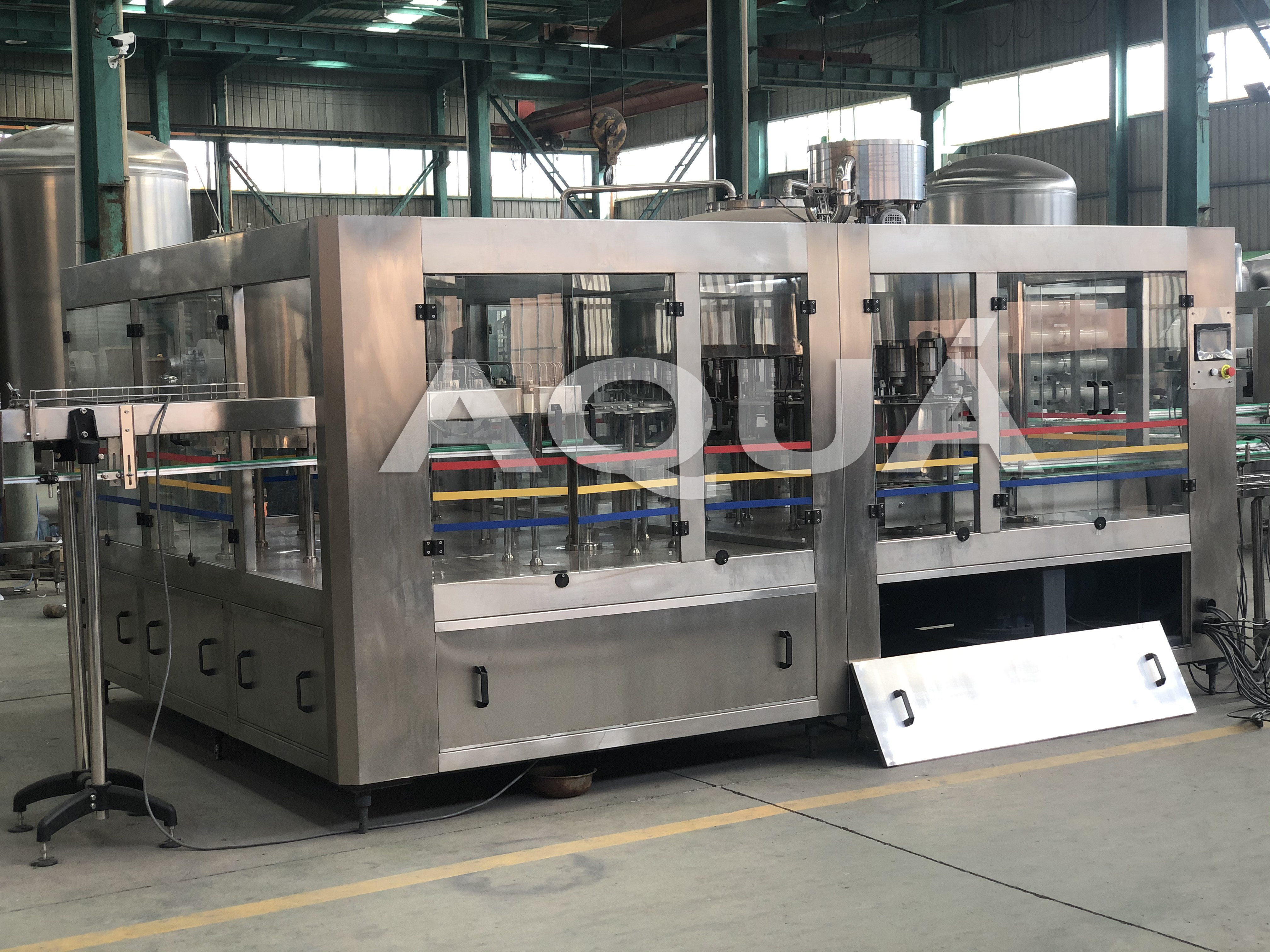
At the center of high-speed CSD bottling and canning lines is the isobaric (counter-pressure) filling valve. Unlike gravity fillers used for still liquids, isobaric fillers maintain an equal pressure state between the product holding tank, the filling valve, and the interior of the container prior to liquid release.
1. Evacuation & Pressurization
The PET bottle or aluminum can is sealed against the valve head. CO2 gas is injected into the container to equalize its internal pressure with the storage tank (typically 0.2 to 0.4 MPa).
2. Laminar Flow Filling
Once pressures are equalized, liquid flows by gravity down the container wall via a diffuser ring. Displaced CO2 returns to the header tank through an internal vent tube.
3. Controlled Snifting (Snift Phase)
Liquid flow stops when target fill levels reach the vent tube. Pressure inside the neck space is gradually released to ambient levels to prevent wild foaming upon cap sealing.
Henry’s Law & Thermal Management in CSD Operations
According to Henry's Law, the solubility of a gas in a liquid is directly proportional to the partial pressure of that gas above the liquid and inversely proportional to temperature. To maintain target carbonation levels (typically 3.0 to 4.5 volumes of CO2), carbonated beverage lines require strict thermal management. UJDI Machinery integrates advanced plate heat exchangers and inline carbonation mixers (carbo-coolers) that chill syrup-water matrices to 4°C – 6°C prior to entering the filling bowl.
Filling at sub-ambient temperatures maximizes CO2 absorption efficiency, drastically reduces gas breakout during snifting, and permits higher linear bottling speeds without increasing fill level variance.
Technical Specifications & Capacity Sizing Matrix
Selecting the correct machinery configuration depends on target hourly output, bottle material (PET vs. Glass vs. Aluminum Can), and changeover frequency requirements. The matrix below outlines standardized operational parameters across key production tiers:
| Production Capacity | Filling Heads / Valves | Filling Method | Max Container Size | Main Utility Requirements |
|---|---|---|---|---|
| 2,000 - 4,000 BPH | 12 - 16 Rotary Valves | Mechanical Isobaric Valve | 1.5 Liters (PET / Glass) | 380V 50Hz, 7.5 kW, 0.6 MPa Air |
| 6,000 - 8,000 BPH | 18 - 24 Rotary Valves | Isobaric with Vent Tubes | 2.0 Liters (PET) | 380V 50Hz, 15 kW, 0.8 MPa Air |
| 10,000 - 12,000 BPH | 32 - 40 Rotary Valves | Electro-pneumatic Isobaric | 1.0 Liter (High Speed) | 380V 50Hz, 22 kW, 0.8 MPa Air |
| 15,000+ BPH | 50+ Flow-meter Valves | Electronic Volumetric (Mag/Mass) | 750 ml (Neck Handling) | 380V 50Hz, 37 kW, 1.0 MPa Air |
UJDI Machinery Manufacturing Strengths & Quality Framework
Located in Zhangjiagang City, Jiangsu Province—China's premier manufacturing cluster for beverage machinery—Zhangjiagang UJDI Machinery Co., Ltd. has spent over 13 years delivering integrated liquid packaging lines across Africa, South America, the Middle East, Southeast Asia, and Eastern Europe. Our engineering methodology relies on strict metallurgical controls, precision machining, and international electrical standards.
1. Food-Grade Metallurgy & Hygienic Design
All structural parts in direct contact with liquid products are forged from certified SUS304 or acid-resistant SUS316L stainless steel. Filling bowls undergo internal mirror polishing ($Ra < 0.4 \mu m$) to eliminate micro-cavities where bacterial bio-films can accumulate. Seals and O-rings are fabricated from food-grade EPDM or PTFE compliant with FDA and EU food contact regulations.
2. On-Site Intertek Assessment & CE Certification
UJDI Machinery operates under a verified quality management system. Our manufacturing workflows are independently audited on-site by Intertek. Every complete filling line leaving our factory carries full CE Certification, guaranteeing compliance with European mechanical safety, low-voltage electrical safety, and electromagnetic compatibility (EMC) standards.
3. CIP (Clean-In-Place) Integration
Our carbonated beverage filling systems feature automated CIP return cups. During sanitation cycles, fake bottles seal against filling valves, establishing a continuous loop for hot caustic wash, acid rinse, and ozonated water flush without requiring manual valve disassembly.
Next-Generation Technology Trends in CSD Packaging
As global beverage brands adapt to sustainability targets and shifting consumer demands, carbonated bottling line technology is undergoing rapid evolution. Key industry trends shape modern procurement decisions:
1. Lightweight PET & Ultra-Thin Preform Handling
To reduce virgin plastic consumption, modern beverage brands are reducing PET bottle weight by up to 25%. Standard star-wheel transfer systems often deform lightweight bottle necks. UJDI’s high-speed monoblocks utilize neck-suspension gripper technology, allowing thin-walled bottles to travel through rinsing, isobaric filling, and capping stations without body stress or crushing.
2. Electro-Pneumatic & Volumetric Flow Meter Filling
Traditional mechanical valve fillers rely on physical spring pressures and vent tubes to determine fill height. Next-generation systems transition to magnetic volumetric flow meters or electro-pneumatic valves. These enable liquid fill setting changes directly from the Siemens PLC touch-screen, reducing changeover times from 2 hours down to 15 minutes while achieving fill accuracies within $\pm 1$ ml.
3. Sustainable Packaging: rPET and Aluminum Can Shift
Driven by eco-conscious consumers, global bottlers are shifting toward 100% recycled PET (rPET) and infinite-recyclable aluminum cans. Dual-purpose canning/bottling technologies and compact can seaming monoblocks (such as our 6000 CPH Can Filler & Seamer) allow regional producers to introduce premium canned seltzers alongside traditional bottled soda lines.
Frequently Asked Procurement & Technical Questions
Expert answers addressing common engineering challenges, installation parameters, and line customizations.
What capacity range do your bottled water and CSD filling lines cover?
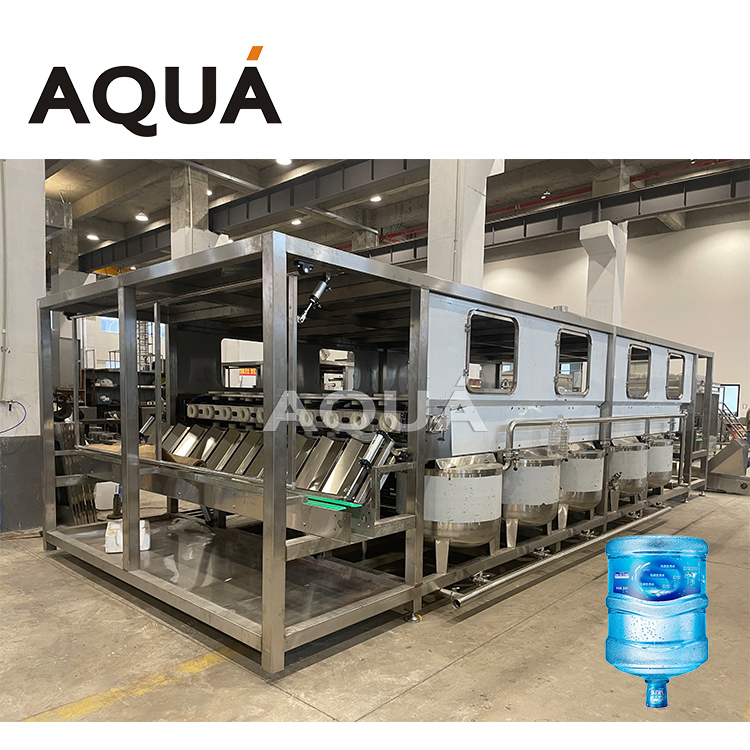
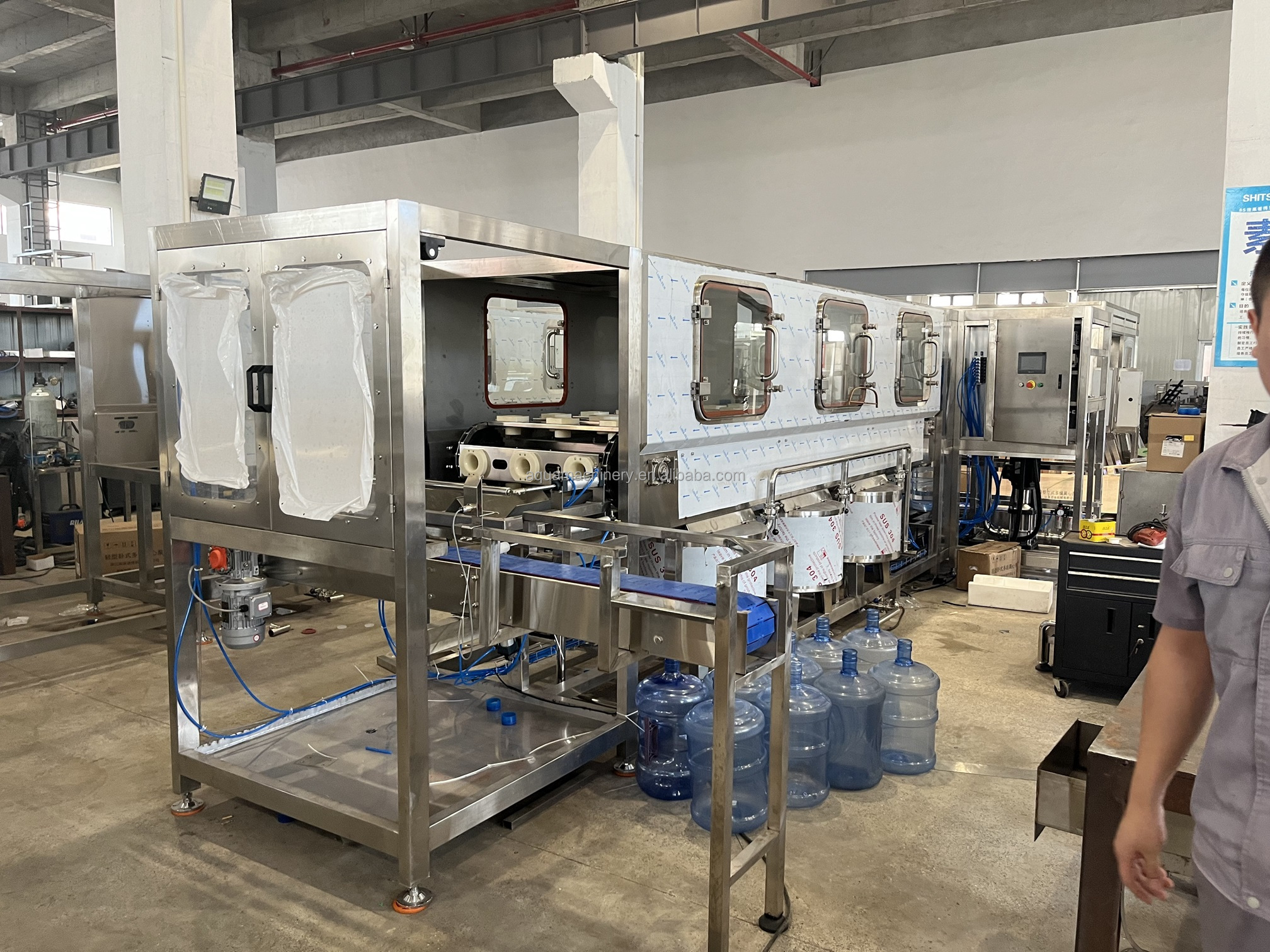
Our automated PET and glass bottle lines range from 2,000 to 15,000 bottles per hour (BPH) based on standard 500ml containers. For 5-gallon/19L barrel water packaging, we supply complete washing-filling-capping lines operating from 300 to 600 barrels per hour.
Can a single carbonated filling monoblock run multiple bottle sizes?
Yes. A single rinsing-filling-capping monoblock can accommodate multiple bottle sizes ranging from 250ml to 2.0L. Size changeovers are managed using quick-change star wheels, bottle guide plates, and height-adjustable filling bowls. Detailed bottle engineering drawings are confirmed prior to machine fabrication.
What materials and international certifications apply to your machinery?
All filling equipment manufactured by UJDI Machinery is CE-certified. Liquid contact zones are constructed exclusively from food-grade SUS304 or SUS316 stainless steel. Our manufacturing plant and operational workflows are inspected on-site by Intertek.
What parameters are required to generate a turnkey line proposal?
To provide an accurate technical configuration and factory layout drawing, we request: (1) Liquid type and viscosity/Brix, (2) Target carbonation volumes (CO2 levels), (3) Container specs (materials, dimensions, drawings), (4) Target output (BPH), (5) Labeling/packing type, and (6) Local electrical supply (Voltage/Frequency).
Do you provide overseas installation, commissioning, and staff training?
Yes. We dispatch experienced mechanical and automation engineers to client sites worldwide to oversee civil installation, machine positioning, electrical commissioning, line synchronization, and operator training. Remote technical support is available 24/7.
Can UJDI supply complete turnkey packaging lines beyond the filling unit?
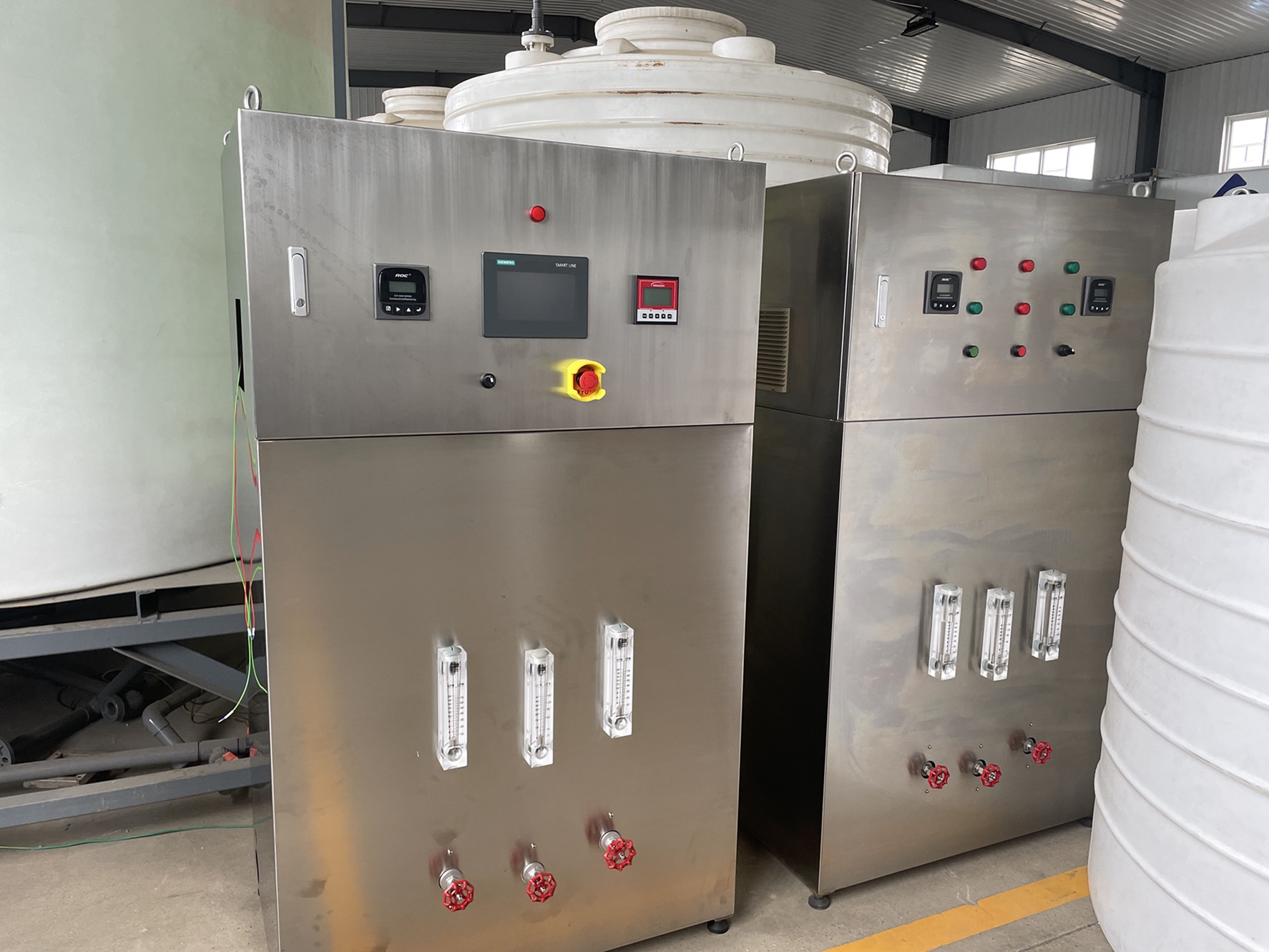
Absolutely. UJDI specializes in end-to-end turnkey lines. We engineer and coordinate water treatment systems (RO/UF), beverage preparation tanks, carbo-coolers, PET blow molding machines, filling monoblocks, bottle dryers, labeling systems (sleeve/BOPP), laser coders, and automated PE film shrink wrappers into one synchronized line.
Accelerate Your Beverage Production Capacity
Connect with UJDI Machinery's senior engineering team to receive custom line layouts, detailed technical proposals, and factory-direct pricing for your next liquid packaging project.
Contact Us