Featured Liquid Packaging & Canning Equipment
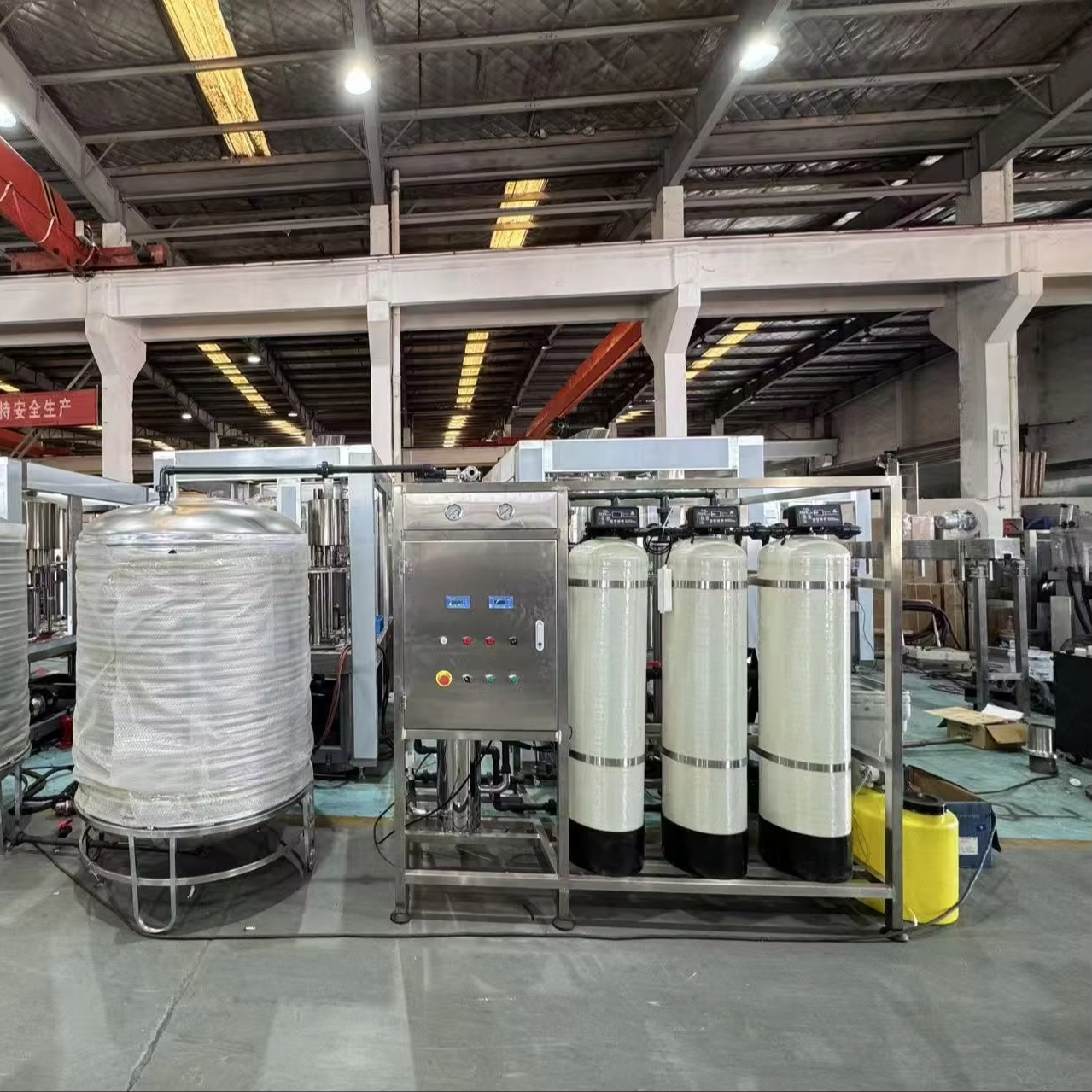
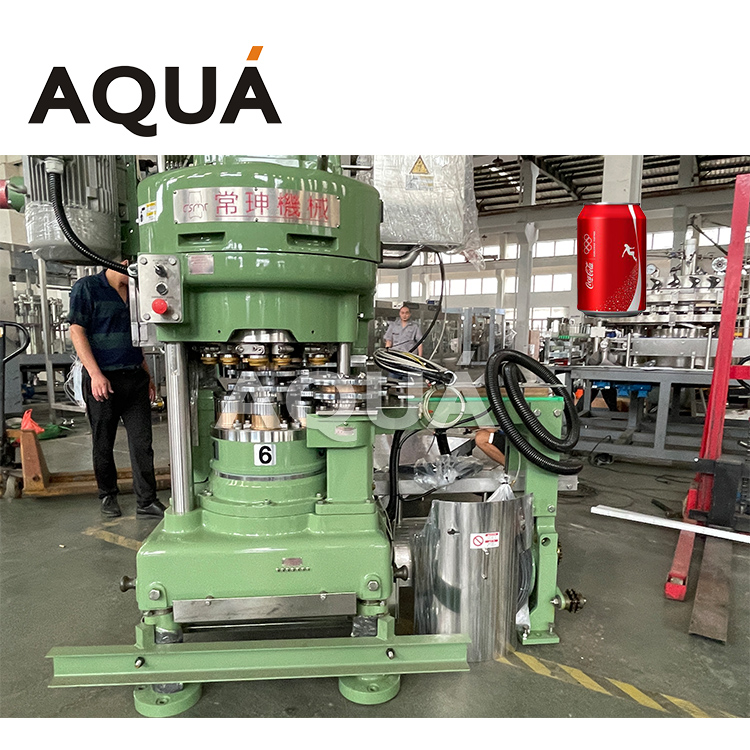
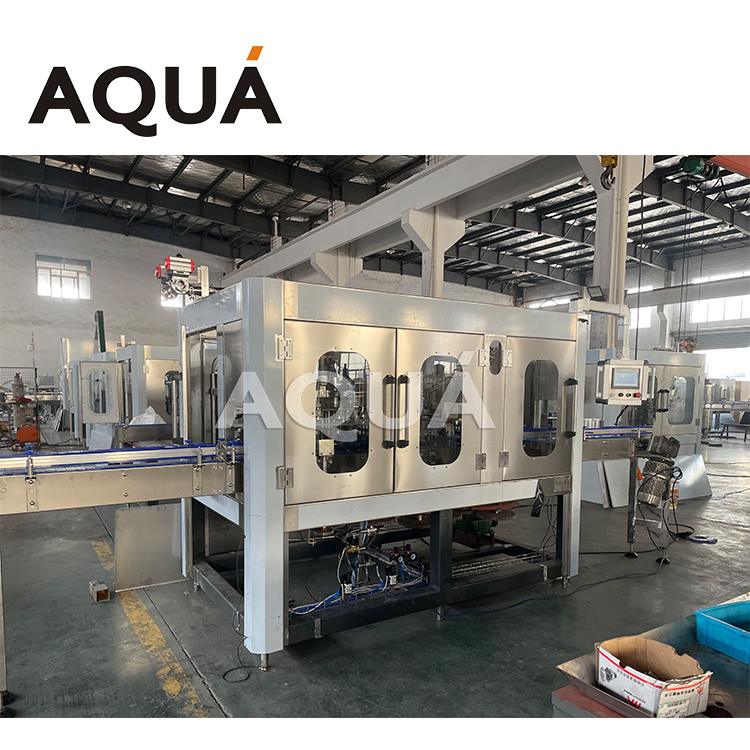
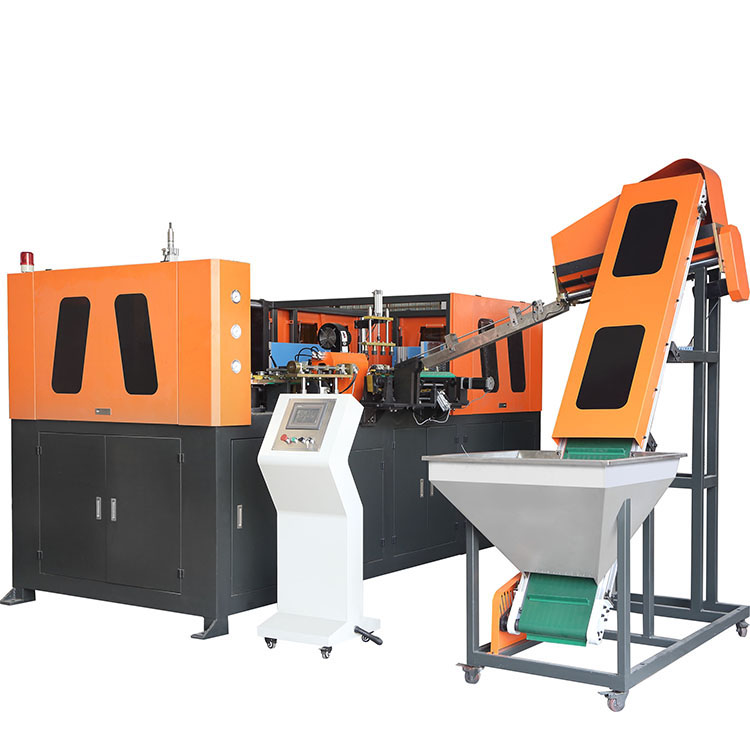
Explore our export-ready, CE-certified beverage lines ranging from high-precision aluminum can seamers to industrial RO water purification systems.
Optimizing Beer Canning Lines: Technical Architecture, Low Dissolved Oxygen Control, and Factory Procurement Standards
The global beverage and craft brewing industry has experienced a paradigm shift over the past decade. Aluminum can packaging has transitioned from a secondary container format to the predominant packaging medium for craft beer, carbonated soft drinks (CSD), hard seltzers, and RTD (Ready-To-Drink) cocktails. Driven by superior UV light barriers, zero oxygen permeability through glass walls, reduced logistics weight, and 100% infinitely recyclable aluminum profiles, breweries worldwide are expanding or converting their packaging footprints into automated canning monoblocks.
However, canning carbonated malt beverages presents stringent biochemical and mechanical challenges. Unlike flat water bottling, beer requires extreme precision in isobaric counter-pressure filling, dissolved oxygen (DO) minimization, dynamic foam control, and hermetic double-seaming seam integrity. Selecting a top-tier beer canning machine factory and exporter requires evaluating not merely mechanical speed (CPH - Cans Per Hour), but total cost of ownership (TCO), sanitary metallurgy (SUS316L), pneumatic component reliability, and automated CIP (Clean-In-Place) integration.
1. Technical Architecture of Modern Beer Canning Lines
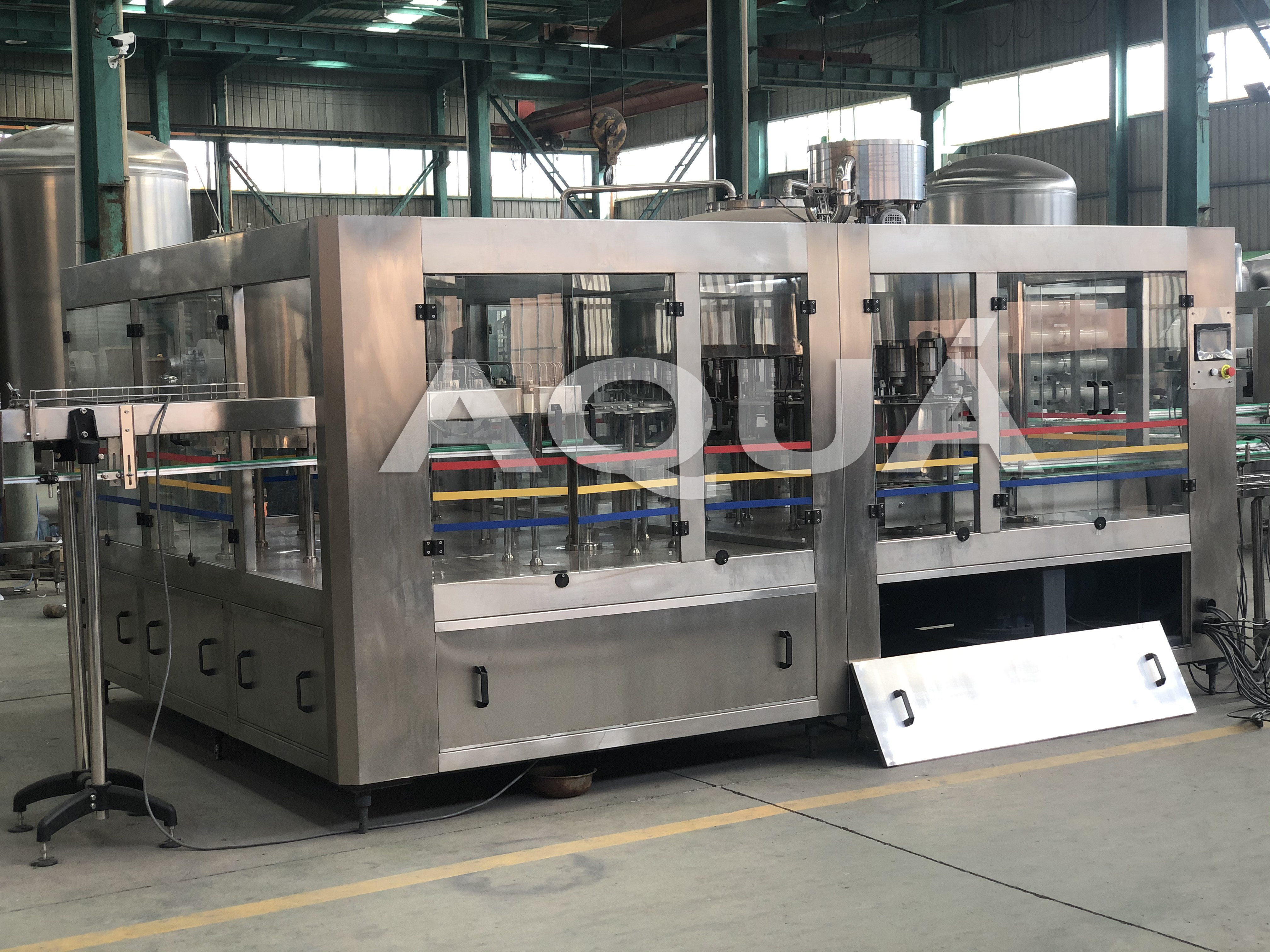
An automated beer canning monoblock functions as an integrated tri-block system comprising a can rinser, an isobaric counter-pressure filler, and a rotary lid seamer. To achieve commercial stability and preserve delicate hop aromatics and flavor profiles, the machine architecture must execute a synchronized multi-stage process:
CO₂ Pre-Purging & Vacuum Cycle
Before beer enters the aluminum container, the empty can undergo high-pressure CO₂ purging. Removing atmospheric ambient air reduces atmospheric oxygen inside the vessel to under 0.5%, creating an inert buffer environment essential for preventing flavor oxidation.
Isobaric Counter-Pressure Filling
The liquid filling valve seals against the can rim, equalizing pressure inside the can with the holding tank (typically 0.15 - 0.25 MPa). Beer flows smoothly under gravity down the can walls, minimizing turbulent breakout of dissolved carbon dioxide.
Under-Cover Gassing (UCG) & Seaming
Immediately prior to lid placement, a jet of sterile CO₂ or liquid nitrogen (Under-Cover Gassing) displaces head-space air. The lid is pressed and double-seamed using dual-stage cam rollers to guarantee air-tight hermetic seals.
Low Dissolved Oxygen (TPO / DO) Engineering
Total Pick-up Oxygen (TPO) is the primary enemy of beer shelf-life. Exposure to oxygen induces cardboard-like trans-2-nonenal stale flavors, darkens beer color, and causes premature haze formation. Engineering benchmark standards executed by Zhangjiagang UJDI Machinery Co., Ltd. limit TPO pickup to less than 30 parts per billion (ppb). This is accomplished via precise pneumatic valve timing, sanitary mechanical lifters, ultra-smooth liquid contact channels, and synchronized high-pressure bubble-jetting (fobbing) before lid drop.
2. Future Procurement Trends in Beverage & Beer Canning Lines (2025–2030)
As beverage producers diversify into low-alcohol beers, cold-brew coffees, carbonated sodas, and ready-to-drink canned cocktails, procurement preferences are evolving. Buyers are no longer purchasing single-purpose fillers; they are demanding high-agility, multi-format production hubs. Key industry trends include:
- Multi-Can Format Versatility: Modern canning lines must seamlessly transition across Standard (355ml, 473ml), Sleek (250ml, 330ml), and Slim (200ml) aluminum cans. Quick-change guide rails, tool-less starwheel swappings, and adjustable seaming heights allow breweries to switch can formats in under 30 minutes.
- Smart PLC Automation & Industry 4.0 IoT Monitoring: Real-time tracking of filling temperatures, line pressures, seaming torque, and rejection counts via Siemens or Mitsubishi touchscreen PLCs. Remote Ethernet diagnostics enable factory engineers to troubleshoot line anomalies across continents.
- Hygiene-First CIP Integration: Automatic sanitary CIP dummy cups allowing closed-loop chemical sanitization (caustic wash, hot water rinse, peracetic acid sterilization) without manually detaching filling valves, complying with stringent EHEDG and FDA food-safety norms.
- Sustainability & CO₂ Recovery: Low-consumption pneumatic actuators and optimized gas distribution manifolds reduce CO₂ wastage by up to 35% per filling cycle compared to traditional counter-pressure machinery.
3. Technical Comparison Matrix: Isobaric Monoblock vs. Traditional Systems
To assist brewery directors, plant managers, and procurement officers in technical evaluation, the matrix below details operational performance metrics across standard canning platforms:
| Performance Indicator | UJDI Isobaric Canning Monoblock | Atmospheric Gravity Filler | Manual / Semi-Auto Benchtop |
|---|---|---|---|
| Target Output (CPH) | 2,000 – 15,000 CPH | 1,000 – 4,000 CPH | 200 – 800 CPH |
| DO / TPO Pickup | < 20 – 30 ppb (Ultra-Low) | 80 – 150+ ppb (High Risk) | 150 – 300+ ppb (Uncontrolled) |
| Seaming Method | Dual-Cam Rotary Mechanical Seamer | Single Cam Pneumatic Seamer | Manual Pneumatic Lever |
| Applicable Liquids | Beer, CSD, Cider, Sparkling Wine, Soda | Flat Water, Juice, Spirits | Flat liquids only |
| CIP Compatibility | Full Automatic Closed-Loop CIP | Manual Washdown | Manual Bucket Wash |
| Contact Materials | Food-Grade SUS304 / SUS316L | Standard SUS304 / PVC | Stainless Steel / Plastics |
4. Corporate Advantage & Enterprise Rigor: Zhangjiagang UJDI Machinery
Situated in Zhangjiagang City, Jiangsu Province—China's premier manufacturing center for liquid packaging technology—Zhangjiagang UJDI Machinery Co., Ltd. has established itself as an authoritative global factory and exporter over more than 13 years of continuous innovation.
Intertek On-Site Verified
Our manufacturing facilities, CNC machining workshops, assembly lines, and operational practices undergo rigorous on-site auditing by Intertek, ensuring total transparency and corporate reliability for overseas buyers.
CE & ISO Compliance
All packaging, blow molding, and canning machinery strictly complies with European CE safety directives and ISO9001 quality management standards, constructed using certified SUS304 and SUS316 stainless steels.
Turnkey Project Engineering
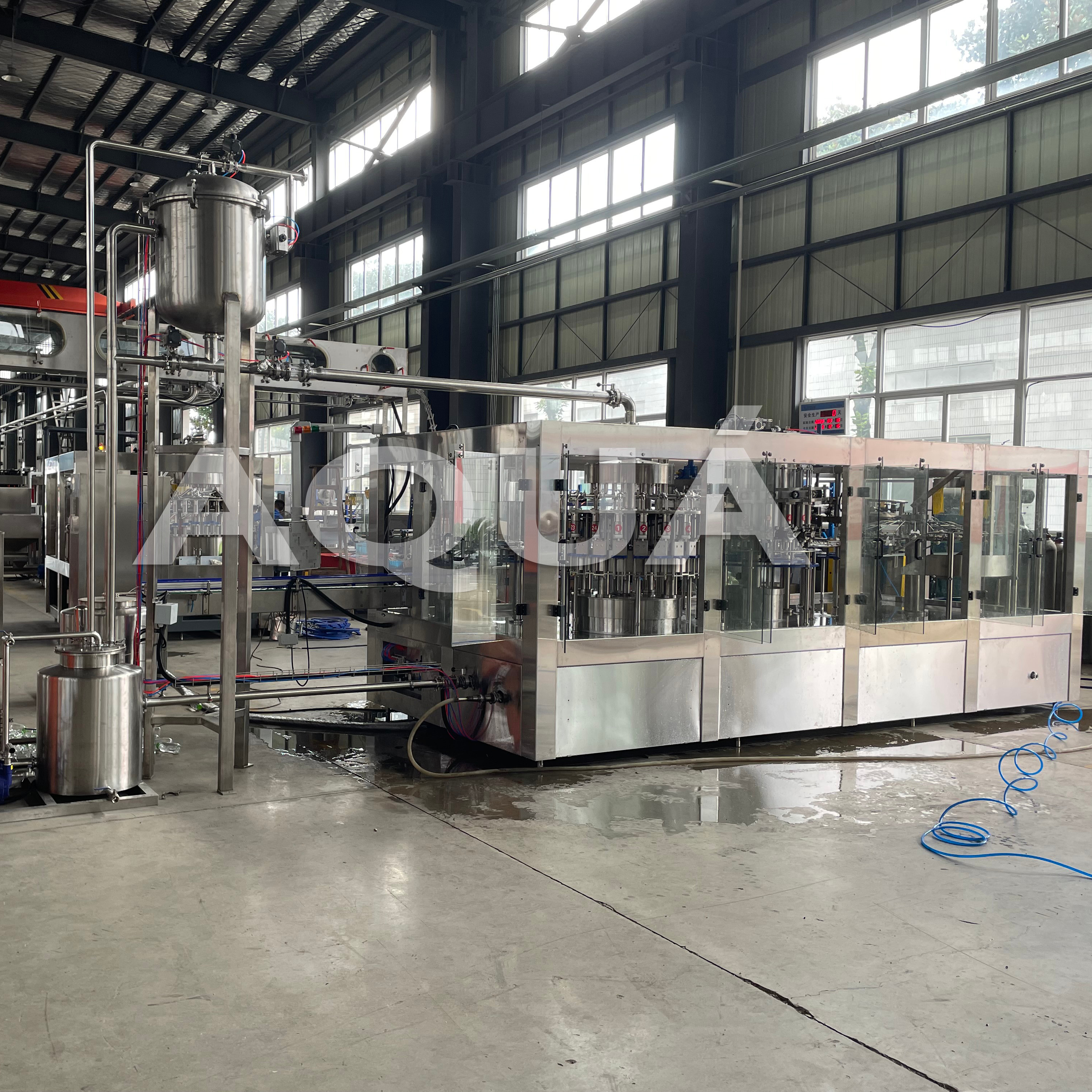
From initial water treatment (RO purification) and bottle blowing to isobaric canning, shrink sleeve labeling, and end-of-line film packaging, UJDI delivers synchronized turnkey lines tailored to plant layouts.
Whether you are establishing a craft brewery line operating at 2,000 cans per hour or scaling up a commercial beverage bottling facility reaching 15,000 bottles per hour, UJDI provides comprehensive mechanical design, factory acceptance testing (FAT), seaworthy wooden crate packaging, international installation guidance, operator training, and lifetime spare parts support.
Frequently Asked Questions by Beverage Equipment Buyers
Expert answers addressing capacity options, size changeovers, international certifications, and line engineering parameters.
What capacity range do your beer canning and liquid filling lines cover? +
Our aluminum beer and carbonated beverage canning monoblocks cover production capacities from 1,000 to 12,000 cans per hour (CPH). For PET bottled beverage and mineral water lines, our systems range from 2,000 to 15,000 bottles per hour (BPH). For 5-gallon / 19-liter water barrels, we manufacture automated washing, filling, and capping lines operating from 300 to 600 barrels per hour.
Can a single beer canning machine handle multiple aluminum can formats (Standard, Sleek, Slim)? +
Yes. By utilizing modular change parts—including customized starwheels, bottle-inlet scroll guides, can height adjustment spacers, and seaming chucks—a single UJDI canning monoblock can accommodate 250ml, 330ml, 355ml, and 500ml cans. Conversion time typically takes between 20 to 45 minutes depending on operator familiarity.
How does your machine achieve ultra-low Dissolved Oxygen (DO) levels in beer? +
We implement a dual-stage oxygen displacement process: First, the empty can undergoes pure CO₂ pre-purging before pressure equalization. Second, during the transit from the filling turret to the seaming turret, an Under-Cover Gassing (UCG) system sweeps the headspace with sterile CO₂. Combined with high-pressure micro-fobbing, this guarantees TPO pickup under 30 ppb, preserving fresh hop profile and extending product shelf-life.
Which certifications, materials, and quality inspections are supplied with your machines? +
All UJDI machinery carries European CE certification. Liquid contact surfaces are constructed strictly from food-grade stainless steel (SUS304, or SUS316L upon request). Our enterprise has been independently verified on-site by Intertek. Every machine undergoes rigorous Factory Acceptance Testing (FAT) with real bottles/cans prior to seaworthy packaging and export shipment.
What technical details are needed to receive a customized turnkey line proposal? +
To generate an accurate engineering proposal, layout drawing, and quotation, please provide: 1) Beverage type and carbonation level, 2) Container type and drawings (can standard/sleek or bottle volumes), 3) Desired output per hour (BPH/CPH), 4) Labeling method (PVC shrink sleeve, sticker, or BOPP hot glue), 5) Packing format (PE film shrink bundle or carton), and 6) Plant dimensions and local electrical power standards (Voltage/Frequency).
Do you provide overseas technical support, line commissioning, and operator training? +
Yes. UJDI provides complete global engineering support. We offer remote video installation guidance as well as on-site dispatch of experienced commissioning engineers to handle installation, electrical wiring, fine-tuning, and operator operational training. We maintain a full inventory of spare parts and offer lifetime technical assistance in English and Chinese.
Start Engineering Your Brewery or Beverage Line Today
Consult with UJDI's senior application engineers to obtain a customized plant layout, technical specification sheet, and direct factory pricing within 24 hours.