High-Performance Liquid Packaging Systems
Explore our industrial-grade bottle filling machinery engineered for water, carbonated beverages, juice, beer, and edible oils.
Engineering Excellence in Liquid Packaging Machinery
A Technical Evaluation of China's Bottling Automation Ecosystem and Advanced Sourcing Benchmarks
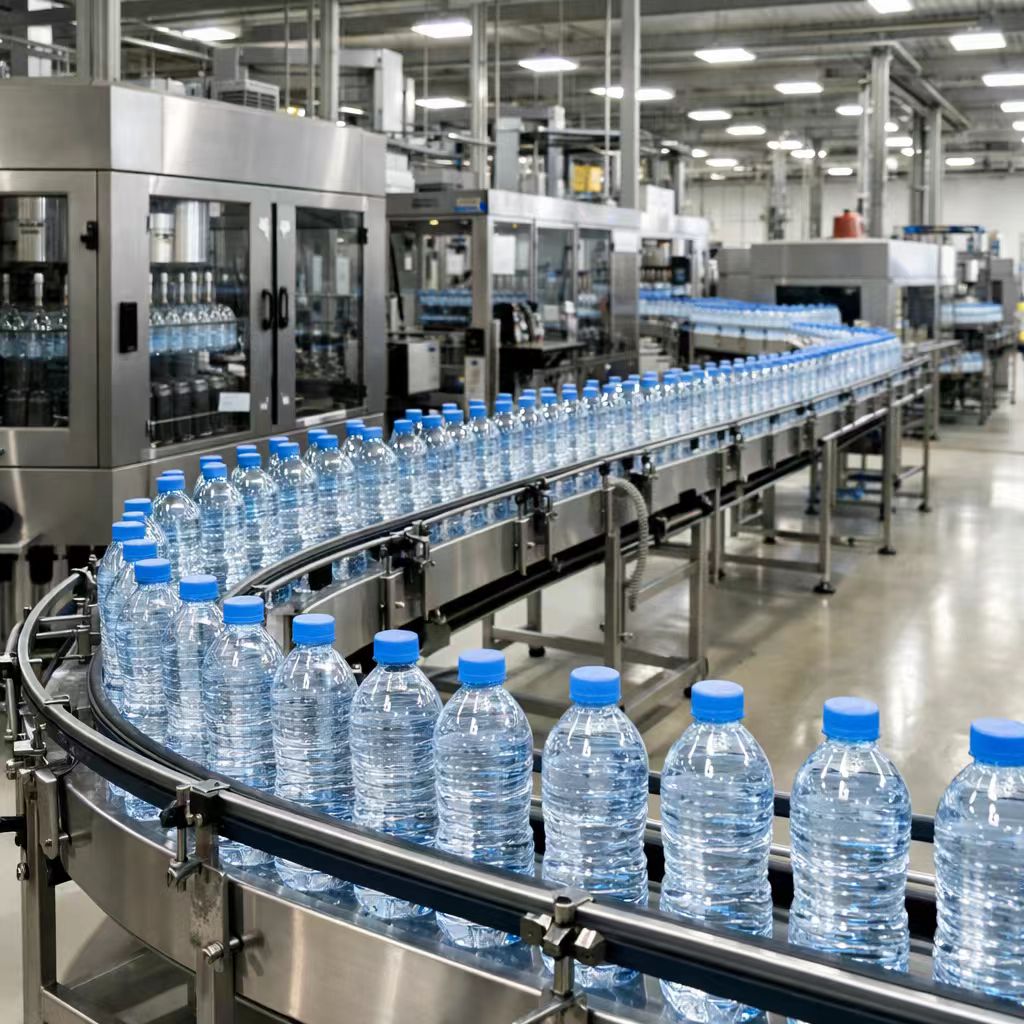
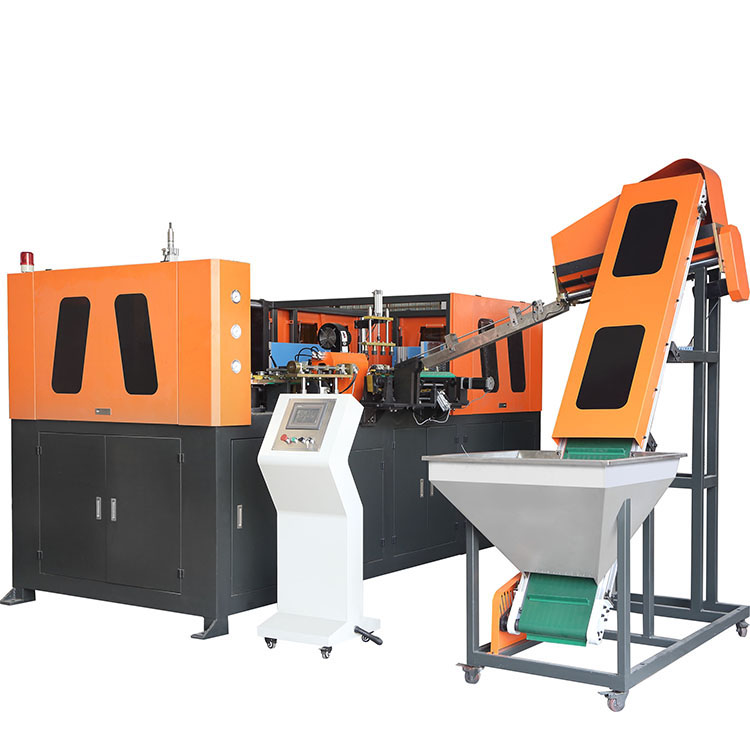
The global liquid packaging industry has experienced a paradigm shift toward high-speed, flexible, and micro-biologically secure bottling systems. As international beverage producers seek to maximize Overall Equipment Effectiveness (OEE) while lowering Total Cost of Ownership (TCO), identifying a premier China bottle filling machine supplier has become a vital strategic imperative. Modern bottling operations demand equipment that seamlessly integrates water treatment, preform blow molding, hygienic filling, precision capping, and automated end-of-line packaging.
China's packaging machinery hub—centered predominantly in Zhangjiagang, Jiangsu Province—represents the pinnacle of centralized manufacturing synergy. By leveraging advanced CNC machining infrastructure, stringent food-grade metallurgy (SUS304/SUS316L), and international automation standards (Siemens, Schneider, Festo), leading original equipment manufacturers (OEMs) produce turnkey lines capable of operational speeds ranging from 2,000 to over 15,000 bottles per hour (BPH). This whitepaper provides procurement directors, plant managers, and industrial engineers with an exhaustive technical framework for evaluating, specifying, and commissioning bottle filling lines engineered in China.
Technical Architecture of Modern Bottle Filling Machinery
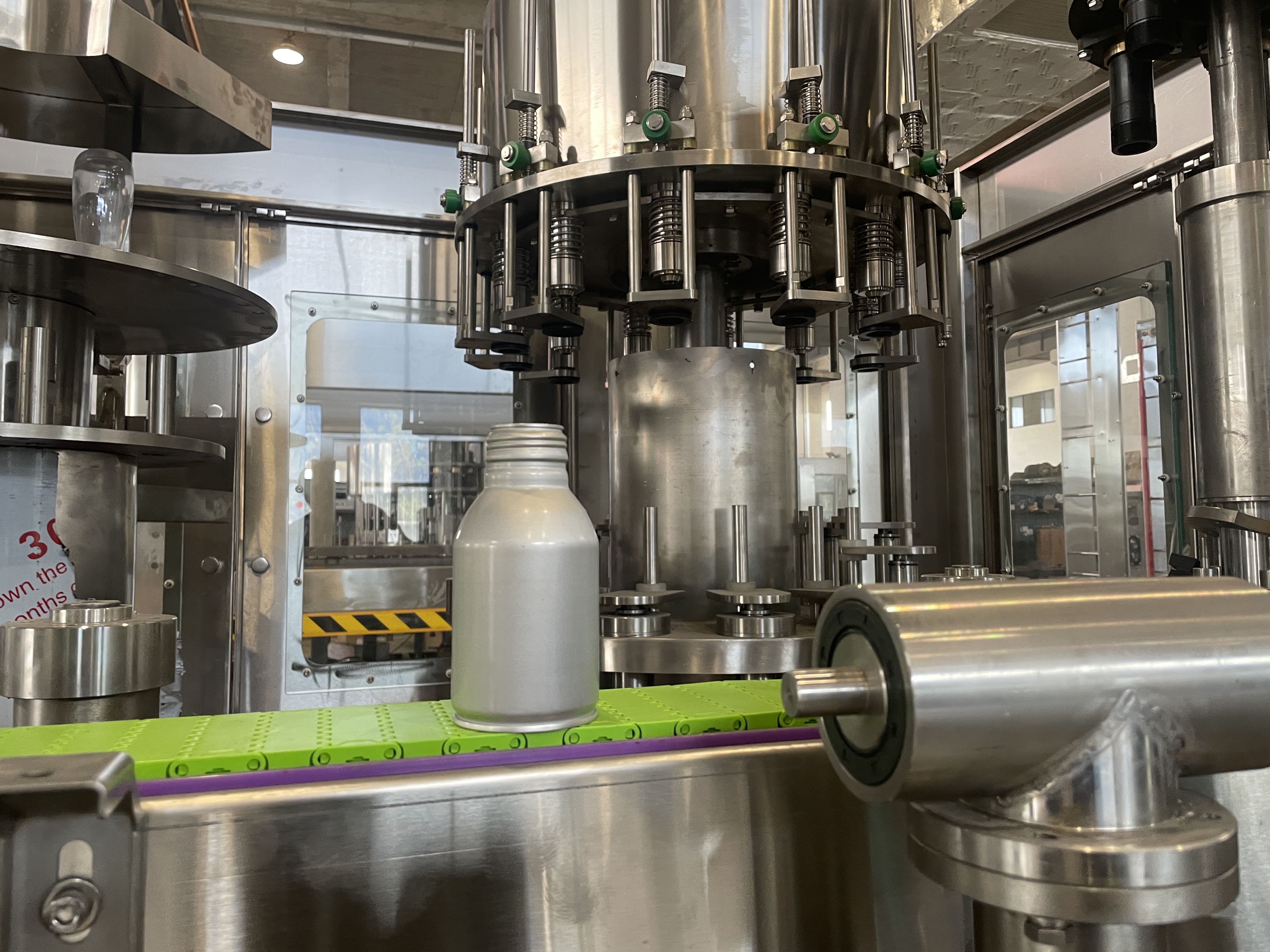
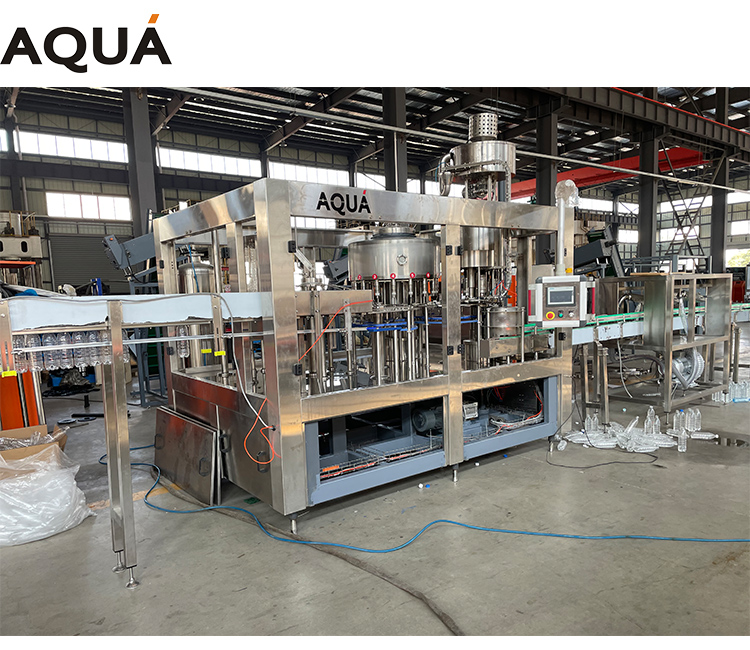
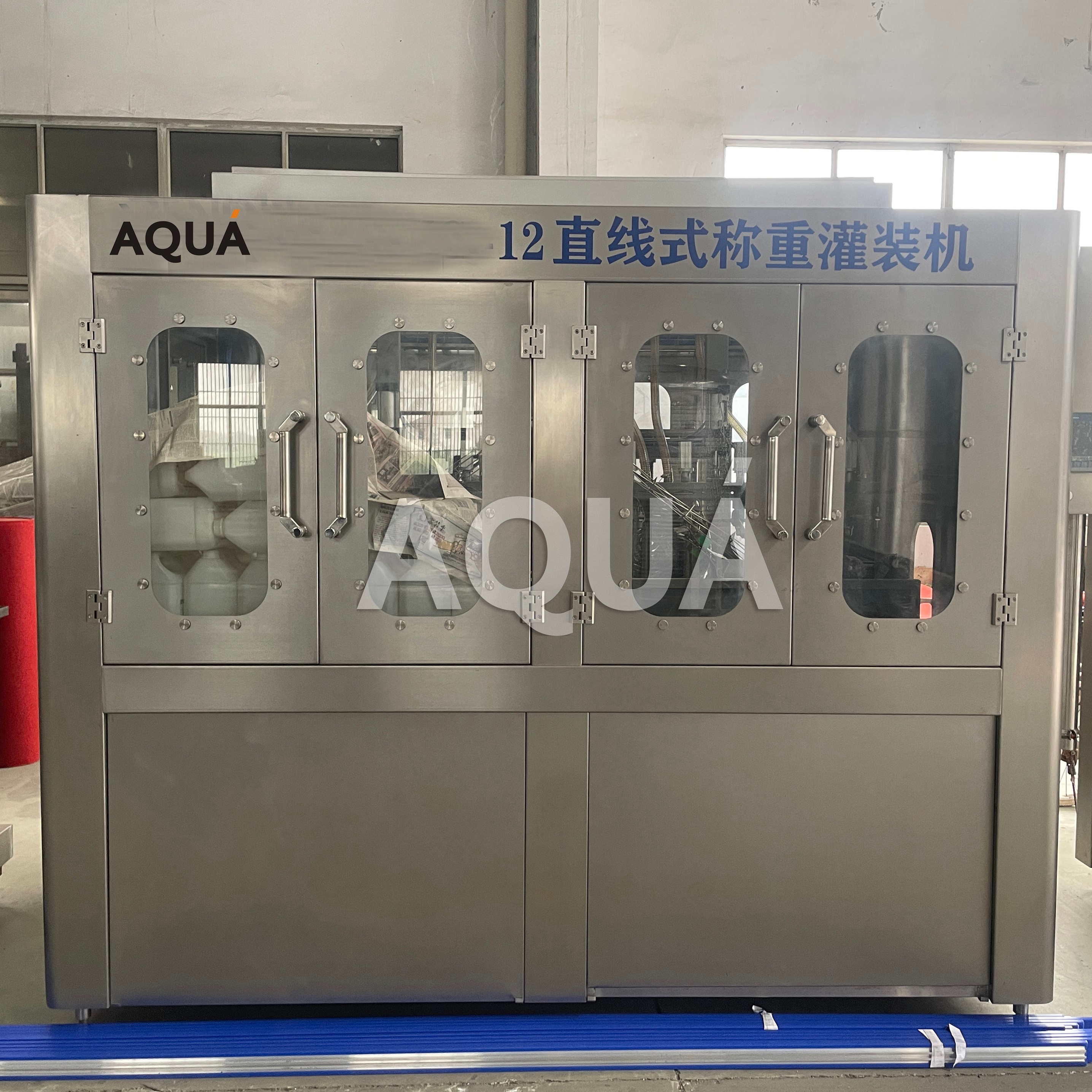
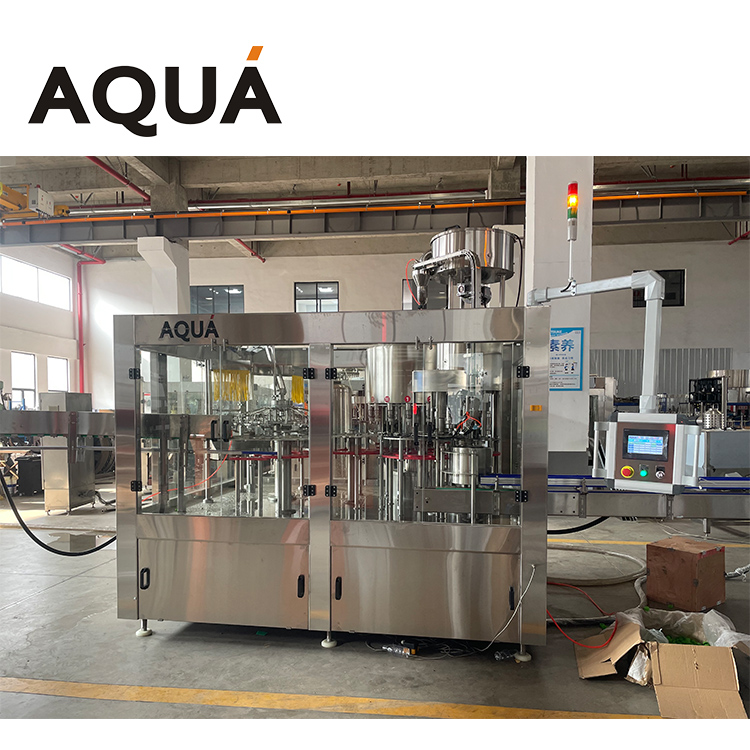
A state-of-the-art liquid filling monoblock synchronizes three primary operational phases—Rinsing, Filling, and Capping—within a unified hygienic enclosure. Understanding the mechanical dynamics of these core sub-systems is essential when auditing prospective suppliers:
Gravity & Pressure Fillers
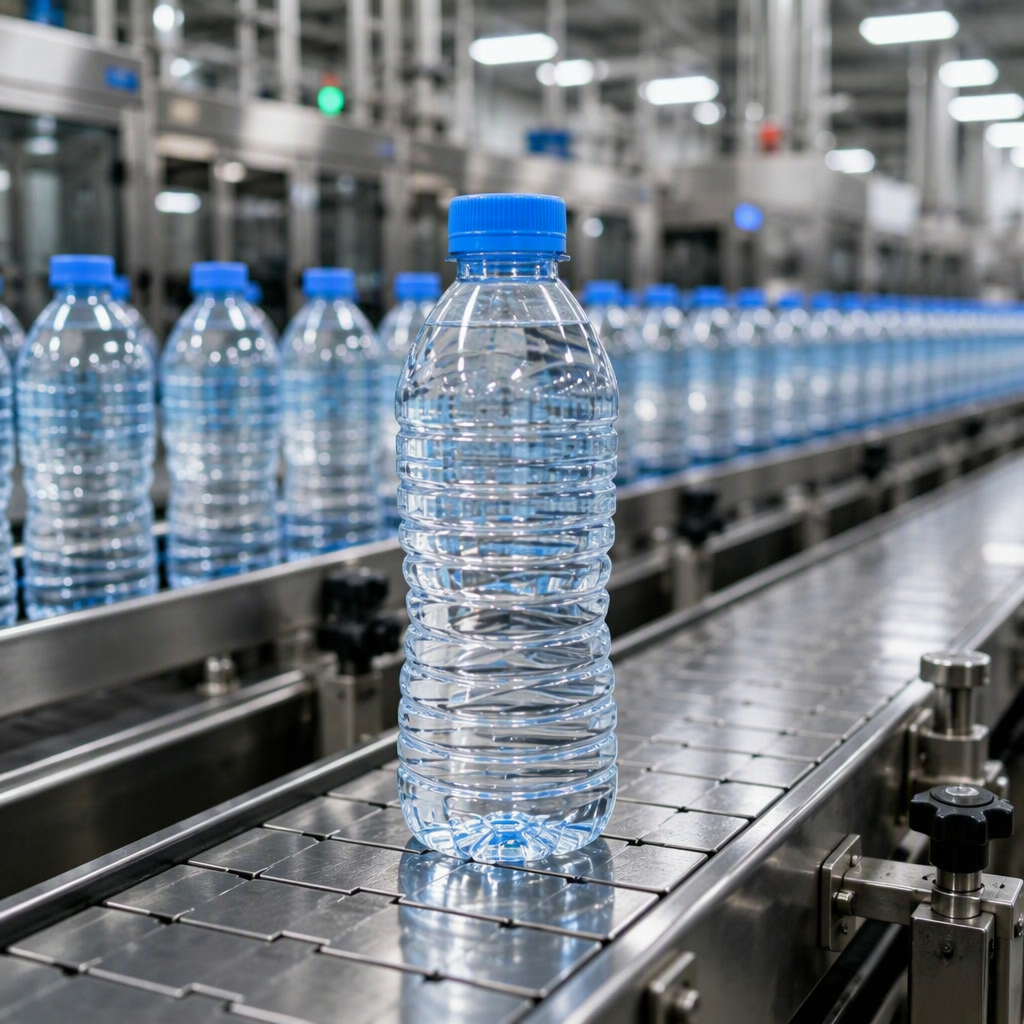
Engineered for non-carbonated liquids such as mineral water and purified spring water. Utilizing mechanical neck-handling starwheels and gravity-fed filling valves, these systems guarantee liquid level accuracy to within ±2mm while preventing container deformation.
Isobaric (Counter-Pressure)
Essential for carbonated soft drinks (CSD), sparkling water, and beer. Isobaric valves equalize CO2 gas pressure inside the container with the filling tank prior to liquid entry (2.5 to 4.0 bar rating), eliminating CO2 degassing and foam generation.
Thermal Hot Fillers
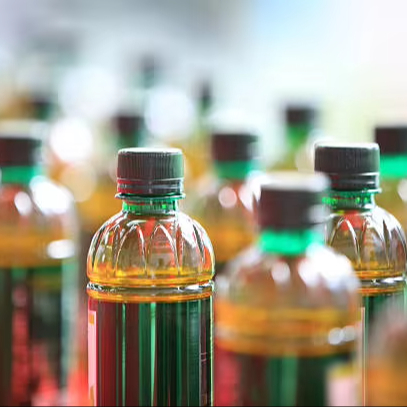
Designed for natural fruit juices, teas, and functional beverages processed at elevated temperatures (85°C–92°C). Features full CIP (Clean-In-Place) recirculation channels, thermal vacuum protection, and heat-resistant structural components.
Engineering Rule of Thumb: When sizing a filling line, total line performance should be calculated using the formula: Line Efficiency = Monoblock OEE × Downstream Buffer Index. A fully synchronized line prevents micro-stoppages, ensuring consistent hourly yield across multi-shift production cycles.
Line Selection & Capacity Specifications Matrix
To assist procurement managers in establishing baseline engineering specifications, the following matrix outlines standard plant configurations across various container types and liquid profiles:
| Target Output (BPH) | Monoblock Configuration | Filling Principle | Supported Container Types | Automation Grade |
|---|---|---|---|---|
| 2,000 – 4,000 | 8-8-3 / 14-12-5 | Gravity / Isobaric | PET (250ml - 2.0L), Glass | Semi-Automated / Fully Auto |
| 6,000 – 8,000 | 18-18-6 / 24-24-8 | Atmospheric / Hot Fill | Lightweight PET, HDPE | Fully Automated (PLC Control) |
| 10,000 – 15,000 | 32-32-10 / 40-40-12 | Isobaric / Electronic Flowmeter | Ultra-light PET, Aluminum Cans | Smart Factory Integrated |
| 300 – 600 (Barrels) | Linear Wash-Fill-Cap | High-Pressure Submerged Valve | 5 Gallon / 19L Polycarbonate | Pneumatic Robotic Transfer |
Product Development & Procurement Trends (2025–2030)
Strategic technological shifts reshaping the global liquid packaging and bottling machinery market.
1. Industry 4.0 Telemetry & Edge IoT
Modern bottling lines are moving beyond basic PLC control toward edge-computing architectures. Real-time vibration monitoring on filling carousels, thermal imaging on sealing heads, and predictive maintenance algorithms reduce un-planned downtime by up to 35%.
2. Shift to Aseptic Cold Filling
To preserve nutritional profiles without synthetic preservatives, beverage brands are transitioning from thermal hot filling to Aseptic Cold Filling. These ultra-sterile isolator systems handle delicate juices, dairy-alternative beverages, and teas under Class 100 cleanroom conditions.
3. Ultra-Lightweighting & Eco-Design
Sustainable procurement mandates the reduction of virgin PET resin. Leading Chinese suppliers are engineering high-precision neck-handling systems capable of filling ultra-lightweight bottles (down to 9.5 grams for 500ml water), drastically reducing plastic consumption and carbon footprint.
Why Zhangjiagang UJDI Machinery Co., Ltd. Leads the Sector
Combining over 13 years of engineering experience with world-class international quality standards.
Located in the heart of China’s liquid packaging machinery cluster—Zhangjiagang City, Jiangsu Province—Zhangjiagang UJDI Machinery Co., Ltd. has established itself as an authoritative manufacturer and exporter of complete bottling solutions. Rather than offering standardized off-the-shelf equipment, UJDI specializes in customized turnkey line engineering designed specifically around client bottle geometry, liquid viscosity, plant layout, and regional power utilities.
Enterprise Core Capabilities & Quality Assurance
Every filling monoblock leaving our facility undergoes rigorous multi-stage quality control protocols to guarantee zero-defect operational startup upon site delivery.
- Intertek On-Site Audited Supplier: Verified manufacturing plant, facility infrastructure, and corporate legitimacy.
- CE & ISO Compliance: Built to European safety directives with food-grade SUS304/SUS316L liquid contact contact points.
- Comprehensive Material Inspection: Ultrasonic thickness testing, spectro-analysis of stainless steel, and pressure vessel compliance.
- Pre-Shipment Factory Acceptance Testing (FAT): Full-speed dry and wet trial runs utilizing client preforms, bottles, and caps before dispatch.
- Turnkey Global Support: Overseas engineer dispatch for physical installation, line commissioning, electrical integration, and operator training.
- Modular Scalability: Equipment engineered for seamless future integration with automated blow molders, labelers, and shrink wrappers.
Frequently Asked Sourcing & Technical Questions
Addressing essential questions raised by global engineering teams and prospective buyers.
Plan Your Next Bottling Line Project with UJDI Engineers
Whether you are expanding an existing beverage plant or setting up a greenfield facility, our technical team provides custom plant layouts, OEE estimates, and competitive factory-direct quotations.
Get a Quote