Featured Bottling & Canning Packaging Systems
High-efficiency liquid packaging lines manufactured in Zhangjiagang, engineered to CE standards for global beverage, water, edible oil, and alcohol bottling plants.
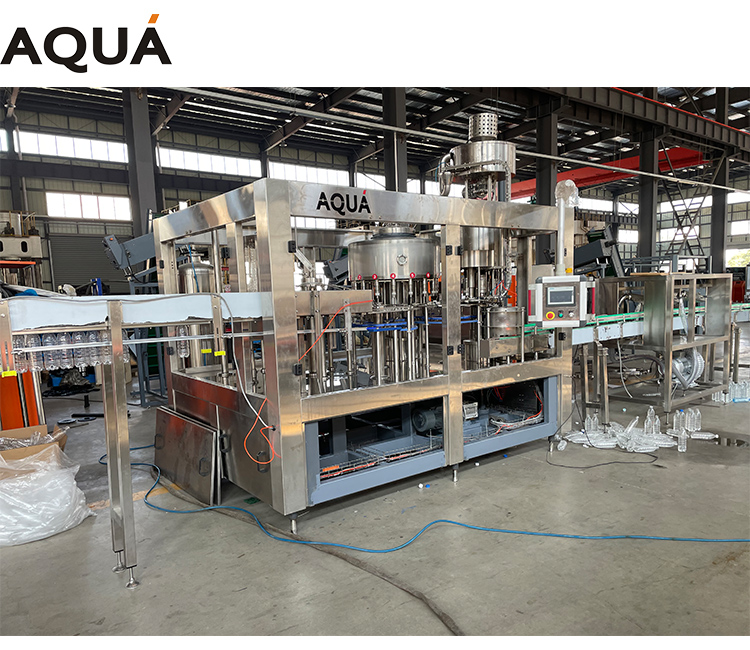
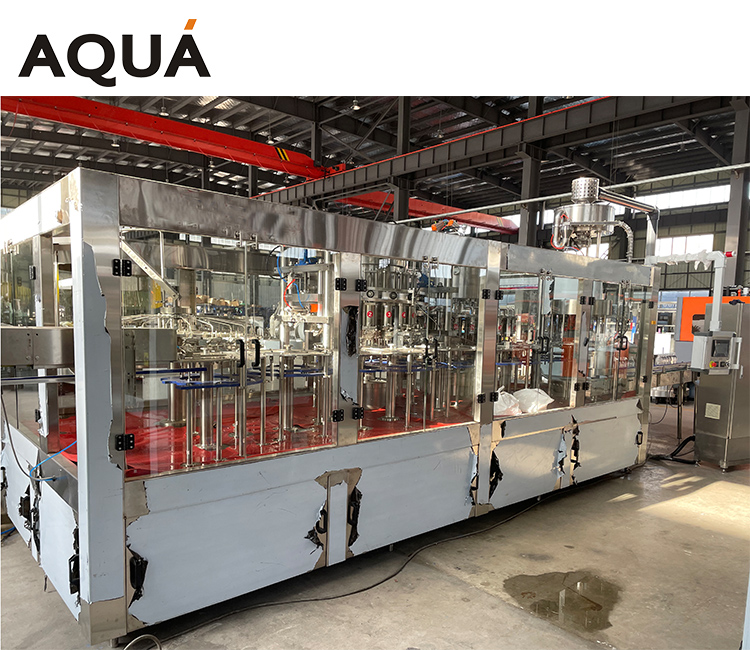
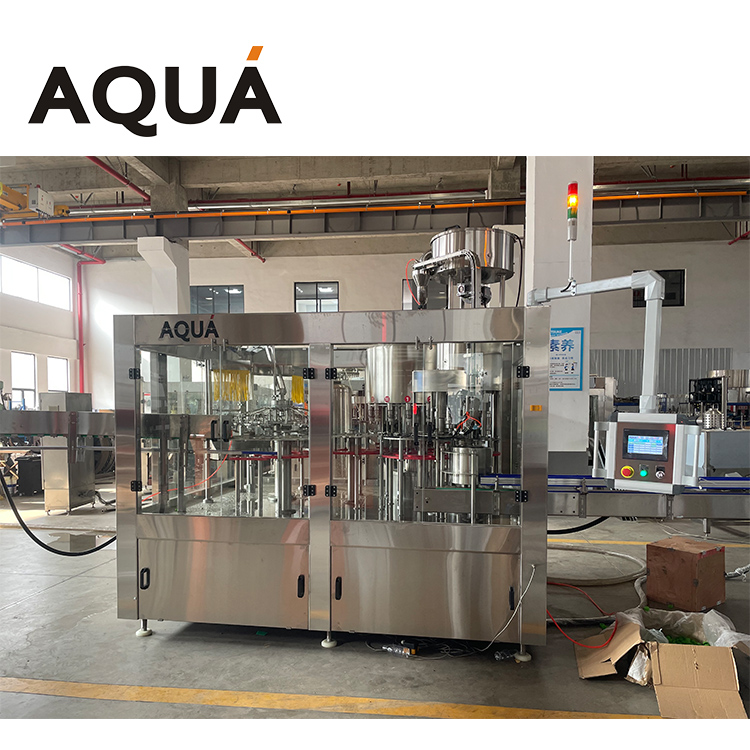
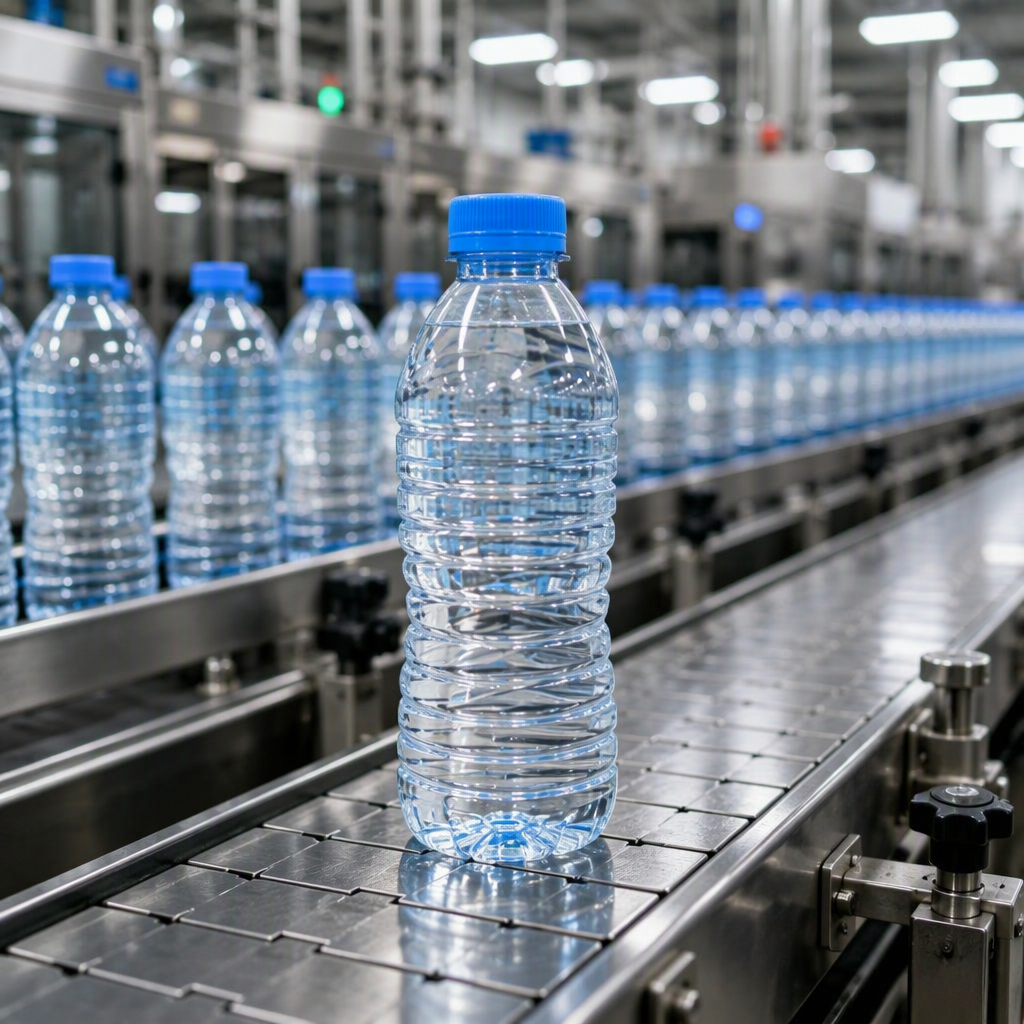

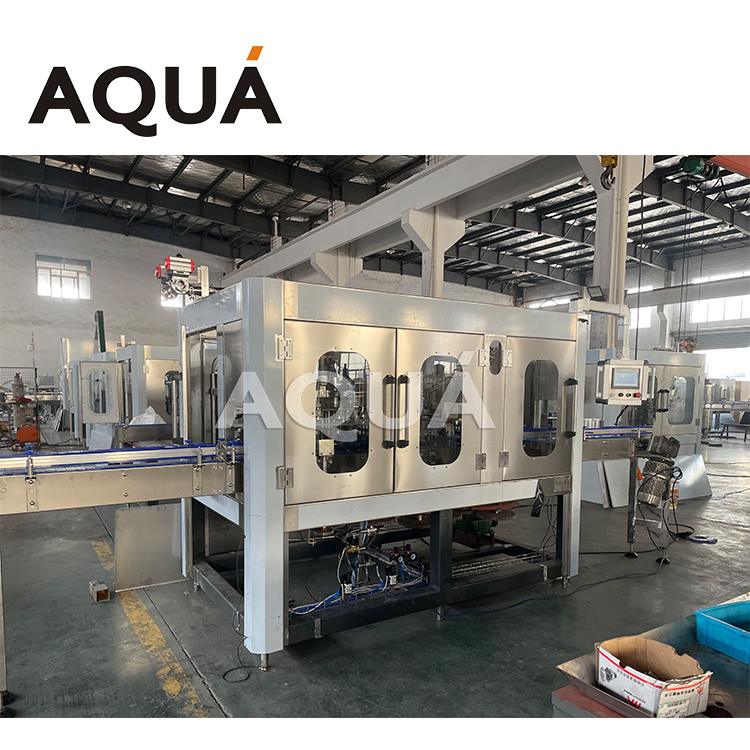
Enterprise Profile: Zhangjiagang UJDI Machinery Co., Ltd.
Situated in Zhangjiagang City, Jiangsu Province—China’s premier industrial manufacturing cluster for beverage machinery—Zhangjiagang UJDI Machinery Co., Ltd. has established itself as an authoritative leader and premier wholesaler in turnkey liquid packaging solutions. With over 13 years of specialized engineering expertise, UJDI Machinery delivers high-performance aseptic filling machines, water treatment systems, PET bottle blow molding machinery, isobaric carbonated fillers, juice hot-fill lines, and automated secondary packaging equipment.
Our manufacturing operations adhere strictly to international quality management systems. Evaluated and verified on-site by third-party auditing authority Intertek, our facility integrates advanced CNC machining, orbital stainless steel welding, and cleanroom assembly zones. Every aseptic and hygienic filling line engineered by UJDI Machinery carries full CE certification, utilizing premium food-grade SUS304 and SUS316L stainless steel for all product-contact surfaces to ensure complete metallurgical purity, anti-corrosion resilience, and food safety compliance under ISO 22000 and HACCP frameworks.
Intertek Audited Facility
On-site audited and verified manufacturing infrastructure ensuring transparent corporate governance, operational authenticity, and rigorous supply chain reliability.
CE & ISO 22000 Compliance
Fully compliant with European Conformity (CE) safety directives and sanitary design parameters required for international beverage and dairy production.
Global Turnkey Engineering
Export footprint spanning over 50 countries across Latin America, Africa, the Middle East, and Southeast Asia, backed by localized technical support.
Technical Whitepaper: Aseptic Cold Filling vs. Traditional Hot Filling
In modern beverage manufacturing, the shift toward Aseptic Cold Filling Technology represents a major leap in product quality, operational sustainability, and thermal efficiency. Traditional hot filling requires heating the beverage to 85°C–92°C and holding it at elevated temperatures to achieve thermal pasteurization inside heat-resistant PET bottles. While effective for simple acidic juices, hot filling inflicts thermal stress on the product, destroying heat-sensitive nutrients, degrading delicate flavor profiles, altering natural color, and requiring heavy, rigid PET containers with vacuum panels.
Aseptic filling solves these challenges by sterilizing the beverage product and the packaging materials independently, followed by volumetric filling and capping inside an ultra-clean, micro-biologically isolated environment maintained under positive pressure with ISO Class 5 (Class 100) HEPA-filtered air.
Microbiological Validation & Sterilization Dynamics
To achieve commercial sterility (non-spores shelf stability at ambient storage), UJDI Machinery’s aseptic isolator systems deliver a verified Log-6 reduction (99.9999% destruction) of resistant bacterial spores, including Bacillus atrophaeus and Clostridium botulinum. Sterilization is executed via two primary methodologies depending on client container specifications:
- Vaporized Hydrogen Peroxide (VHP / V-H₂O₂): A dry chemical sterilization approach where high-concentration hydrogen peroxide gas is vaporized and sprayed onto container preforms or blown bottles, followed by hot sterile air drying to eliminate residues below 0.5 ppm.
- Peracetic Acid (PAA) Wet Sterilization: A wet liquid rinse process utilizing temperature-controlled PAA solution sprayed internally and externally across bottle surfaces, followed by a multi-stage rinse with sterile, deionized RO water.
| Engineering Parameter | UJDI Aseptic Cold Filling | Conventional Hot Filling | Standard Mineral Water Filling |
|---|---|---|---|
| Filling Temperature | Ambient (20°C - 25°C) or Cold (4°C - 15°C) | Thermal Elevated (85°C - 92°C) | Ambient (15°C - 25°C) |
| Enclosure Cleanroom Class | ISO 14644-1 Class 5 (Class 100 Isolator) | Standard Sanitary Enclosure (Class 10,000) | Standard Dust Cover / HEPA Hood |
| Microbiological Kill Rate | Log 6 (99.9999% Sporicidal Destruction) | Thermal Pasteurization (Log 4 to 5) | Physical Filtration / Ozone Sanitation |
| PET Bottle Weight (500ml) | Ultra-Lightweight (11g - 14g) | Heavy Heat-Set Vacuum PET (24g - 28g) | Lightweight (12g - 15g) |
| Nutrient & Flavor Retention | > 95% Natural Vitamin & Taste Preservation | Significant Thermal Degradation | N/A (Pure Mineral Matrix) |
| Energy Consumption (Heating) | Low (Short-time HTST/UHT treatment) | High (Sustained bulk liquid heating) | Very Low (No pasteurization required) |
Anatomy of a Turnkey Aseptic Bottling Line
A complete aseptic manufacturing system engineered by Zhangjiagang UJDI Machinery integrates several synchronized subsystems designed to work as one continuous, low-maintenance line:
1. Water Purification & Process Liquid Preparation
Raw water passes through multi-media quartz sand filtration, activated carbon absorption, dual-stage Reverse Osmosis (RO), continuous electrodeionization (EDI), and terminal ultraviolet (UV) plus ozone disinfection loops. This delivers purified water matching USP/EP pharmaceutical standards for beverage formulation and CIP (Clean-in-Place) rinsing loops.
2. UHT (Ultra-High Temperature) Sterilizer
Utilizing tubular or plate heat exchangers, the product liquid undergoes flash sterilization at 137°C–142°C for 4 to 6 seconds, followed by rapid vacuum cooling to ambient filling temperature. This flash profile sterilizes the product while preserving original color, volatile aromatic compounds, and sensory characteristics.
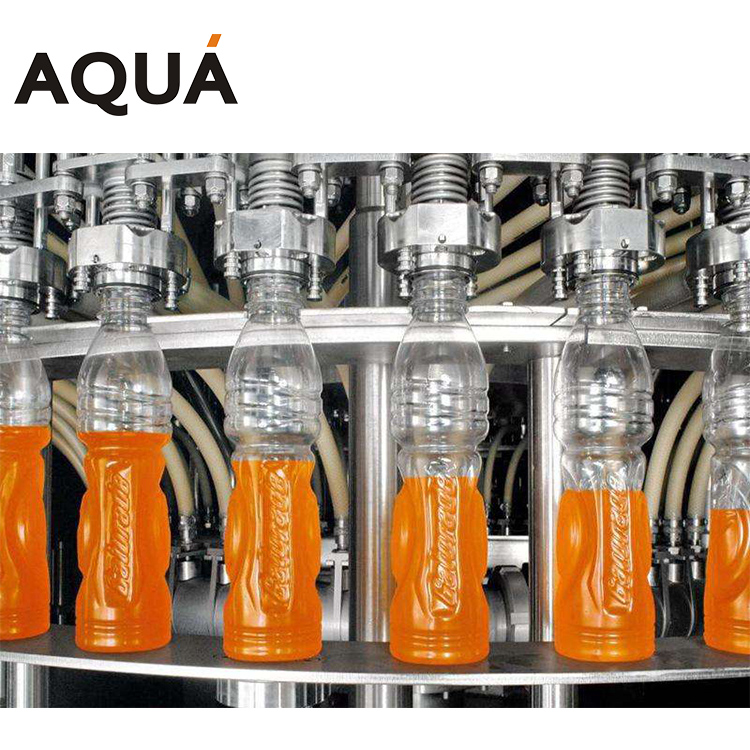
3. Aseptic Rinsing-Filling-Capping Monoblock
The heart of the line is a synchronized 3-in-1 or 4-in-1 rotary monoblock operating inside an aseptic isolator zone under continuous positive overpressure.
- Sterile Container Rinsing: Bottles are grabbed by neck clamps, inverted 180 degrees, and thoroughly sprayed with disinfectant followed by sterile air blowing or sterile RO water rinsing.
- Electromagnetic Volumetric Dosing: Non-contact filling valves equipped with high-precision magnetic flowmeters or electronic mass flowmeters dispense liquid without touching the bottle neck, eliminating cross-contamination risks and ensuring a filling accuracy of ±0.2%.
- Aseptic Cap Sterilization & Capping: Caps are treated in a continuous liquid chemical or VHP tunnel, rinsed, and torqued onto bottles using magnetic constant-torque capping heads under aseptic air shower protection.
4. Downstream Inspection & Secondary Packaging
Post-filling, bottles pass through online vacuum/pressure decay leak detectors, high-speed vision inspection for fill level and cap skewness, dynamic sleeve or BOPP hot-glue labelers, laser date coders, and heavy-duty automatic PE film shrink wrapping or wrap-around case packing machinery.
Industry Trends: Future of Aseptic Packaging & Global Procurement
As global beverage manufacturers adapt to shifting consumer demands, regulatory pressures, and sustainability goals, four primary technology drivers are transforming the aseptic equipment market:
1. Preform Sterilization & E-Beam Tech
Transitioning from bottle sterilization to preform sterilization reduces chemical usage by up to 80% and water consumption by 90%. Direct Electron-Beam (E-Beam) preform treatment is emerging as the ultimate chemical-free sterilization standard.
2. Extreme Container Lightweighting
Because aseptic filling operates at room temperature, PET bottles no longer require thick sidewalls or rigid vacuum ribs. Operators can reduce preform resin mass by 30% to 45%, yielding massive annual raw material savings.
3. Digital Twin & Smart CIP/SIP
Modern UJDI aseptic lines incorporate IoT sensor networks and PLC-driven SCADA interfaces that automate Clean-in-Place (CIP) and Sterilization-in-Place (SIP) sequences with real-time validation logging for full audit traceability.
Procurement Evaluation & Vendor Audit Checklist
When sourcing high-speed liquid packaging lines or aseptic monoblocks from Chinese suppliers, procurement directors and engineering leads should evaluate key technical criteria to ensure long-term ROI and operational reliability:
- Metallurgical Verification: Ensure all fluid channels use genuine SUS316L stainless steel with surface roughness Ra ≤ 0.4 μm to prevent biofilm accumulation.
- Sterility Assurance Level (SAL): Require validation data proving a minimum Log-5 to Log-6 reduction using recognized biological indicators (e.g., Geobacillus stearothermophilus).
- Isolator Air Hygiene: Verify that cleanroom enclosures utilize H14 grade HEPA filters providing 99.995% efficiency at 0.3 microns, maintaining positive differential pressure (≥ 15-25 Pa).
- Automation Compatibility: Standardize on global PLC platforms such as Siemens S7-1500, Allen-Bradley, or Schneider, paired with pneumatic controls from Festo or SMC for seamless local spare parts sourcing.
- FAT & SAT Protocols: Mandate a complete Factory Acceptance Test (FAT) with client preforms/caps and actual liquid product prior to export packing, followed by Site Acceptance Testing (SAT) and IQ/OQ/PQ validation support.
Frequently Asked Questions (Procurement & Engineering FAQ)
Direct answers to technical queries encountered by sourcing managers, plant engineers, and beverage plant investors.
What capacity range do your bottled water and beverage filling lines cover?
Can one UJDI filling monoblock process multiple bottle sizes and formats?
Which certifications and sanitary materials are utilized in your machines?
What parameters are required to generate a custom turnkey line proposal?
Does UJDI Machinery handle overseas installation, commissioning, and training?
Can you supply the complete turnkey line beyond the main filling machine?
Ready to Engineer Your High-Speed Bottling Facility?
Connect directly with senior engineering specialists at Zhangjiagang UJDI Machinery Co., Ltd. Get a complete turnkey proposal, line layout design, and competitive wholesale quote tailored to your production goals.
Get a Quote