Turnkey Coconut Water & Beverage Bottling Solutions
Explore field-proven liquid processing, RO purification, and high-speed filling machinery engineered for optimal yield, enzyme deactivation, and commercial sterile stability.
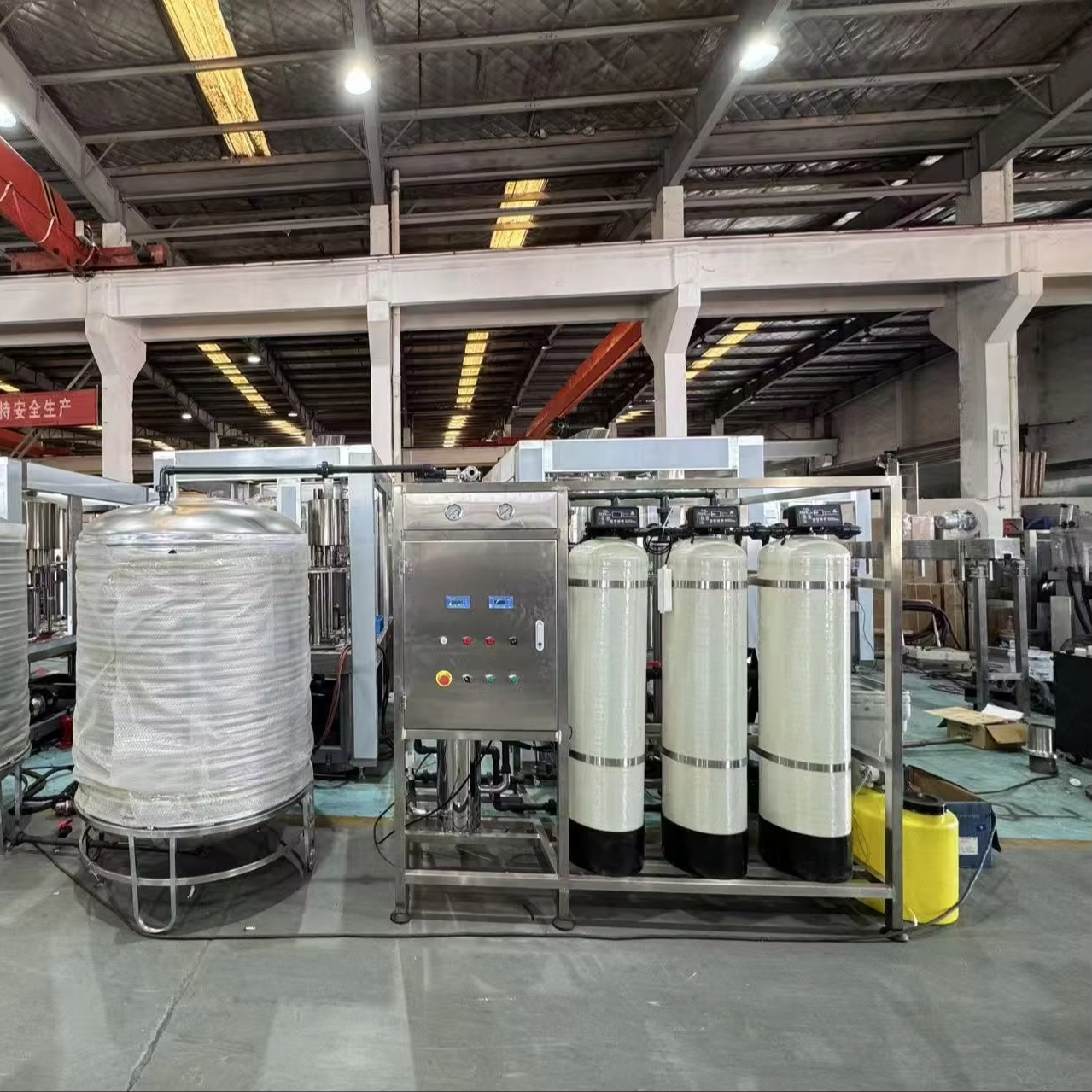
Sistema De Purificacion De Agua Por Osmosis Inversa Industrial 1000LPH Planta De Tratamiento De Agua RO
- Capacity: 1,000 Liters / Hour
- Filter Standard: Multi-Stage RO + EDI
- Application: Process Water & CIP Purifying
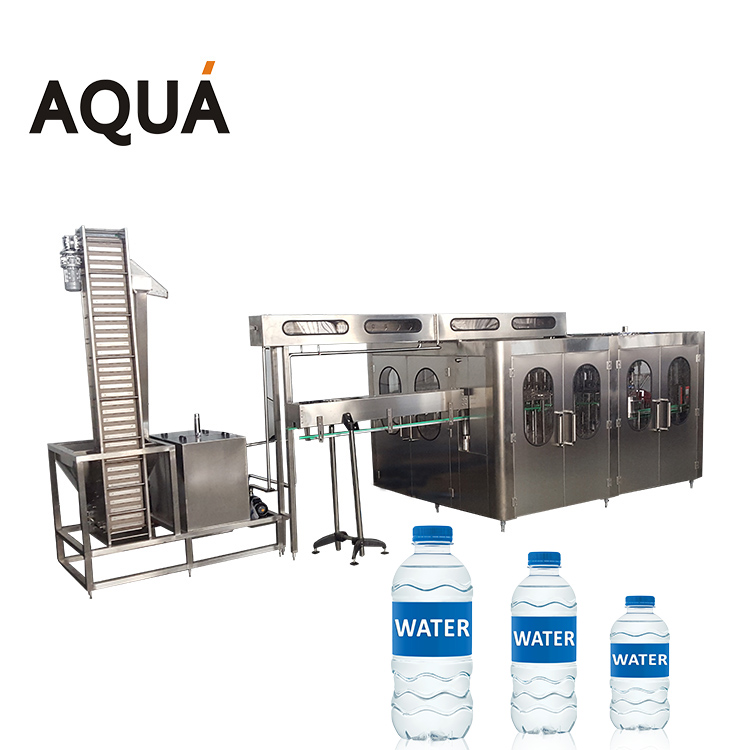
Automatic Machine Complete Production Line for Mineral Water Plant with a Capacity 2000bph
- Speed: 2,000 Bottles / Hour
- Automation: Fully Automatic Monoblock
- Bottle Range: 250ml - 2.0L PET
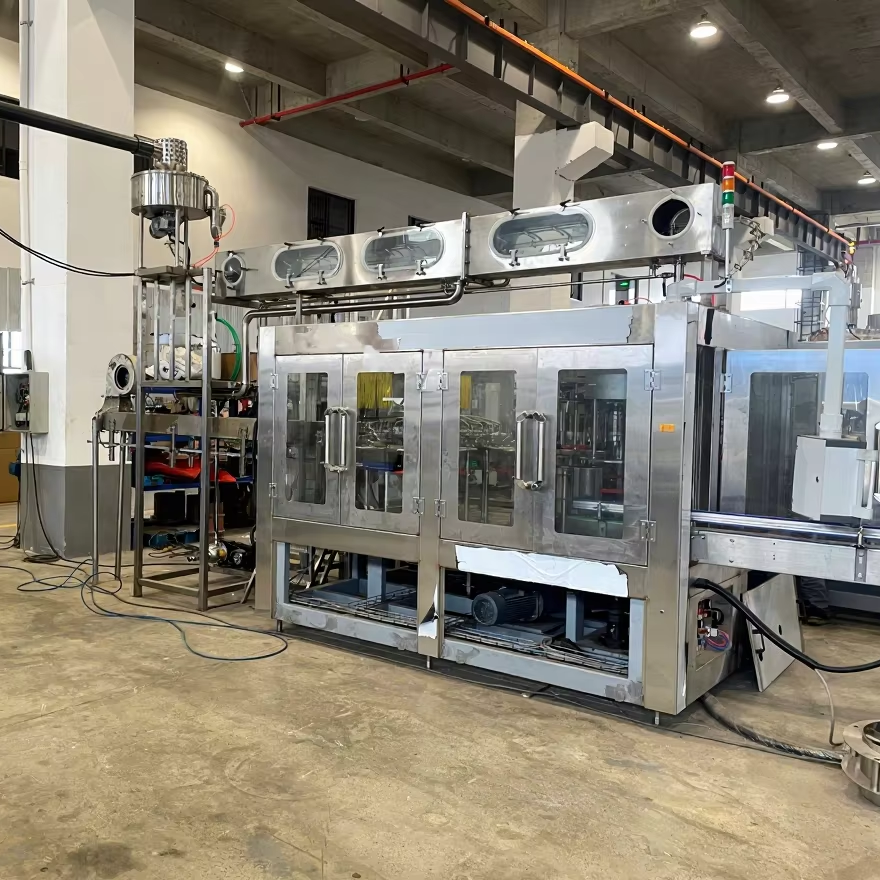
15000BPH Automatic Mineral Water Filling Machine for Bottled Water Production Automatic Filling and Capping System
- Speed: 15,000 Bottles / Hour
- Technology: Isobaric / Gravity Fill
- Material: Food-Grade SUS304 / 316
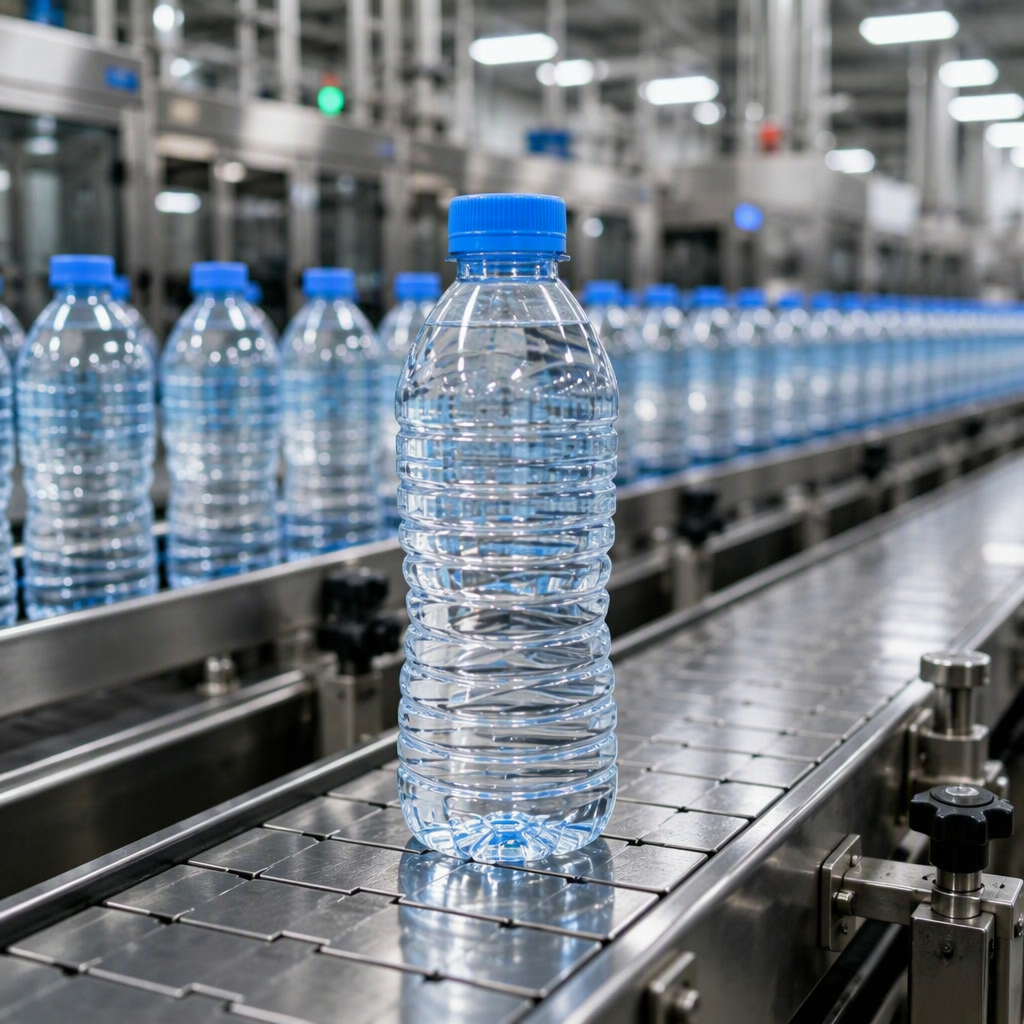
Maquina Automatic De Production Y Embotellado De Agua /Linea Completa De Purificacion Y Llenado De Agua Para Botellas De PET
- Function: Purify + Bottle + Cap
- Controls: Siemens PLC + Touchscreen
- Compliance: CE & ISO Certified
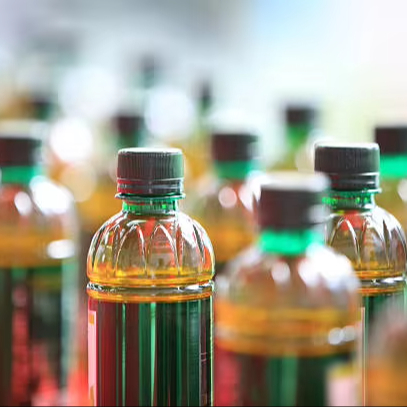
6000bph Complete Line for Filling Plant for Bottled Water Filling Machine Full Flavored Water Line
- Speed: 6,000 Bottles / Hour
- Versatility: Pure Water / NFC Juice / Tea
- Dosing: Precision Flowmeter
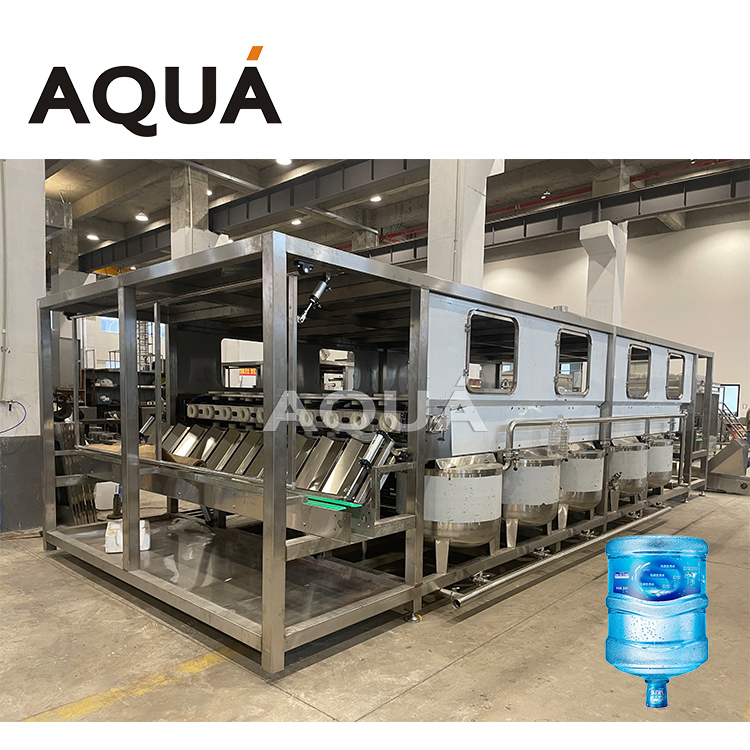
AQUA QGF 600 Complete Line for Automatic 5 Gallon Washing Filling Sealing Machine
- Speed: 600 Barrels / Hour
- Container: 5 Gallon / 19L Large Jug
- Washing: Multi-Stage Rotary Spray
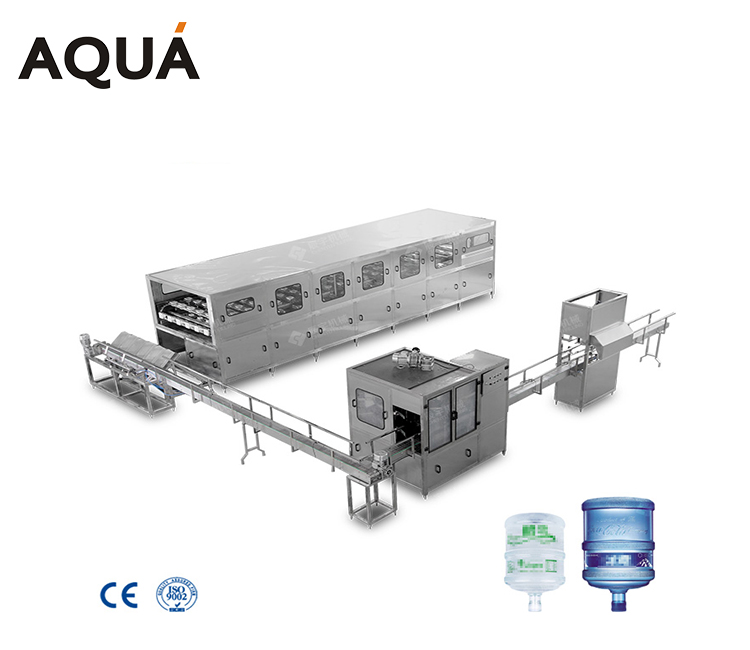
Automatic 5 Gallon Washing Machine / 19L Water Filling Machine Machine
- Operation: Decapping + Wash + Fill
- Structure: Heavy Stainless Steel Frame
- Hygiene: UV Sterilization Chamber
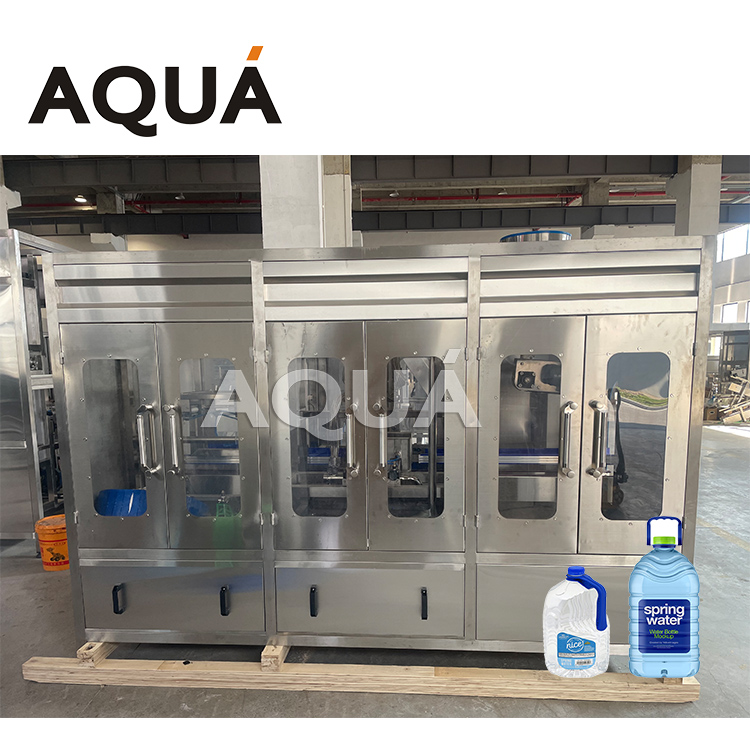
5L 6L 7L 10L Bottled Water Purification Bottling and Packing Machine Line
- Volume Range: 5 Liters to 10 Liters
- Monoblock: Rinsing-Filling-Capping
- End of Line: Automatic Shrink Wrap
1. Executive Summary & Market Intent: Sourcing Commercial Coconut Water Machinery
The global demand for natural, electrolyte-rich beverages has transformed coconut water from a regional tropical commodity into a high-value global consumer staple. However, industrial processing of coconut water presents some of the most delicate chemical and mechanical engineering challenges in the food and beverage packaging sector. Raw coconut water (both young green coconut juice and mature coconut liquid) is extremely sensitive to thermal degradation, enzymatic browning (driven by Polyphenol Oxidase - PPO and Peroxidase - POD enzymes), oxidation, and microbiological spoilage.
When selecting a qualified coconut water processing equipment supplier or wholesaler, procurement teams, plant operation directors, and beverage investors must look beyond basic filling speeds. Equipment must deliver stringent control over micro-filtration, cold-extraction yield, vacuum degassing, thermal heat load (D-value and z-value management), and aseptic cold filling. This whitepaper analyzes the top 10 global manufacturers, current equipment innovations, procurement criteria, and future technological vectors defining the industry from 2025 through 2030.
Turnkey Coconut Water Processing Stages
A complete commercial production line spans extraction to final secondary packaging. Each module plays a vital role in protecting freshness, natural flavor, and color stability.
1. Drilling & Extraction
Automated mechanical knives or pneumatic extraction needles pierce the nut, harvesting fresh water under nitrogen blanket protection to prevent immediate air exposure.
2. Clarification & Separation
Multi-stage disk-stack centrifuges and tubular ceramic membranes remove coconut meat fibers, suspended solids, and lipids to achieve crystal clarity.
3. Vacuum Degassing
Deaeration vessels operate under deep vacuum (-0.08 to -0.09 MPa) to remove entrained oxygen, halting oxidative rancidity and preserving natural pink-resisting color.
4. Tubular UHT Sterilization
Ultra-High Temperature flash treatment (138°C–142°C for 3 to 5 seconds) inactivates PPO and POD enzymes while destroying spore-forming microbes with minimum organoleptic impact.
5. Aseptic Monoblock Filling
Class 100 isolated sterile filling blocks handle PET bottles, aluminum cans, or glass bottles under positive sterile air pressure, capping with sterile caps.
6. End-of-Line Packaging
Automatic sleeve labelers, inkjet/laser coders, shrink wrapping systems, and robotic palletizers prepare final multi-packs for global export distribution.
2. Benchmark Matrix: Top 10 Coconut Water Processing Equipment Suppliers
Selecting the right supplier depends on plant capacity, product formulation (NFC vs reconstituted), budget CAPEX, and local technical service capabilities. Below is an expert-curated comparative benchmark of leading OEM manufacturers and turnkey suppliers across the market.
| Manufacturer / Supplier | HQ Location | Primary Technology Specialization | Capacity Range (BPH / LPH) | Key Advantage & Focus |
|---|---|---|---|---|
| Zhangjiagang UJDI Machinery Co., Ltd. | China | Turnkey Bottling Lines, RO Systems, Aseptic Monoblocks | 2,000 – 15,000 BPH | High ROI, custom engineering, complete pre-to-post line integration |
| Tetra Pak International | Sweden / Switzerland | Aseptic Carton Packaging & Processing Systems | 3,000 – 24,000 Pack/h | Industry standard for aseptic paperboard carton formats |
| GEA Group AG | Germany | Centrifugal Clarification & Evaporation Systems | 5,000 – 30,000 LPH | Superior fat/fiber separation centrifuges & thermal units |
| Alfa Laval AB | Sweden | Gasketed Plate & Tubular Heat Exchangers | 1,000 – 40,000 LPH | Ultra-efficient heat recovery and gentle liquid handling |
| JBT Corporation | USA | Fruit Extraction & High-Pressure Processing (HPP) | Batch to 20,000 LPH | Pioneering cold-press extraction and Avure HPP equipment |
| SPX FLOW (APV / Anhydro) | USA | Micro-Particulation, Homogenization, UHT Skids | 2,000 – 25,000 LPH | High-pressure homogenizers for emulsion stability |
| Krones AG | Germany | High-Speed PET & Glass Bottling Lines | 10,000 – 60,000 BPH | Large-scale mega-factory automated bottling installations |
| CFT Group (Coesia) | Italy | Thermal Processing & Canning Monoblocks | 3,000 – 30,000 CPH | Specialized aluminum can filling & double-seaming lines |
| Elea Technology | Germany | Pulsed Electric Field (PEF) Processing | 1,000 – 10,000 LPH | Non-thermal microbial cell disintegration technology |
| HRS Heat Exchangers | UK / Spain | Corrugated Tube Sanitary Pasteurizers | 1,500 – 20,000 LPH | High heat transfer coefficient for viscous coconut pulp liquids |
3. Technical Innovations & Future Procurement Trends (2025–2030)
A. Non-Thermal Preservation: HPP & PEF Integration
Traditional thermal pasteurization can compromise the delicate aromatic compounds (such as delta-lactones) responsible for fresh coconut flavor. Advanced processing plants are increasingly incorporating High-Pressure Processing (HPP) at 600 MPa (87,000 psi) or Pulsed Electric Field (PEF) systems. HPP achieves log-5 microbial reduction at ambient temperatures, enabling a 60–90 day refrigerated shelf life for raw, unheated coconut water. Procurement trends indicate a 35% rise in demand for hybrid lines compatible with both thermal UHT and HPP packaging streams.
B. Cold Aseptic PET Packaging Monoblocks
Energy costs associated with hot-filling heavy PET bottles have pushed bottlers toward Cold Aseptic Filling. By sterilizing preforms or lightweight bottles with vaporized hydrogen peroxide (VHP) or peracetic acid (PAA), coconut water can be filled at ambient temperature (20°C–25°C). This slashes bottle resin weight by up to 30%, eliminates bottle paneling deformation, and reduces heat utility consumption by 40%.
C. Ceramic Ultrafiltration (UF) for Lipid and PPO Control
Mature coconut water contains higher fat fractions (up to 0.2-0.5%) that can cause phase separation and oil droplets on top of packaged products. Modern processing skids integrate cross-flow tubular ceramic membranes with pore sizes ranging from 0.05 to 0.2 microns. Ceramic UF filters physically screen out insoluble enzymes and lipids without requiring chemical additives, producing crystal-clear liquid ideal for premium functional electrolyte drinks.
Engineering Key Insight: Prevention of Enzymatic Browning
When coconut water comes into contact with air, Polyphenol Oxidase (PPO) oxidizes phenolic compounds into quinones, which polymerize into dark brown or pink pigments. Sourcing extraction equipment with nitrogen purge injection at the piercing head coupled with deaeration vessels operating under deep vacuum (-0.09 MPa) is essential to guarantee color retention prior to pasteurization.
D. Sustainable CIP (Clean-in-Place) & Energy Heat Recovery Loops
Modern beverage processors require automated 3-stage or 5-stage CIP systems equipped with conductivity meters, pneumatic routing manifolds, and heat recovery circuits. Regenerative tubular heat exchangers in UHT systems now achieve up to 85–90% thermal energy recovery, using heat from cooked product to preheat incoming raw juice, drastically reducing boiler fuel consumption.
4. Enterprise Focus: Zhangjiagang UJDI Machinery Co., Ltd.
As a prominent Chinese manufacturer based in Zhangjiagang, Jiangsu — China's premier cluster for liquid packaging machinery — Zhangjiagang UJDI Machinery Co., Ltd. has established over 13 years of expertise delivering customized water treatment, juice processing, and turnkey bottling lines worldwide.
Intertek Assessed Supplier
Verified on-site by international auditing agency Intertek. Production workshops, machining centers, and quality management strictly comply with ISO9001 standards.
CE Certified Equipment
All pressure vessels, electrical panels, filling monoblocks, and labeling machines carry full CE certification for seamless import into EU, Middle Eastern, and American markets.
Full Sanitary Construction
Product contact surfaces are engineered exclusively using food-grade SUS304 or mirror-polished SUS316L stainless steel, fully compatible with automated CIP routines.
Turnkey Engineering
From water treatment (RO/EDI), blow molding, and processing skids to bottle labeling and PE shrink packing, UJDI delivers synchronized single-source lines.
Global Commissioning
Experienced field engineers provide factory layout planning, on-site installation, PLC programming, operator training, and lifetime spare parts supply.
Custom ODM Flexibility
Specialized changeover starwheels, dual-purpose filling valves (water & juice), and multi-voltage electrical configurations tailored to regional factory standards.
5. Frequently Asked Questions (FAQ) for Equipment Procurement
Engineering responses to critical technical and purchasing inquiries encountered during tender evaluations for coconut water processing equipment.
How can we prevent coconut water from turning pink or brown during heat processing?
- Extract liquid under an inert nitrogen gas blanket to exclude atmospheric oxygen.
- Pass extracted juice immediately through a Vacuum Deaerator operating at -0.085 to -0.09 MPa at 45-50°C to reduce dissolved oxygen to < 0.5 ppm.
- Incorporate rapid UHT flash pasteurization (e.g., 138°C for 3-5 seconds) followed by immediate cooling to below 25°C to permanently deactivate enzymes without caramelizing natural sugars.
What is the difference between processing mature coconut water and young green coconut water?
Can a single bottling line run both pure coconut water and carbonated drinks or mineral water?
What material standards are mandatory for coconut water pasteurization units?
What lead time and factory acceptance testing (FAT) procedures are standard?
What utility requirements are necessary to support a 6,000 BPH coconut processing line?
- Electricity: 380V/50Hz 3-phase (or custom regional voltage), approx. 120-150 kW connected load.
- Compressed Air: 0.8-1.0 MPa high-pressure air for blow molding (if integrated) and 0.6 MPa low-pressure air for pneumatic valves.
- Steam: Saturated steam boiler (400-600 kg/h) for tubular UHT sterilization and sleeve shrink tunnel heating.
- Chilled Water: 5-7°C cooling water loop for UHT product cooling and aseptic zone air handling.