Featured Mineral Water Plant Bottling Machinery
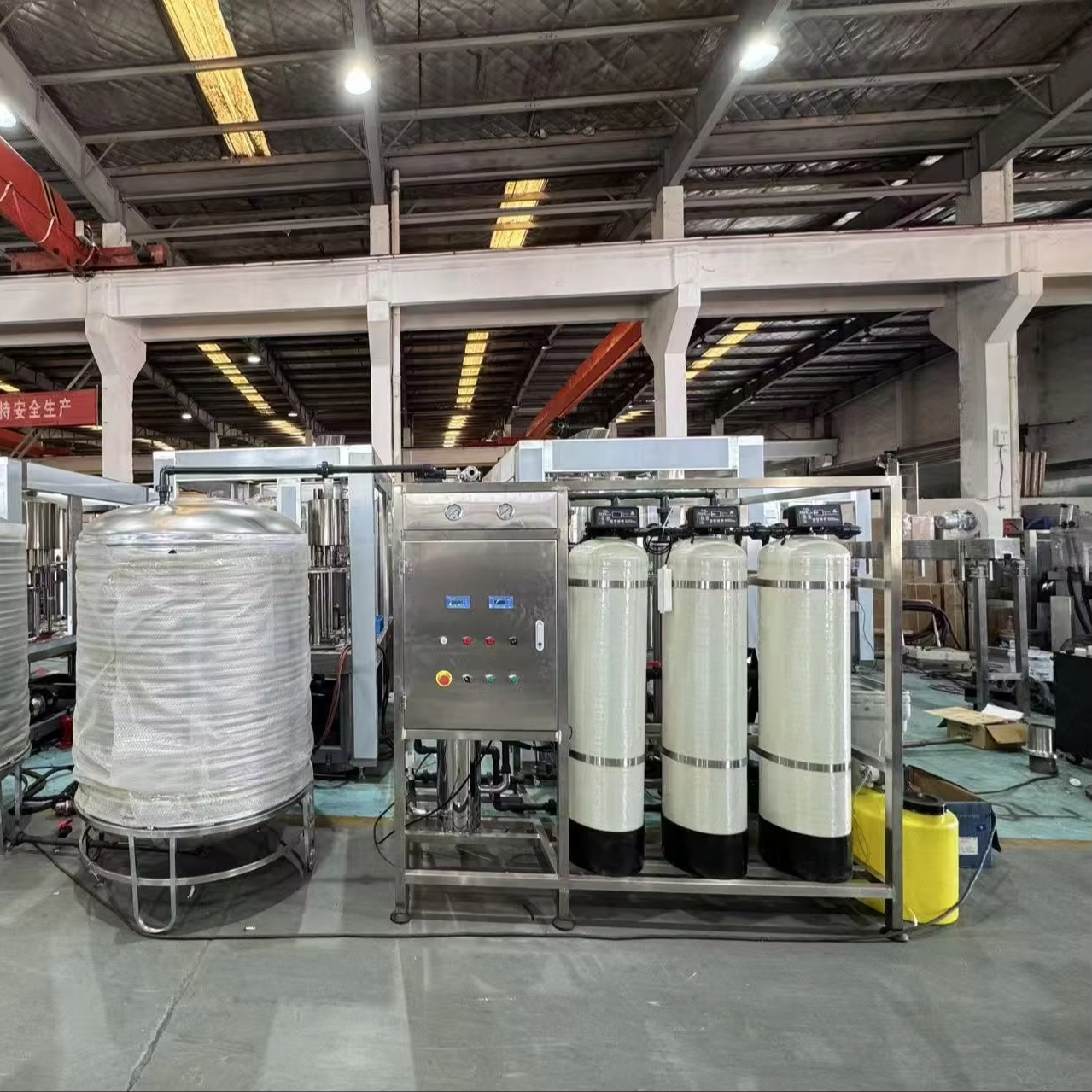
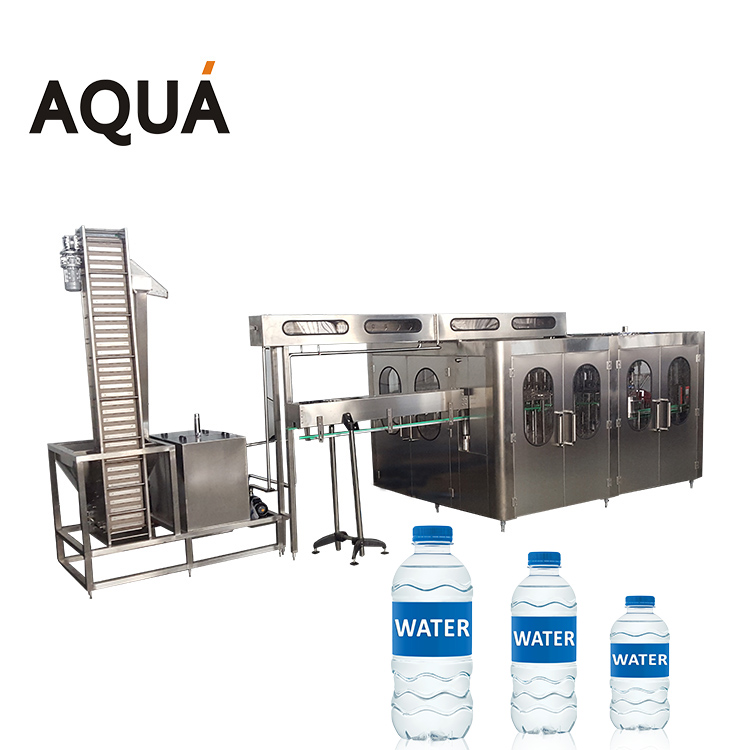
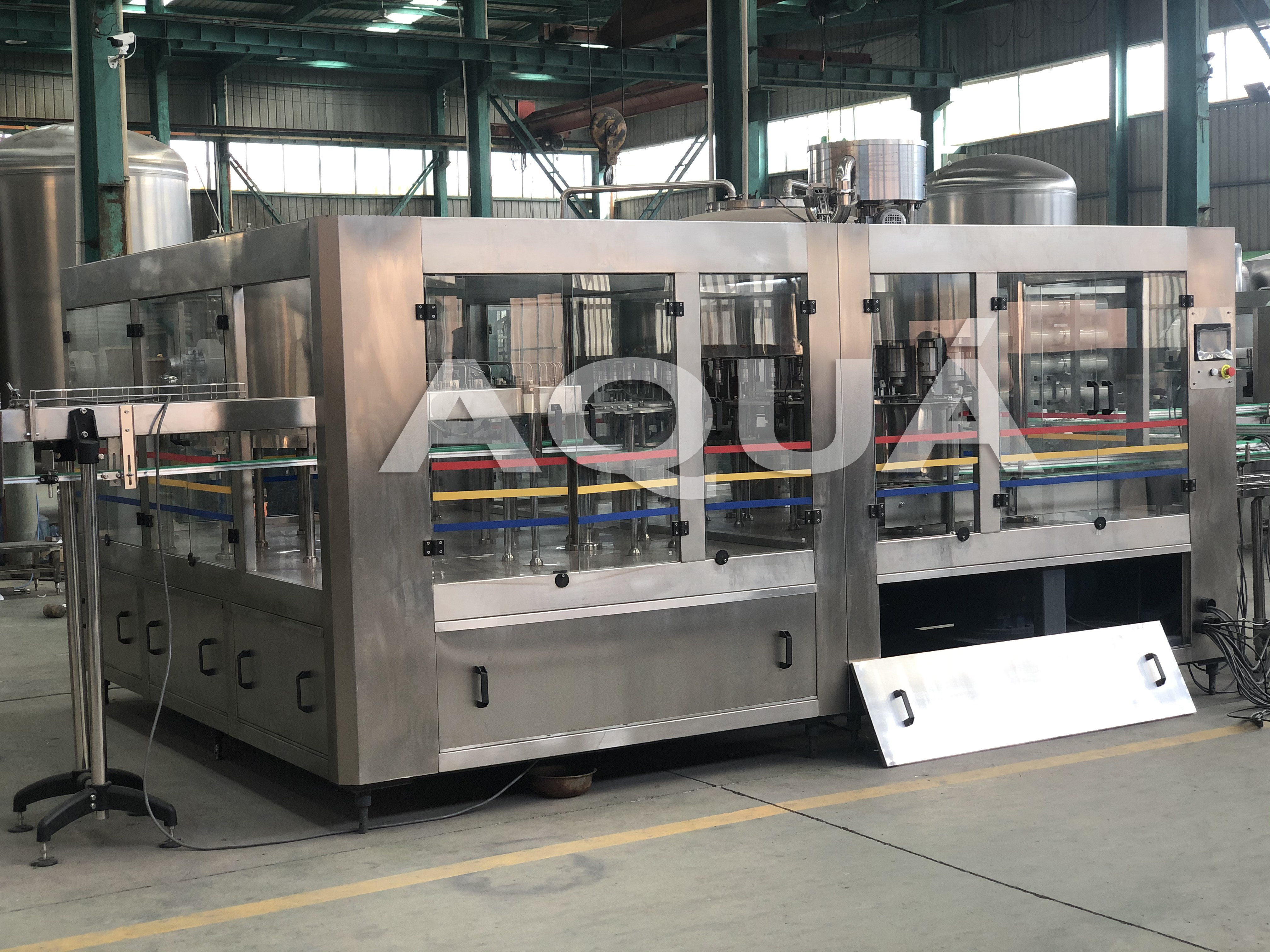
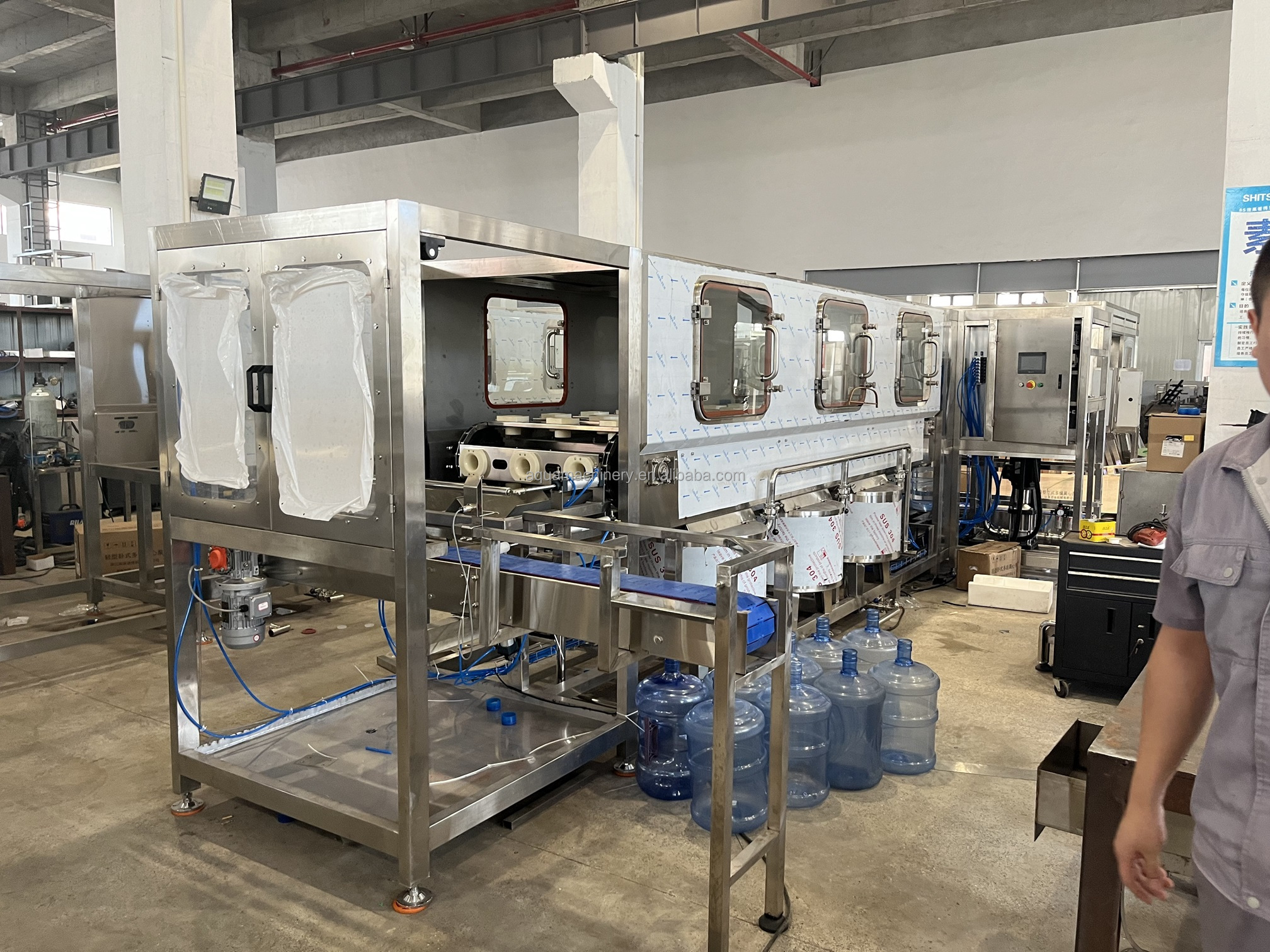
Explore our field-proven liquid processing equipment, ranging from high-efficiency industrial RO water purifiers to automatic multi-capacity PET bottle filling lines and gallon barrel systems.
1. Enterprise OEM/ODM Capability & Industrial Bottling Background
In the highly competitive commercial beverage and bottled water sector, selecting an authoritative, certified OEM/ODM mineral water plant factory and supplier is the critical foundation for operational success. Operating out of Zhangjiagang, Jiangsu—China’s premier manufacturing cluster for liquid packaging machinery—Zhangjiagang UJDI Machinery Co., Ltd. has spent over 13 years refining the design, manufacture, integration, and commissioning of high-performance turnkey water treatment systems, PET bottle blow molders, and automated 3-in-1 rinsing-filling-capping monoblocks.
As an enterprise assessed on-site by third-party inspection leader Intertek, UJDI Machinery operates under stringent quality controls. We construct every product contact component utilizing food-grade stainless steel (SUS304 or optional SUS316L). Whether a client requires an entry-level 2,000 Bottle-Per-Hour (BPH) line for regional spring water bottling or a fully automated 15,000 BPH high-speed production line equipped with advanced PLC control architectures (Siemens, Mitsubishi, or Schneider Electric), our OEM/ODM capabilities bridge the gap between initial plant layout concept and continuous commercial yield.
Third-Party Audited Quality
Verified on-site by Intertek. Fully CE-certified machines adhering strictly to global electrical and hygienic guidelines.
Tailored ODM Customization
Custom engineering for bottle geometries, neck diameters, custom power voltages, and multi-liquid processing needs.
Full Plant Engineering
Complete single-source responsibility from raw water pre-treatment and blow molding to final shrink-wrapped palletization.
2. Turnkey Mineral Water Production Line Engineering Architecture
A modern mineral water bottling plant is a complex system requiring precise speed matching and fluid dynamic control. Below is an engineering overview of the primary sub-systems composing our OEM/ODM turnkey production lines:
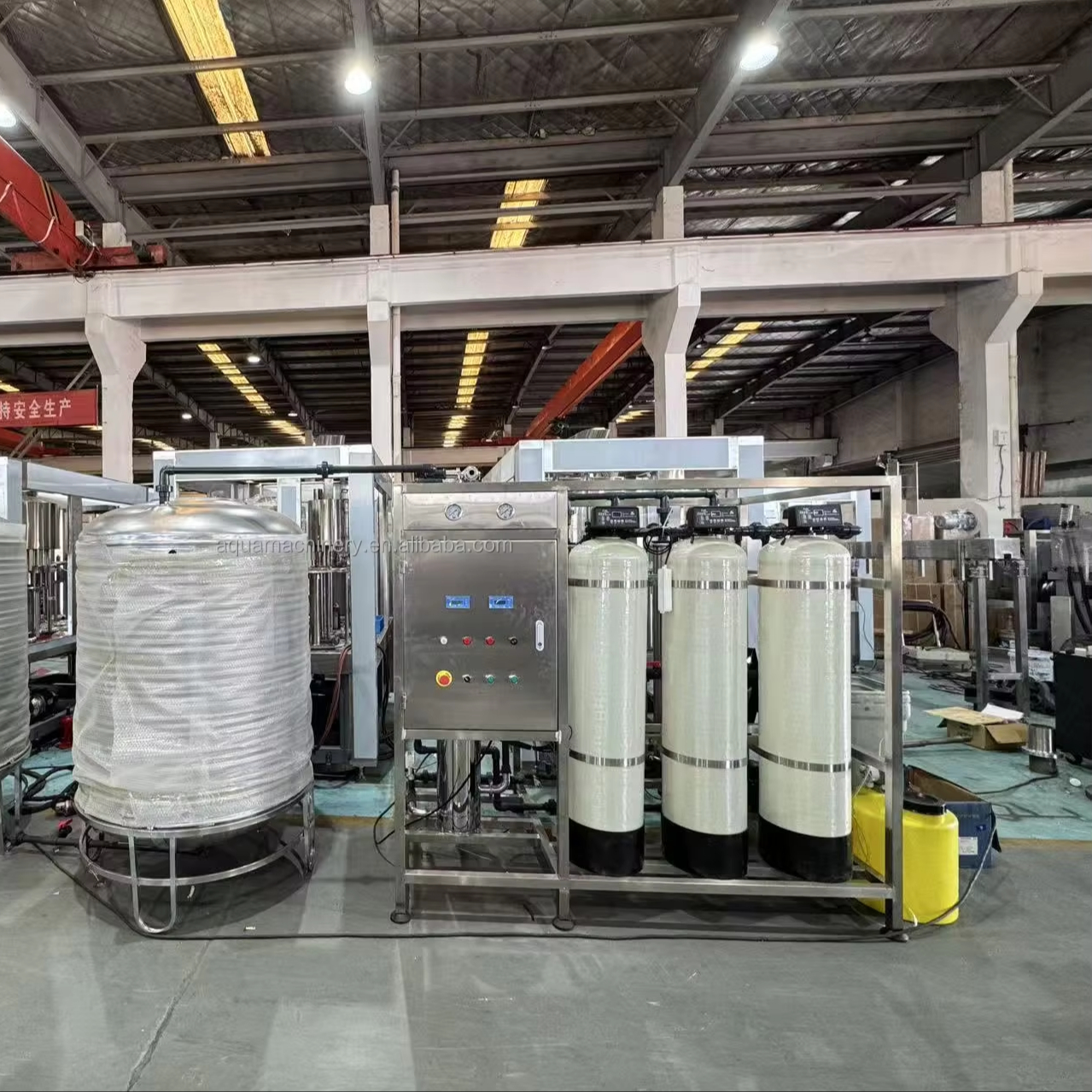
Phase A: Raw Water Purification & Treatment Matrix
Raw source water (from mountain springs, underground wells, or municipal mains) contains suspended solids, dissolved minerals, and microbiological contamination. Our custom water treatment plants integrate multi-stage physical and chemical purification:
- Quartz Sand & Activated Carbon Filtration: Removes high-turbidity particles, organic compounds, chlorine residuals, and odor components (Iodine value > 900 mg/g).
- Precision & Sodium Ion Softening Systems: Prevents scaling across downstream membranes by capturing calcium and magnesium ions.
- Industrial Reverse Osmosis (RO) & Ultrafiltration (UF): High-pressure Dow/Hydranautics membranes isolate ionic impurities, heavy metals, and bacteria down to 0.0001 microns while retaining beneficial mineral balance for spring water products.
- Ozone Sterilization & UV Sanitization: Employs Venturi ozone mixing towers alongside stainless steel UV sterilizers to ensure zero micro-organism survival prior to bottling, preserving long-term shelf stability.
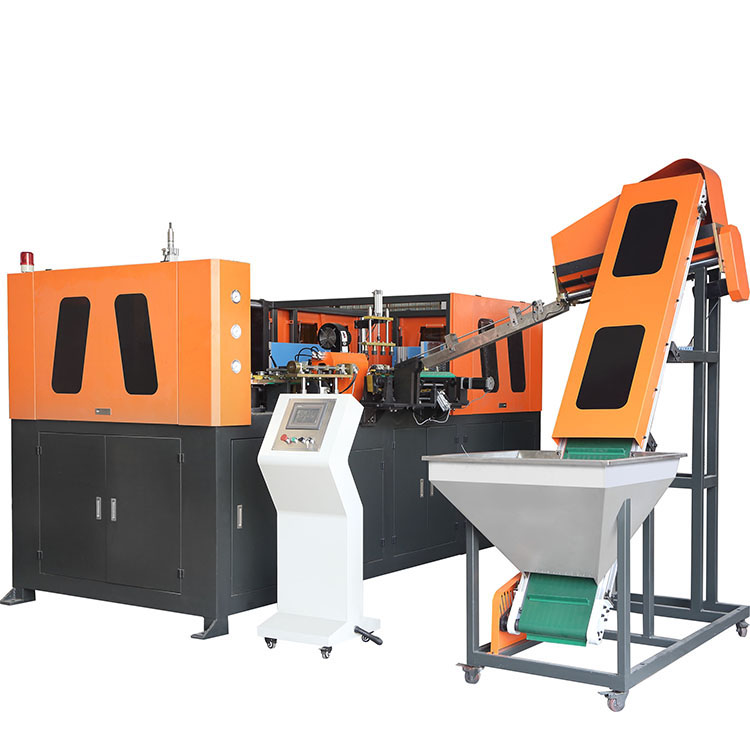
Phase B: Automatic PET Stretch Blow Molding System
To eliminate pre-blown bottle freight expenses, integrated PET blow molders utilize infrared heating tunnels and servo-driven stretch rods. High-pressure compressed air (3.0–3.5 MPa) expands preforms into aerodynamic bottle designs with reinforced base structures, minimizing resin usage while preserving structural column strength under top-load stress.
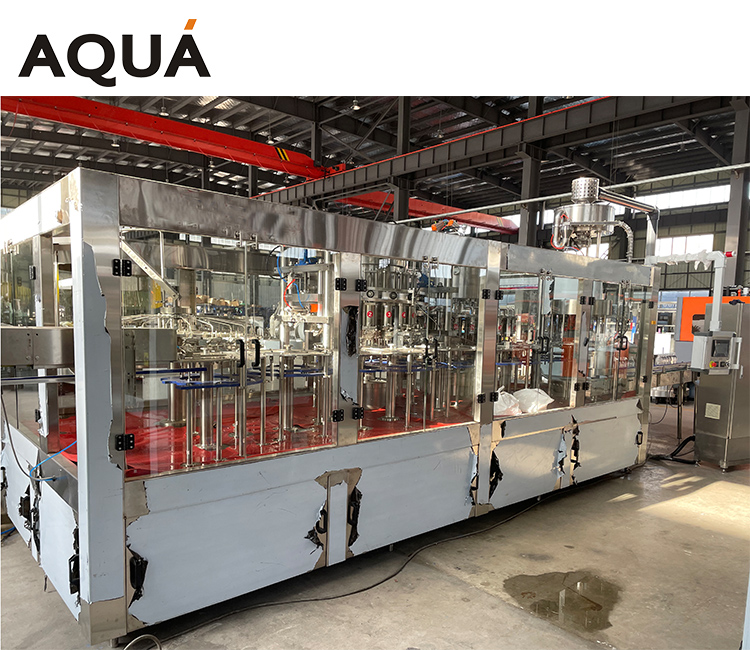
Phase C: 3-in-1 Rinsing, Filling, & Capping Monoblock
The core engine of the plant combines three functions within a unified, sealed stainless steel sanitary chamber:
- Rotary Rinsing: Spring-loaded bottle clamps grip bottle necks, flipping them 180° over micro-sanitary spray nozzles for inside water rinsing.
- Micro-Gravity Liquid Filling: Mechanical gravity valves or high-precision flow-meter filling valves deliver precise liquid fill levels without turbulence or secondary oxidation.
- Magnetic Constant-Torque Capping: Magnetic capping heads prevent cap deformation, maintaining consistent sealing torque across thousands of continuous operating hours.
Phase D: Downstream Automation & Secondary Packaging
Once filled and sealed, bottles pass through a air-knife drying system onto synchronized chain conveyors. Downstream units integrate automatic sleeve shrink labeling machines (or BOPP hot-melt glue labelers), high-speed date/batch laser coders, and automatic PE film shrink wrapping machines (or case packers), delivering tight, durable bundles ready for warehouse storage and freight transit.
3. Future Procurement Trends in Mineral Water Machinery Sourcing
As global consumer demand shifts toward functional hydration, natural spring water, and eco-friendly packaging, industrial procurement managers must evaluate several emerging procurement macro-trends:
Shift to Single-Source Turnkey Sourcing
Procuring individual machines from separate vendors leads to line friction, mismatched speeds, and divided warranty accountability. B2B buyers now mandate single-source turnkey line responsibility to guarantee unified OEE (Overall Equipment Effectiveness).
Total Cost of Ownership (TCO) Prioritization
Initial CapEx is no longer the sole purchasing metric. Buyers calculate lifetime kWh electricity consumption, pneumatic air demand, spare parts consumption rates, and quick-changeover design efficiency to optimize long-term operational margins.
Modular Expansion & Multi-Liquid Capabilities
Procurement teams demand filling machinery capable of expanding from pure water processing to handling carbonated soft drinks, juices, or alkaline water with rapid neck-handling modular star-wheel change parts.
4. Technological Innovations & Development Trends (2025–2030)
The industrial liquid packaging sector is undergoing unprecedented technological advancement driven by smart factory integration, energy reduction, and sustainable material engineering.
A. Ultra-Lightweight PET Preform Processing
Environmental regulations and resin cost volatility are forcing bottlers to reduce preform weights (e.g., dropping 500ml bottle weights from 18g down to 9.5g). Modern blow molders utilize high-precision pneumatic valve blocks, fast-response infrared lamps, and servo-assisted stretching to ensure uniform bottle wall thickness without compromising structural neck rigidity.
B. IoT-Connected PLC Systems & Remote Diagnostics
Next-generation OEM/ODM bottling machinery integrates smart edge controllers and cloud telemetry. Real-time sensor monitoring flags temperature anomalies, torque variances in capping chucks, and flow-rate drops. Remote VPN gateway connections allow factory engineers to perform software updates and diagnostic troubleshooting globally without delay.
C. Sustainable Energy & Resource Recovery Systems
Water treatment and blowing operations consume significant power. Innovations such as high-pressure blowing air recovery valves divert up to 30% of exhausted 35 bar blowing air back into low-pressure plant pneumatic systems. Variable Frequency Drives (VFDs) across all pumps and drives dynamically adjust power draw to line load.
D. Aseptic Environment & Automated Clean-In-Place (CIP)
To meet zero-preservative hygiene demands, modern 3-in-1 monoblocks feature laminar air flow HEPA filtration hoods over the filling zone, automated closed-loop CIP cups, and ozone-sterilized sanitization cycles that eliminate bio-film buildup inside liquid distribution pipes.
5. Industrial Plant Technical Selection & Engineering Matrix
To assist factory engineers and procurement officers in sizing their proposed bottled water plant, the following matrix outlines standard configuration parameters across different production scales:
| Target Line Capacity | Monoblock Configuration | RO Treatment Capacity | Blow Molder Cavities | Est. Power (kW) | Recommended Plant Area |
|---|---|---|---|---|---|
| 2,000 BPH (500ml) | 8-8-3 Monoblock | 1,000 – 2,000 L/H | 2-Cavity Semi/Auto | ~35 kW | 150 – 250 m² |
| 4,000 – 6,000 BPH | 16-16-5 Monoblock | 3,000 – 5,000 L/H | 4-Cavity Rotary/Linear | ~75 kW | 350 – 500 m² |
| 8,000 – 10,000 BPH | 24-24-8 Monoblock | 6,000 – 8,000 L/H | 6-Cavity High-Speed | ~120 kW | 600 – 800 m² |
| 12,000 – 15,000 BPH | 32-32-10 Monoblock | 10,000 – 12,000 L/H | Rotary Blowing System | ~180 kW | 1,000 – 1,500 m² |
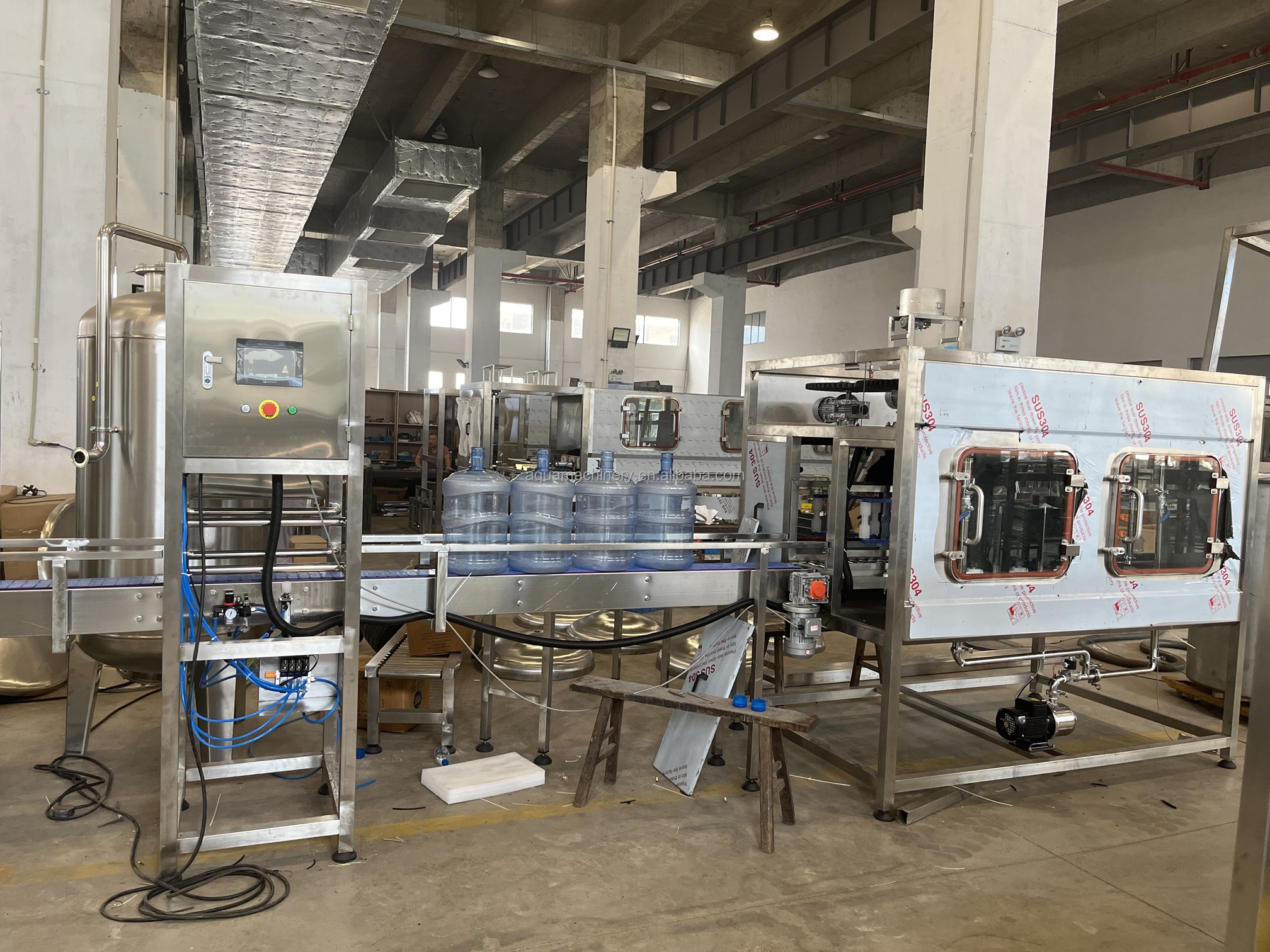
| 300 – 600 BPH (5 Gallon) | Linear Wash-Fill-Cap | 2,000 – 4,000 L/H | N/A (Reusable Barrels) | ~25 kW | 200 – 350 m² |
* Note: Final utility specifications depend on container geometry, neck specifications, local power standards (e.g., 380V 50Hz / 220V 60Hz), and downstream packaging selection.
6. Frequently Asked Questions (FAQ) for Mineral Water Plant Sourcing
Here are expert answers to the most common technical and operational questions posed by plant managers, investors, and procurement teams during equipment evaluation:
Request Your Customized OEM/ODM Plant Layout & Catalog
Partner with an Intertek-audited, CE-certified liquid packaging manufacturer. Contact our engineering team today to receive complete technical drawings, machine specifications, and factory-direct quotation.
Get Catalog