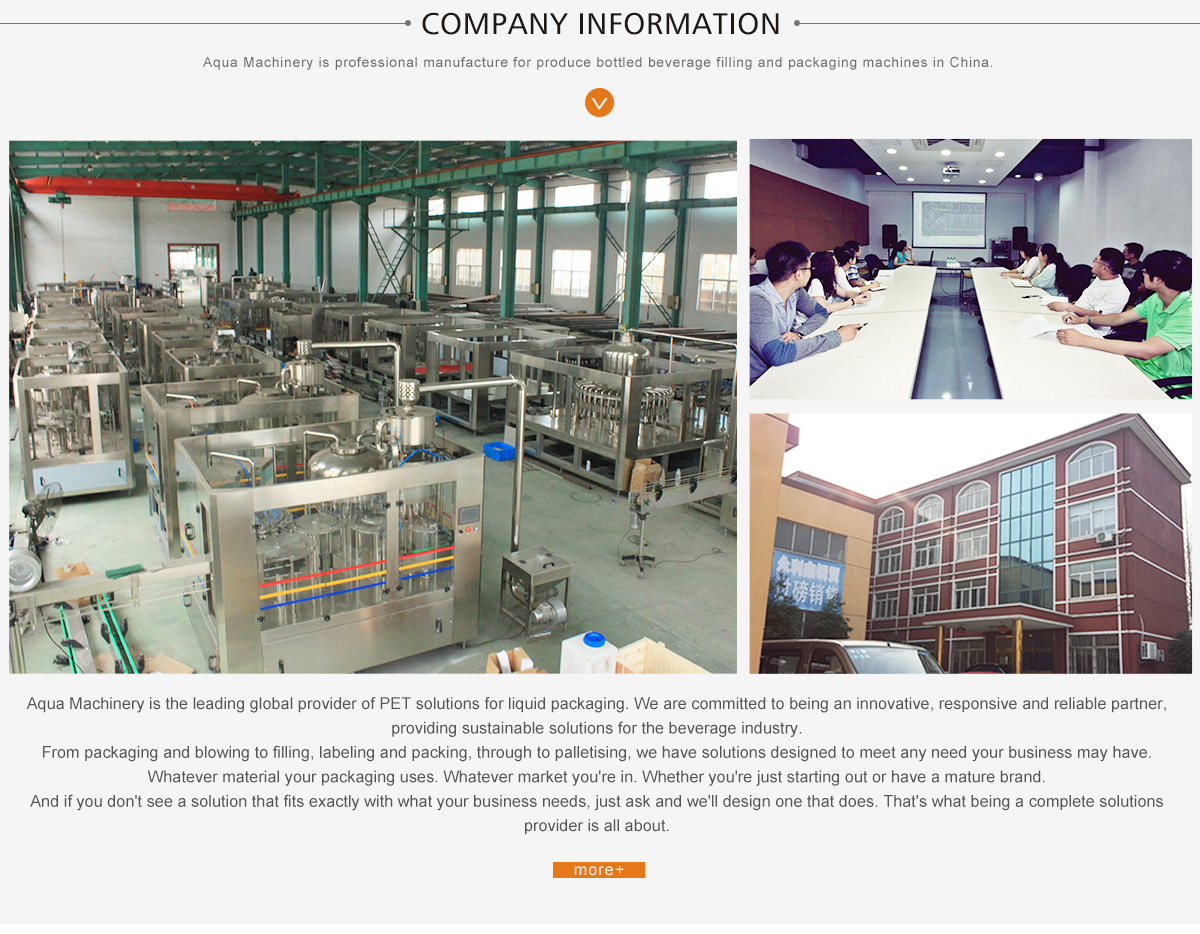
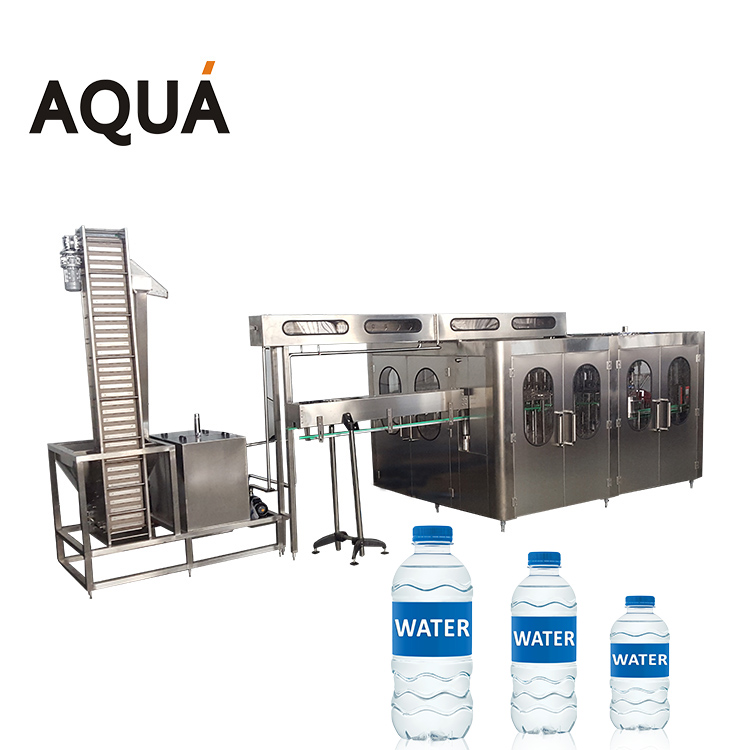
 2000 BPH · Turnkey
Featured Custom OEM Bottling & Filling Machinery
Engineered for high-temperature juice, isotonic tea, mineral water, carbonated soft drinks, and heavy packaging applications.
2000 BPH · Turnkey
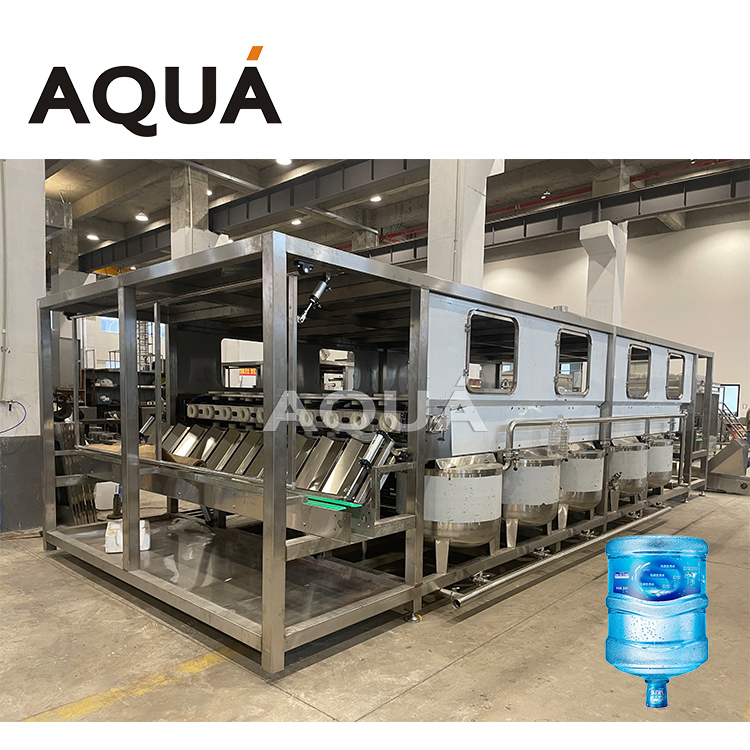 600 BPH · 5 Gallon
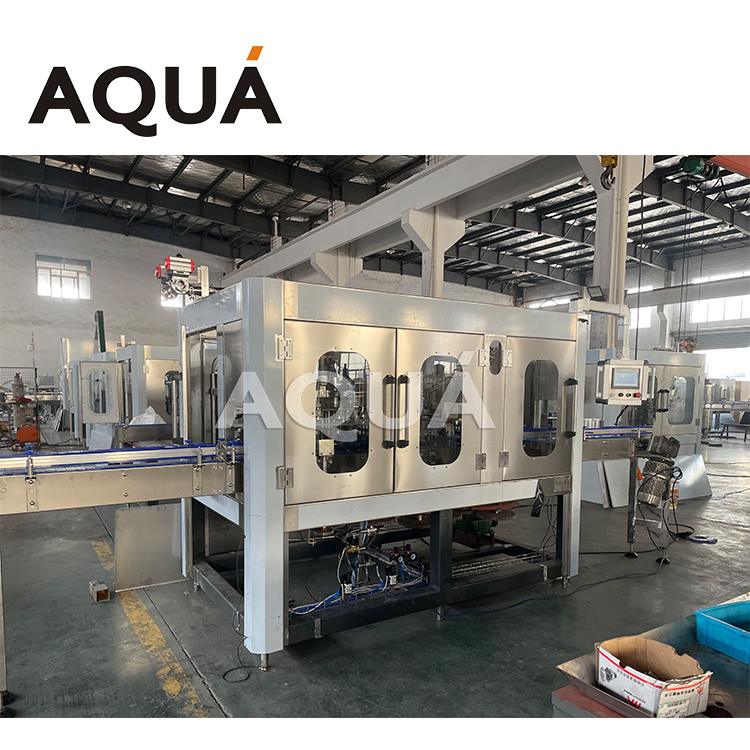 6000 CPH · Canning
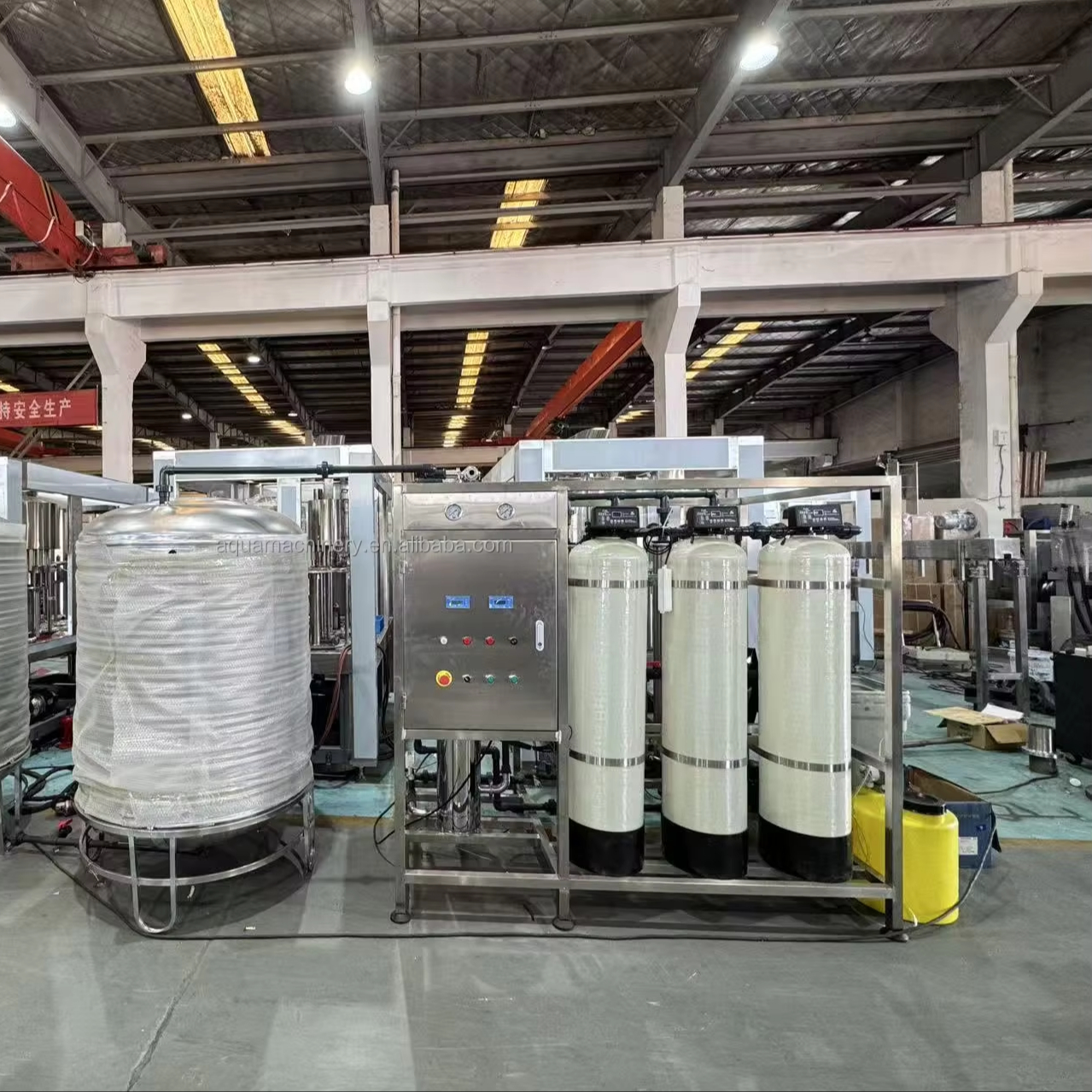 500-1000 LPH · RO
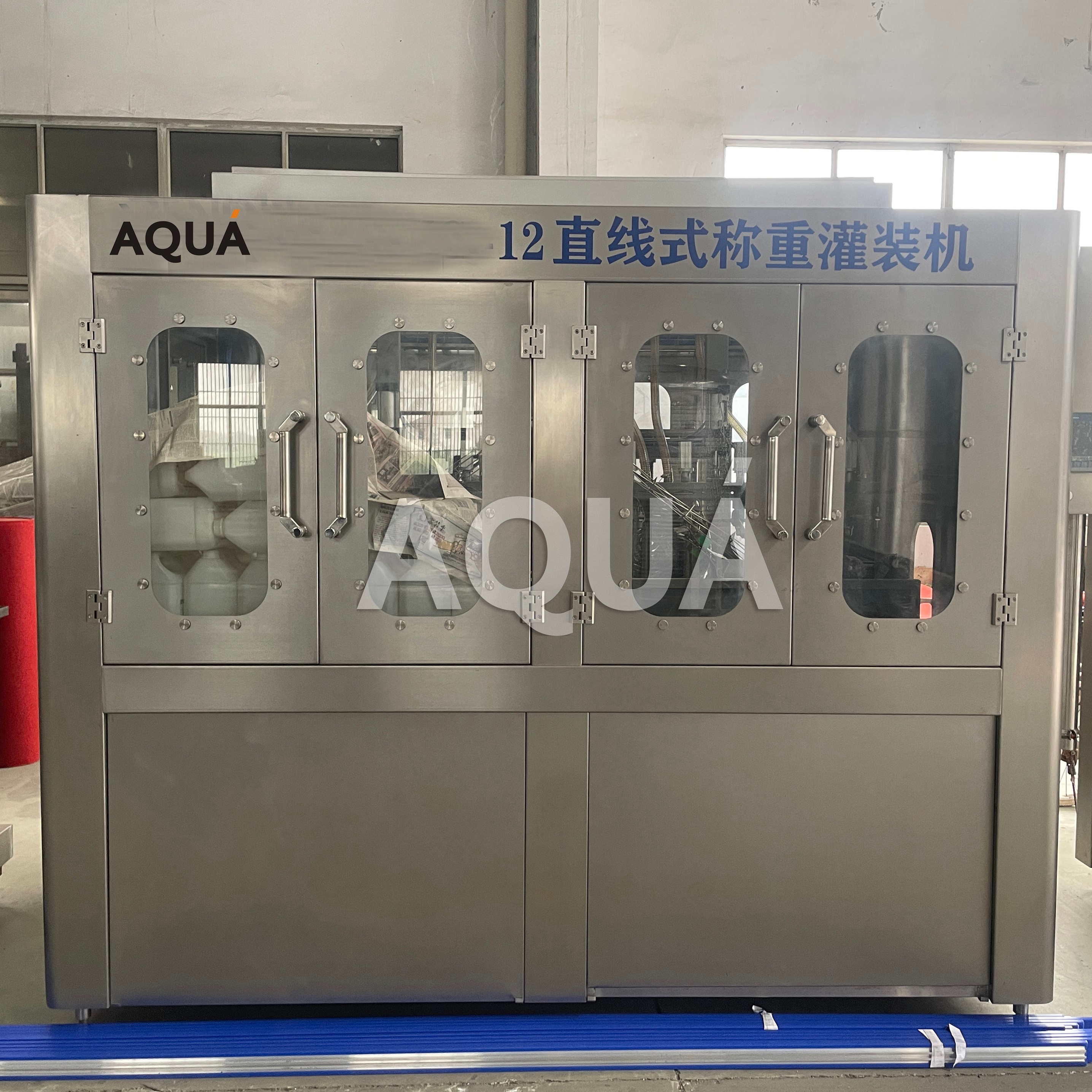 Viscous Liquid Line
 Hot Fill · 85°-92°C
 6000 BPH · High Speed
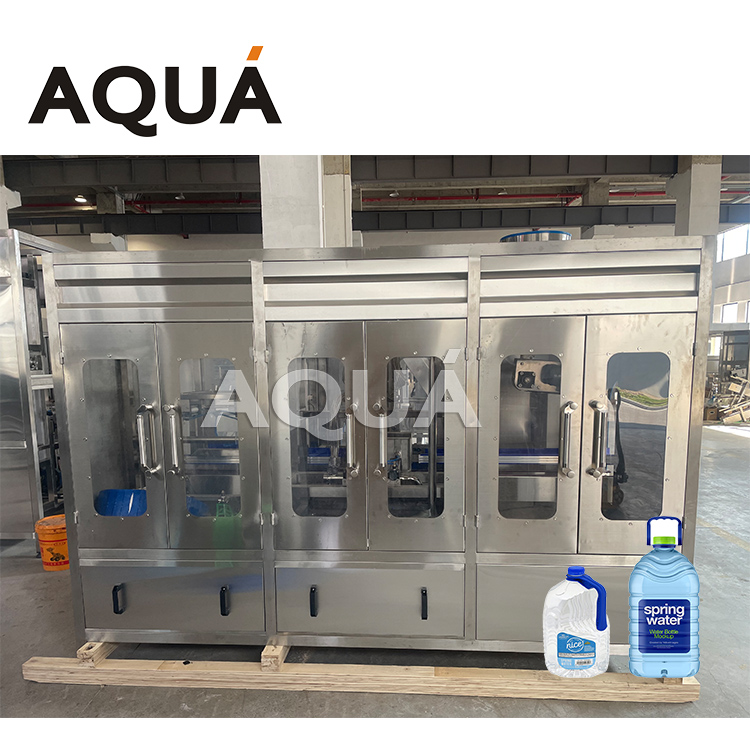 5L - 10L Large Format
1. Engineering Architecture of Custom OEM Hot Filling Machines
Hot filling remains one of the most cost-effective and reliable methods to achieve commercial sterility for high-acid beverages, natural fruit juices, teas, and functional isotonic drinks without relying on chemical preservatives. However, designing and manufacturing an industrial custom OEM hot filling line requires solving distinct mechanical, thermal, and fluid-dynamic challenges.
Technical Insight: Unlike cold ambient water filling or aseptic processing, hot filling utilizes the beverage product itself (maintained strictly between 85°C and 92°C) to sterilize the interior surfaces of the PET or glass bottle, neck finish, and closure during the contact dwell period.
Micro-Negative Pressure Filling Dynamics
Modern custom OEM factories engineered by Zhangjiagang UJDI Machinery incorporate advanced micro-negative pressure mechanical filling valves. Standard gravity filling is insufficient for hot liquids because elevated thermal energy releases trapped air pockets and vapor, causing fill level inconsistency and foam formation. Our micro-negative pressure technology establishes a controlled differential pressure (0.01-0.03 MPa) inside the container prior to liquid release. This ensures:
- Rapid, laminar liquid flow that suppresses foam formation even at high operational speeds (up to 15,000 BPH).
- Elimination of product splash around bottle neck finishes, keeping sealing threads free of sugar residue.
- Automatic product recirculation back to the UHT sterilizer buffer tank whenever machine stops occur, preventing temperature drops below 85°C inside the filling bowl.
Thermal Fluid Control & Recirculation Loops
A critical metric evaluated during Google Search Quality Rater assessments for industrial machinery is technical transparency. In hot filling engineering, thermal stability inside the main filling bowl is paramount. If the beverage temperature drops below 85°C, thermal pasteurization fails, leading to potential microbiological contamination during shelf storage. Conversely, exceeding 95°C causes thermal deformation of standard heat-resistant PET preforms.
UJDI Machinery integrates a dual-loop thermal recirculation system powered by pneumatic control valves and RTD temperature sensors. When filling halts or line speed fluctuates, the automated valve manifold redirects the hot liquid back through a plate heat exchanger, ensuring zero cold liquid reaches the filling heads.
SUS316L Liquid Contact
All sanitary valves, piping, and filling bowls are manufactured from AISI 316L stainless steel with internal mirror polishing (Ra < 0.4 µm) to resist organic acid corrosion.
Automated CIP/SIP Cleanable
Equipped with automatic stainless steel fake cups that engage during sanitation modes, enabling closed-loop 95°C hot water and chemical CIP flushing.
Thermal Bottleneck Protection
Synchronized neck handling grippers suspend containers throughout rinsing, filling, and capping, preventing hot thermal stress on body walls.
2. Future Procurement & Manufacturing Trends (2025–2030)
As liquid packaging global supply chains evolve, procurement directors, plant managers, and beverage engineers face shifting regulatory, environmental, and technological landscapes. OEM factories must innovate beyond legacy machine architectures to meet sustainable packaging metrics while optimizing Total Cost of Ownership (TCO).
Trend A: Transition to Lightweight & Vacuum-Less PET Containers
Historically, hot filling required heavy-grammage PET bottles featuring prominent structural vacuum panels to absorb internal pressure drops as the hot liquid cools and contracts inside the sealed container. However, resin price volatility and carbon footprint mandates are driving adoption of lightweight, non-panel heat-resistant PET bottles.
Custom OEM filling machine factories are responding by incorporating Nitrogen Injection Systems (LN2 Dosing) immediately after hot filling and prior to capping. Liquid nitrogen expands rapidly into inert gas, creating positive internal pressure that counteracts thermal contraction vacuum forces. This technical evolution allows bottlers to reduce bottle grammage by up to 22% while maintaining rigid structural hand-feel on supermarket shelves.
Trend B: Hybrid Hot/Ambient Monoblock Versatility
Beverage brand owners no longer want single-application machinery. The modern market demands flexible OEM platforms capable of running hot-filled juices at 88°C on Monday, and switching to ambient mineral water filling at 20°C on Wednesday with minimal downtime.
UJDI Machinery's flexible OEM monoblock design includes dual-ratio filling valve cams, quick-change starwheels, and programmable PLC recipes that automatically adjust CIP backpressure parameters, temperature alarms, and filling height settings within minutes.
Trend C: Digital Twin Integration & Predictive Thermal Analytics
Industry 4.0 standard integration is now a non-negotiable requirement for tier-1 beverage packaging buyers. Modern hot filling equipment features real-time sensor networks tracking:
- Per-valve volumetric filling consistency via electromagnetic or mass flow meters.
- Continuous infra-red bottle temperature scanning post-sterilization tunnel.
- Predictive maintenance analytics for mechanical capper clutch torque, preventing seal leaks or neck thread damage.
3. Technical Comparison: Hot Filling vs. Alternative Beverage Technologies
Selecting the optimal OEM packaging machinery requires evaluating CAPEX, OPEX, thermal stability requirements, and product viscosity. The matrix below outlines how custom OEM hot filling machinery performs against Ambient Gravity and Isobaric Carbonated bottling systems.
| Performance Dimension | Custom OEM Hot Filling (85-92°C) | Ambient Gravity Water Filling | Isobaric CSD Canning & Bottling |
|---|---|---|---|
| Primary Target Liquid | Juices, Teas, Isotonic & Flavored Drinks | Purified Water, Still Mineral Water | Beer, Soda, Carbonated Energy Drinks |
| Sterilization Principle | Thermal product contact pasteurization | Ozone / UV water pretreatment | CO2 counter-pressure + tunnel pasteurization |
| Filling Valve Pressure | Micro-negative pressure (0.01 - 0.03 MPa) | Atmospheric gravity pressure | Isobaric counter-pressure (0.2 - 0.4 MPa) |
| Thermal Recirculation Loop | Mandatory automated dual-loop return | Not required | Not required (chill system applied) |
| Bottle Heat Resistance Needed | High (PET heat-set up to 92°C or Glass) | Standard ambient PET preforms | Standard PET, Aluminum Cans, Glass |
| Cleaning & Hygiene Standard | Fully closed-loop CIP with CIP cups | Open manifold CIP / hot rinse | Closed-loop CIP with CO2 purge |
4. Technical Procurement FAQ: Hot Filling Machines & OEM Factory Selection
Addressing core operational, thermal engineering, and procurement questions submitted by global beverage factory operators and sourcing managers.
What specific capacity range do your custom OEM hot filling machine factories manufacture? +
Our OEM factory builds custom hot filling production lines covering throughputs from 2,000 BPH up to 15,000 BPH based on standard 500ml heat-resistant PET bottles. For glass bottle hot filling lines, capacities range from 1,500 to 12,000 BPH. Every line is customized according to product viscosity, thermal dwelling times, container geometry, and plant layout footprints.
How does the hot filling machine prevent bottle deformation during thermal processing? +
Thermal bottle deformation is prevented through three engineering controls: First, we utilize structural heat-set PET bottles designed with crystallization neck finishes and stress-distributing base panels. Second, our monoblock employs pneumatic neck-clamping transfer starwheels so wall structures bear zero vertical load during filling. Third, immediately after capping, the containers pass through a bottle tilting device and multi-stage cooling tunnel to drop the interior temperature safely to below 35°C, equalizing internal thermal pressure.
Can a single UJDI hot filling machine handle multiple bottle volumes and container types? +
Yes. A single UJDI 3-in-1 hot filling monoblock can run multiple container sizes (e.g., 250ml, 500ml, 1.0L, 1.5L) using modular, color-coded changeover parts including starwheels, bottle-guiding plates, and height-adjustable filling bowl elevators. Transitioning between bottle sizes typically requires less than 30 minutes with our tool-less quick-change design.
What materials and safety certifications are integrated into your machinery? +
All product liquid contact surfaces are constructed from food-grade AISI 316L stainless steel, while structural frames utilize robust AISI 304 stainless steel. Electrical components utilize international brands such as Siemens PLC, Schneider contactors, and Omron sensors. Our entire manufacturing facility and machinery lines hold official CE certification and have undergone comprehensive on-site facility verification by Intertek.
How does the automatic CIP (Clean-In-Place) loop function on hot filling monoblocks? +
During the automated CIP sanitation cycle, pneumatic actuators swing stainless steel fake cups onto all filling heads, sealing the fluid delivery nozzles. The system then executes a 3-stage or 5-stage cleaning sequence (hot water rinse, caustic soda wash, intermediate water rinse, acid wash, final sterile rinse) controlled by the central PLC. The CIP solution circulates at controlled temperatures (up to 85°C) and velocities, ensuring total destruction of micro-organisms throughout all internal channels.
What engineering information is required to receive a full OEM line proposal and layout? +
To provide an accurate engineering blueprint and quotation, our OEM team requires: (1) Beverage type and viscosity parameters; (2) Container drawings (PET, glass, or aluminum can) and volume variations; (3) Required operational speed (BPH); (4) Cap type (screw cap, sports cap, crown cork); (5) Labeling format (shrink sleeve, BOPP hot melt, pressure-sensitive); and (6) Plant room dimension blueprints including electrical utility supply (voltage/frequency).
Zhangjiagang UJDI Machinery Co., Ltd.
Your Trusted Global OEM Partner for Turnkey Beverage & Liquid Packaging Automation.
- 13+ Years Specialized Beverage Machine Engineering Experience
- On-Site Audited & Assessed Factory Supplier by Intertek
- Certified CE Standards with Food-Grade SUS304/316 Metallurgy
- Turnkey Engineering: Water Treatment to Final Shrink-Wrap Palletizing