Featured Liquid Bottling & Processing Equipment
Explore our industrial-grade bottling monoblocks, water treatment systems, and high-speed filling lines engineered for global beverage manufacturers.
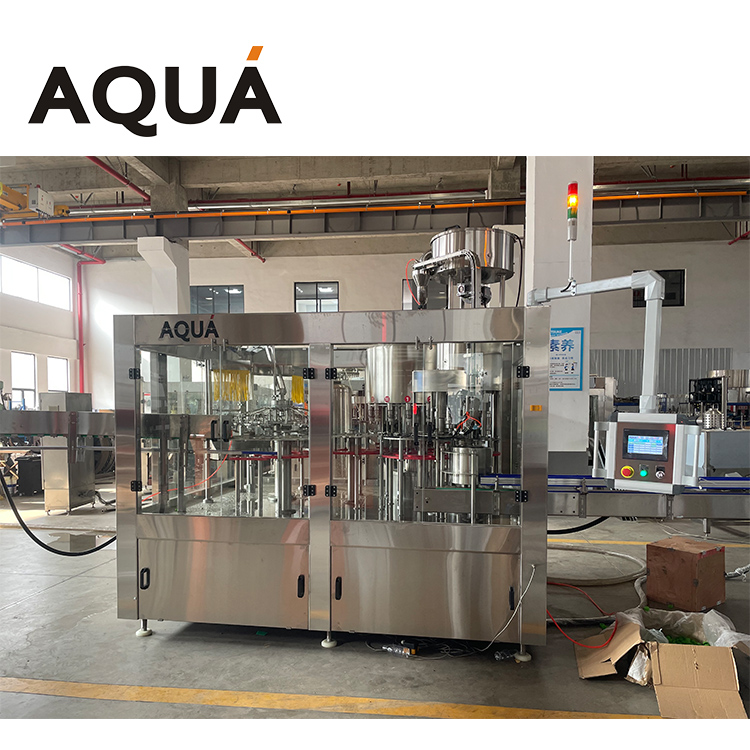
Planta Embotelladora De Agua Automatico De Tamano Pequeno / Maquina De Llenado De Agua Potable
View Specifications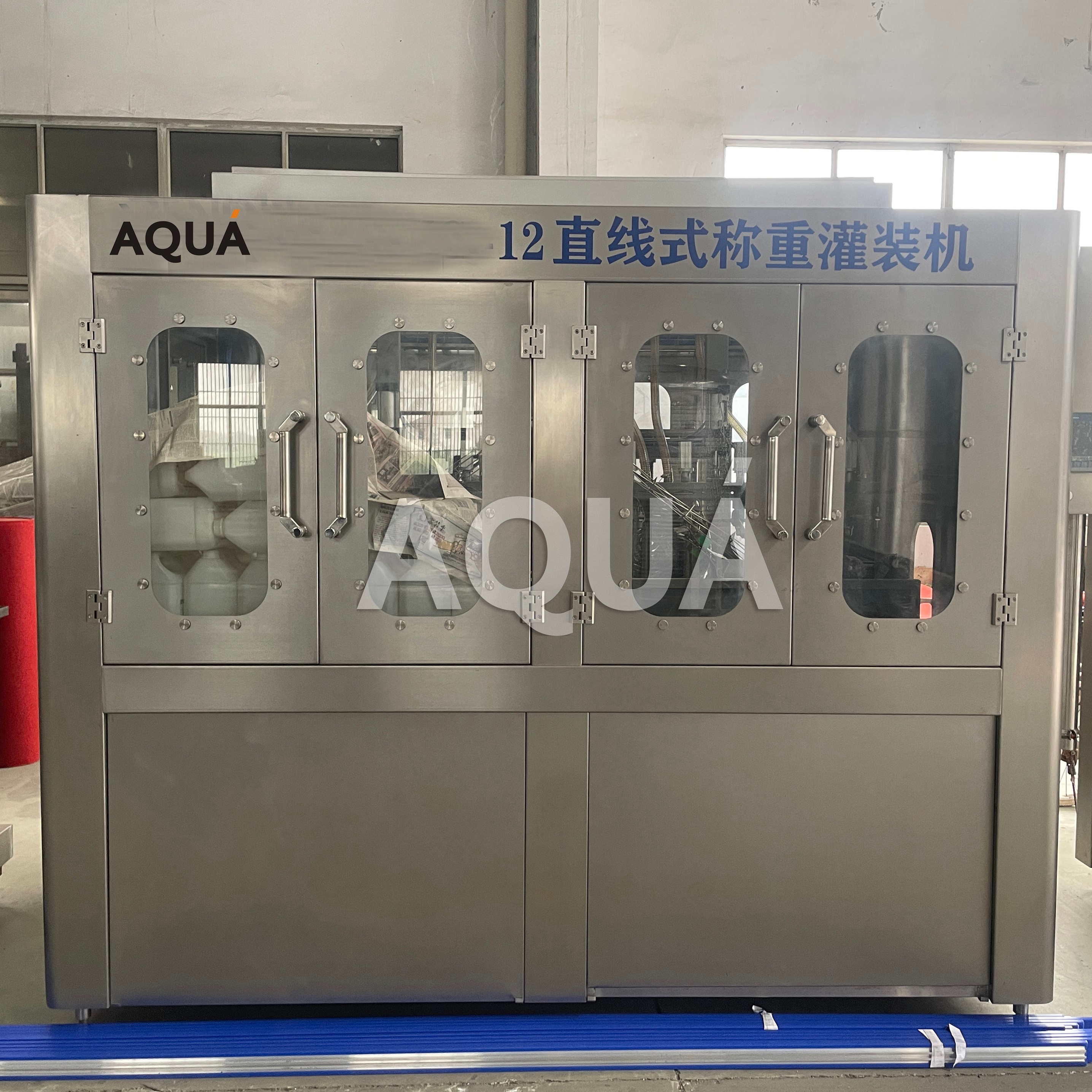
Fully Automatic Bottling Line for Edible Oil Palm Vegetable Cooking Sunflower Oil
View Specifications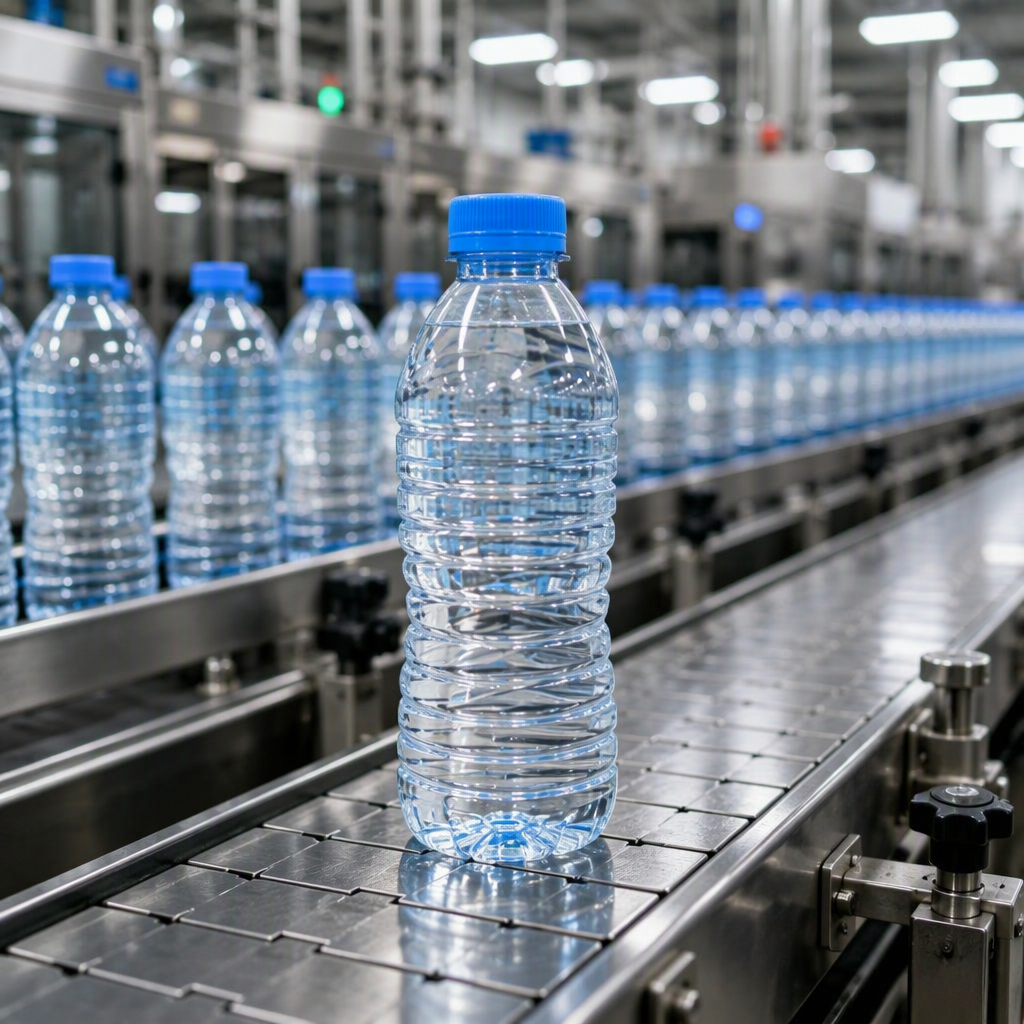
Automatic CGF 8-8-3 Bottling Machine Washer Filler Capper Machine / 8-8-3 Filling Machine
View Specifications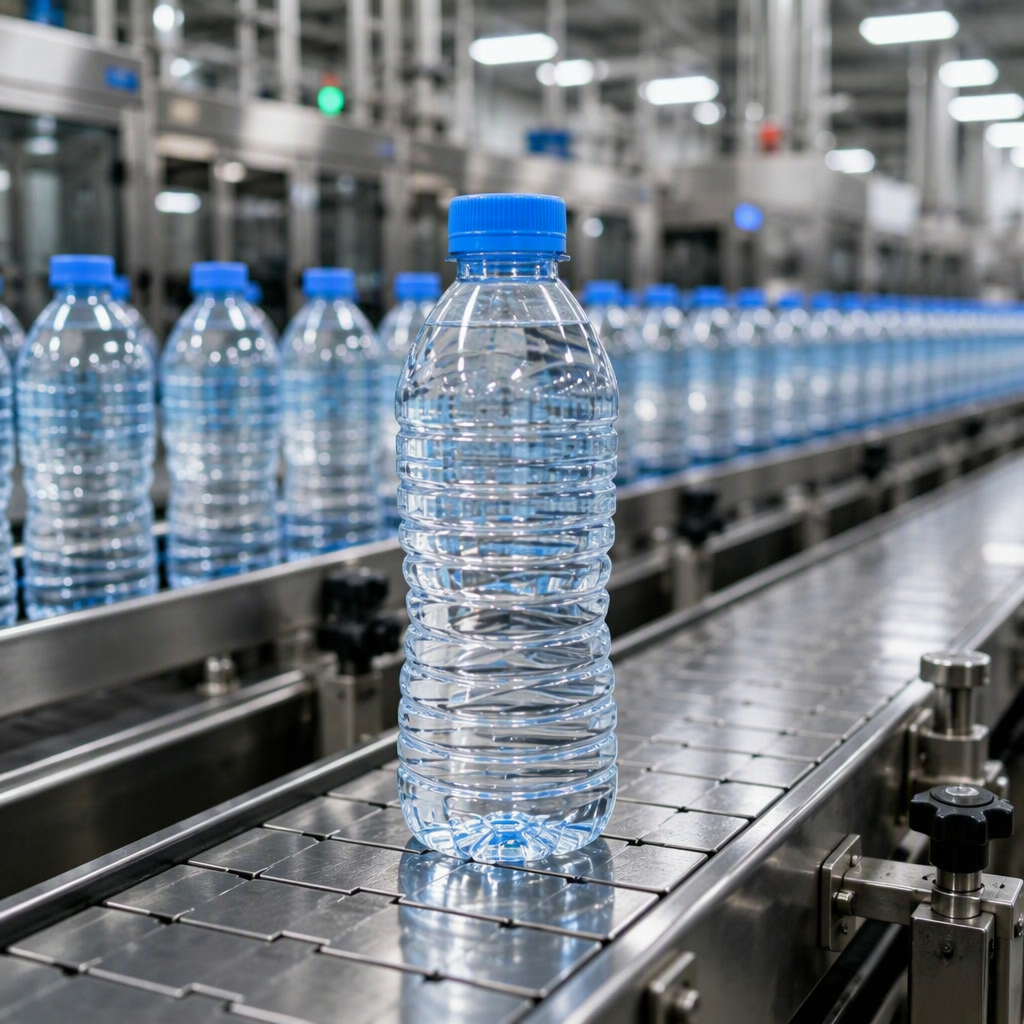
Maquina Automatic De Production Y Embotellado De Agua /Linea Completa De Purificacion Y Llenado De Agua Para Botellas De PET
View Specifications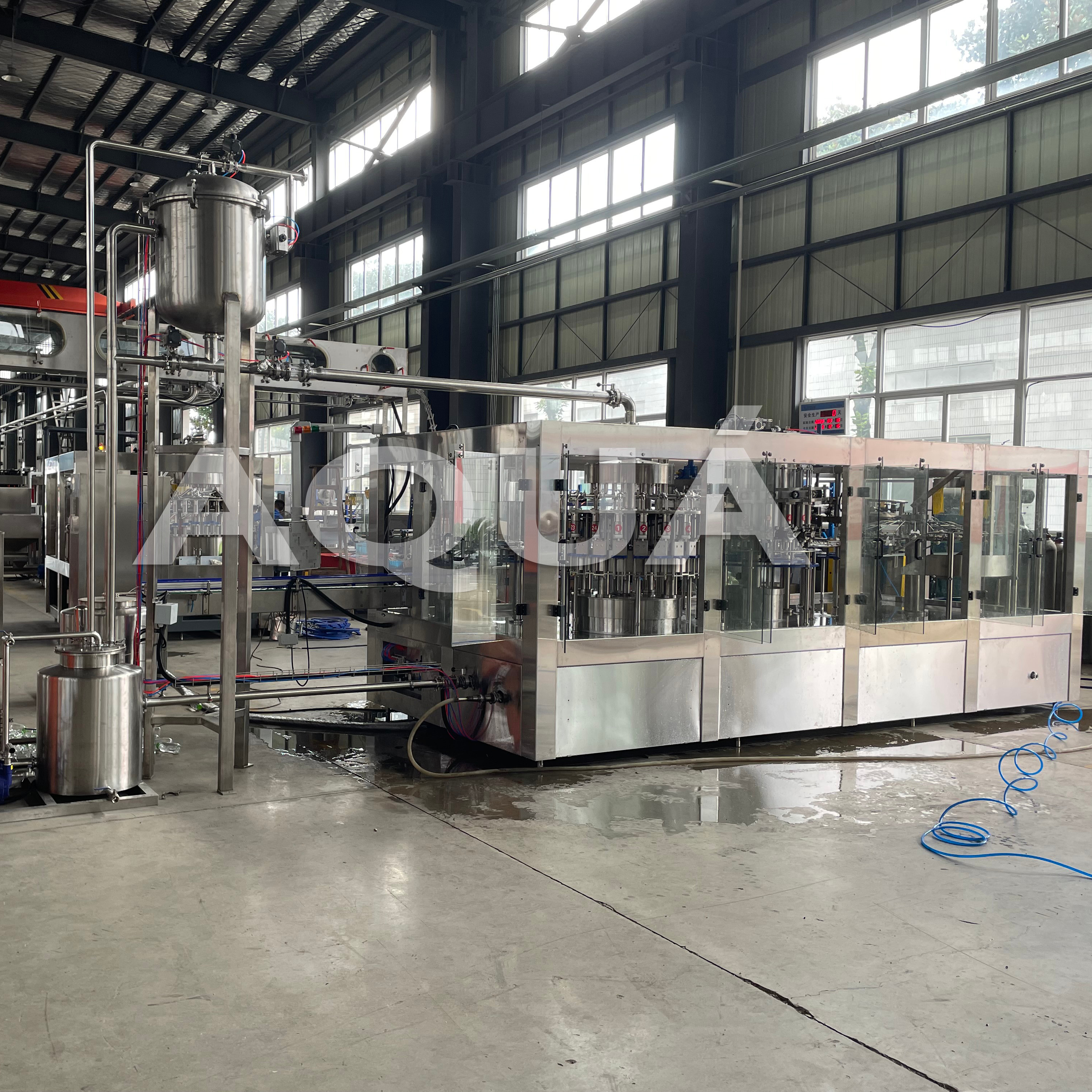
Industrial Water Purification and Bottling Plant for Mineral Water and Drinking Water Production Line 6000-8000BPH
View Specifications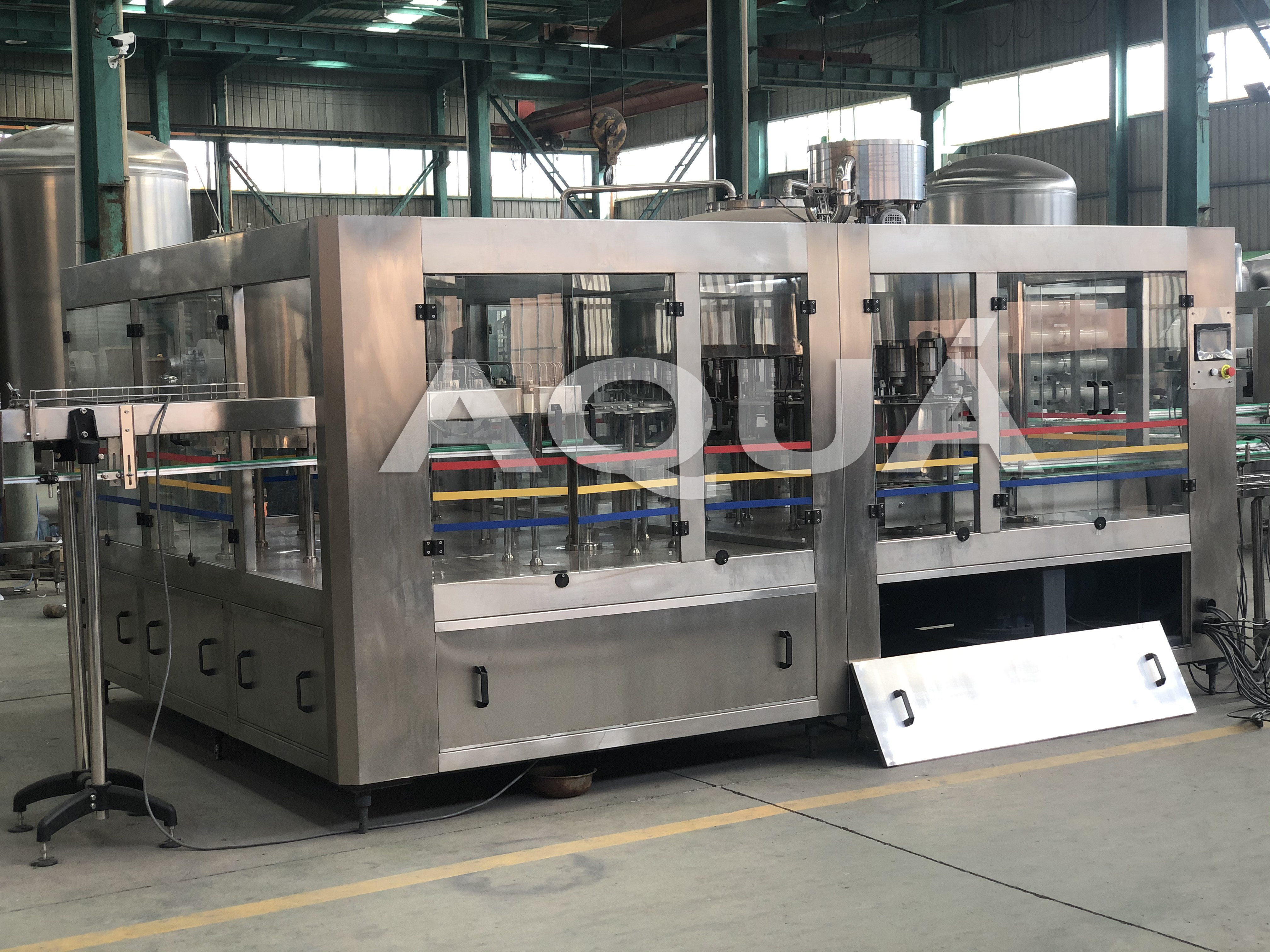
Small Scale Bottling Water Factory / Alkaline Water Spring Water Filling Machine
View Specifications
6000bph Complete Line for Filling Plant for Bottled Water Filling Machine Full Flavored Water Line
View Specifications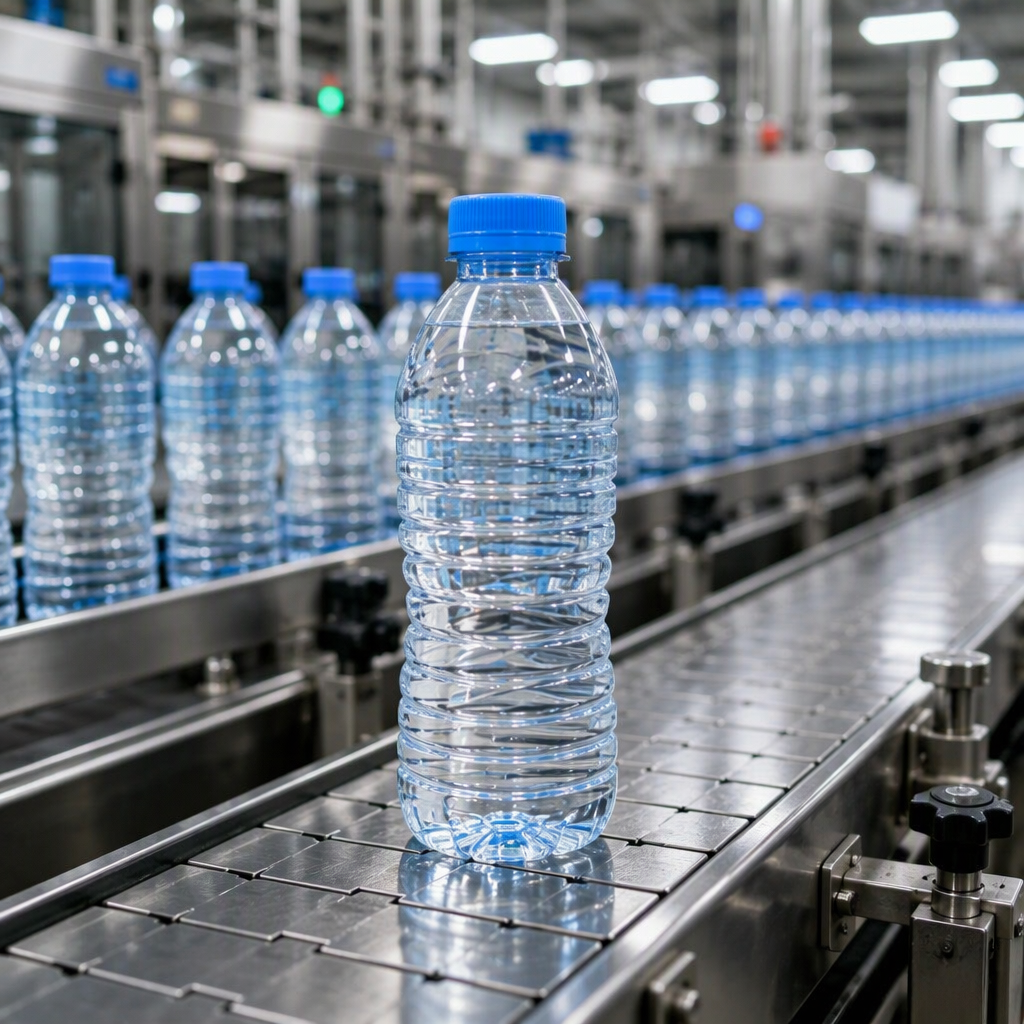
4000BPH 6000BPH 12000Bph Small to Large Capacity Alkaline Water Bottling Plant / Fully Automatic Water Filling Machine
View SpecificationsEngineering Design & Operational Dynamics of Industrial Fruit Juice Production Lines
A definitive guide for B2B procurement managers, beverage plant engineers, and global OEM beverage brand owners evaluating custom fruit juice bottling machinery, thermal sterilization, and automated packaging systems.
1. Raw Material Extraction, Deaeration, & Brix Management Engineering
In the modern liquid beverage industry, manufacturing high-grade fruit juice—ranging from 100% pure orange, apple, and tropical blends to pulp-suspended Nectars and flavored botanical infusions—demands precise upstream extraction and homogenization technology. Custom OEM fruit juice production line factories must account for the specific rheological properties of fruits, including soluble solid concentration (°Brix), pectin viscosity, suspended pulp fiber size, and thermal sensitivity.
The processing architecture begins with cold/hot extraction, followed by enzymatic clarification or mechanical decantation. To protect organoleptic qualities (flavor, color, natural vitamin C preservation), raw juice enters a vacuum deaeration vessel. Deaeration removes micro-occluded oxygen down to below 0.5 ppm, effectively preventing oxidative browning, ascorbic acid degradation, and thermal scorching during subsequent flash pasteurization. Downstream from deaeration, high-pressure homogenizers (operating at 200–250 bar) break down cell wall fragments and insoluble solids, creating a stable colloidal emulsion that eliminates phase separation during long-term ambient shelf life.
2. Thermal Sterilization Thermodynamics: Tubular UHT vs. Plate Pasteurizers
Microbiological stability without synthetic preservatives is the cornerstone of commercial fruit juice manufacturing. Production line engineers must select thermal pasteurization thermal profiles based on pH levels:
- High-Acid Juices (pH < 4.6): Standard hot filling (85°C to 92°C) with a thermal holding time of 15 to 30 seconds is sufficient to eliminate vegetative bacteria, yeasts, and aciduric molds (such as Alicyclobacillus acidoterrestris).
- Low-Acid Juices & Milk-Juice Blends (pH > 4.6): Require Ultra-High Temperature (UHT) treatment at 135°C to 142°C for 4 to 6 seconds under positive hydraulic pressure, followed by rapid cooling to aseptic ambient conditions.
Advanced OEM lines incorporate multi-stage heat recovery exchangers (Thermal Heat Recovery efficiencies exceeding 88–92%), utilizing outgoing hot juice to pre-heat incoming cold product. This drastic reduction in steam enthalpy consumption directly translates into lower operating expenditures (OpEx) for wholesale bottling operations.
Hot Fill Monoblocks
Designed for PET/Glass bottles handling temperatures up to 90°C. Features positive pressure recirculating valves, neck-tilting sterilization channels, and vacuum-resistant container compatibility.
Pulp-Adding Dual Filling
Integrated piston dosing systems for sac-containing juices (citrus cells, aloe vera cubes, coconut jelly). Features clog-free magnetic flowmeter dosing prior to primary juice topping.
Cold Aseptic Isolation
Class 100 cleanroom isolator enclosures with H2O2 vapor sterilization for lightweight PET packaging, delivering maximum nutrition retention and zero thermal bottle distortion.
3. Monoblock Filling Architecture: Rinsing, Filling, & Capping Kinetics
The core engine of the juice bottling facility is the 3-in-1 Rinsing-Filling-Capping Monoblock. High-speed OEM lines utilize a continuous mechanical rotary system with neck-handling grippers that transport lightweight PET bottles through sanitary zones without touching the container body, mitigating bottle-deformation risks.
During the rinsing phase, sterile water or ionized air flushes the internal container walls. In hot filling applications, the filling valves operate under electronic mass flowmeter (Mag-meter) or gravity-assisted differential pressure control. If liquid temperature drops below the set limit (e.g., <85°C) due to a line pause, automated pneumatic return valves divert the under-temp product back to the sterilizer surge tank, guaranteeing that no unpasteurized package passes to the capper.
Immediately following capping, bottles enter an inline Bottle Inverter / Tilting Mechanism. By tilting the bottle 90° to 180° for 15 to 30 seconds, the inner thermal energy of the hot juice pasteurizes the inside surfaces of the plastic cap and neck threads, completing total package commercial sterility.
Custom OEM Juice Production Line Specification Matrix
| Line Capacity (BPH) | Monoblock Configuration | Thermal Sterilization Type | Filling Temp (°C) | Applicable Containers | Factory Footprint (m²) |
|---|---|---|---|---|---|
| 2,000 – 4,000 BPH | CGF 14-12-5 Monoblock | Plate Pasteurizer Unit | 85°C – 88°C | PET / Glass (250ml - 1.5L) | 350 – 500 m² |
| 6,000 – 8,000 BPH | CGF 18-18-6 / 24-24-8 | Tubular UHT / Pasteurizer | 85°C – 90°C | Heat-resistant PET | 650 – 900 m² |
| 10,000 – 12,000 BPH | CGF 32-32-10 Rotary | Multi-Stage Tubular UHT | 88°C – 92°C | Lightweight PET / Glass | 1,200 – 1,600 m² |
| 15,000+ BPH | Iso-baric / Aseptic Block | Direct Steam Injection UHT | 20°C (Cold Aseptic) | Ultra-light PET / Can | 2,000+ m² |
4. Cleaning-in-Place (CIP) & Sterilization-in-Place (SIP) Rigor
To eliminate cross-contamination between flavor changeovers (e.g., transition from dark berry juice to citrus nectar) and prevent biofilm formation, high-end OEM lines incorporate automated 3-tank or 5-tank CIP systems. The CIP system recirculates chemical wash regimes at turbulent flow velocities (>1.5 m/s across piping walls):
- Pre-Rinse: Recycled water flush to remove gross juice solids.
- Caustic Wash (1.5% - 2.0% NaOH at 75°C - 80°C): Dissolves organic protein residues, pectin sludge, and sugar caramelizations.
- Intermediate Water Rinse: Removes residual alkali solution.
- Acid Wash (1.0% - 1.5% HNO3 / H3PO4 at 65°C): Dissolves inorganic mineral scales (water stone/milk stone) and neutralizes surfaces.
- Final Disinfection & Water Seal: Hot water (90°C) or ozone/peracetic acid rinse to achieve verified micro-log reductions.
Future Procurement Trends in Beverage Bottling Automation
How global beverage brands, co-packers, and machinery wholesalers are adapting to modern sustainability mandates, digitalization, and total cost of ownership (TCO) benchmarks.
1. Lightweighting & rPET Packaging
Environmental regulations and resin cost fluctuations are driving demand for rPET (Recycled Polyethylene Terephthalate) bottle processing. Procurement engineers now demand stretch blow molding machines capable of handling up to 100% rPET flakes without compromising neck finish stability or burst strength under hot-fill stresses.
2. Smart Industry 4.0 IoT Integration
Modern wholesalers prioritize equipment with integrated Siemens/Allen-Bradley PLCs, remote telemetry, and real-time SCADA tracking. Predictive maintenance sensors on rotary filling valves and capping heads prevent un-scheduled downtime, ensuring continuous line Overall Equipment Effectiveness (OEE).
3. Shift Toward Cold Aseptic Lines
While traditional hot filling requires heavy glass or heat-set thick PET containers, procurement is rapidly shifting toward Cold Aseptic Packaging. Cold aseptic lines reduce bottle Gram weight by up to 30–40% and conserve up to 45% thermal energy per liter produced.
Total Cost of Ownership (TCO) Sourcing Dynamics
When purchasing custom OEM production equipment, savvy B2B buyers look beyond initial capital expenditure (CapEx). A holistic TCO evaluation incorporates:
- Energy Efficiency Index: kWh consumed per 1,000 filled containers. Modern servo-driven capping and blowing units cut power usage by over 20%.
- Changeover Agility: Modular star-wheels and quick-change neck guides reduce bottle-size changeover duration from 4 hours down to under 45 minutes.
- Yield & Product Loss Reduction: Precision magnetic flowmeter filling limits volumetric spillage and overfills to within ±0.5% tolerance.
Why Global Beverage Brands Partner with UJDI Machinery
Zhangjiagang UJDI Machinery Co., Ltd. is a premier manufacturer and supplier of turnkey liquid packaging equipment based in Jiangsu Province, China—the world's hub for beverage machinery innovation. With over 13 years of specialized engineering experience, UJDI delivers customized end-to-end beverage bottling lines worldwide.
- Intertek On-Site Assessed: Rigorously audited factory facilities, technical capabilities, and quality control systems.
- CE & ISO Certified Engineering: Compliance with European health, safety, and environmental protection standards.
- Food-Grade Material Metallurgy: All fluid contact components crafted from certified SUS304 or optional SUS316L stainless steel.
- End-to-End Turnkey Delivery: From raw water RO treatment and blowing to filling, labeling, laser coding, and shrink-wrap packing.
Whether you require a compact 2,000 BPH local juice production plant or a high-capacity 15,000 BPH fully automated wholesale bottling infrastructure, UJDI engineers custom-build every monoblock to your container specs, site dimensions, and regional voltage standards.
Frequently Asked Procurement & Engineering Questions
Detailed technical answers to help enterprise buyers evaluate OEM factory capabilities and line requirements.
What capacity range do your fruit juice and beverage filling lines cover? +
Can a single OEM filling line handle multiple bottle sizes and liquid viscosities? +
What is the difference between Hot Filling and Cold Aseptic Filling for fruit juices? +
What certifications and metallurgical standards do your machines adhere to? +
What technical parameters are required to generate a customized factory proposal? +
Do you offer global installation, factory commissioning, and operator training? +
Can UJDI supply the entire turnkey plant, including water treatment and secondary packaging? +
How does UJDI ensure quality control before international machine shipment? +
Request a Customized OEM Juice Production Line Proposal
Connect directly with UJDI application engineers to discuss your product specifications, plant layout design, machinery budget, and turnkey schedule.
Contact Us