High-Performance Filling & Packaging Equipment
Field-proven automated bottling monoblocks engineered by Zhangjiagang UJDI Machinery Co., Ltd.
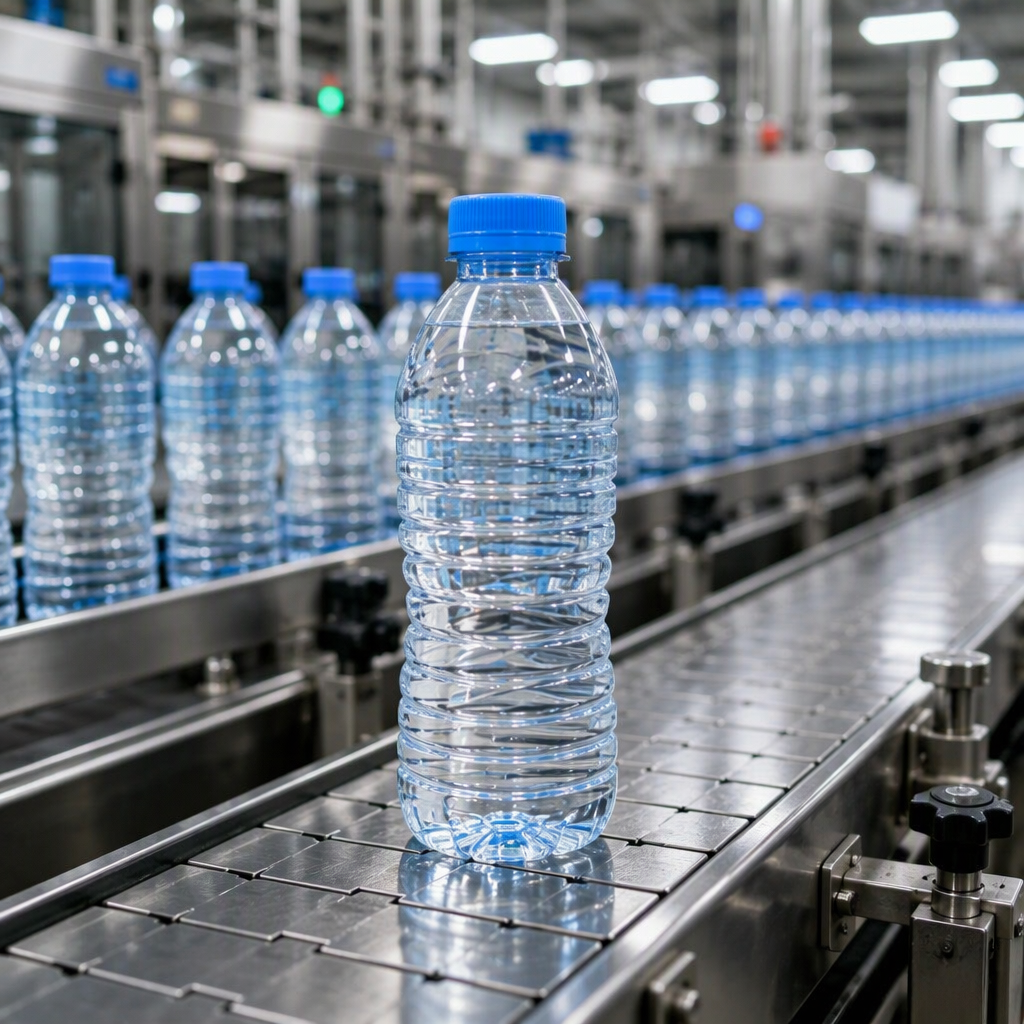
4000–12000 BPH Alkaline Water Bottling Plant
View Technical Specs →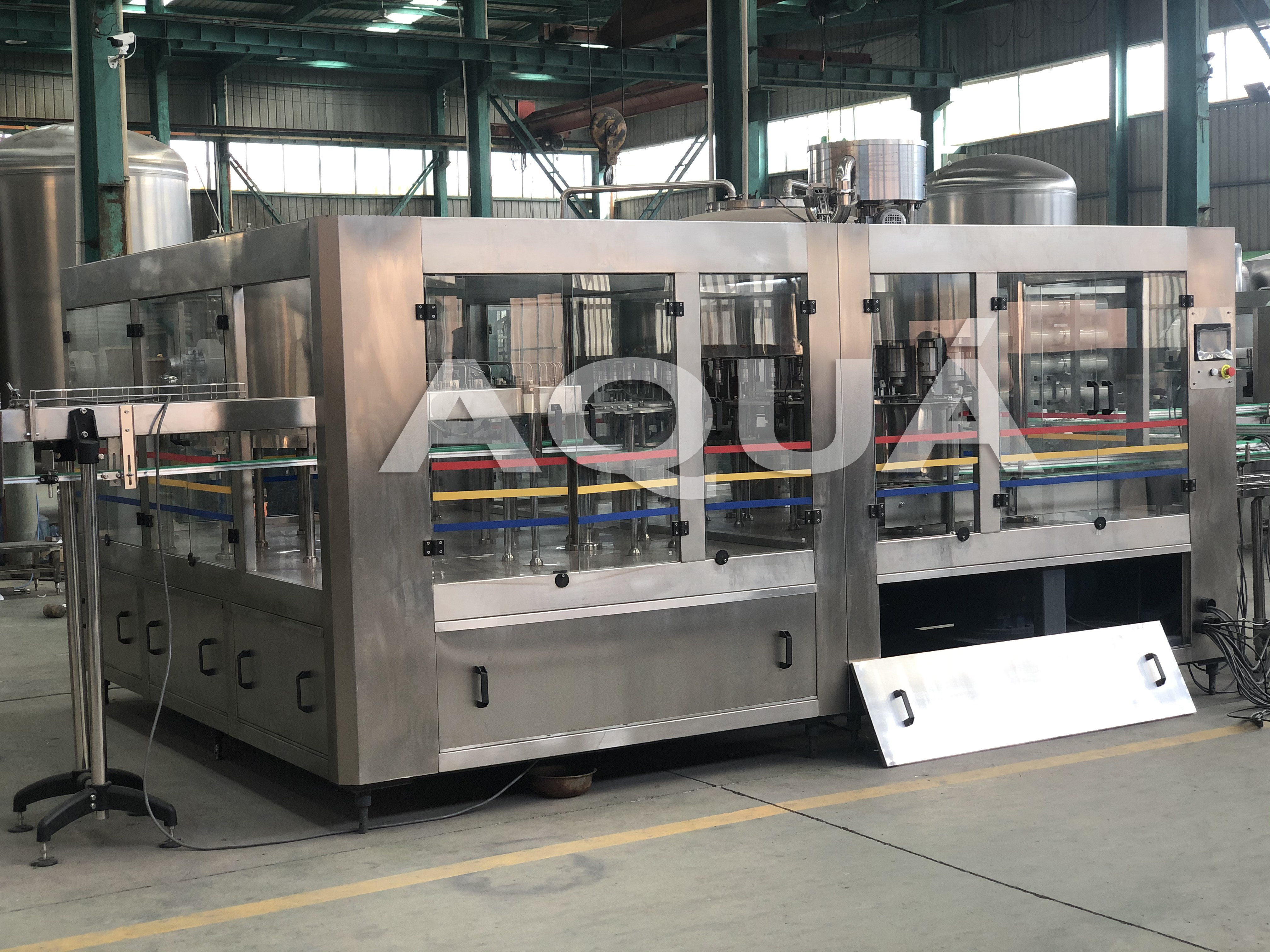
Small Scale Bottling Water Factory / Alkaline Water
View Technical Specs →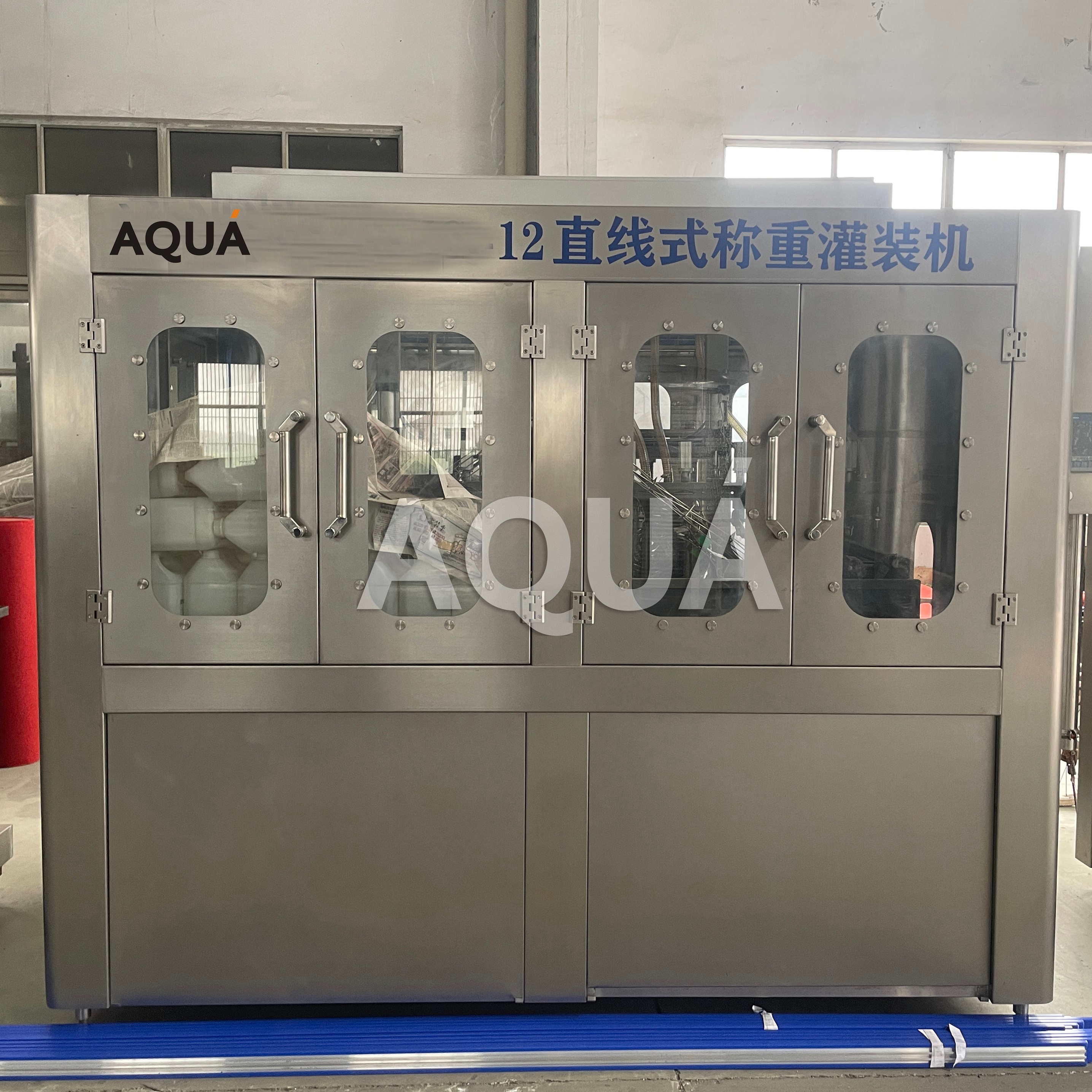
Fully Automatic Bottling Line for Edible Oil
View Technical Specs →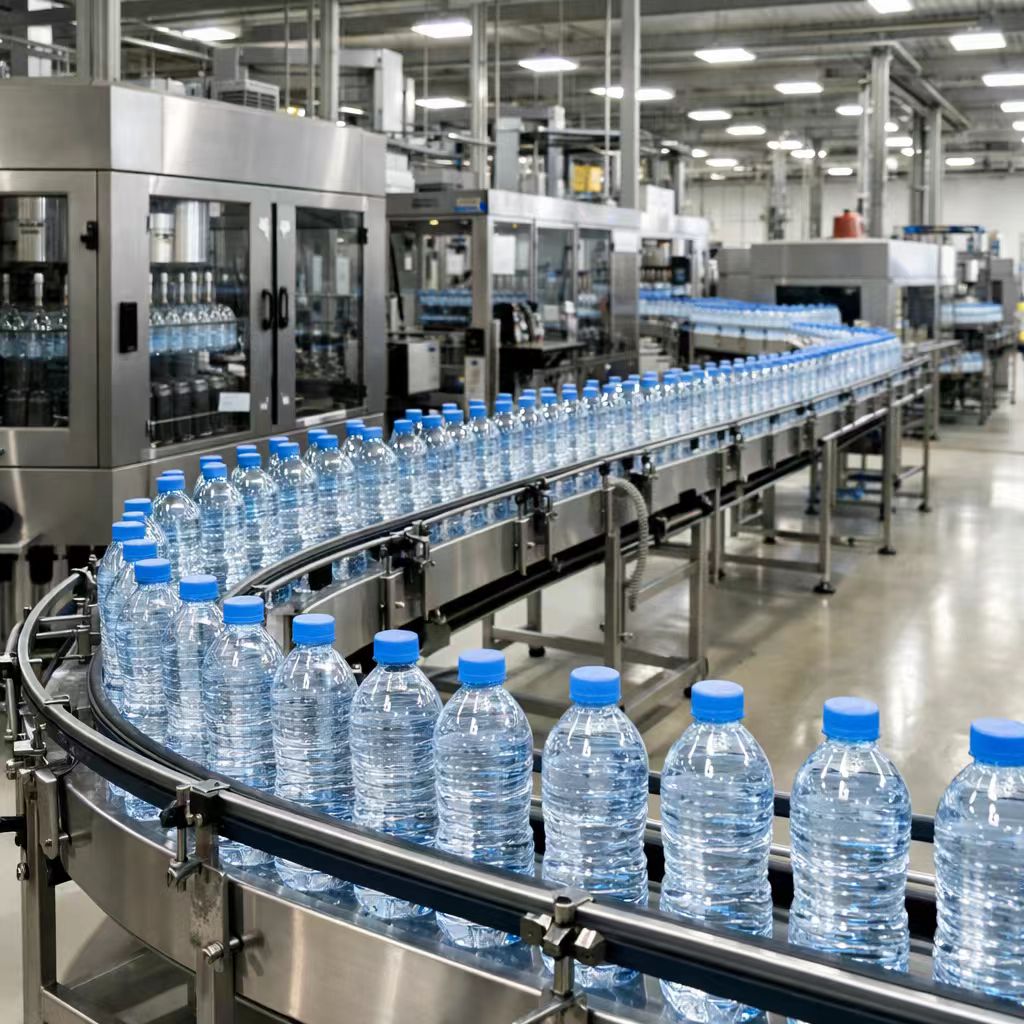
4000 BPH Automatic CSD & Juice Bottling Line
View Technical Specs →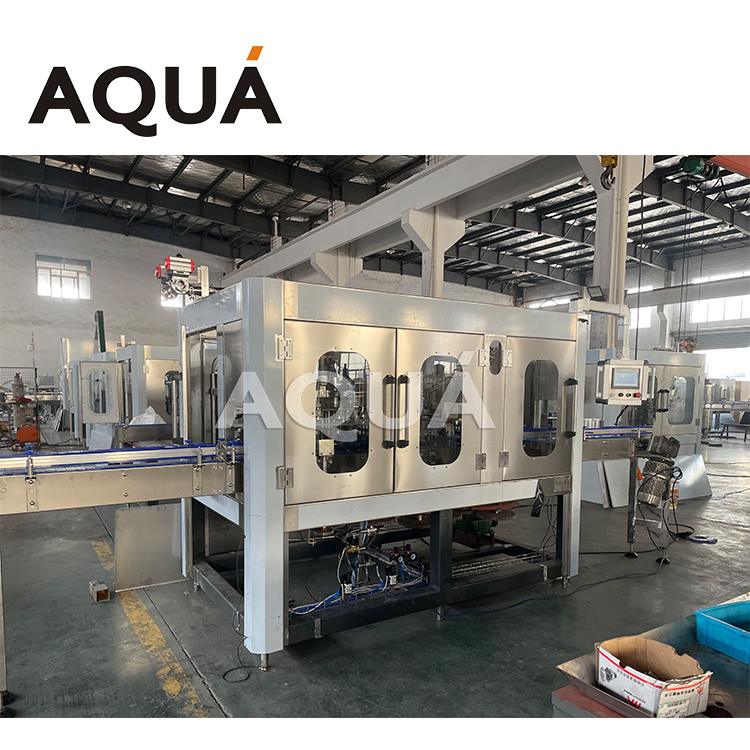
6000 CPH Automatic Beer & CSD Can Filler Seamer
View Technical Specs →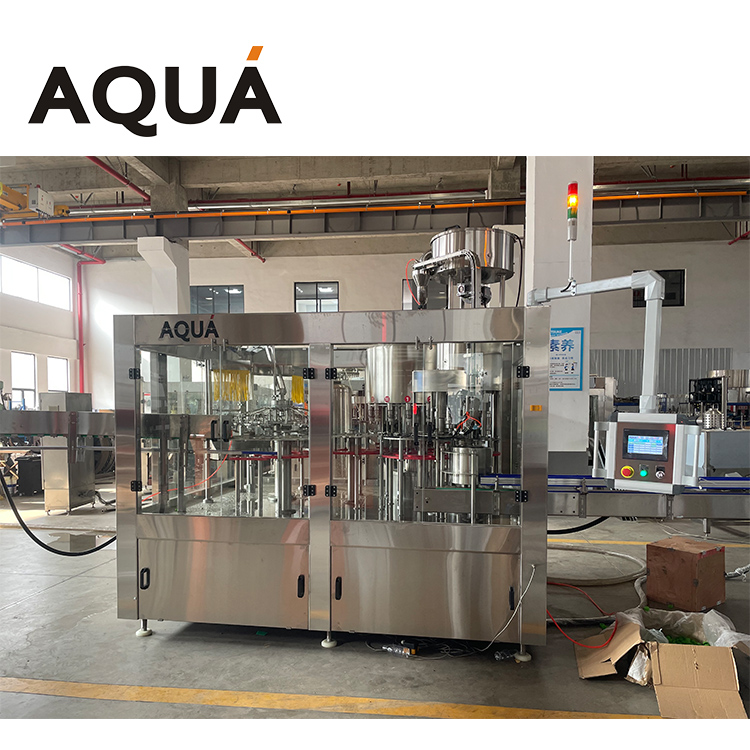
Small Automatic Drinking Water Filling Monoblock
View Technical Specs →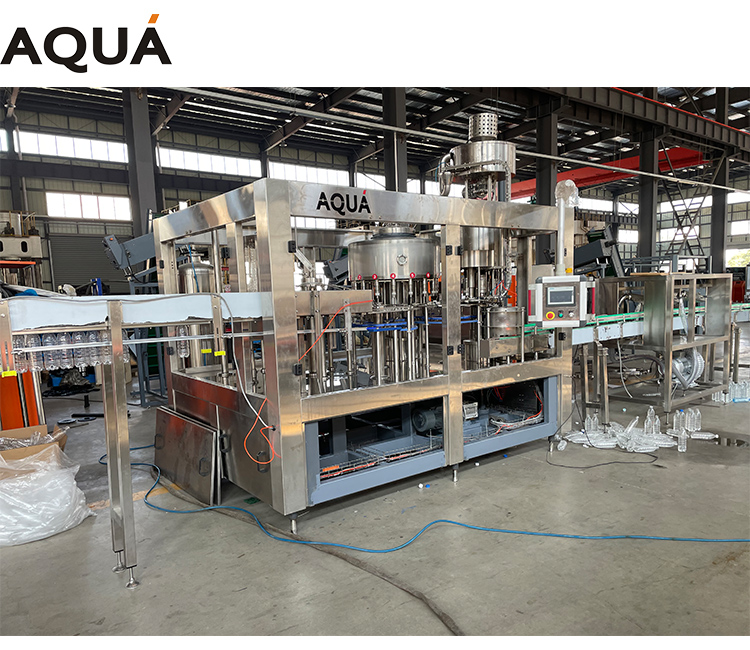
2000 BPH 8-8-3 Rinsing Filling Capping Monoblock
View Technical Specs →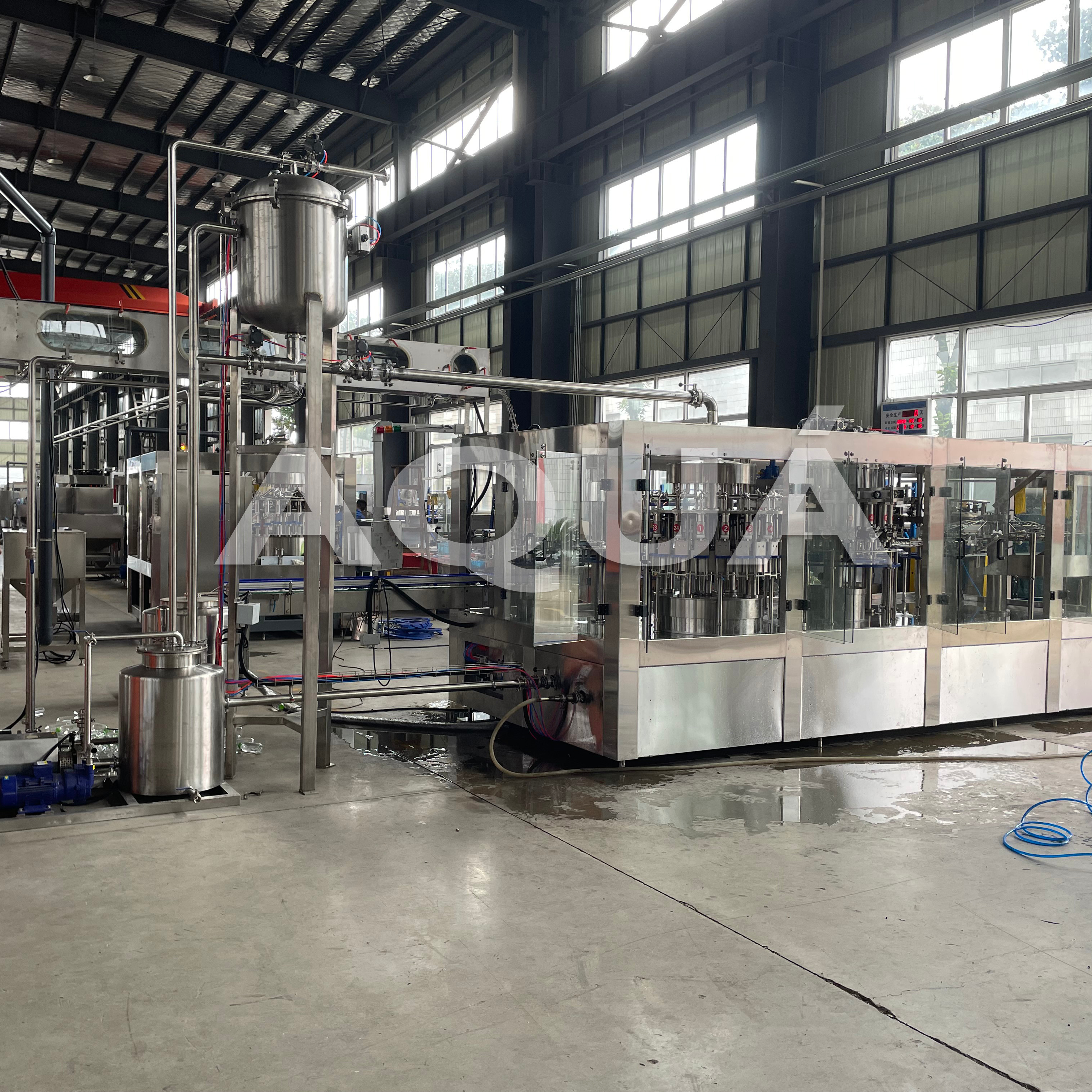
Automatic Juice Hot Filling Production Line
View Technical Specs →Engineering Fundamentals of Counter Pressure (Isobaric) Filling Systems
Counter pressure filling—technically recognized as isobaric filling—is the definitive benchmark for packaging carbonated beverages into PET bottles, glass containers, and aluminum cans. Unlike atmospheric gravity filling designed for flat liquid water, counter pressure filling mitigates the immediate breakout of dissolved carbon dioxide (CO2) during liquid transfer by balancing the pressure inside the container with the pressure inside the filling bowl prior to product injection.
When packaging carbonated soft drinks (CSD), sparkling mineral water, cider, or craft beer, maintaining a precise partial pressure balance between the gas head phase and the liquid product is imperative. Uncontrolled pressure drops induce rapid nucleation, causing heavy foaming, net volume inaccuracy, severe product loss, and elevated Total Packaged Oxygen (TPO) pickup. Custom OEM counter pressure filler engineering addresses these physical challenges through mechanical and electro-pneumatic valve sequencing, double pre-evacuation vacuum systems, and controlled snifting protocols.
Technical Fact: Henry's Law dictates that the solubility of gas in a liquid is proportional to the partial pressure of that gas above the liquid. Maintaining precise CO2 pressurization (typically 0.2 to 0.4 MPa) at controlled product temperatures (2–4 °C) prevents foaming and preserves carbonation volumes up to 4.5 g/L.
The 5-Step Isobaric Filling Mechanism
1. Bottle Sealing & Evacuation
The neck handling gripper or lift cylinder presses the container opening firmly against the food-grade EPDM/Silicone valve seal, creating a hermetic seal. Optional single or double vacuum pre-evacuation removes atmospheric ambient air.
2. Counter-Pressure Gas Equalization
Isobaric gas channels open, flooding the container with CO2 or sterile inert gas from the bowl header until the pressure inside the bottle matches the tank pressure (typically 0.25–0.35 MPa).
3. Laminar Liquid Filling
Once pressure equilibrium is established, a heavy stainless steel spring unseats the main liquid valve cone. Liquid flows down the bottle walls via a spreading cone under laminar flow conditions, displaced gas returning to the header tank.
4. Venting & Level Correction
The liquid level reaches the mechanical vent tube cut-off point. Liquid filling halts automatically as displaced gas can no longer escape through the return gas passage.
5. Controlled Pressure Relief (Snifting)
A multi-stage exhaust valve releases headspace gas in a gradual, controlled step-down curve. This prevents violent pressure drop flash-off, foam surge, and liquid displacement before bottle transfer to capping.
6. Hermetic Capping Transfer
Bottles are smoothly indexed onto the crowning or threaded capping turret with under-cap CO2 gassing or hot-water jetting (fobbing) to purge residual air in the neck space before physical closure application.
Technical Specifications Matrix: Standard vs. Advanced Isobaric Fillers
When procuring an automated beverage bottling or canning line, plant managers must evaluate critical engineering parameters between conventional mechanical-lever isobaric fillers and modern electro-pneumatic flow-meter systems. UJDI Machinery provides custom OEM configurations tailored to targeted production volumes and fluid dynamics.
| Performance Metrics | Mechanical Vent-Tube Counter Pressure Filler | Electro-Pneumatic Electro-Flow Isobaric System | High-Speed Rotary Isobaric Monoblock |
|---|---|---|---|
| Capacity Range (500ml) | 2,000 – 6,000 BPH | 4,000 – 12,000 BPH | 12,000 – 24,000 BPH |
| Filling Accuracy | ± 2.0 mm liquid height | ± 0.5 ml volumetric accuracy | ± 1.0 mm liquid height |
| Dissolved Oxygen (DO) Pickup | 40 – 80 ppb (single purge) | < 15 – 30 ppb (double vacuum step) | < 20 – 40 ppb (CO2 flush) |
| Supported Containers | Glass Bottles, Standard PET | PET, Glass, Sleek/Standard Cans | Lightweight PET, Ultra-thin Cans |
| Product Compatibility | Beer, Soda Water, CSD | Craft Beer, CSD, Pulp Juice, Cider | CSD, Mineral Water, Sparkling Wine |
| Sanitation Protocol | Manual CIP Dumb-Cups | Fully Automated CIP Loops & Steam Sterilization | Circulating Automated CIP System |
| Contact Metallurgy | SUS304 / EPDM Seals | SUS316L / PTFE / FKM Seals | SUS304 / SUS316L Options |
Future Trends in Counter Pressure Filling Technology (2025–2030)
The global beverage machinery sector is transitioning rapidly toward zero-oxygen packaging, extreme energy efficiency, and total digital integration. Plant owners procuring equipment today must account for the following architectural advancements to avoid premature technological obsolescence.
1. Electronic Servo Valve Control vs. Mechanical Cam Actuation
Traditional counter pressure fillers rely on mechanical starwheels, pneumatic trips, and fixed curved cams to actuate filling valves. Advanced OEM systems now integrate individual electronic servo motors and magnetic flowmeters per filling valve head. This enables dynamic adjustment of fill volumes and gas flushing durations via the PLC HMI touchscreen without physical component replacement during bottle volume changeovers.
2. Ultra-Low Dissolved Oxygen (DO) Double Pre-Evacuation
For modern craft breweries and carbonated beverage brands, extended shelf life requires minimal DO pickup. Dual-stage vacuum purging draws container pressures down to -0.09 MPa before flushing with 99.99% pure CO2. This reduces neck space air contamination, maintaining DO pickup under 20 ppb and preventing flavor oxidation over a 12-month shelf life.
3. Hygienic Sanitary Design & Automated CIP Closed Loops
Cross-contamination risks during recipe switches (e.g., transitioning from high-sugar soda to natural mineral water) are eliminated using automated closed-loop Clean-In-Place (CIP) systems. Automated dummy cups seal against the filling valves, circulating hot caustic and acid wash cycles at 85 °C with full temperature and conductivity feedback loop validation.
4. Lightweight PET Container Bottling Capability
Environmental regulations demand thinner PET bottle wall structures. Standard high-pressure isobaric filling can deform ultra-lightweight bottles during pressurization. Modern fillers utilize external neck-clamping technology, pressure-balanced external chamber support, and precise differential pressure monitoring to protect structural container integrity during 0.4 MPa pressure cycles.
Zhangjiagang UJDI Machinery Co., Ltd. — Custom Manufacturing Strength
Located in China's premier beverage packaging machinery hub, UJDI Machinery combines over 13 years of specialized engineering expertise, delivering complete, synchronized liquid packaging solutions worldwide.
Intertek Audited & CE Certified
On-site verified manufacturing facilities complying strictly with European Conformity (CE) directive standards for electrical safety and liquid pressure vessel design.
Full Customization & OEM/ODM Capability
Engineered line layouts tailored to plant dimensions, specialized container geometry, local voltage standards, PLC language preference, and custom component selection (Siemens, Schneider, Festo, Omron).
Global Export & Turnkey Line Integration
Over a decade of international delivery experience covering water treatment systems, PET blow molding, rinsing-filling-capping monoblocks, labeling, shrink wrapping, and buffer conveyors.
Pre-Shipment Testing & Lifetime Support
Rigorous raw material inspection, static pressure testing, and trial batch running prior to wooden crate packaging, supplemented by remote engineering diagnostics and on-site commissioning.
Frequently Asked Procurement Questions (FAQ)
Critical operational answers for factory owners, project engineers, and technical directors planning a beverage bottling investment.
What production capacity range do your counter pressure filling lines cover?
Our standard rotary counter pressure filling monoblocks handle between 2,000 to 15,000 bottles per hour (BPH) based on standard 500ml containers. For aluminum beverage cans, our automatic filling and seaming monoblocks range from 2,000 to 6,000 cans per hour (CPH). Custom configurations can be scaled to fit specific plant requirements.
Can a single counter pressure filler handle both carbonated drinks and non-carbonated water?
Yes. Our counter pressure filling machines are engineered with dual-mode operational programs. When running carbonated drinks (CSD, beer, sparkling water), the machine operates under full isobaric pressurization. When running still mineral water or juice, the counter-pressure gas cycle is disengaged via the PLC touchscreen, permitting gravity or low-vacuum filling.
How does counter pressure filling minimize Dissolved Oxygen (DO) levels in beer and beverage bottling?
DO pickup is controlled through multi-stage gas management: first, single or double vacuum pre-evacuation extracts ambient air from inside the container; second, pure CO2 gas purges the chamber; third, laminar wall-flowing liquid injection prevents turbulence; and finally, under-cap CO2 gassing or high-pressure fobbing clears air from the neck space immediately prior to capping.
Can one filling machine accommodate multiple bottle dimensions and neck finishes?
Yes. By utilizing dedicated change parts—including quick-change starwheels, bottle-infeed scroll guides, height adjustment jacks, and custom neck-handling grippers—a single monoblock can run bottle sizes ranging from 250ml to 2.0L. Size transitions typically take less than 30 minutes with our toolless changeover options.
What metal alloys and sanitary materials are utilized in product contact zones?
All liquid and gas contact components are constructed from food-grade Stainless Steel SUS304 as standard, with premium SUS316L mirror-polished stainless steel available for corrosive liquids, cider, or high-acid fruit juices. Dynamic seals utilize high-temperature, food-compliant EPDM, PTFE, and Viton (FKM) compliant with international food safety standards.
What details are required to receive a comprehensive technical line quotation?
To provide an accurate engineering layout drawing and customized commercial proposal, please provide: 1) Beverage type and carbonation levels (g/L); 2) Container drawing and material (PET, glass, can); 3) Target hourly capacity (BPH/CPH); 4) Desired label style (Sleeve, Sticker, BOPP hot-melt); 5) Final bundle packing preference (PE shrink wrap or carton case); and 6) Local plant electrical parameters (V/Hz/Phase).
Do you offer on-site installation, commissioning, and operator training?
Yes. We deploy experienced mechanical and automation engineers to your plant to oversee structural assembly, utility connection, line synchronization, commissioning, and staff operational training. Remote video diagnostic assistance and 24/7 technical hotline support are also standard features of our service agreement.
Can UJDI supply the entire turnkey line instead of just the filling machine?
Absolutely. We manufacture and integrate the full turnkey packaging ecosystem: Raw Water Treatment (RO/UF/Ozone) → Carbonation Mixer System → Automatic PET Blow Molding → Rinsing-Filling-Capping Monoblock → Bottle Dryer → Labeling System → Date Coder → PE Film Shrink Wrapper → Conveyor Systems.
Ready to Build Your Turnkey Bottling Facility?
Consult with our senior technical engineers today to receive a customized plant layout design, technical specification document, and factory-direct commercial proposal.