Standard & Custom Liquid Bottling Systems
Explore our engineering-grade filling, rinsing, and packaging monoblocks built for microbreweries, regional packaging hubs, and industrial beverage facilities.
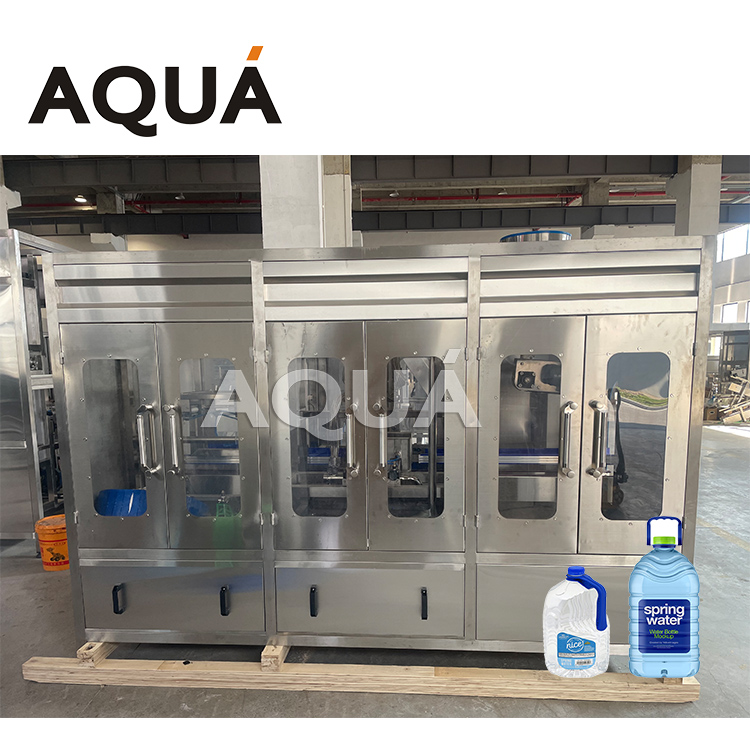
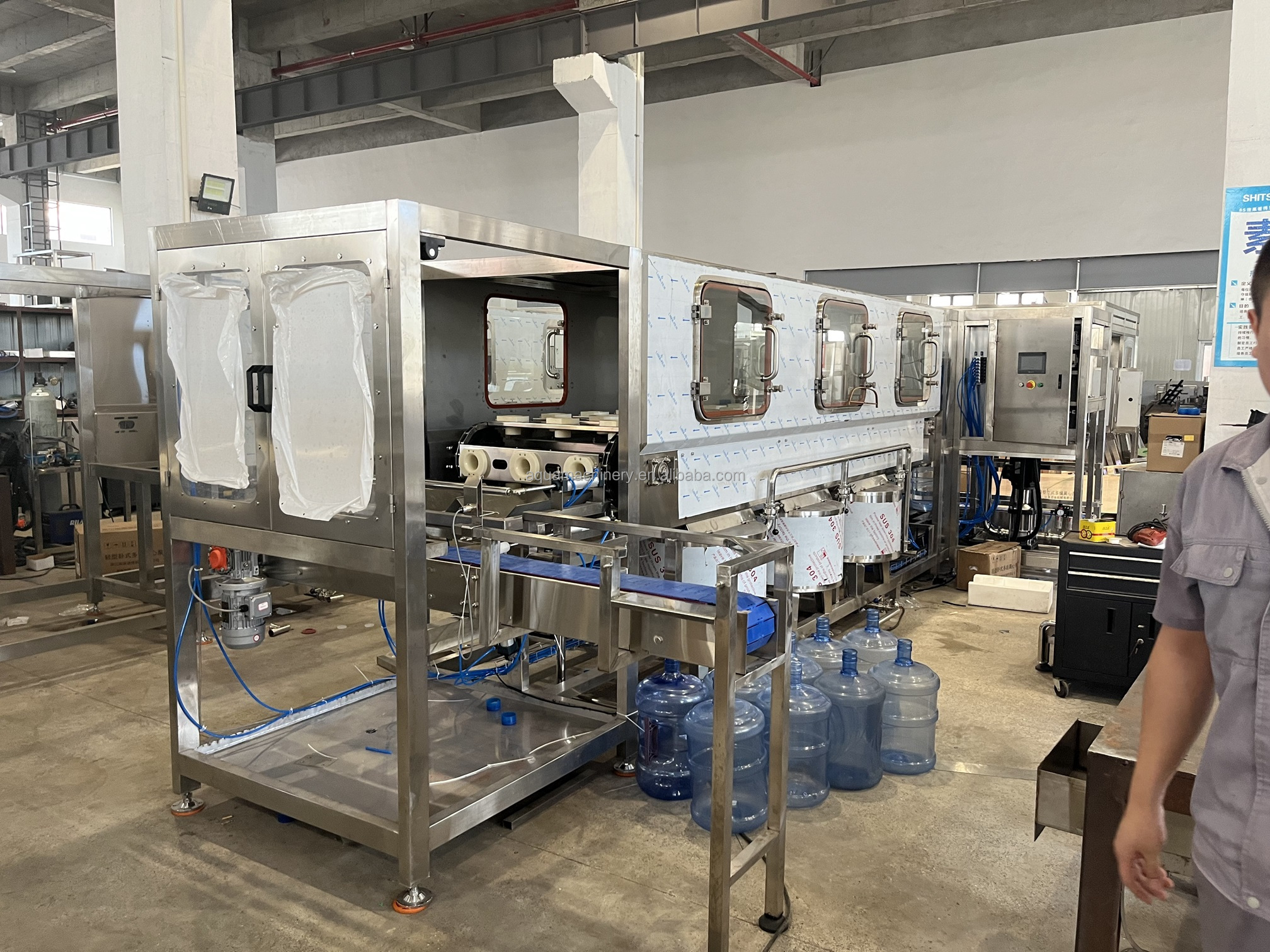
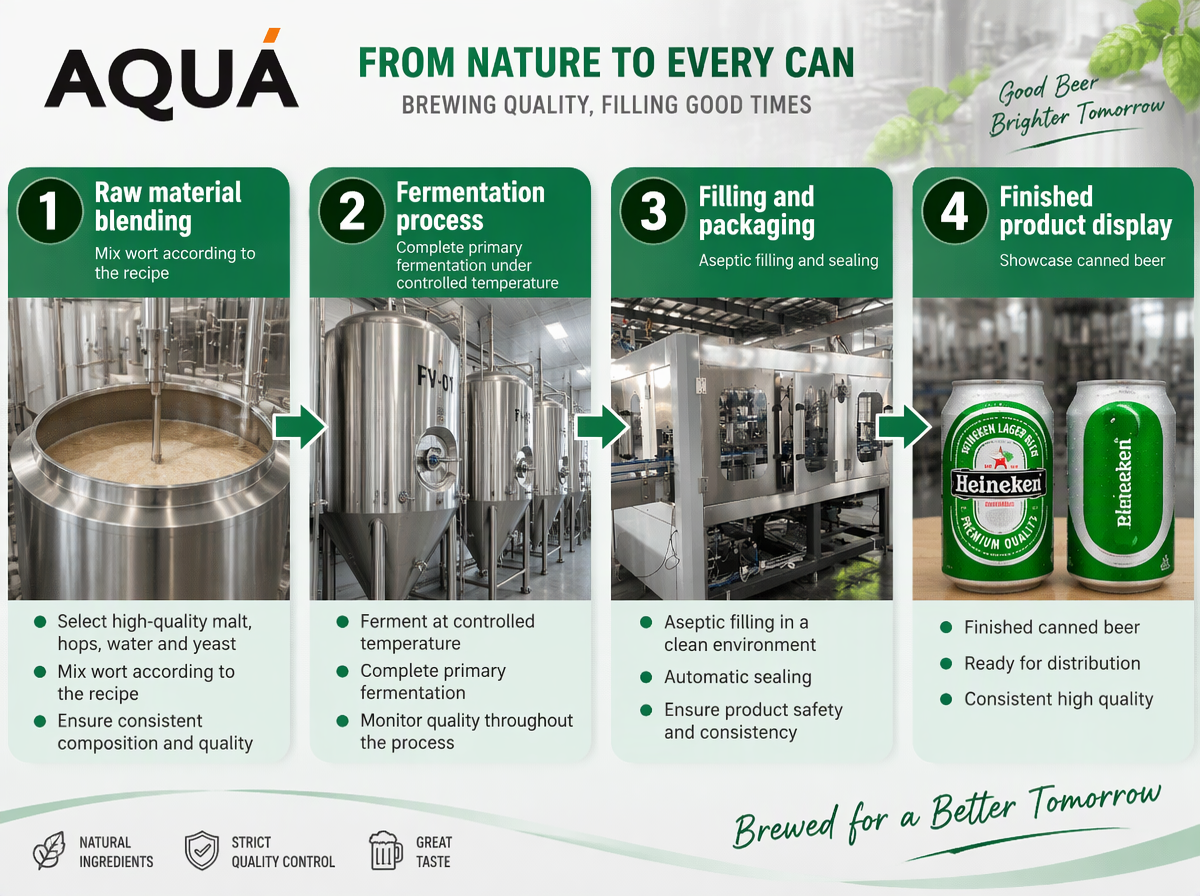
Engineering High-Precision Beer Bottling Lines: The Science of Isobaric Packaging
A comprehensive technical guide to eliminating microbial contamination, managing gas solubility, and minimizing dissolved oxygen pickup during commercial beer bottling operations.
1. Understanding Isobaric Counter-Pressure Filling Dynamics
In commercial beer packaging, carbon dioxide ($\text{CO}_2$) retention and oxidation prevention are paramount. Beer is a complex biological beverage containing dissolved gases, sensitive hop compounds, and fragile proteins. Standard gravity or pressure filling techniques lead to violent decarbonation, excessive foaming, and catastrophic flavor degradation.
As a premier Custom OEM Beer Bottling Line Manufacturer, Zhangjiagang UJDI Machinery Co., Ltd. designs advanced isobaric counter-pressure filling systems. The process relies on equalizing the pressure between the filler bowl and the internal volume of the bottle prior to fluid entry. By introducing sterile $\text{CO}_2$ gas into the container until it reaches equal operating pressure (typically between 0.25 to 0.40 MPa), beer flows under smooth laminar conditions along the internal glass walls, preventing foam breakout.
2. Double Pre-Evacuation Technology: Controlling Dissolved Oxygen (DO)
Oxygen is the primary enemy of beer shelf-life. Even micro-quantities of atmospheric oxygen introduced during filling cause premature staling, cardboard off-flavors (due to trans-2-nonenal formation), haze precipitation, and loss of delicate hop aromatics. Modern craft and commercial breweries mandate Total Package Oxygen (TPO) levels to remain under strict thresholds.
Our automated beer bottling lines incorporate Double Vacuum Pre-Evacuation Systems. The operational sequence follows a rigorous thermodynamic loop:
- First Vacuum Evacuation: A high-capacity liquid ring vacuum pump evacuats atmospheric air from the bottle down to 90-95% vacuum.
- $\text{CO}_2$ Flushing: Food-grade $\text{CO}_2$ is injected into the vacuumized bottle, diluting residual oxygen molecules.
- Second Vacuum Evacuation: A secondary vacuum stroke reduces the remaining gaseous mixture, lowering oxygen concentration to negligible levels.
- Isobaric Equalization & Laminar Fill: Clean $\text{CO}_2$ pressurizes the container to match tank pressure, followed by high-speed, quiet beer dosing via electro-pneumatic valves.
This dual-stage evacuation routine reliably ensures a DO pickup of less than 30 PPB (parts per billion), dramatically extending product stability for transcontinental export.
| Engineering Specification | Mechanical Counter-Pressure Line | Electro-Pneumatic OEM Line (UJDI) | Direct Impact on Brewery Efficiency |
|---|---|---|---|
| DO Pickup Control | 60 – 120 PPB | < 30 PPB | Extends flavor freshness & shelf-life by 6+ months |
| Filling Valve Actuation | Mechanical Cam & Lever | Pneumatic / Servo Electronic | Zero bottle-burst risk; precise micro-level adjustment |
| Sterilization Capability | Basic CIP Circuit | Full 85°C Hot Water / Steam CIP | Guarantees 100% microbiological sterility (Wild Yeast / Bacteria) |
| Bottle Format Changeover | 2.5 – 4.0 Hours | 30 – 45 Minutes (Quick-Release) | Dramatically decreases downtime across multi-SKU facilities |
| Filling Speed Range | 2,000 – 6,000 BPH | 2,000 – 36,000 BPH | Scalable throughput for expanding commercial operations |
Tailored Bottling Line Configurations by Brewery Scale
Selecting the optimal bottling platform depends on your operational throughput, package substrate (Glass, PET, Aluminum), and carbonation parameters.
Craft Brewery Compact Monoblocks
Capacity: 1,500 – 3,500 BPH
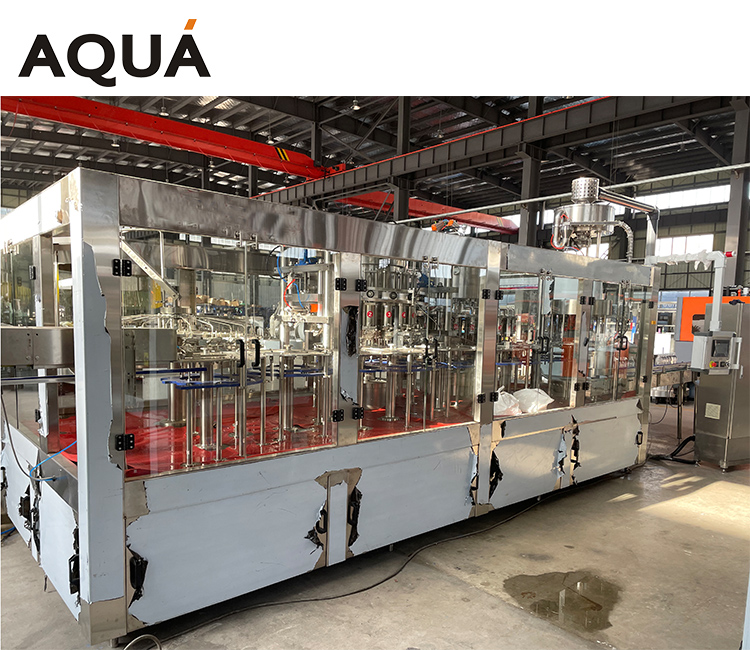
Designed specifically for microbreweries and brewpubs. Integrates bottle rinsing, double pre-evacuation isobaric filling, and pneumatic crown capping into a compact single-frame footprint.
- Small footprint with full stainless steel enclosure
- Integrated high-pressure jetting (foamer) before capping
- Low utility consumption & easy manual operation
Mid-Scale Regional Bottling Lines
Capacity: 4,000 – 12,000 BPH
High-efficiency electro-pneumatic monoblock systems engineered for regional beverage producers. Features automated PLC touchscreen controls, electronic level control, and automated CIP dummy cups.
- Fully automated bottle handling with neck/bottom guide starwheels
- Automated flash pasteurization unit integration option
- Compatible with crown caps, aluminum roll-on caps, and swing-tops
Industrial High-Speed Brewery Lines
Capacity: 15,000 – 36,000 BPH
Turnkey industrial plants including automated depalletizers, electronic flow-meter fillers, tunnel pasteurizers, optical inspector inspection modules, and automated case packers.
- Magnetic flowmeter or mass flowmeter filling accuracy
- Centralized Lubrication & SCADA System connectivity
- Maximum energy recovery and low $\text{CO}_2$ consumption design
Future Sourcing Trends & Technological Roadmaps (2025–2030)
How smart manufacturing, sustainability mandates, and flexible packaging architectures are redefining global beverage machinery procurement.
Trend 1: Smart IoT Integration & Predictive Maintenance Modules
Global brewery procurement officers are transitioning away from reactive maintenance toward predictive, sensor-driven architectures. Next-generation OEM bottling lines incorporate edge-computing IO-Link sensors that monitor vibration, thermal fluctuation in bearings, valve response latency, and line pressure in real time. Through Industry 4.0 cloud integration, brewery managers receive early telemetry alerts before a mechanical valve failure causes batch contamination or unscheduled downtime.
Trend 2: Sustainable Utility Optimization & Closed-Loop CIP Systems
Water scarcity and rising energy costs have made utility consumption a core metric in OEM machinery evaluation. Advanced bottling systems now feature sterile water recycling loops in bottle rinsers, reducing fresh water consumption by up to 45%. Furthermore, intelligent CIP (Clean-In-Place) systems optimize caustic and acid wash cycles using conductivity sensors, minimizing chemical waste while guaranteeing total eradication of beer spoilage organisms such as Lactobacillus and Pediococcus.
Trend 3: Hybrid Packaging Versatility (Glass Bottle & Aluminum Can Combination Lines)
Consumer preferences are rapidly shifting between traditional glass bottles and sleek aluminum cans. Modern wholesalers are heavily investing in modular block designs that allow fast changeovers between glass crowning and aluminum can seaming on shared conveyor buffers. OEM manufacturers providing quick-change starwheels and recipe-driven PLC controls are capturing significant market share by reducing initial capital expenditure for multi-format brands.
Enterprise Strengths & Custom Manufacturing Standards
Zhangjiagang UJDI Machinery Co., Ltd. brings over 13 years of engineering leadership, verified global certifications, and complete turnkey solution integration.
Intertek On-Site Assessed Facility
Our manufacturing plant undergoes rigorous third-party auditing by Intertek, verifying true production capacity, quality assurance protocols, and structural compliance.
Food-Grade Stainless Steel Construction
All product contact zones are fabricated exclusively from certified SUS304 or optional SUS316L stainless steel with internal mirror polishing (Ra < 0.4 μm).
CE & ISO Compliance Standards
Fully compliant with European Union CE directive standards, incorporating electromagnetic safety controls, emergency stop loops, and protective safety doors.
Complete End-to-End Turnkey Delivery
From raw water treatment (RO systems), beer bright tanks, line layout CAD design, packaging monoblocks, labeling to final shrink-wrapping—we supply one seamless line.
Frequently Asked Questions for Brewery Procurement Engineers
Addressing critical technical considerations, site preparation parameters, and operational validation steps for purchasing custom beer bottling equipment.
- Target production output (Bottles Per Hour - BPH).
- Beer parameters (Carbonation level in g/L or Vol, filling temperature, viscosity).
- Container drawings (Glass bottle dimensions, neck finish spec, weight).
- Facility floorplan dimensions and electrical supply specs (Voltage/Frequency).
Accelerate Your Brewery Production Capabilities
Consult with our senior packaging engineers today to design a high-efficiency, custom isobaric bottling line tailored to your brand's exact specifications.