Featured Wholesale Juice & Beverage Filling Equipment
Discover our field-tested monoblocks, automated washing-filling-capping units, and water treatment line integrations designed for maximum operational yield and thermal consistency.
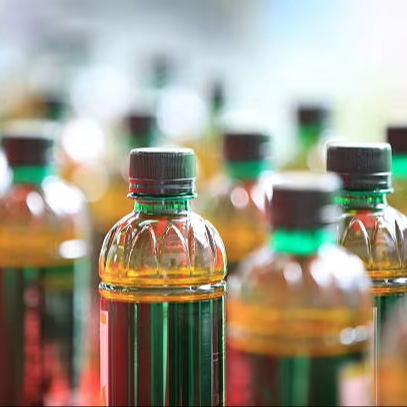
Complete Line of Equipment for Bottling Flavored Juice
View Line Details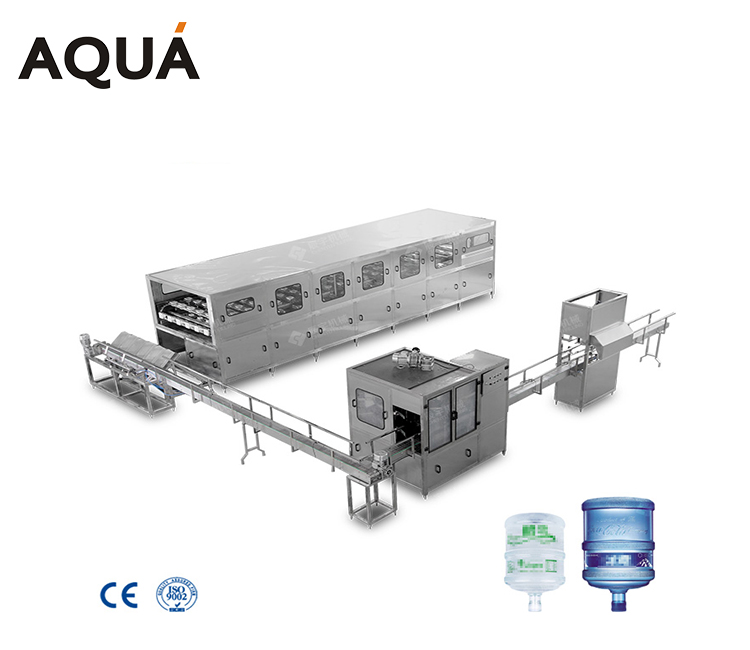
Automatic 5 Gallon Washing / 19L Water Filling Machine
View Line Details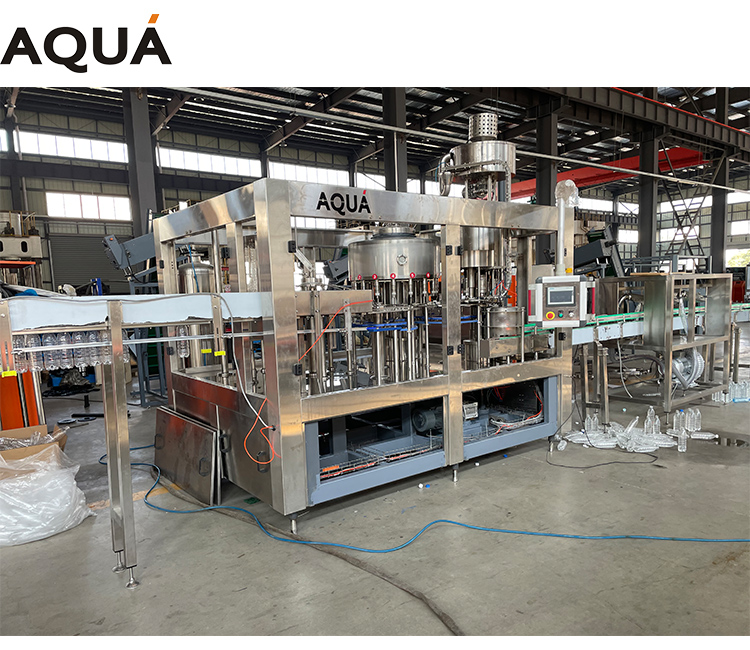
Automatic 2000BPH 8-8-3 Bottling Filling Capping Machine
View Line Details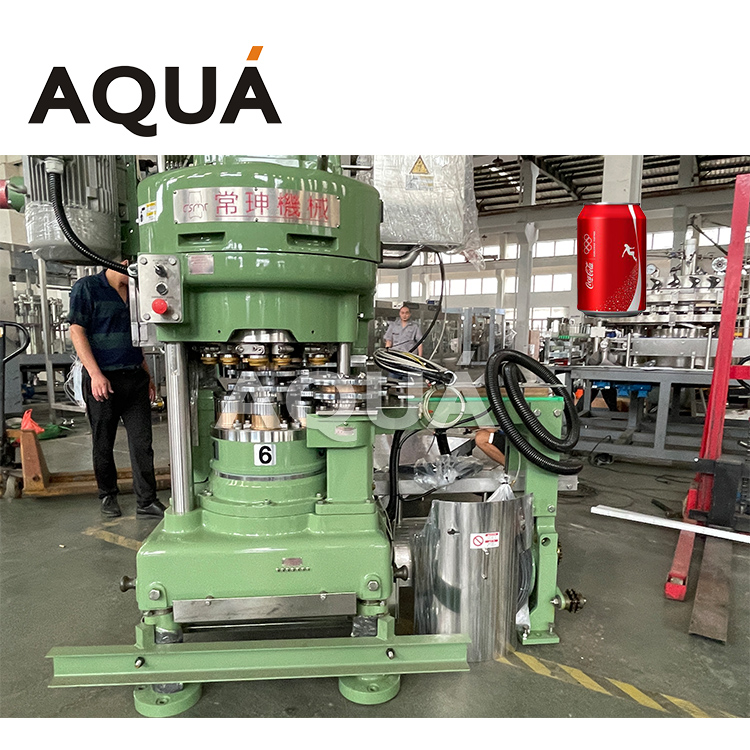
Automatic Sleek Can Seamer Machine for Aluminum Beverage Cans
View Line Details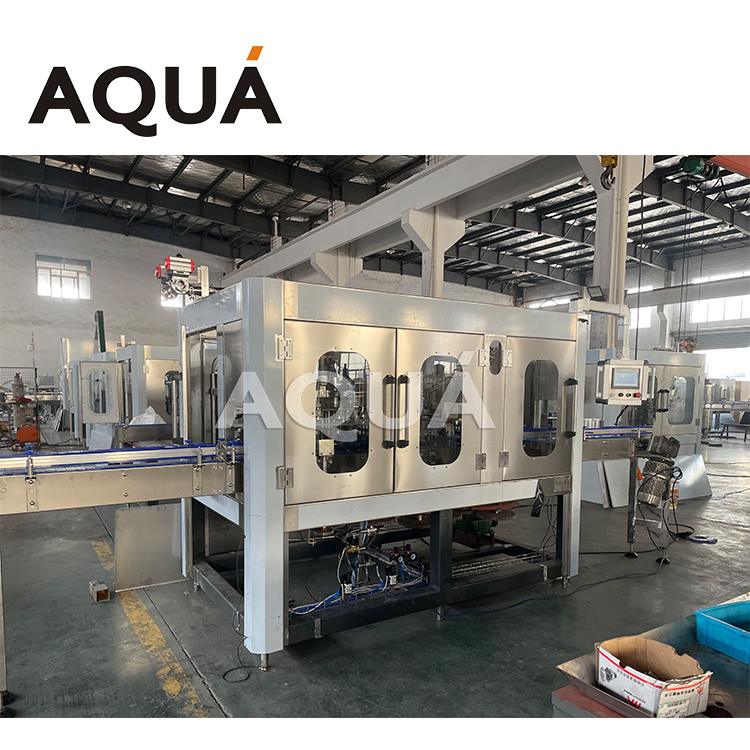
6000 CPH Automatic Beer & Beverage Canning Filler & Seamer
View Line Details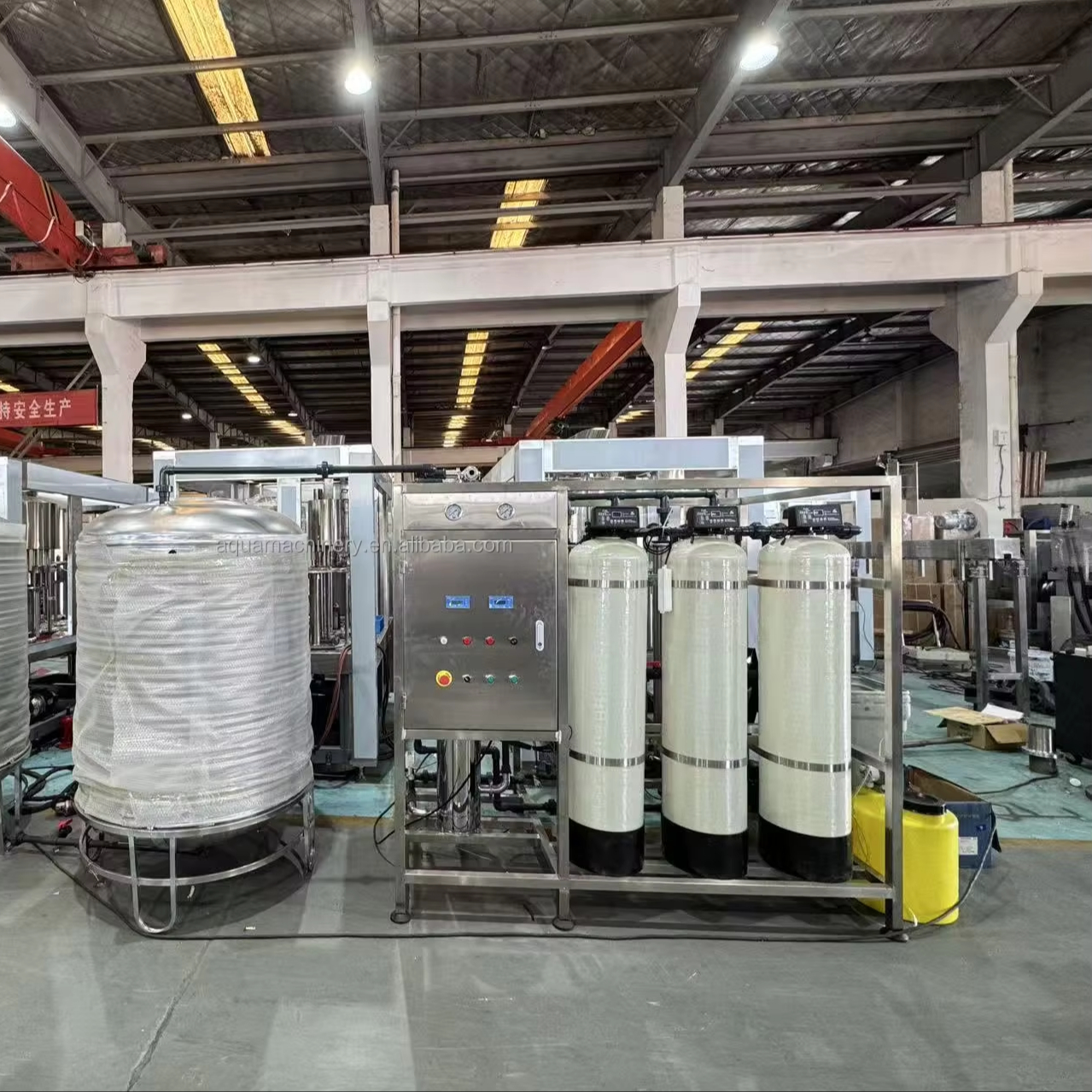
Industrial RO Water Treatment System (500–1000 LPH)
View Line Details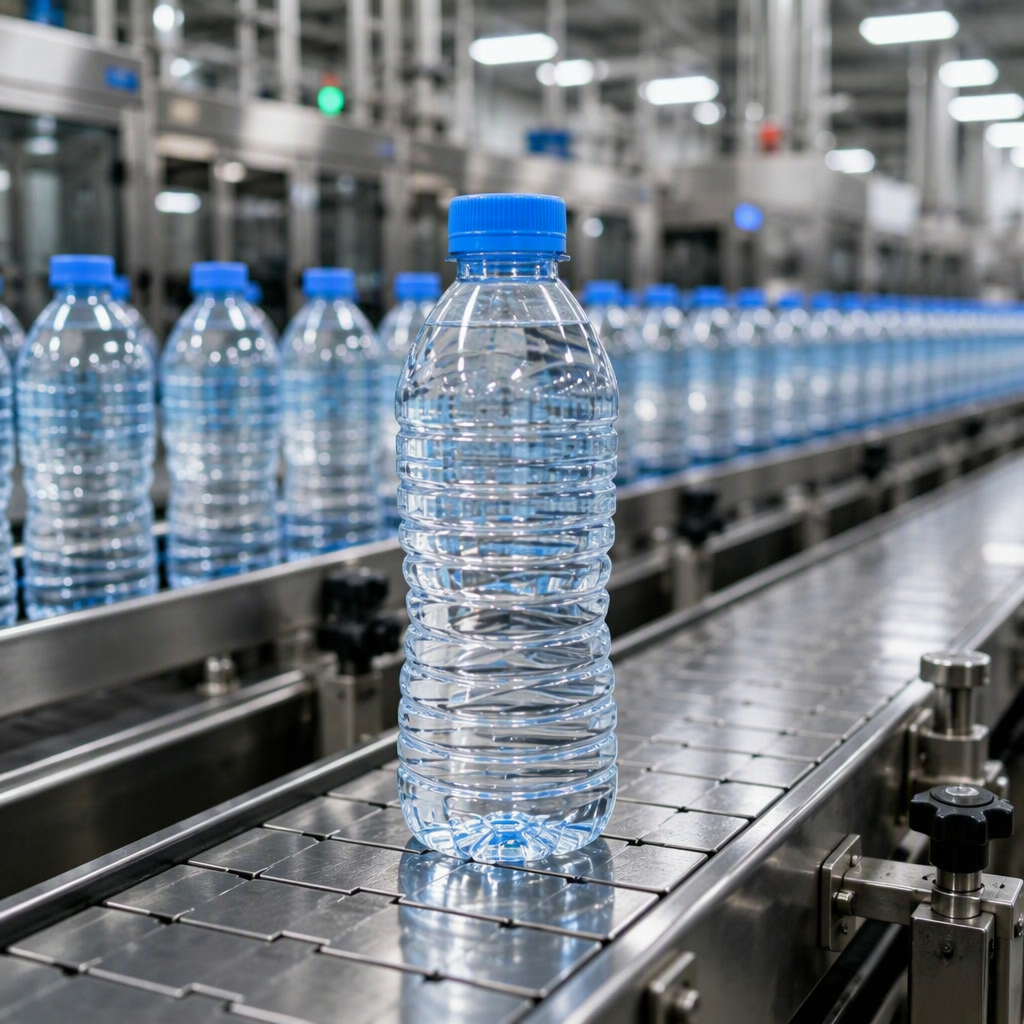
Automatic PET Bottle Water Purification & Filling Line
View Line Details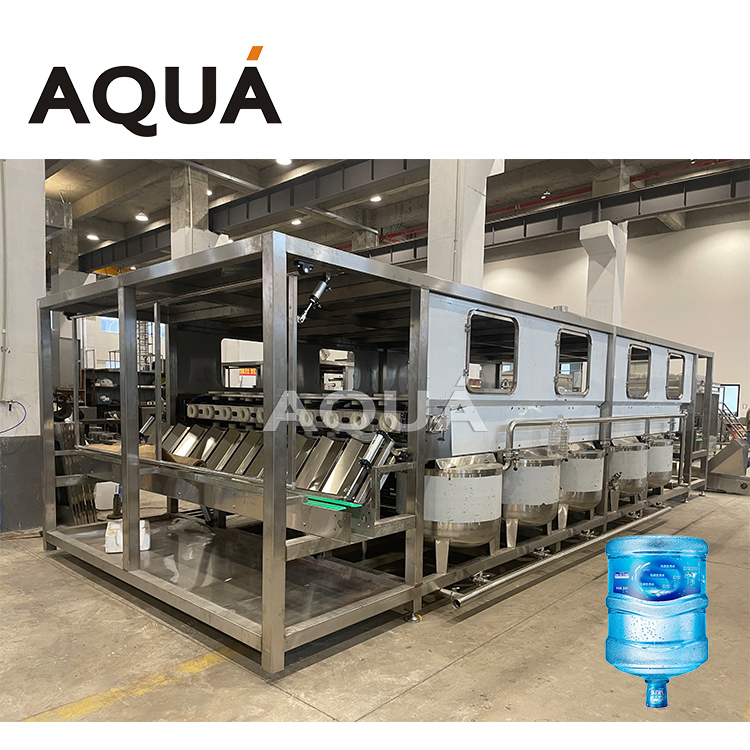
AQUA QGF-600 Line for Automatic 5 Gallon Washing & Filling
View Line DetailsState-of-the-Art Juice Bottling Machine Architecture & Hot-Fill Engineering
An in-depth technical analysis for plant directors, procurement managers, and beverage engineers detailing thermal processing, microbiological safety, and fluid dynamics in automated packaging systems.
In modern beverage manufacturing, purchasing an automated juice bottling plant requires a precise balance between microbiological stability, thermal processing precision, and mechanical operational efficiency (OEE). As a premier original equipment manufacturer (OEM) based in Zhangjiagang, China's premier hub for liquid packaging technology, Zhangjiagang UJDI Machinery Co., Ltd. designs and manufactures end-to-end hot filling monoblocks and aseptic packaging lines ranging from 2,000 to 15,000 bottles per hour (BPH).
Fruit juices, nectars, iced teas, and botanical beverages are biologically sensitive media. Unlike purified drinking water, high-acid fruit juices (pH < 4.6) and pulp-bearing beverages are prone to mold, yeast, and bacterial contamination if thermal profiles fluctuate during packaging. Consequently, industrial juice bottling equipment must execute a continuous thermal circuit, maintaining strict temperature regimes (typically 85°C to 92°C) throughout the filling cycle while protecting the container against thermal deformation.
Micro-Negative Pressure Hot-Filling Mechanics
Our juice hot-filling monoblocks utilize micro-negative pressure filling technology coupled with continuous product recirculation. When PET or glass bottles enter the filling carousel, stainless steel valves create a hermetic seal against the bottle finish. Fluid is dosed under gentle vacuum assistance, preventing foam formation, bubble entrapment, and liquid splashing.
If bottle delivery halts or if product temperature drops below the programmed setpoint (e.g., < 85°C), an automated pneumatic reflux valve diverts the beverage back to the high-temperature Tubular UHT Sterilizer system. This guarantees that no under-temperature liquid is ever sealed inside a container.
Complete Turnkey Process Architecture
Achieving commercial sterility and long shelf-life (12+ months without synthetic preservatives) requires a synchronized multi-stage production architecture. Below is the technical breakdown of our complete juice bottling process:
| Process Phase | Core Equipment Sub-System | Engineering Specifications & Operation |
|---|---|---|
| 1. Water Pre-Treatment | Dual-Pass RO & Ozone Sterilization | Multi-media sand filtration, active carbon absorption, 500-1000LPH reverse osmosis, UV sterilizer & ozone generator to achieve zero-microbe feed water. |
| 2. Beverage Preparation | Sugar Melting & Mixing Tanks | High-shear emulsification, jacketed thermal mixing (SUS316L), duplex liquid filters, and homogenizers for fruit pulp dispersion. |
| 3. Thermal Sterilization | Tubular UHT Sterilizer | Ultra-High Temperature processing at 120°C–135°C for 4–15 seconds, followed by controlled cooling to the hot-fill setpoint (85°C–92°C). |
| 4. Container Blowing | Rotary/Linear PET Stretch Blow Molder | Blowing heat-resistant PET bottles with structural panel ribs to withstand post-fill vacuum contraction during cooling. |
| 5. Monoblock Packaging | 3-in-1 Rinsing, Hot Filling & Capping | SUS316L sanitizing spray rinsers, micro-negative pressure filling valves, magnetic torque capping heads with auto cap elevator/sterilizer. |
| 6. Thermal Treatment | Bottle Tilting & Cooling Tunnel | 190° sterilization tilting belt (disinfects inner cap liner using hot liquid) followed by multi-stage shower cooling down to 30°C. |
| 7. Secondary Packaging | Sleeve Labeler & Shrink Wrapper | Automatic PVC/PET shrink sleeve applicator with steam shrink tunnel, followed by automated PE film bundle wrapping or wrap-around case packing. |
Why Global Beverage Brands Partner with UJDI Machinery
Rooted in Zhangjiagang, Jiangsu, UJDI Machinery brings over 13 years of specialized manufacturing experience, verified technical compliance, and international engineering execution.
Zhangjiagang Manufacturing Hub
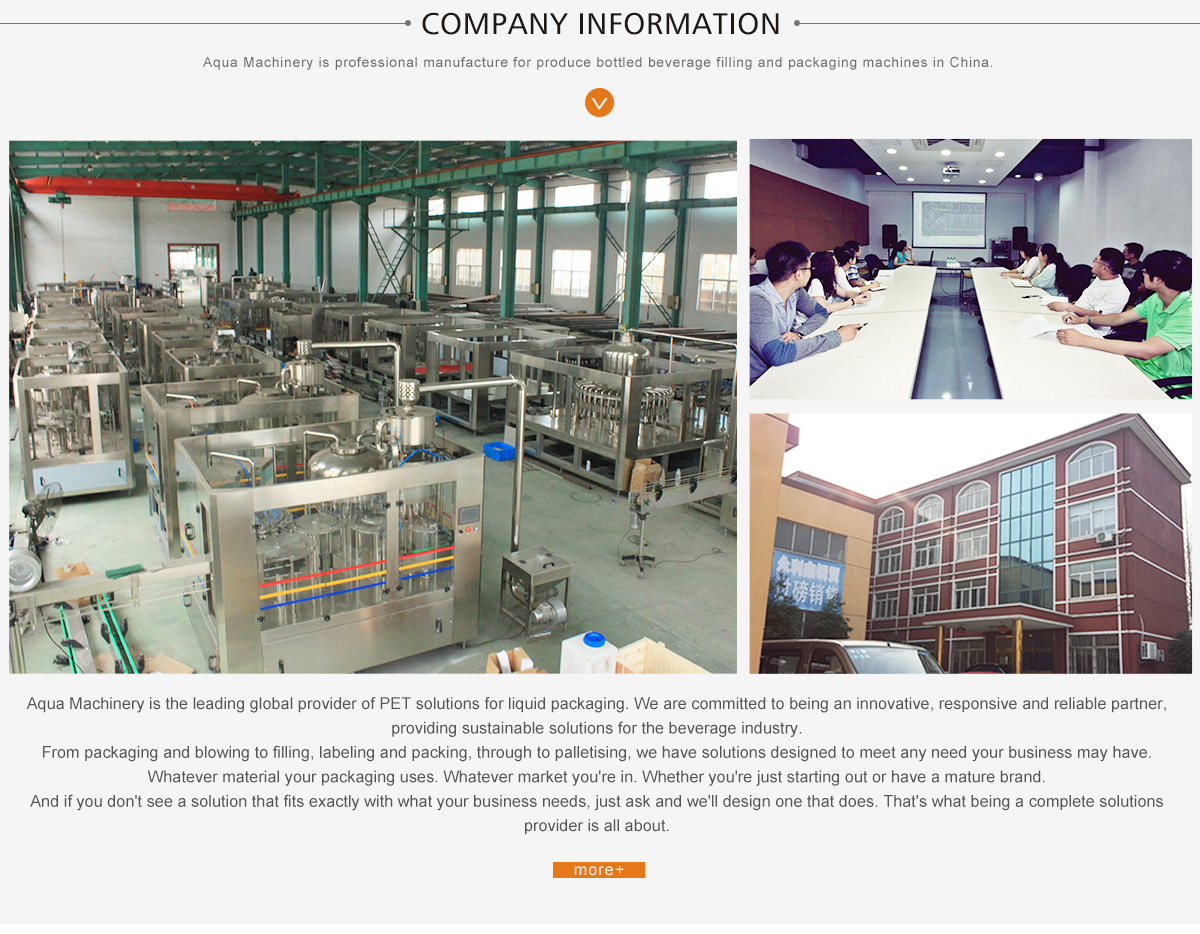
Located in China's central liquid packaging machinery cluster. Our modern plant spans advanced CNC machining centers, laser cutting bays, and dedicated line assembly shops.
Intertek Assessed & CE Certified
Our facility underwent rigorous on-site audit and verification by Intertek. All equipment carries European CE compliance, ensuring conformity with international electrical and mechanical safety codes.
Sanitary Metallurgy (SUS304/316)
All liquid-contact components, valves, and piping networks are manufactured from food-grade stainless steel SUS304 or acid-resistant SUS316L, fully polished to mirror finish (Ra < 0.4μm).
Industrial IoT & Siemens Automation
Powered by Siemens/Mitsubishi PLCs, color touchscreen HMIs, Omron photoelectric sensors, and Festo pneumatic actuators for real-time diagnostics and line synchronization.
10+ Years Export Footprint
Exported turnkey beverage production lines across Southeast Asia, the Middle East, Africa, Latin America, and Eastern Europe, supported by sea-worthy seaworthy export packing.
Lifecycle Field Engineering Support
From plant floor layout drawing (2D/3D CAD) to engineer dispatch for commissioning, FAT testing, operator training, and lifetime spare parts supply.
Future Procurement Trends in Juice Packaging Technology
Key market shifts and technological advancements shaping global beverage line investments over the next decade.
1. Shift Toward Ultra-Clean Ambient Aseptic Filling vs. Traditional Hot Fill
While hot-filling remains the standard choice for cost-effective, medium-scale production lines due to its lower capital expenditure (CAPEX), large-scale beverage enterprises are rapidly adopting Cold Aseptic Filling Technology. Ambient aseptic filling eliminates the thermal stress on PET containers, allowing plants to lightweight their preforms by up to 25–30%. Furthermore, avoiding prolonged exposure to 85°C heat preserves delicate fruit flavor profiles, natural vitamin content (such as Vitamin C), and natural liquid color.
2. Integration of Pulp-Dosing Mass Flowmeters
Consumer demand for natural juice containing real fruit sacs, aloe vera cubes, and pulp fragments is driving machinery evolution. Modern procurement contracts increasingly specify Dual-Stage Filling Systems: a dedicated electromagnetic or mass flowmeter piston filler for high-viscosity pulp dosing, followed by a secondary liquid level filler. This ensures precise pulp distribution without clogging filling nozzles.
3. High Efficiency Clean-in-Place (CIP) & Sterilize-in-Place (SIP) Automation
Sanitation down-time directly degrades plant profitability. Next-generation juice filling monoblocks integrate automated CIP cup insertion. Rather than manual installation of dummy cups, motorized manifolds automatically seal filling nozzles to execute multi-stage chemical washing (acid wash, caustic soda wash, hot water rinse) under closed-loop PLC oversight, cutting washdown cycle times by over 40%.
4. Lightweighting, rPET & Sustainable Secondary Packaging
Global sustainability mandates require bottling machinery to process up to 100% recycled PET (rPET) preforms without increasing scrap rates during stretch blowing. Additionally, end-of-line packaging is transitioning away from heavy corrugated master cases toward ultra-thin PE heat-shrinkable bundling film and biodegradable wrap-around cartoning.
Frequently Asked Questions by B2B Buyers & Plant Engineers
Direct, authoritative technical answers to common queries regarding machine selection, factory space planning, thermal maintenance, and line integration.
What is the primary technical difference between hot-filling juice and cold drinking water bottling? +
Can a single UJDI juice filling machine run multiple bottle volumes and different fruit juice recipes? +
How do you prevent heat-resistant PET bottles from collapsing or deforming during the cooling process? +
What certifications, testing protocols, and FAT (Factory Acceptance Testing) procedures are performed prior to export? +
What utility requirements (Electricity, Compressed Air, Water, Steam) are needed to run a 6,000 BPH juice line? +
- Electrical Power: 380V/50Hz 3-Phase (customizable to 220V/440V 60Hz), approximately 120kW–160kW installed power (including blow molder heating).
- High-Pressure Air: 3.0–3.5 MPa (for PET bottle blowing).
- Low-Pressure Air: 0.7–0.8 MPa (for pneumatic valve actuation).
- Boiler Steam: 1.0–1.5 Tons/hour (for UHT sterilizer heating, CIP system, and steam shrink tunnel).
- Cooling Water: Chilled water loop (5°C–8°C) for UHT cooling section and blow molder mold chilling.
What warranty and post-installation technical support does UJDI Machinery provide internationally? +
Accelerate Your Beverage Line Project with Expert Engineering
Request a comprehensive factory layout drawing, full technical quotation, or equipment catalog tailored specifically to your production output targets, bottle design, and local facility dimensions.
Get Catalog