High-Efficiency Bottling & Processing Solutions
Isobaric Counter-Pressure Filling Dynamics in Carbonated Soft Drink (CSD) Packaging
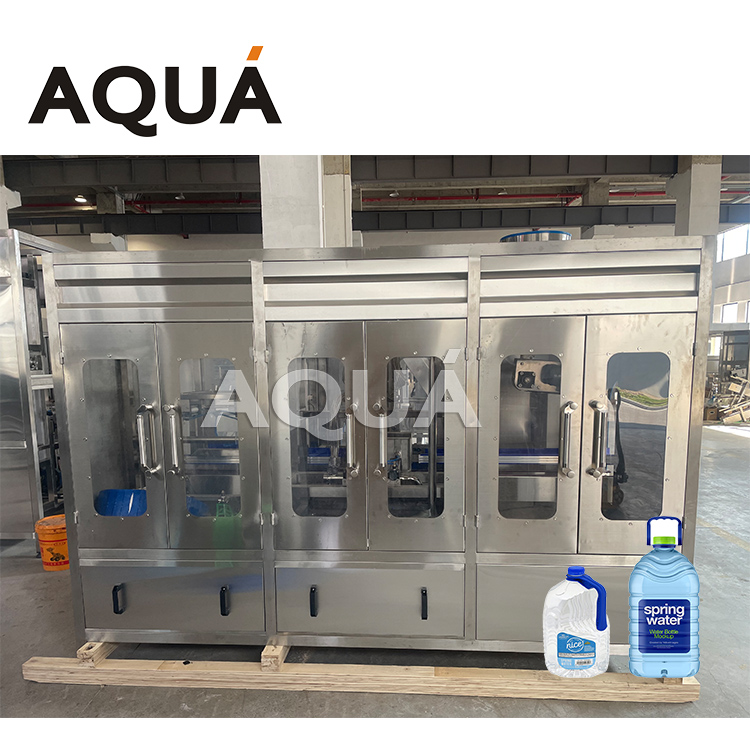
Manufacturing carbonated soft drinks (CSD), sparkling mineral water, energy drinks, and carbonated beverages requires strict thermodynamic control over fluid velocity, pressure equilibrium, and dissolved gas concentrations. As a premier China wholesale carbonated drink bottling line manufacturer and exporter, Zhangjiagang UJDI Machinery Co., Ltd. designs advanced isobaric counter-pressure filling systems engineered to prevent foam creation, preserve CO2 carbonation levels (up to 4.2+ volumes / 8.4 g/L), and guarantee micro-liter level volume consistency across PET and glass bottle containers.
Engineering Core Principle: Henry's Law dictates that the mass of dissolved gas in a given volume of liquid is directly proportional to the partial pressure of that gas in equilibrium with the liquid. UJDI's isobaric monoblocks maintain strict pressure-temperature equilibrium (0–4°C filling temperature, 0.2–0.4 MPa ring tank pressure) to achieve zero carbonation loss during high-speed transfer.
The 5-Stage Isobaric Filling Cycle Engineering Breakdown
Unlike ambient gravity water filling or vacuum-assisted still liquid lines, carbonated beverage bottling requires an encapsulated, multi-stage isobaric sequence within a hermetically sealed valve chamber:
1. Double Vacuum Pre-Evacuation
Prior to CO2 pressurization, air inside the empty PET or glass container is evacuated down to -0.085 MPa twice. This reduces dissolved oxygen (DO) to under 30 ppb, drastically preventing beverage oxidation and extending product shelf-life.
2. CO2 Equalization & Pressurization
Pneumatic valves inject high-purity CO2 into the bottle until internal container pressure perfectly matches the main filling bowl pressure (equalized counter-pressure up to 4 bar), preventing fluid flash turbulence.
3. Swirl Laminar Liquid Injection
The liquid valve actuates, allowing the cold carbonated beverage to flow down the bottle wall in a smooth spiral umbrella pattern, while displaced CO2 vents back into the top chamber of the product tank.
4. Settling & Level Stabilization
Fluid injection ceases immediately when liquid reaches the return air tube tip. The product experiences a brief settling phase inside the pressurized chamber to stabilize liquid surface movement and foam boundaries.
5. Precision Multi-Stage Snifting
Controlled, multi-stage pressure relief (snifting) vents headspace gases into a dedicated manifold. This gradual depressurization prevents explosive foam eruptions before the bottle disengages from the sealing rubber.
6. Immediate Magnetic Capping
Bottles are transferred via synchronized neck-starwheels directly to magnetic constant-torque capping heads, sealing plastic screw caps (e.g., PCO 1881 / 26/22 tethered) within milliseconds to eliminate gas leakage.
Technical Specifications & Monoblock Sizing Matrix
Choosing the correct equipment footprint and head count depends on target hourly output (BPH), bottle material (PET, glass, aluminum), container volume (250 ml to 2.5 L), and carbonation pressure requirements. The table below outlines standard industrial engineering configurations manufactured by UJDI Machinery Co., Ltd.
| Model Series | Nominal Capacity (BPH @ 500ml) | Rinsing / Filling / Capping Heads | Filling Pressure Range | Main Drive Motor Power (kW) | Air Consumption (m³/min) | Dimensions L×W×H (mm) |
|---|---|---|---|---|---|---|
| CSD-18-18-6 | 3,000 – 5,000 BPH | 18 Rinsing / 18 Filling / 6 Capping | 0.2 – 0.45 MPa (Isobaric) | 5.5 kW | 0.6 m³/min @ 0.7 MPa | 3100 × 2200 × 2500 |
| CSD-24-24-8 | 6,000 – 8,000 BPH | 24 Rinsing / 24 Filling / 8 Capping | 0.2 – 0.45 MPa (Isobaric) | 7.5 kW | 0.8 m³/min @ 0.7 MPa | 3800 × 2600 × 2650 |
| CSD-32-32-10 | 10,000 – 12,000 BPH | 32 Rinsing / 32 Filling / 10 Capping | 0.25 – 0.50 MPa (High Temp/Isobaric) | 11.0 kW | 1.2 m³/min @ 0.7 MPa | 4800 × 3100 × 2800 |
| CSD-40-40-12 | 13,000 – 15,000 BPH | 40 Rinsing / 40 Filling / 12 Capping | 0.25 – 0.50 MPa (Electro-Pneumatic) | 15.0 kW | 1.5 m³/min @ 0.7 MPa | 5600 × 3600 × 2900 |
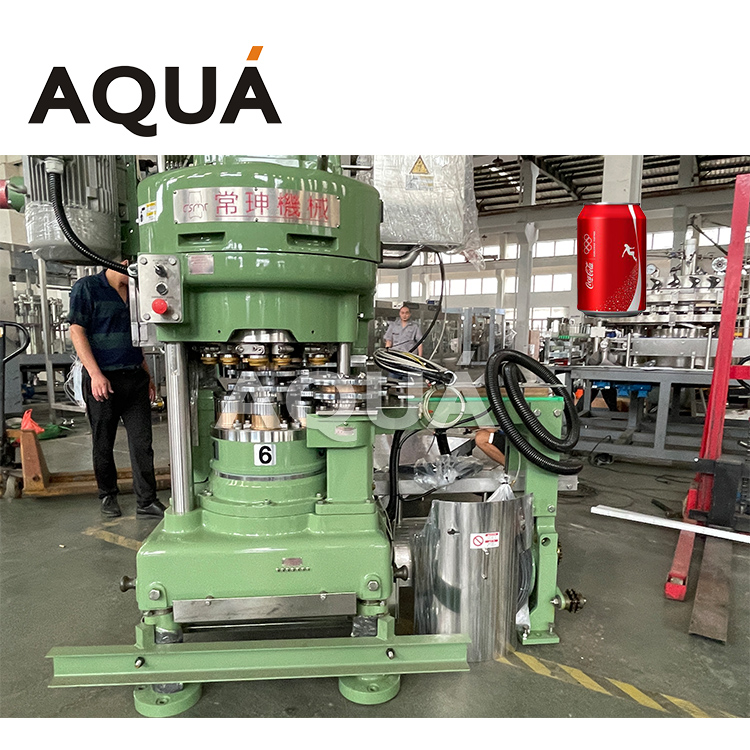
| CSD-CAN-12-1 | 2,000 – 3,500 CPH (Aluminum Cans) | 12 Filling Valves / 1 Seaming Head | 0.20 – 0.40 MPa (Double Seam) | 4.0 kW | 0.5 m³/min @ 0.7 MPa | 2600 × 1800 × 2200 |
*Note: All contact parts are crafted from AISI 304 or AISI 316L electro-polished stainless steel (Ra < 0.4 µm). Models feature Siemens S7-1500 PLC control, Festo pneumatic solenoid valve blocks, and SEW frequency inverters. Custom voltage specifications (220V/380V/415V/440V, 50/60Hz 3-phase) available.
Sourcing Trends & Technical Innovations in Carbonated Beverage Bottling (2026–2035)
The global carbonated soft drink market is undergoing rapid structural transformations driven by sustainability mandates, fluctuating resin prices, consumer demand for functional sparkling products, and high operational energy costs. Global beverage bottlers and distributors sourcing from China must align their machinery procurements with four paramount technical evolutions:
1. Transition to Servo-Driven Combi-Block Systems (Blow-Fill-Cap Integration)
Traditional modular plants utilize standalone stretch blow molding machines connected to filling monoblocks via long air conveyors. Modern turnkey factories are migrating to Blowing-Filling-Capping Combi-Block architecture. Eliminating air conveyors reduces energy consumption by up to 30%, reduces plant footprint by 40%, and eliminates intermediate bottle contamination risk. Synchronized mechanical transfer starwheels handle light preforms down to 12 grams for 500 ml bottles without bottle jam risks.
2. Lightweight PET Necks and Mandatory Tethered Closure Compatibility
To meet strict environmental directives (such as EU Directive 2019/904 and global plastic waste reduction goals), beverage companies are switching from legacy PCO 1810 neck finishes to ultra-lightweight PCO 1881 or 26/22 GME 30.37 tethered cap designs. Modern CSD filling and capping machines require high-precision neck-handling gripper systems and magnetic hysteresis capping heads that prevent cap distortion while ensuring airtight seals under internal gas pressures exceeding 4.5 bar.
3. Mass Deaeration and Carbo-Cooler Integration Efficiency
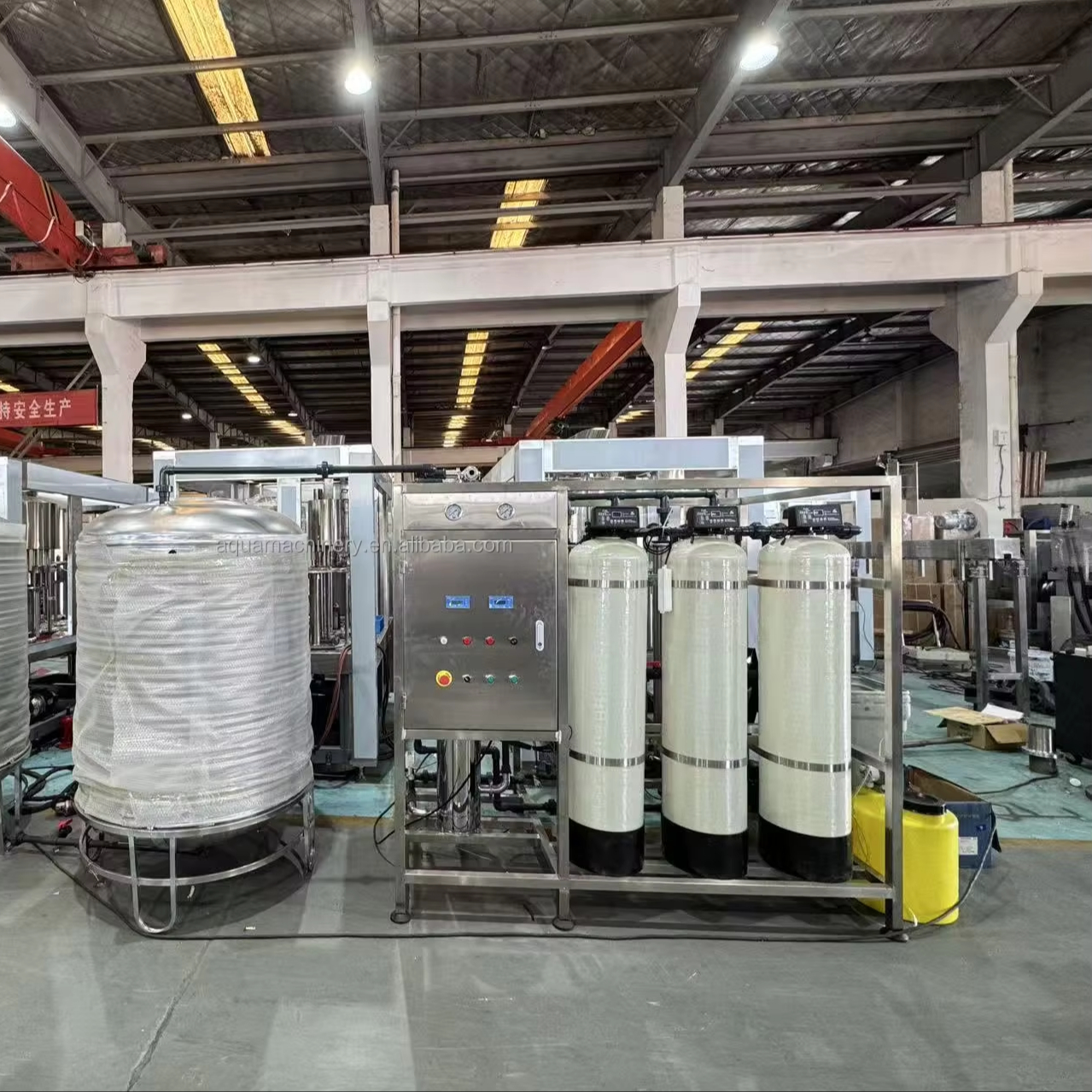
Modern high-speed lines integrate inline Vacuum Deaeration & High-Precision Carbo-Cooling Systems. Water treated by industrial Reverse Osmosis (RO) passes through a multi-stage vacuum degasser to strip dissolved oxygen down to trace concentrations before entering the dosing mixer. High-accuracy Brix mass flow meters (Endress+Hauser or Micro Motion) continuously monitor syrup-to-water proportioning, while static cooling heat exchangers drop fluid temperature to 2°C, maximizing CO2 absorption efficiency while using 22% less refrigeration compressor power.
4. CIP Clean-In-Place Sterilization & Hygiene Design
Cross-contamination between sugary carbonated drinks, zero-calorie diet sodas, and sparkling flavored waters can compromise entire product batches. Advanced Chinese export monoblocks feature automated 3-Stage / 5-Stage CIP Systems (Alkali wash, Acid wash, Hot water rinse, Ozonated water flush) with automatic dummy cups that engage filling valves during sanitization cycles. Fluid contact surfaces feature electro-polished SUS316L metallurgy with zero dead-leg valve cavities, meeting ISO 22000 and FDA hygienic design norms.
Why Global Bottlers Partner with Zhangjiagang UJDI Machinery Co., Ltd.
Located in Zhangjiagang, Jiangsu Province—the core hub of China’s liquid packaging machinery industry—Zhangjiagang UJDI Machinery Co., Ltd. has established an international reputation for turnkey engineering excellence. We do not simply manufacture standalone machinery; we deliver fully integrated, custom-engineered beverage production facilities optimized for long-term Total Cost of Ownership (TCO).
Our plant facilities, manufacturing equipment, quality management workflows, and financial health are audited on-site and verified independently by Intertek Group.
All filling monoblocks, water treatment units, shrink wrappers, and blow molders meet strict European Conformity (CE) safety, electrical, and mechanical compliance directives.
With over a decade of overseas project execution, UJDI machinery operates reliably across Africa, Southeast Asia, the Middle East, Latin America, and Eastern Europe.
From RO raw water purification to preform blowing, isobaric filling, BOPP hot-glue labeling, laser coding, and PE film shrink bundle wrapping—we engineer the entire line under one roof.
We tailor valve numbers, plant layout drawings, bottle mold designs, electrical PLC logic (Siemens, Mitsubishi, Allen-Bradley), and line speed to match client budget constraints.
We conduct factory acceptance testing (FAT) before shipment and dispatch field service engineers worldwide for plant layout setup, commissioning, and operator training.
Frequently Asked Questions (B2B Procurement Guide)
What capacity range do your bottled water and carbonated drink filling lines cover? +
Can one single isobaric filling line handle multiple bottle sizes and different CSD flavors? +
Which metallurgical grades, certifications, and component brands are utilized in your machines? +
What essential technical parameters are required to generate a custom turnkey line quotation? +
Do you supply full turnkey plant engineering beyond the core filling machine? +
What after-sales service, installation guidance, and warranty support do you provide? +
Request Your Customized Bottling Line Quotation & Plant Layout
Partner with China's leading carbonated drink bottling line manufacturer. Contact our engineering team today to receive a complete technical proposal, factory direct pricing, and CAD plant layout design customized to your operational goals.
Get Catalog