Industrial Rotary Filling & Packaging Equipment Solutions
Turnkey Bottling, Canning, and Water Treatment Systems Designed to European Quality and Sanitary Standards
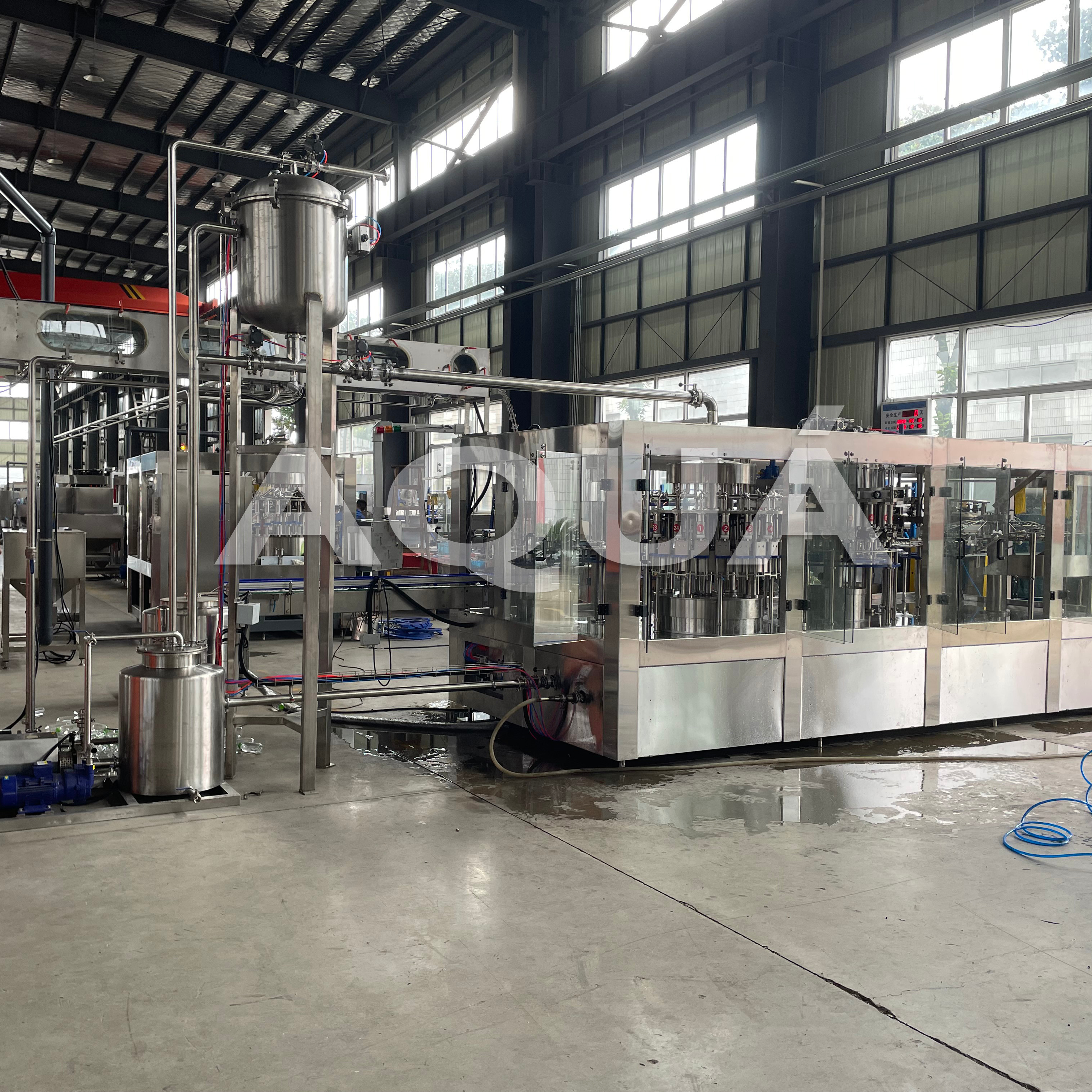
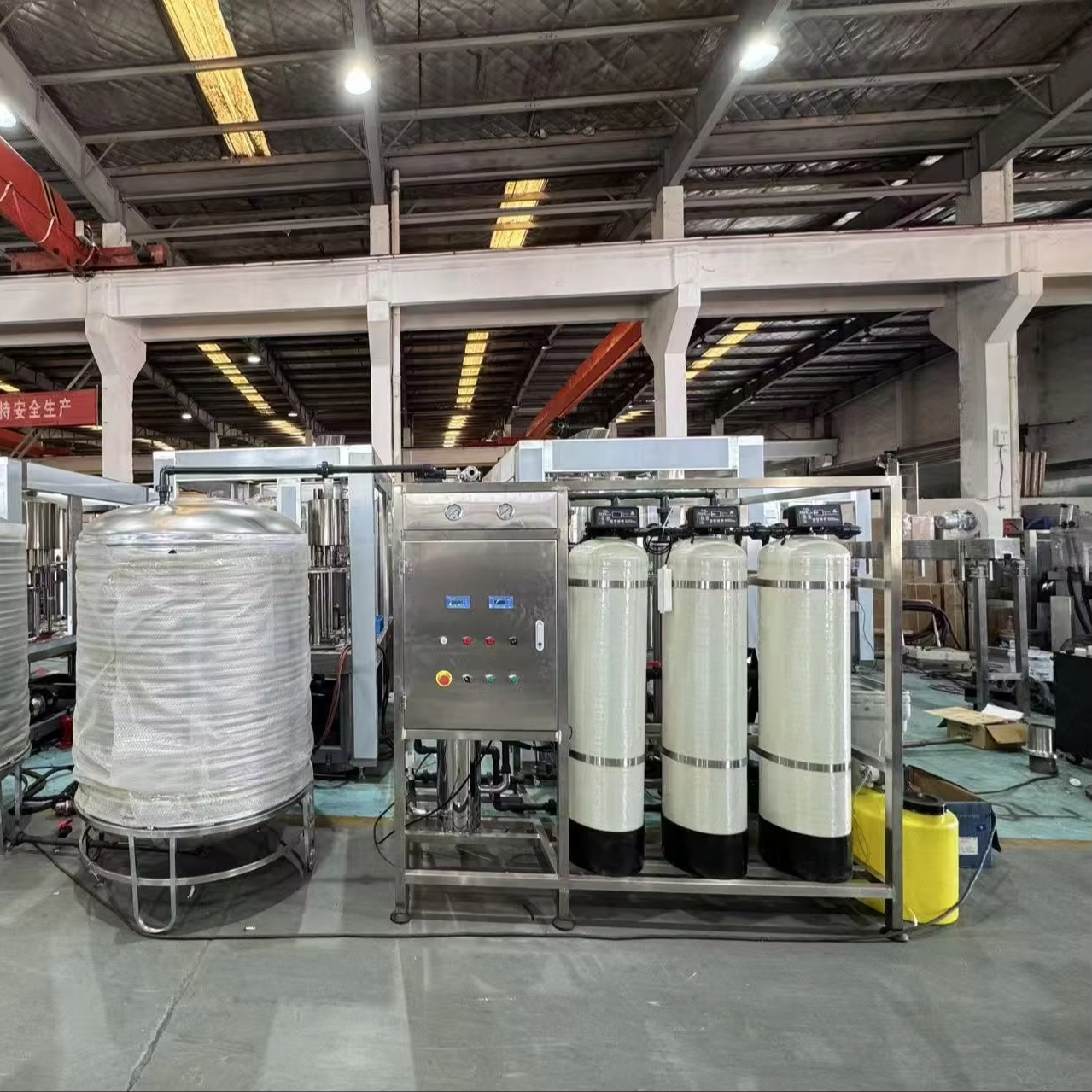
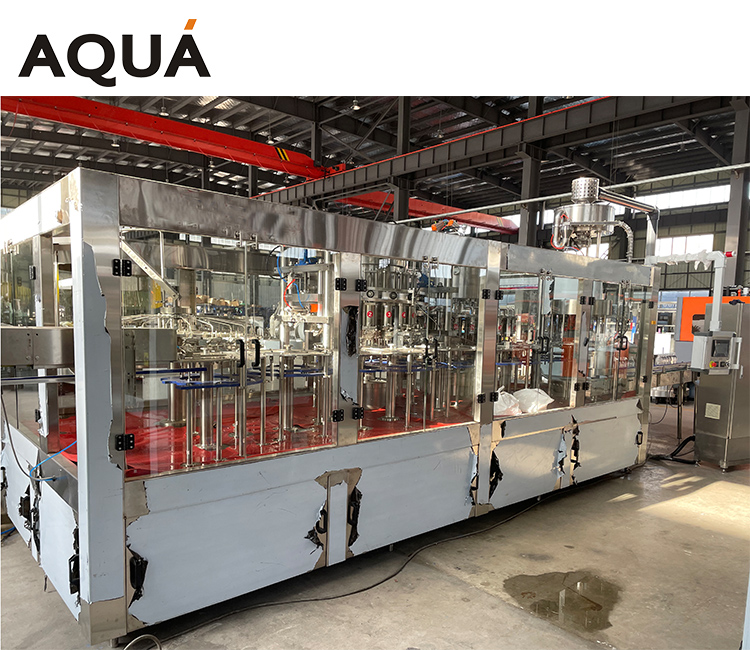
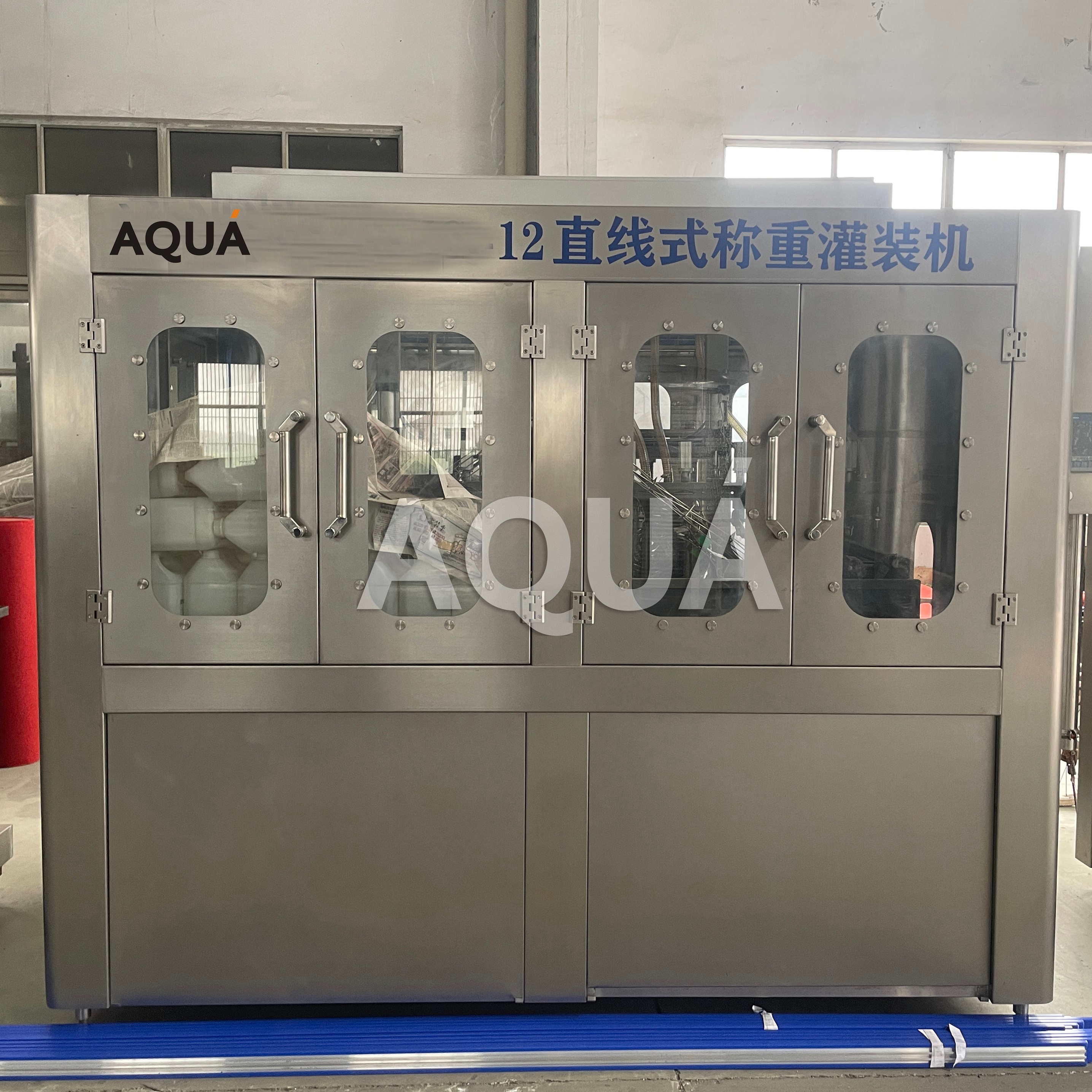
1. Executive Summary: Evaluating China's Rotary Filling Machinery Sector
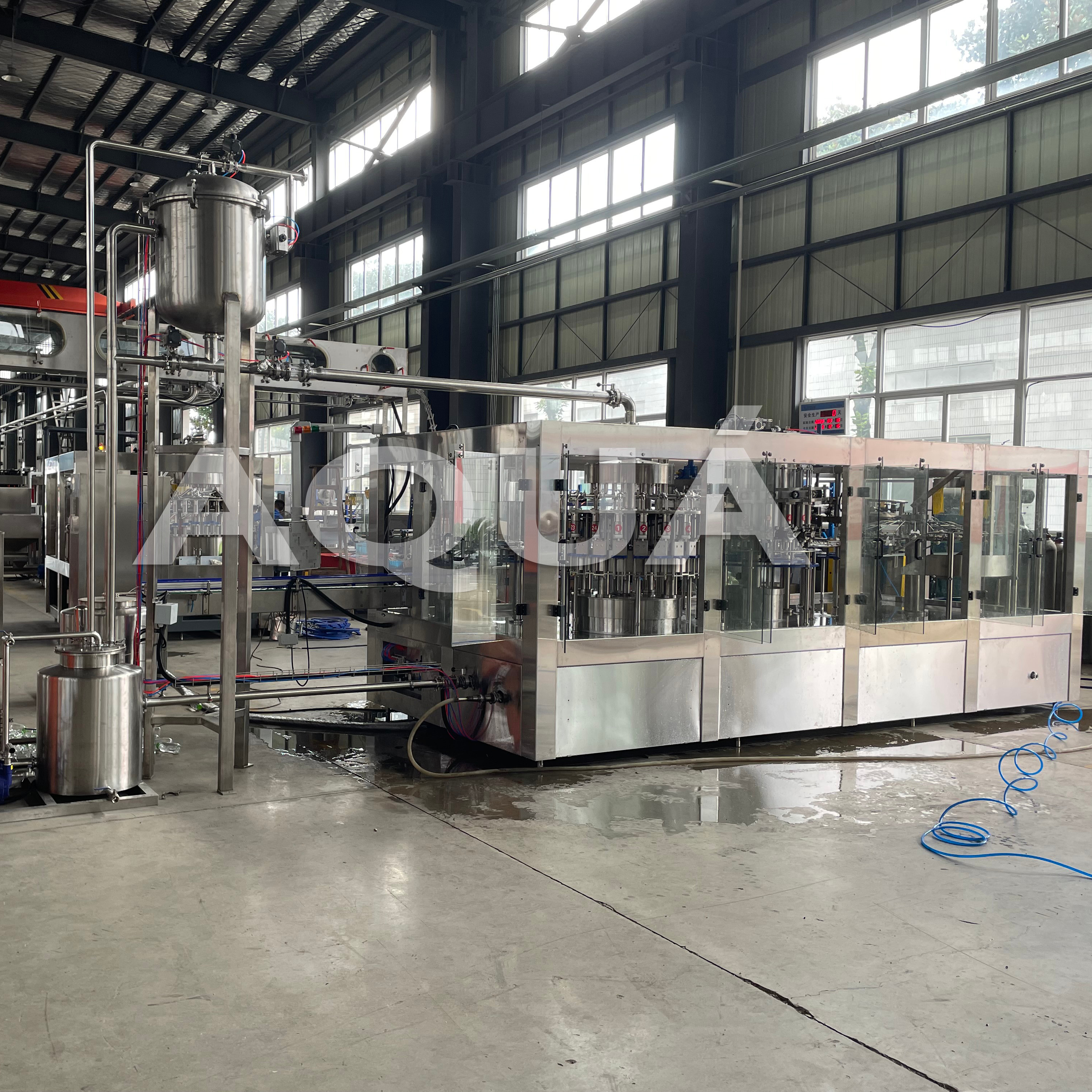
The global liquid packaging machinery landscape has undergone a monumental shift toward integrated, high-speed rotary monoblock architecture. Industrial bottlers and beverage manufacturers seeking competitive advantages in throughput, operational efficiency (OEE), and microbiological security consistently evaluate China rotary filling machine manufacturers due to their unique convergence of advanced mechanical design, robust electrical integration, and capital-efficient manufacturing models.
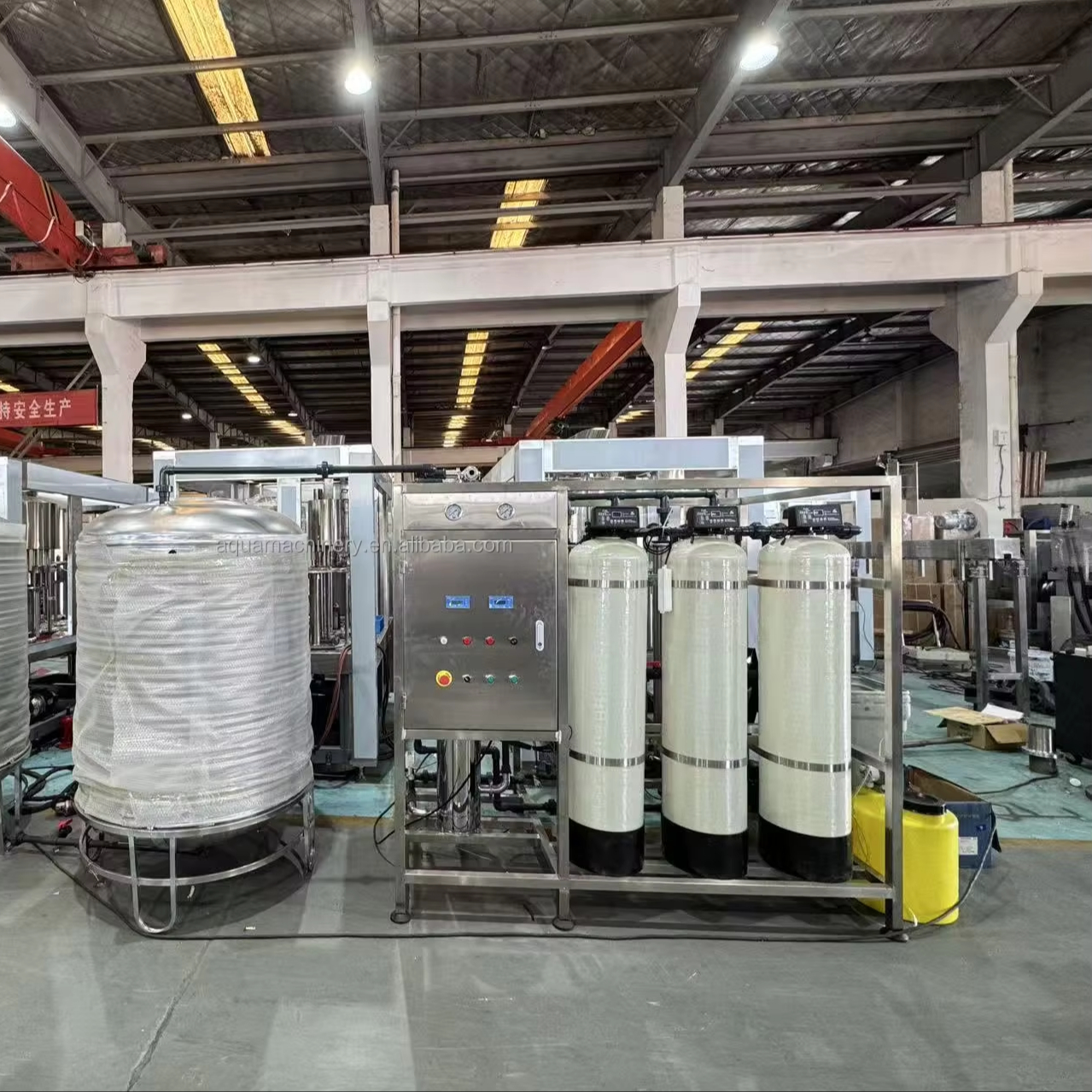
Located in Zhangjiagang, Jiangsu—the epicentre of China’s liquid packaging equipment industry—Zhangjiagang UJDI Machinery Co., Ltd. stands out as a prime representative of modern high-precision engineering. Operating with over 13 years of specialized experience in turnkey liquid packaging systems, UJDI Machinery bridges the gap between high-end European performance specifications and cost-optimized machinery delivery. Assessed on-site by international auditing giant Intertek and fully compliant with European CE Directives, UJDI Machinery manufactures complete plant solutions covering drinking water treatment, automatic PET bottle rinsing-filling-capping monoblocks, high-viscosity edible oil lines, heat-resistant juice hot-filling systems, and isobaric craft beer canning lines.
Technical Information Gain Note: Unlike legacy inline filling systems, modern high-speed rotary filling monoblocks operate on a continuous pitch-circle diameter (PCD) rotation. This mechanically eliminates start-stop bottle inertia, allowing smooth acceleration up to speeds exceeding 15,000 bottles per hour (BPH) while maintaining volumetric accuracies within ±0.2% and keeping spillage rates virtually at zero.
2. Comparative Engineering Analysis: Rotary vs. Linear Filling Systems
When selecting liquid packaging equipment, industrial plant manager decisions dictate long-term maintenance costs, floor space efficiency, and yield ratios. The structural dynamics between continuous-motion rotary carousels and index-motion linear filling lines define the fundamental operational threshold of your production facility.
Continuous High Throughput
Rotary fillers transport containers continuously via starwheels and center turrets. Eliminating the linear indexing stroke increases output from 3,000 BPH up to 15,000+ BPH on a compact footprint.
Superior Bottle Neck Handling
Rotary systems utilize suspended neck-clamping technology for PET containers. Thin-walled lightweight PET preforms can be transferred at ultra-high velocities without structural crushing or base deformation.
Monoblock Synchronization
Integrating rinsing, filling, and capping onto a single gear-driven transfer axis minimizes contamination windows, reduces changeover duration, and cuts total footprint requirements by up to 40%.
Technical Comparison Matrix
| Performance Dimension | High-Speed Rotary Monoblock | Linear Indexing Filling Line | Procurement Impact |
|---|---|---|---|
| Production Capacity | 4,000 to 15,000+ BPH | 1,000 to 3,500 BPH | Rotary scales efficiently for medium-to-large industrial brands. |
| Liquid Handling Motion | Continuous, zero-inertia deceleration | Intermittent, start-stop fluid surge | Rotary prevents product sloshing and neck contamination. |
| Changeover Flexibility | Quick-release starwheel change parts | Adjustable side-rails & sensor positioning | Linear allows wider container variations without custom tooling. |
| Sanitary Standard (CIP) | Closed-loop automated CIP with dummy cups | Open tray catch basins with manual wash | Rotary monoblocks achieve ultra-hygienic microbial safety. |
| Footprint Efficiency | High (Monoblock integrated design) | Moderate to Low (Dispersed modular layout) | Rotary saves significant factory square footage and utility piping. |
3. Engineering Analysis of Rotary Filling Technologies
Liquid viscosity, carbonation levels, chemical reactivity, and thermal expansion dictates the filling valve chemistry required for optimal container filling. A leading China rotary filling machine manufacturer like UJDI Machinery offers distinct filling technologies engineered for specific liquid matrices:
A. Atmospheric & Gravity Micro-Pressure Rotary Filling (Mineral & Purified Water)
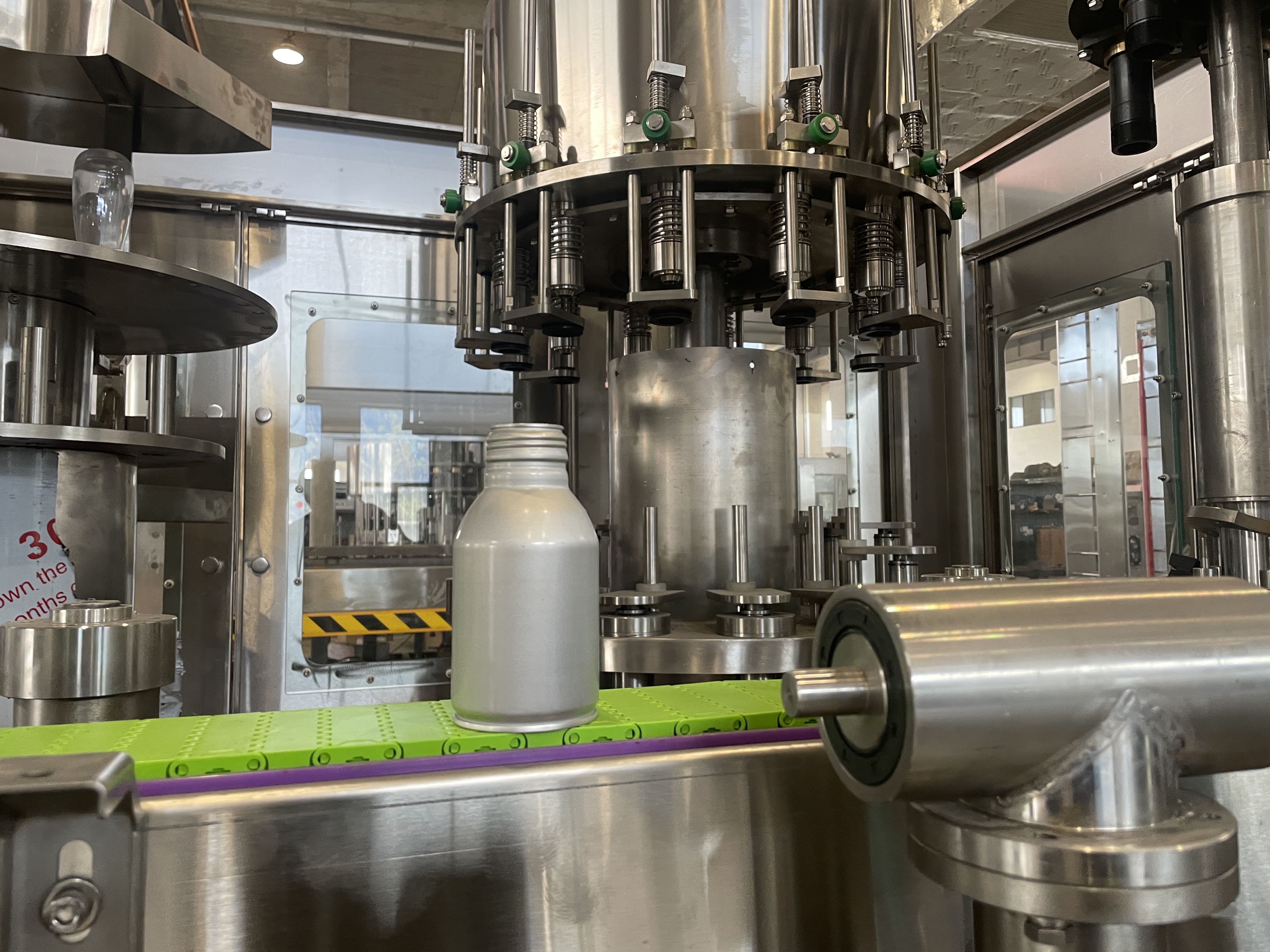
For still water, gravity rotary fillers utilize low-pressure mechanical filling valves. When the PET bottle neck raises to compress the seal ring, a mechanical valve opens, allowing water to flow under fluid static pressure while air inside the bottle vents through a central return pipe. UJDI Machinery utilizes food-grade SUS304 / SUS316L stainless steel components with electropolished inner surfaces (Ra < 0.4 μm) to inhibit biofilm accumulation.
B. Isobaric Counter-Pressure Rotary Filling (Carbonated Soft Drinks & Beer)
Carbonated beverages require maintaining a precise equilibrium of dissolved CO₂ during transfer. Isobaric rotary fillers perform a multi-stage process: bottle sanitization/purge, pressurization with CO₂ gas to equal the storage tank pressure (3.0–4.5 bar), liquid filling under balanced pressure, settling, and controlled decompression (snifting). This prevents violent foaming and maintains carbonation integrity up to the capping stage.
C. Thermal Recirculating Hot-Filling (Juices, Teas & Functional Beverages)
Hot-fill operations demand liquid temperature retention between 85°C and 92°C to achieve biological sterility without chemical preservatives. UJDI Machinery’s hot-fill monoblocks incorporate an continuous fluid recirculation manifold loop. If the rotary filler pauses, hot liquid recirculates back to the UHT sterilizer. The filling valve seals are constructed from high-temperature fluoroelastomers (Viton/PTFE), and bottles undergo automatic tilting post-capping to sterilize the interior cap surface.
D. Electronic Mass Flowmeter & Servo-Piston Rotary Filling (Edible Oils & Viscous Fluids)
Viscous edible oils (sunflower, palm, olive oil) present challenges with surface tension and thermal density variations. Advanced rotary oil filling machines employ magnetic inductive or Coriolis mass flowmeters coupled with individual brushless servo drives. Each filling valve calculates liquid mass in real-time, self-adjusting for temperature-induced density changes and completely eliminating drip points via vacuum suck-back nozzles.
4. Strategic Procurement & Future Technological Trends (2025–2030)
Global beverage manufacturers upgrading production capacity face evolving regulatory, environmental, and technological demands. Purchasing modern rotary filling machinery from premier Chinese manufacturers involves assessing how future-ready the machinery is for upcoming industry shifts.
Ultra-Lightweight PET Preform Handling
To reduce plastic consumption, container weights for 500ml water bottles have dropped below 9.5 grams. Next-generation rotary fillers integrate delicate pneumatic neck clamps and soft-landing bottle pedestals to prevent neck buckling during sealing.
Industrial IoT & Predictive Maintenance
Modern Chinese rotary filling monoblocks feature integrated PLC architectures (Siemens S7-1500 / Schneider Electric) with edge IoT gateways. Vibration sensors on rotary bearings and torque monitors on capping heads predict mechanical wear before catastrophic breakdown occurs.
Water-Saving Clean-In-Place (CIP) Tech
Environmental standards necessitate minimal water consumption. Advanced rotary fillers utilize pulsed sanitizing loops, automated stainless steel dummy cups, and CIP media recovery systems to decrease chemical rinse waste by up to 35%.
Procurement Trend Warning: Avoid purchasing isolated equipment components from multiple vendors without unified PLC protocol agreements. Sourcing a coordinated turnkey solution—such as UJDI Machinery’s water treatment, blow molding, filling, and sleeve labeling combination—prevents communication bus latency errors and simplifies line integration.
5. Financial Engineering: Total Cost of Ownership (TCO) & Value Optimization
Initial machine purchase price represents only 20% to 30% of a filling line's lifetime operational cost. Evaluating a China rotary filling machine manufacturer requires calculating energy efficiency, changeover downtime, component wear rates, and technical spare-part availability.
UJDI Machinery optimizes client ROI through targeted mechanical engineering decisions:
- Magnetic Constant-Torque Capping Heads: Eliminates mechanical friction spring wear, preventing cap overtightening, plastic thread stripping, and cap torque variance.
- Centralized Automatic Lubrication Systems: Delivers metered food-grade grease to main rotary carousel bearings, extending bearing life by up to 300%.
- Standardized Electrical Component Sourcing: Utilizes globally accessible components (Siemens PLCs, Schneider contactors, Festo pneumatics, Omron photo-sensors), enabling local maintenance teams to obtain spare parts quickly.
6. Frequently Asked Questions (Procurement & Technical FAQ)
Key technical and commercial questions buyers evaluate when selecting rotary filling machinery from China:
What capacity range do your bottled water filling lines cover?
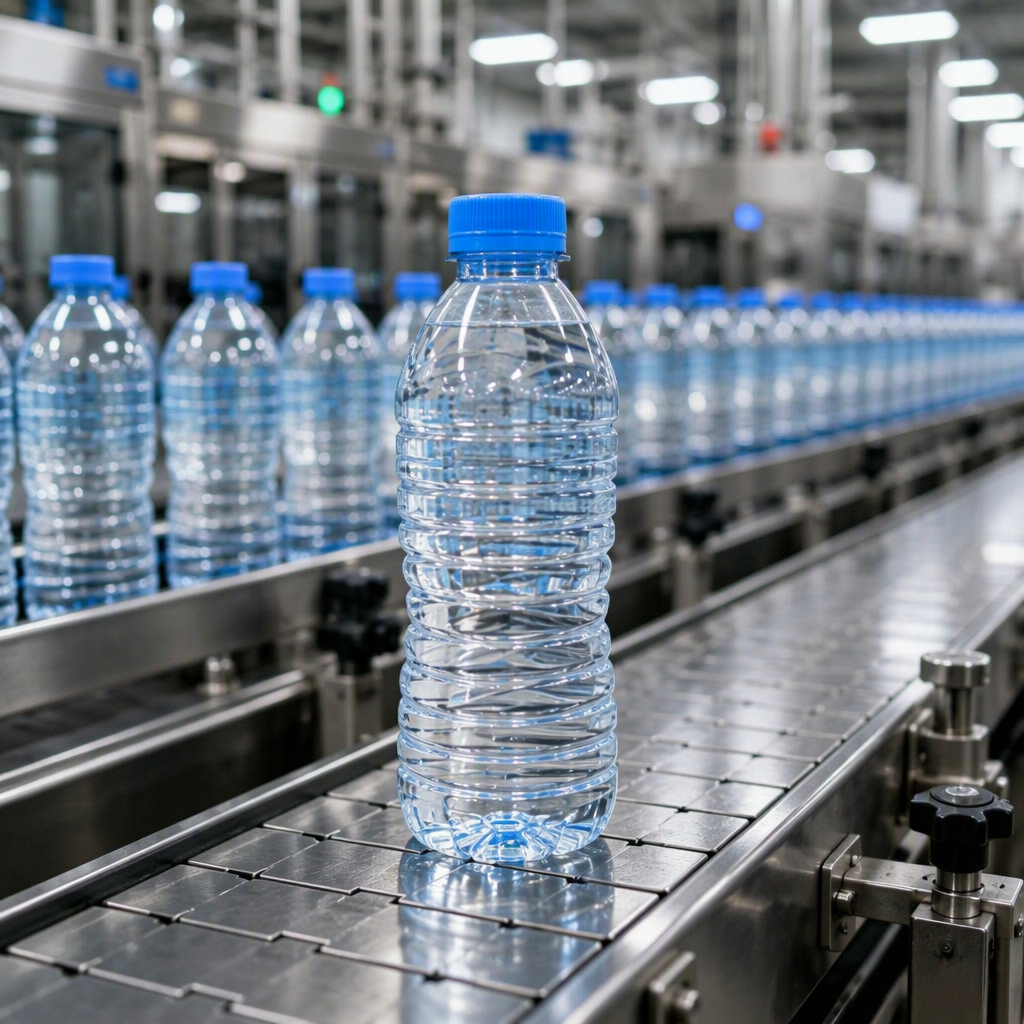
Our PET bottled water lines cover roughly 2,000 to 15,000 bottles per hour (based on 500 ml bottles). For 5 gallon / 19 L barrel water we supply washing-filling-capping lines from about 300 to 600 barrels per hour.
Can one filling line handle several bottle sizes?
Yes. A single rinsing-filling-capping monoblock can run multiple PET bottle sizes with dedicated change parts such as star wheels, guides and neck plates. The size range is confirmed from your bottle drawings before production.
Which certifications and materials do your machines use?
Our filling equipment is CE-certified, and product contact parts are made of food-grade stainless steel (SUS304, or SUS316 on request). The supplier has also been assessed on-site by Intertek.
What information do you need to prepare a line proposal?
Please share your product type, container material and sizes, target output per hour, cap and label type, packing format, local voltage and frequency, and the available plant dimensions. A layout drawing and configuration are prepared based on this data.
Do you provide installation, commissioning and training?
Yes. We provide installation guidance, commissioning, operator training and remote video support. On-site engineer service can be arranged for complete production lines.
Can you supply the complete line, not only the filling machine?
Yes. We supply water treatment systems, PET blow molding machines, filling machines, bottle dryers, labeling machines, laser coders, PE film shrink wrapping or carton packing machines and buffering conveyors as one coordinated line.
Accelerate Your Bottling Line Efficiency Today
Connect directly with Zhangjiagang UJDI Machinery senior automation engineers to receive custom plant layouts, equipment sizing analysis, and official technical quotations.
Get Catalog