Industrial Water Bottling & Beverage Packaging Systems
Engineered for operational durability, precise volumetric filling, and seamless line integration across global bottling plants.
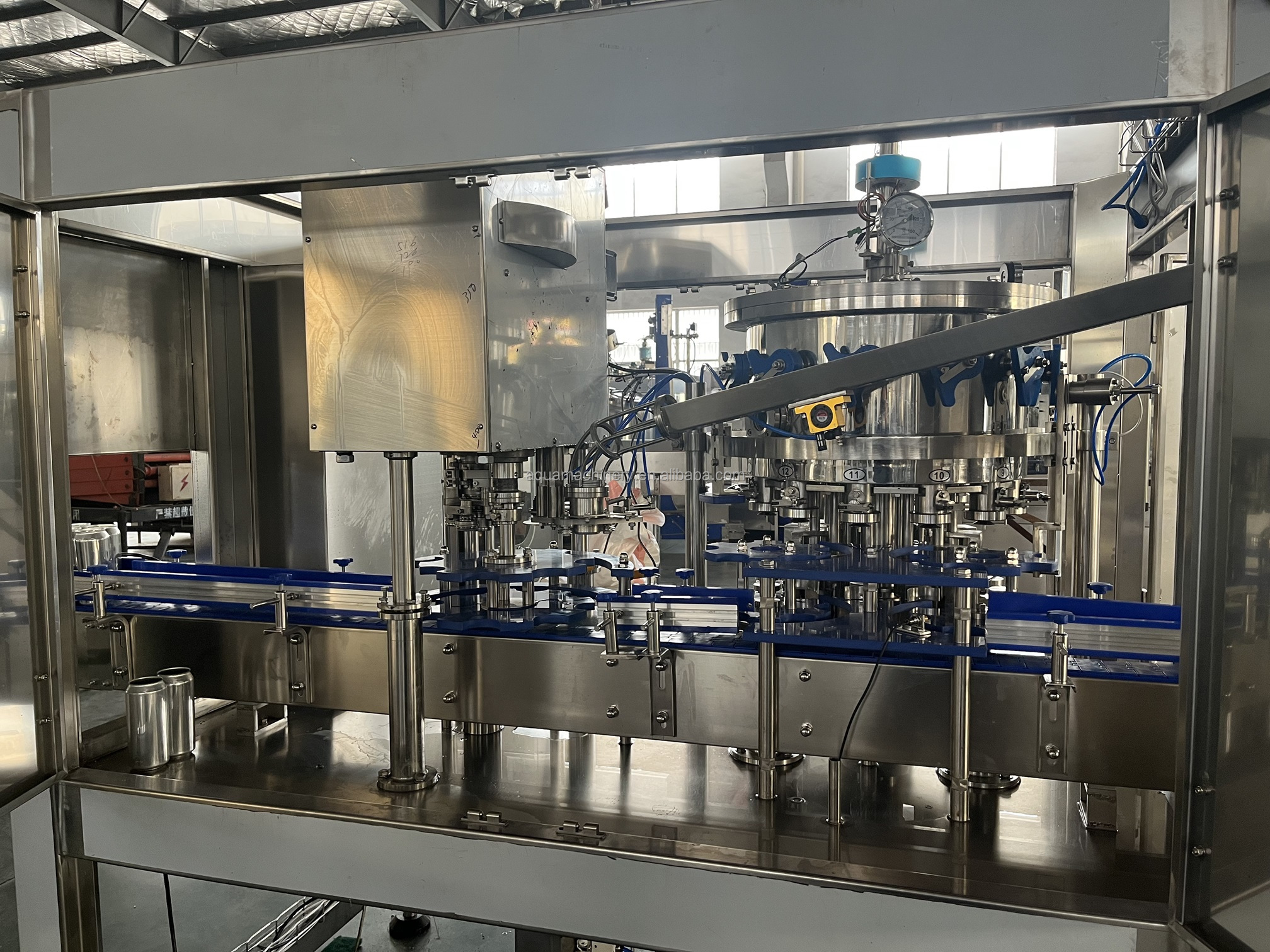
16oz 1500CPH Beer Canning Line Slim Can Filler Sealer Machine
View Specifications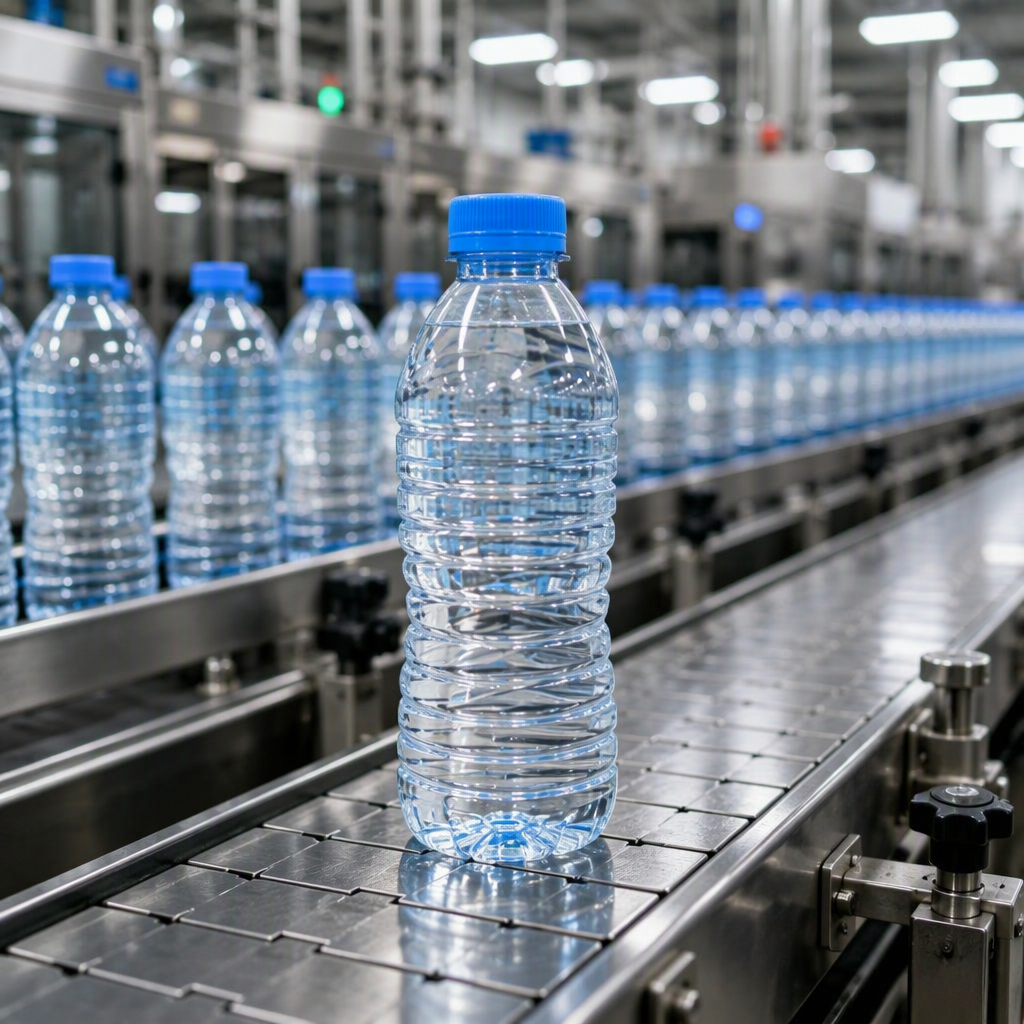
Automatic CGF 8-8-3 Bottling Washer Filler Capper Machine
View Specifications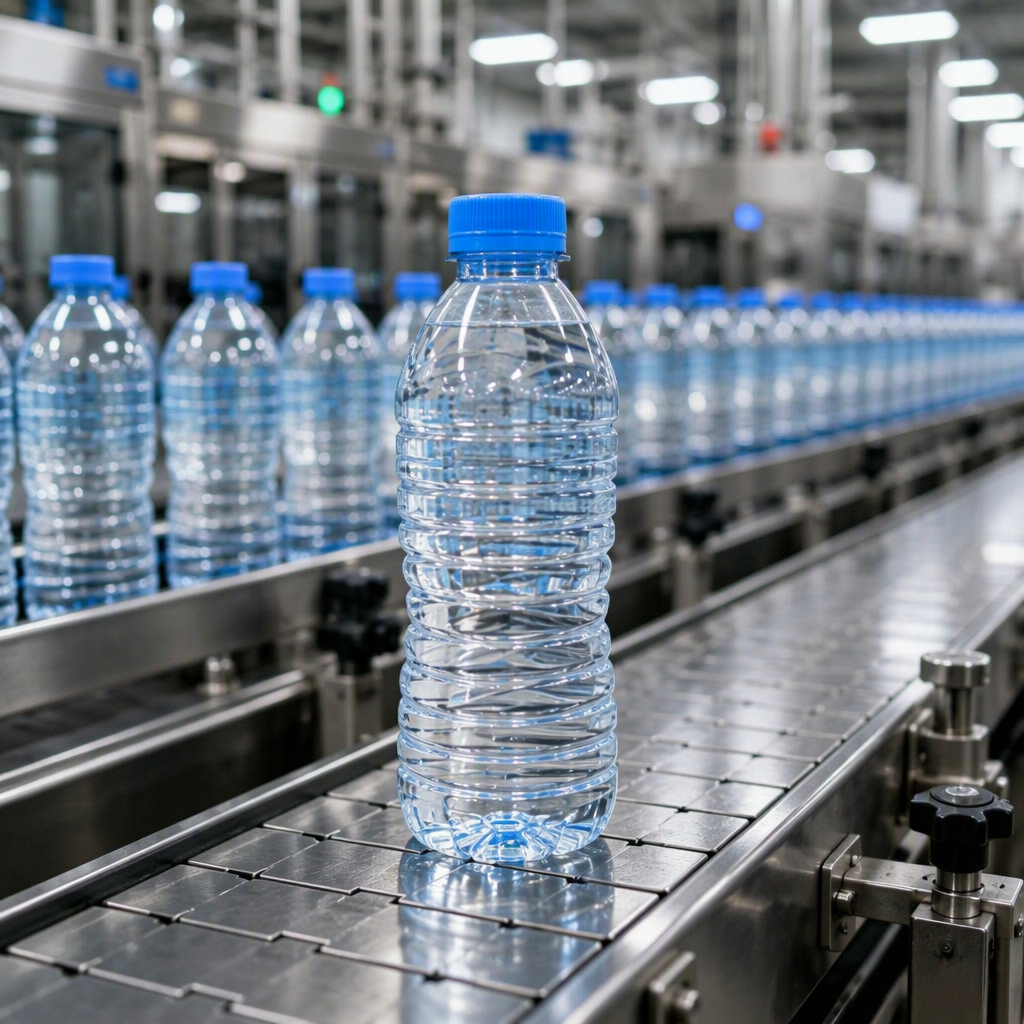
12000BPH Automatic Mineral Water Filling Production Line
View Specifications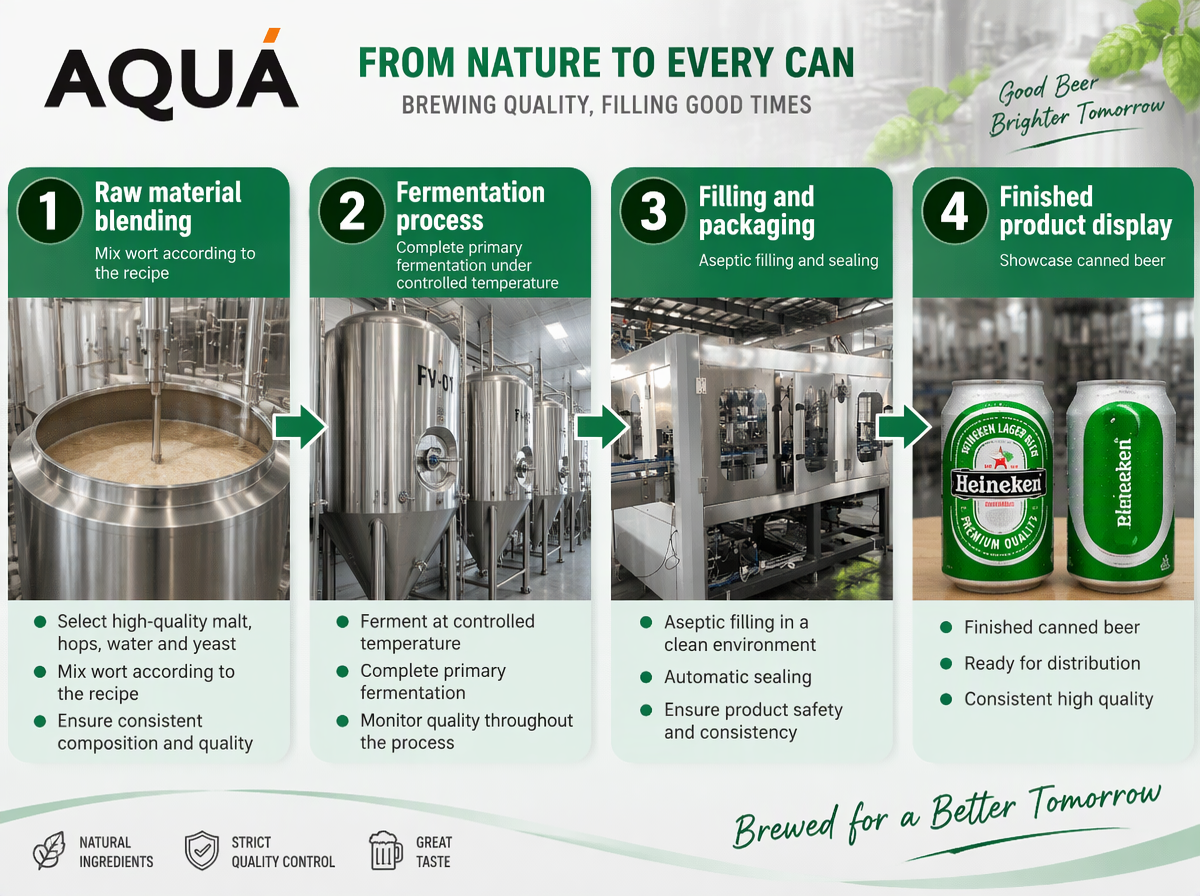
Turnkey Automated Beverage Canning Line 2000CPH Monoblock
View Specifications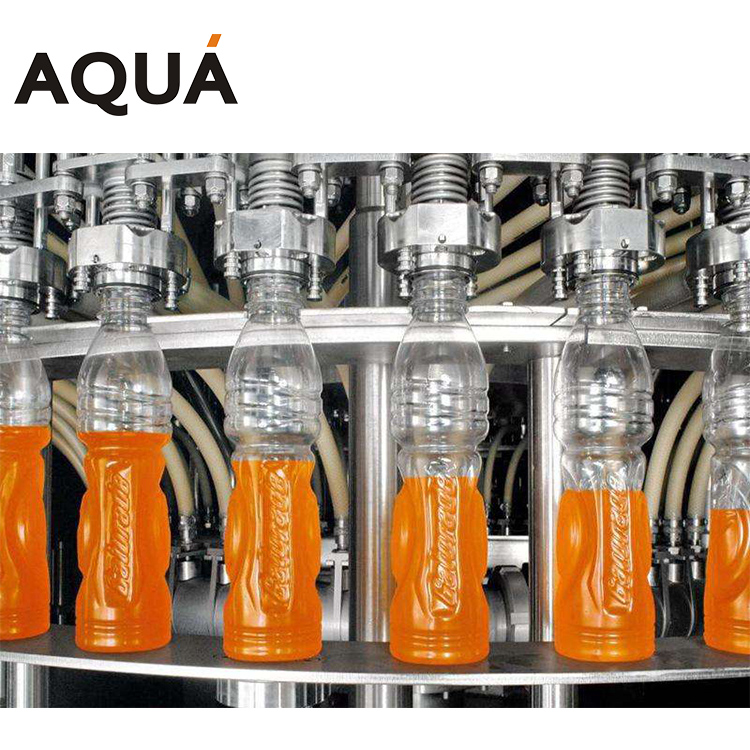
Automatic Juice Filling Machine for Glass Bottles (Hot Fill)
View Specifications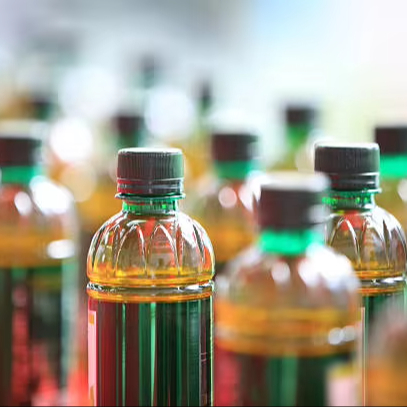
6000BPH Complete Bottled Water & Flavored Water Line
View Specifications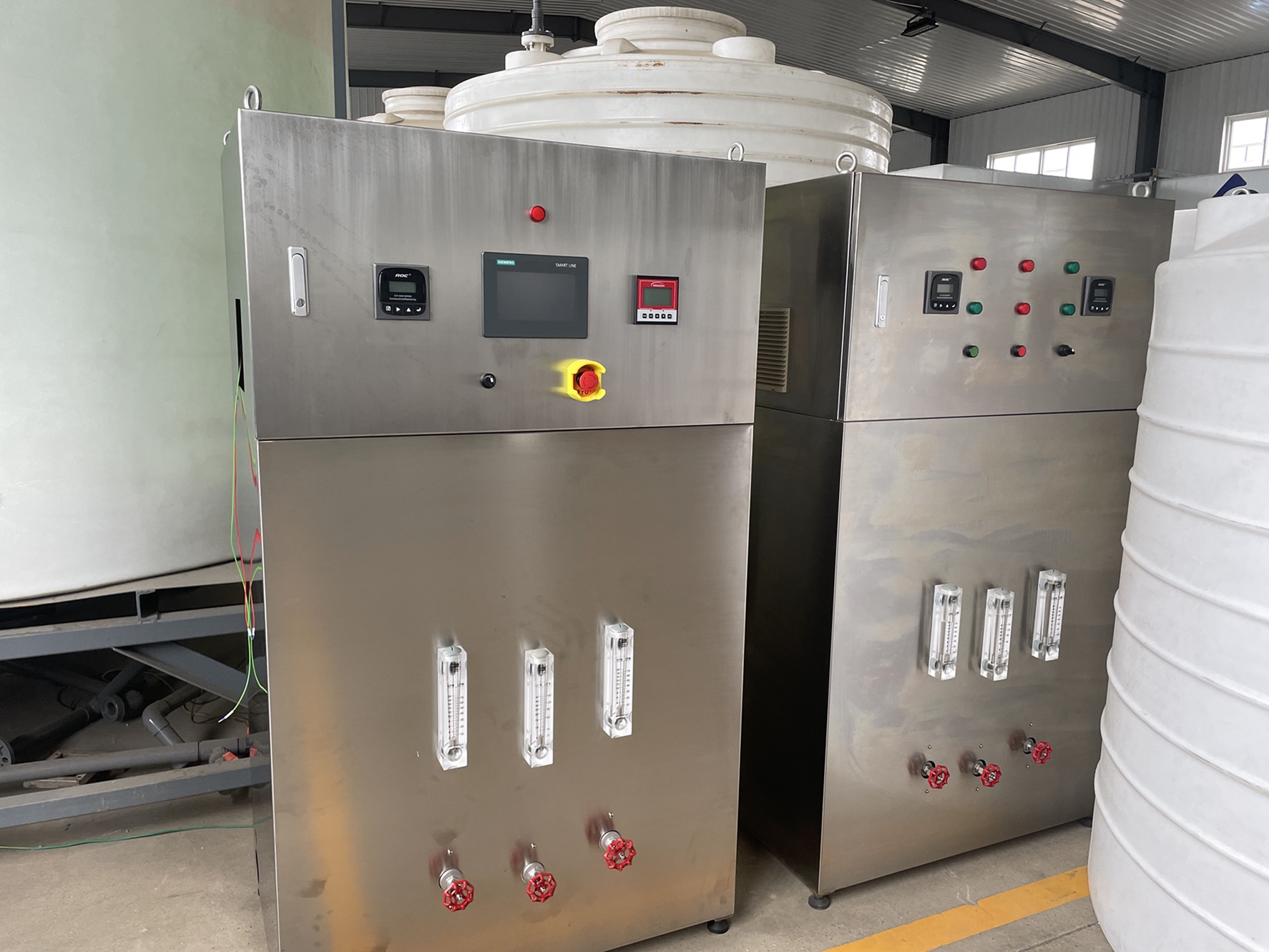
Industrial 1000L Drinking Alkaline Water Ionizer Machine
View Specifications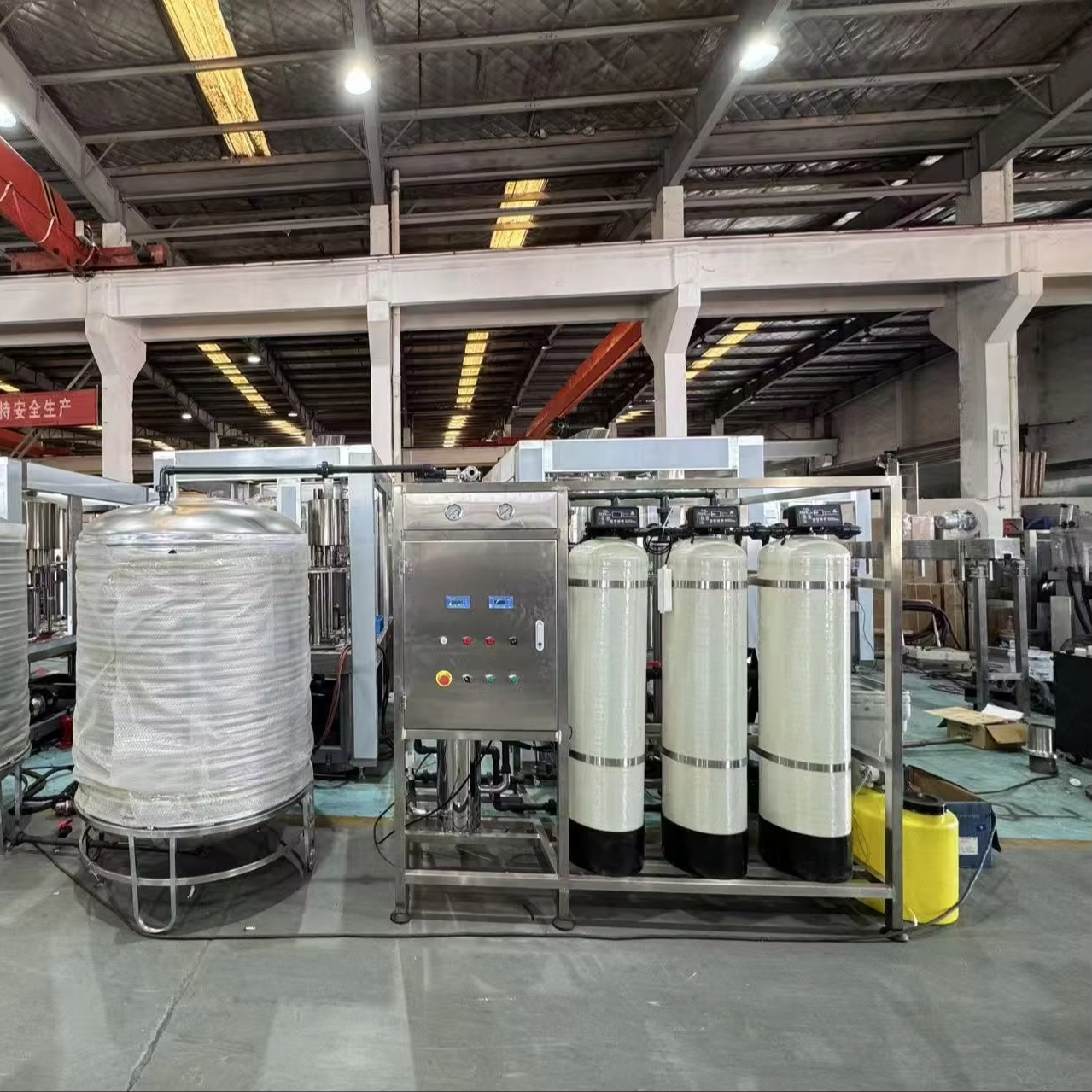
1000LPH Industrial RO Reverse Osmosis Water Treatment System
View SpecificationsExecutive Whitepaper: The Evolution of Water Bottling Manufacturing in China
The global demand for bottled purified water, mineral-enriched hydration, and functional beverages has accelerated dramatically over the past decade. Industrial beverage producers, regional spring water processors, and contract packaging enterprises face an increasingly competitive market requiring high operational uptime, stringent microbiological safety, ultra-lightweight container handling, and minimal operational expenditure (OPEX). China has firmly established itself as the world’s leading hub for advanced beverage packaging machinery—offering high-throughput monoblock automation that rivals traditional European equipment at a significantly optimized total cost of ownership (TCO).
At the epicenter of this manufacturing evolution is Zhangjiagang City, Jiangsu Province—the recognized capital of China’s liquid packaging equipment industry. As a premier engineering enterprise located in this hub, Zhangjiagang UJDI Machinery Co., Ltd. delivers integrated turnkey solutions spanning raw water pre-treatment, high-pressure reverse osmosis (RO) purification, blow-fill-cap 3-in-1 monoblock automation, dynamic inline inspection, sleeve/BOPP labeling, and end-of-line secondary packaging.
Understanding user intent and operational reality requires moving beyond simple machine assembly. Modern water plant procurement directors must evaluate machine metallurgy, valve dosing accuracy, air filtration cleanliness (HEPA Enclosures), servo sync ratio between preform stretching and liquid injection, and long-term spare parts availability. This technical document provides a full-spectrum engineering analysis designed to guide factory investors, procurement teams, and plant managers through the modern architectural landscape of automated bottled water production lines.
Complete Bottling Plant Technical Breakdown
From raw source water treatment to wrapped pallet loads—how every sub-system interacts in a fully automated, synchronized production environment.
1. Water Purification Sub-System
Multi-stage purification including quartz sand filtration, active carbon absorption, sodium ion softening, dual-stage Reverse Osmosis (RO) membranes, and dual sterilization using UV disinfection paired with inline Ozone generator contact towers.
2. Servo PET Blow Molding Unit
Automatic preform loading, infrared rotary heating lamps with individual thermal zone controls, and high-pressure (35-40 bar) servo-driven stretch blowing molds yielding weight-optimized PET bottles with precise neck geometry.
3. Rinse-Fill-Cap 3-in-1 Monoblock
Stainless steel SUS304/316 construction featuring neck-clamping starwheels, spring-loaded rinsing grippers, gravity/isobaric filling valves with ultra-clean liquid recirculation, and magnetic torque capping heads for zero cap damage.
4. Inline Quality & Inspection
Automated bottle blow-dryers, liquid-level photo-electric sensors, missing-cap rejection arms, and high-precision video/laser coding equipment for batch tracking and regulatory compliance.
5. High-Speed Labeling Systems
Flexible labeling solutions supporting automatic PVC/PET shrink sleeve applicators with steam shrinking tunnels, self-adhesive sticker labelers, or economic BOPP hot-melt glue wrap-around labelers.
6. Secondary Shrink Packing
Automatic bottle collating, PE thermal film wrapping, and constant-temperature heat-shrink tunnels delivering stable film-bundled packs (e.g., 3x4, 4x6 grid configurations) ready for transport.
Every bottle shape, neck standard (e.g., 29/25, 1881, 1810), liquid conductivity, and factory floor dimension requires tailor-made machine starwheel sizing and piping design. Request a customized layout engineering drawing directly from our technical team.
Filling Machine Technology Comparison
Selecting the correct filling principle based on product viscosity, carbonation level, container type, and pasteurization temperature.
| Filling Technology | Primary Applications | Filling Temperature | Container Suitability | Key Operational Advantage |
|---|---|---|---|---|
| Normal Atmospheric Gravity Filling | Purified Water, Still Mineral Water, Flavored Non-Gas Drinks | Ambient (15°C – 30°C) | PET Bottles, Glass Bottles (0.2L - 2.5L) | Highest speed, lowest mechanical wear, minimal liquid turbulence. |
| Isobaric (Counter-Pressure) Filling | Carbonated Soft Drinks (CSD), Sparkling Water, Beer, Cider | Chilled Cold Fill (4°C – 8°C) | PET Bottles, Aluminum Cans, Glass Bottles | Equalized CO2 pressure chamber prevents liquid foaming during discharge. |
| Hot Filling (Thermal Vacuum Recirculation) | Natural Fruit Juice, Concentrated Drinks, Flavored Teas | Thermal Fill (85°C – 92°C) | Heat-resistant PET (with vacuum panels), Glass | Achieves microbial shelf stability without requiring chemical preservatives. |
| Piston / Weighing Electronic Filling | Edible Cooking Oils, Viscous Liquids, Syrup Base | Ambient (15°C – 35°C) | HDPE Bottles, Large PET Jugs, 5L Canisters | Eliminates drip loss; high-accuracy mass flow meter control (+/- 0.2%). |
| Linear Multi-Stage Washing / Filling | 5 Gallon (18.9L) Barrel Water | Ambient | Polycarbonate (PC) / PET 5-Gallon Barrels | Internal/external alkali, disinfectant, and sterile water spray cycles. |
Future Procurement Trends in Water Bottling Plant Equipment (2025–2030)
As beverage producers aim to optimize capital investments, procurement managers and enterprise executives must align their machinery choices with emerging global technological and environmental trends. The manufacturing landscape in China is rapidly integrating green engineering, artificial intelligence diagnostics, and modular flexibility to meet these demands.
1. Transition to Lightweight Preforms & Short-Neck Finish Standards
Plastic raw material costs represent up to 60-70% of the operational expenditure of a bottled water factory. Modern machinery manufacturers in China are pioneering line conversions to light-weight neck finishes such as the 29/25 short neck and 1881 neck standard. By reducing bottle preform weights by even 1.5 to 2.0 grams per bottle, high-volume plants running at 12,000 BPH can save hundreds of thousands of dollars annually in resin costs. Modern blow-fill-cap monoblocks must feature ultra-delicate pneumatic air-grippers to handle thinner bottle walls without structural buckling.
2. Direct-Drive Servo Motor Synchronizing (Combi Blow-Fill-Cap)
Traditional production lines rely on long tabletop air conveyor tracks connecting standalone blow molders to filling machines. The industry trend is moving aggressively toward integrated Combi Blow-Fill-Cap Monoblock systems. By eliminating air conveyors, bottlers achieve a 30% reduction in factory footprint, eliminate bottle scratching and static dust accumulation, and cut electrical energy consumption by up to 25% by removing continuous high-power air blower fans.
3. Sustainable rPET (Recycled PET) Compatibility
With international regulations mandating minimum percentages of recycled PET (rPET) content in single-use bottles, modern blow molding heating channels require multi-zone infrared lamp adjustments and enhanced thermal sensors. rPET preforms absorb heat faster and unevenly compared to virgin PET resin. Equipment manufacturers in Zhangjiagang are equipping next-generation blow molders with automated thermal compensation sensors to prevent wall-thickness variation during high-speed production.
4. Smart IoT Telemetry, Remote Diagnostics, & Predictive Maintenance
Unplanned downtime on a 15,000 BPH water line results in significant financial losses per hour. Future-ready bottling lines are supplied with industrial IoT gateway modules, Siemens/Schneider PLC systems, and cloud-based telemetry. Engineers can securely perform remote PLC software updates, diagnose sensor faults, and receive real-time alerting on torque anomalies in capping heads before component failure occurs.
Engineering Credibility & Manufacturing Capabilities
Zhangjiagang UJDI Machinery Co., Ltd. combines over 13 years of specialized manufacturing experience with rigorous quality management and full-scope international export support.
Intertek On-Site Verified Supplier
Our manufacturing workshop, machining accuracy, assembly standards, and management systems are independently audited and certified on-site by Intertek.
CE & ISO Quality Certification
All liquid filling, blow molding, and capping systems carry full CE compliance certificates and strictly adhere to ISO9001 quality control protocols.
Full Turnkey Project Engineering
We do not simply sell machines. We deliver complete factory floor CAD layouts, electrical schematics, piping connections, and line speed matching calculations.
Global Technical Installation & Training
Experienced electrical and mechanical commissioning engineers are deployed worldwide to handle physical setup, line testing, and comprehensive operator training.
Frequently Asked Questions by Factory Buyers
In-depth answers covering machinery specifications, customization, lead times, and global field support.
What capacity range do your bottled water filling lines cover? +
Can a single rinsing-filling-capping monoblock handle multiple bottle sizes? +
What grades of stainless steel and electrical components are utilized? +
What exact details are required to receive a customized plant layout & quotation? +
Do you offer on-site installation, machine setup, and staff training? +
Can UJDI Machinery supply complete turnkey lines rather than standalone machines? +
How is microbial safety maintained during the high-speed filling process? +
What are the lead times for manufacturing and export shipping preparation? +
Plan Your Water Bottling Factory Project Today
Contact our senior technical engineering team for customized factory floor CAD drawings, technical machine parameter proposals, and competitive FOB/CIF quotation breakdowns.