Flagship Machinery Portfolio
Explore our industry-validated juice, liquid beverage, and water treatment machinery engineered for maximum microbiological safety, low operational expenditure, and high thermal efficiency.
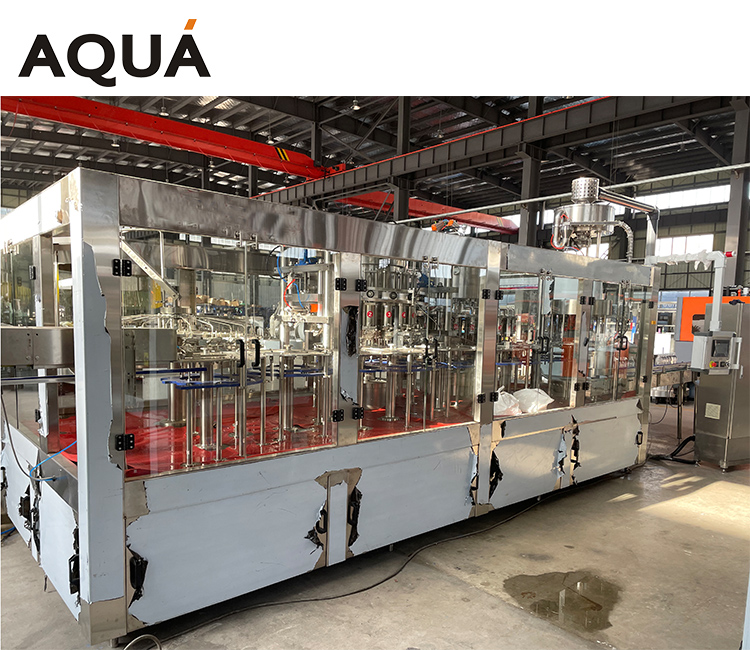
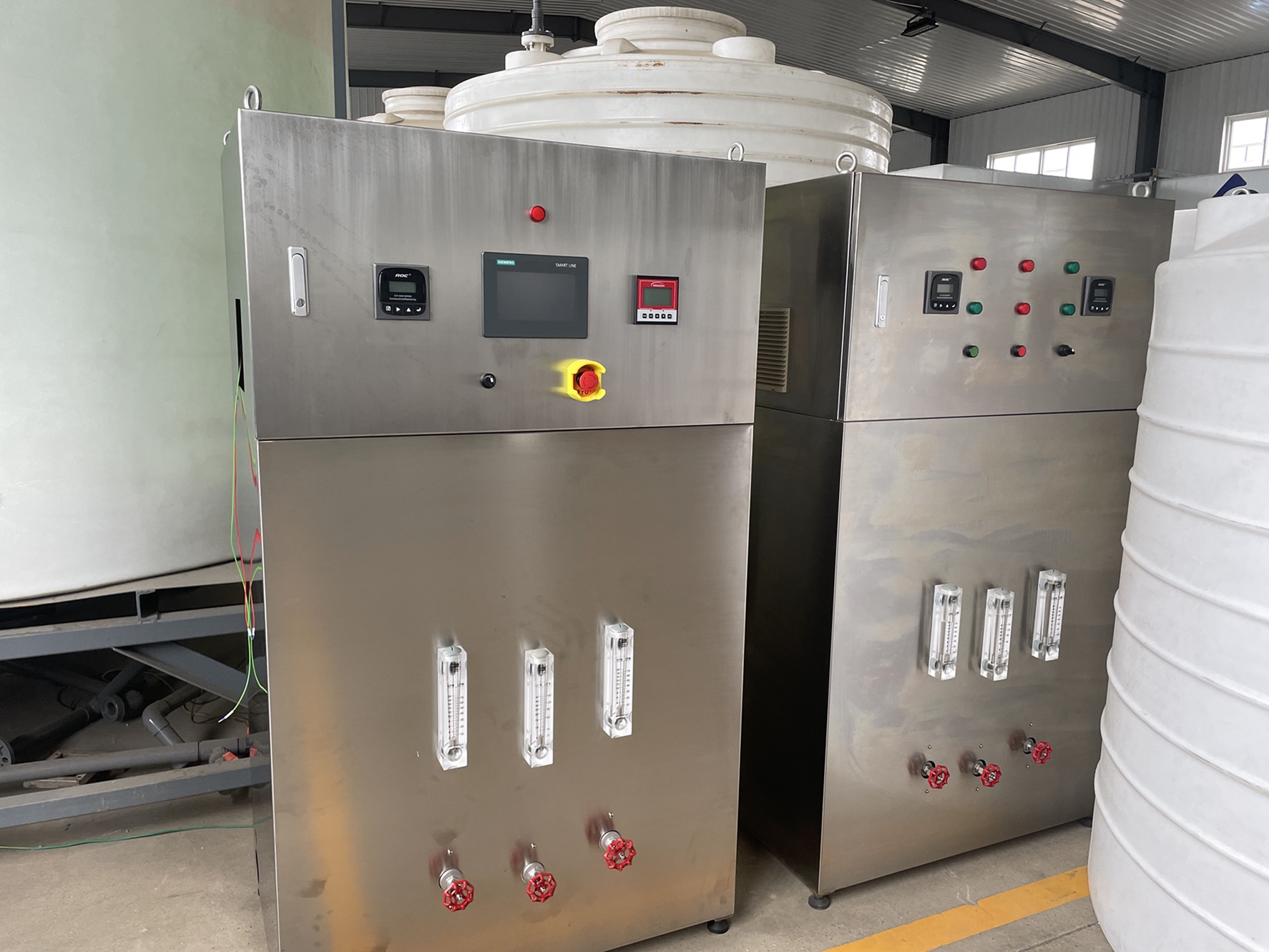
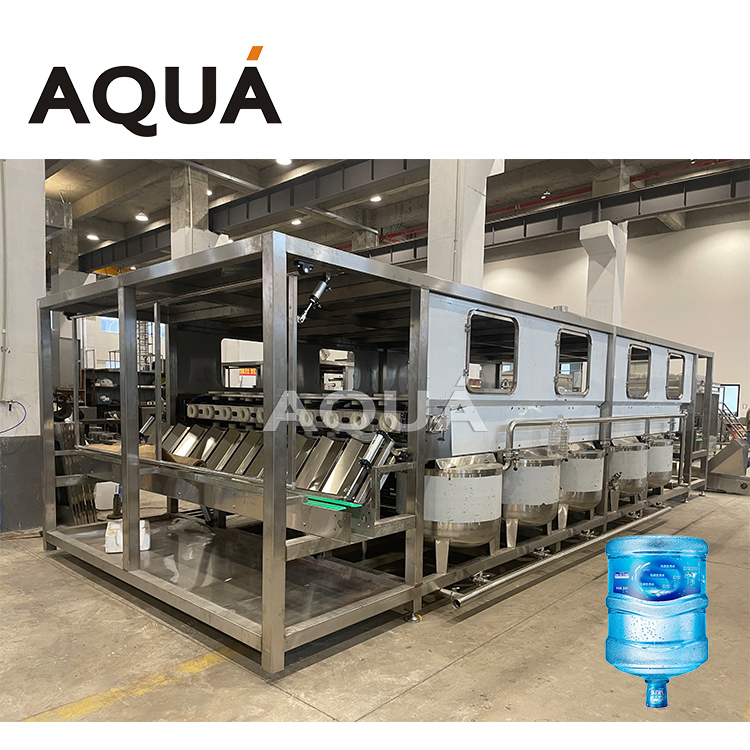
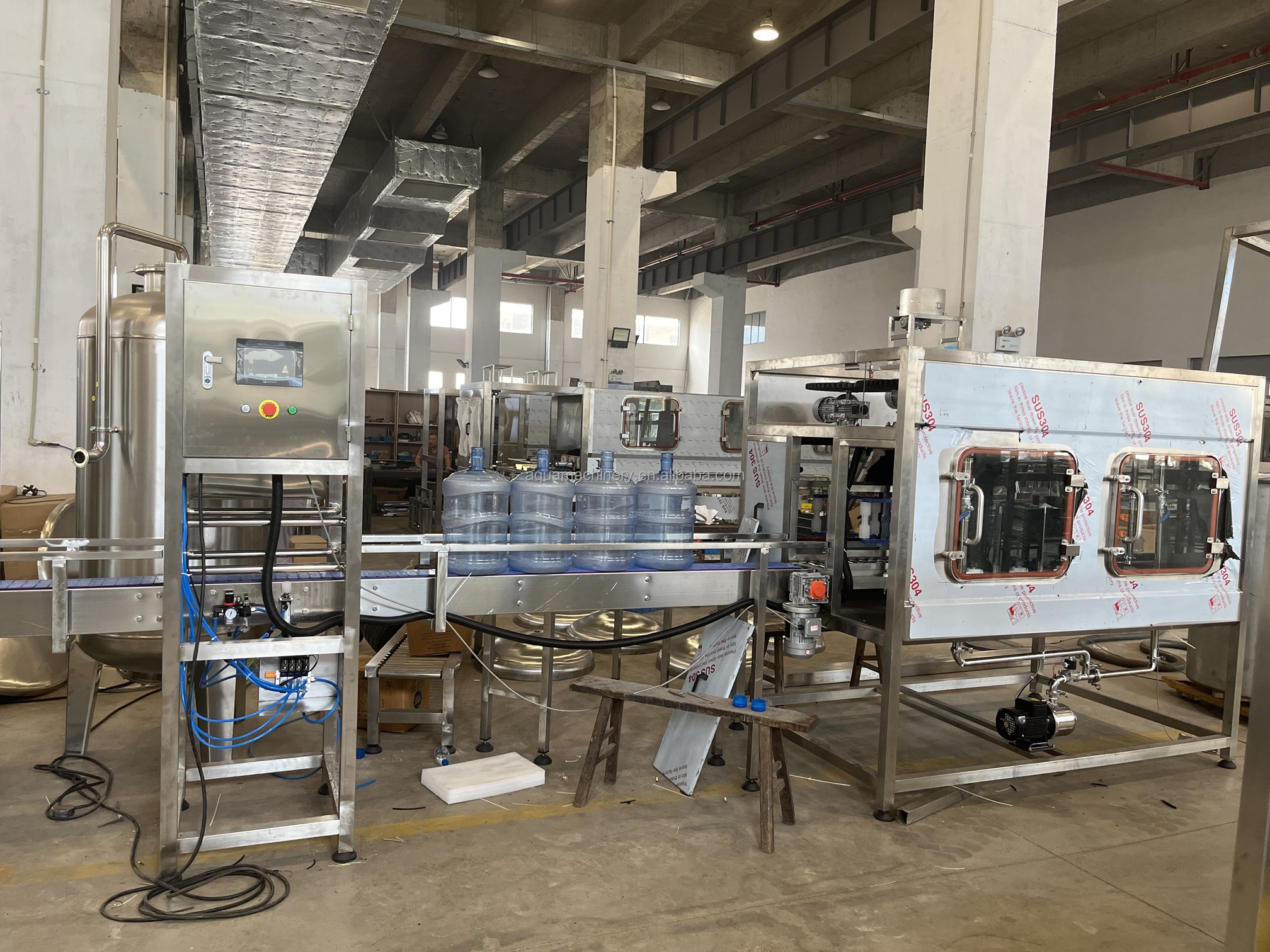
Industry Whitepaper: Modern Engineering Standards in Juice Filling Machinery
The global fruit juice and liquid beverage packaging industry is undergoing a structural transition toward higher thermal efficiency, minimal chemical preservative dependence, and stringent microbiological sterility. As a premier China juice filling machine exporter and wholesaler based in Zhangjiagang, Jiangsu—China’s premier cluster for beverage machinery engineering—Zhangjiagang UJDI Machinery Co., Ltd. designs and manufactures automated liquid packaging lines engineered specifically to tackle complex fluid dynamics, variable thermal requirements, and particulate-laden formulations.
Industrial juice bottling requires precise thermal control during processing to safeguard sensitive nutrients (vitamin C, thermolabile polyphenols, and flavor volatile compounds) while neutralizing heat-resistant mold spores, yeasts, and vegetative bacteria. Whether processing clear clarified juices, high-Brix concentrates, or fiber-rich nectar with intact fruit pulps, choosing the correct filling methodology determines product shelf stability, container integrity, and overall line OEE (Overall Equipment Effectiveness).
1. Thermal Dynamics of Hot Filling vs. Aseptic Cold Filling Systems
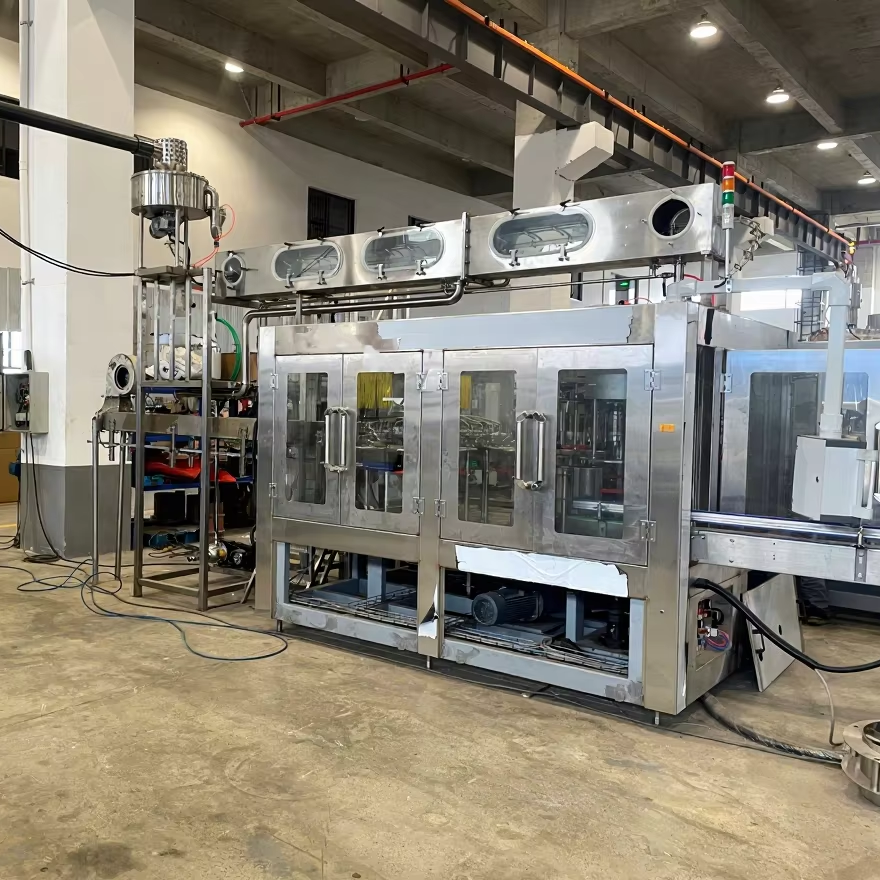
Hot filling (85°C to 92°C) remains the standard for high-acid beverages (pH < 4.6), such as orange, apple, grape, and tropical juice blends. The liquid itself sterilizes the inner surfaces of the PET bottle and container neck. Immediately following capping, the bottled product enters a bottle tilting / inversion mechanism for 15 to 30 seconds to sterilize the inner surface of the cap using residual thermal energy, before entering a multi-stage tunnel cooler that reduces product core temperature to below 35°C to prevent thermal degradation of juice flavor.
| Parameter | Hot Filling Monoblock | Ultra-Clean / ESL Filling | Aseptic Cold Filling | Isobaric Canning (CSD/Juice) |
|---|---|---|---|---|
| Thermal Processing Temp | 85°C – 92°C | 90°C – 95°C (Flash sterilize) | 135°C – 140°C (UHT) -> 20°C Fill | 4°C – 12°C (Cold isobaric) |
| Microbiological Cleanroom | Class 10,000 (HEPA Laminar Air Flow) | Class 1,000 ISO 6 Enclosure | Class 100 ISO 5 Steril-Zone | Positive Pressure HEPA Deck |
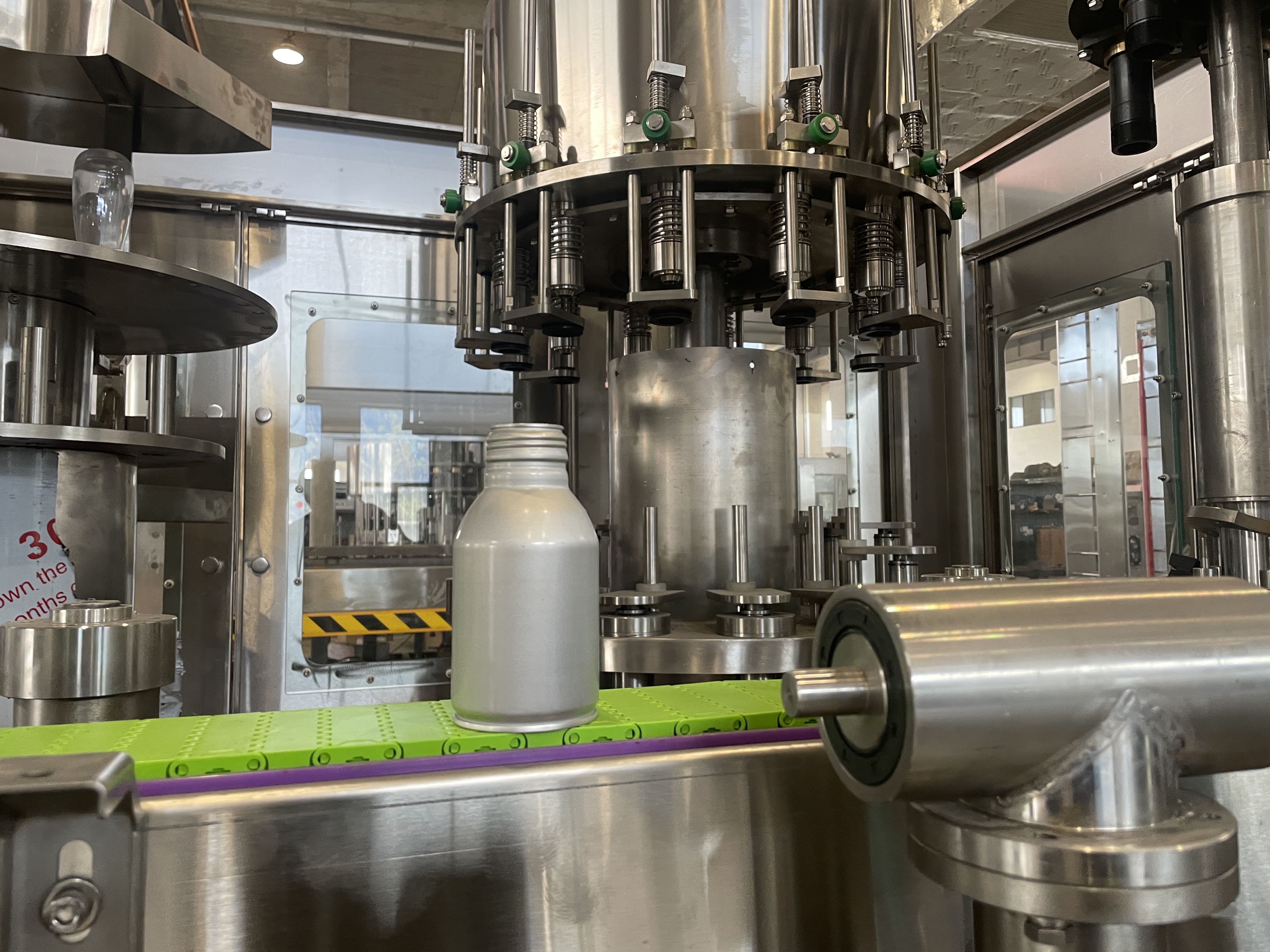
| Container Compatibility | Heat-Resistant PET (Vacuum Panel / Rigid) | Standard PET / Lightweight PET | Ultra-lightweight PET / HDPE | Aluminum Cans (2-Piece Sleek/Standard) |
| Juice Formulation Suitability | Clear Juices, Nectars, High-Acid Teas | Low-Acid Juices, Dairy-Juice Blends | Sensitive Fruit Juices, Purees | Carbonated Juices, Sparkling Water |
| CAPEX / Equipment Footprint | Moderate Investment / Compact Footprint | High Investment / Medium Footprint | Very High CAPEX / Large Footprint | Moderate to High / Medium Footprint |
2. Advanced Pulp & Particulate Dosing Technologies
Handling beverages containing natural pulp, citrus sacs, or coconut jellies demands dual-stage or specialized piston-valve filling architectures. Standard gravity valves suffer from pulp clogging, irregular fill levels, and tearing of fragile fruit sacs. UJDI Machinery integrates pneumatic piston-driven dosing units equipped with anti-shear cut-off nozzles. The pulp component is dosed with ±0.5% volumetric accuracy in the first stage, followed immediately by gravity or vacuum-assisted hot juice liquid topping in the second stage.
Sanitary SUS316L Contact Parts
All liquid contact components are crafted from food-grade AISI 316L stainless steel with mirror polish (Ra < 0.4 µm) to eliminate micro-crevices where biofilm builds up.
Integrated CIP/SIP Cleaning Loops
Automated 3-stage / 5-stage CIP systems with dummy cup insertion deliver high-velocity turbulent washing, caustic lye circulation, and hot water sanitization.
Servo-Controlled Capping Torque
Magnetic hysteresis or servo-driven capping heads prevent thread stripping, maintaining exact closure torque to ensure hermetic sealing against air leakage.
Future Procurement Trends in Beverage & Juice Packaging Equipment
B2B buyers and commercial bottlers seeking to import machinery from China must evaluate total cost of ownership (TCO), energy conversion efficiency, and machine adaptability over a 10-to-15-year lifecycle. The global regulatory pressure on plastic packaging waste, coupled with skyrocketing energy prices, has driven several key manufacturing innovations in commercial bottling lines:
1. Transition to Lightweight Heat-Resistant Bottles & Base Rib Engineering
Historically, hot-fill PET bottles required heavy grammage (up to 28-32g for a 500ml bottle) with distinct structural vacuum panels to absorb negative pressure upon cooling. Modern thermal engineering utilizes nitrogen dosing system integration right before capping. Liquid nitrogen expands into inert gas, pressurizing the container internally, which allows bottlers to utilize panel-less lightweight bottles (reducing preform mass down to 21-24g). This cuts annual raw plastic resin expenditure by 15% to 22%.
2. Smart Industry 4.0 Telemetry & Automated Quality Inspection
Next-generation filling lines incorporate centralized PLC architectures (Siemens S7-1500 or Mitsubishi iQ-R Series) linked with optical visual inspection modules. Machine-vision inspection cameras evaluate seal integrity, neck preform defects, cap orientation, fill level precision, and high-speed laser batch coding readability in real-time, automatically ejecting non-compliant bottles without stopping the main conveyor line.
3. Energy-Recuperating Thermal Exchange & Water Conservation
Standard pasteurizers and tunnel cooling units consume significant thermal energy and utility water. Advanced UJDI lines integrate plate heat exchangers that transfer thermal energy from outgoing hot-filled bottles back to the incoming cold juice feed. Water within the bottle-cooling tunnel is recirculated through multi-stage sand filters and UV sterilizers, cutting water consumption by over 40%.
Why Direct Sourcing from Zhangjiagang UJDI Machinery Offers Strategic Advantage
Located in Zhangjiagang City, Jiangsu Province, Zhangjiagang UJDI Machinery Co., Ltd. stands as a benchmark enterprise in full-line liquid packaging engineering. With over 13 years of dedicated research, manufacturing excellence, and international deployment, we offer fully synchronized turnkey packaging ecosystems tailored to specific factory layouts and utility capacities.
Intertek On-Site Audited
Our facilities, manufacturing workflow, machine calibration gear, and quality control protocols are inspected and audited by Intertek, ensuring full transparency and compliance.
Turnkey System Integration
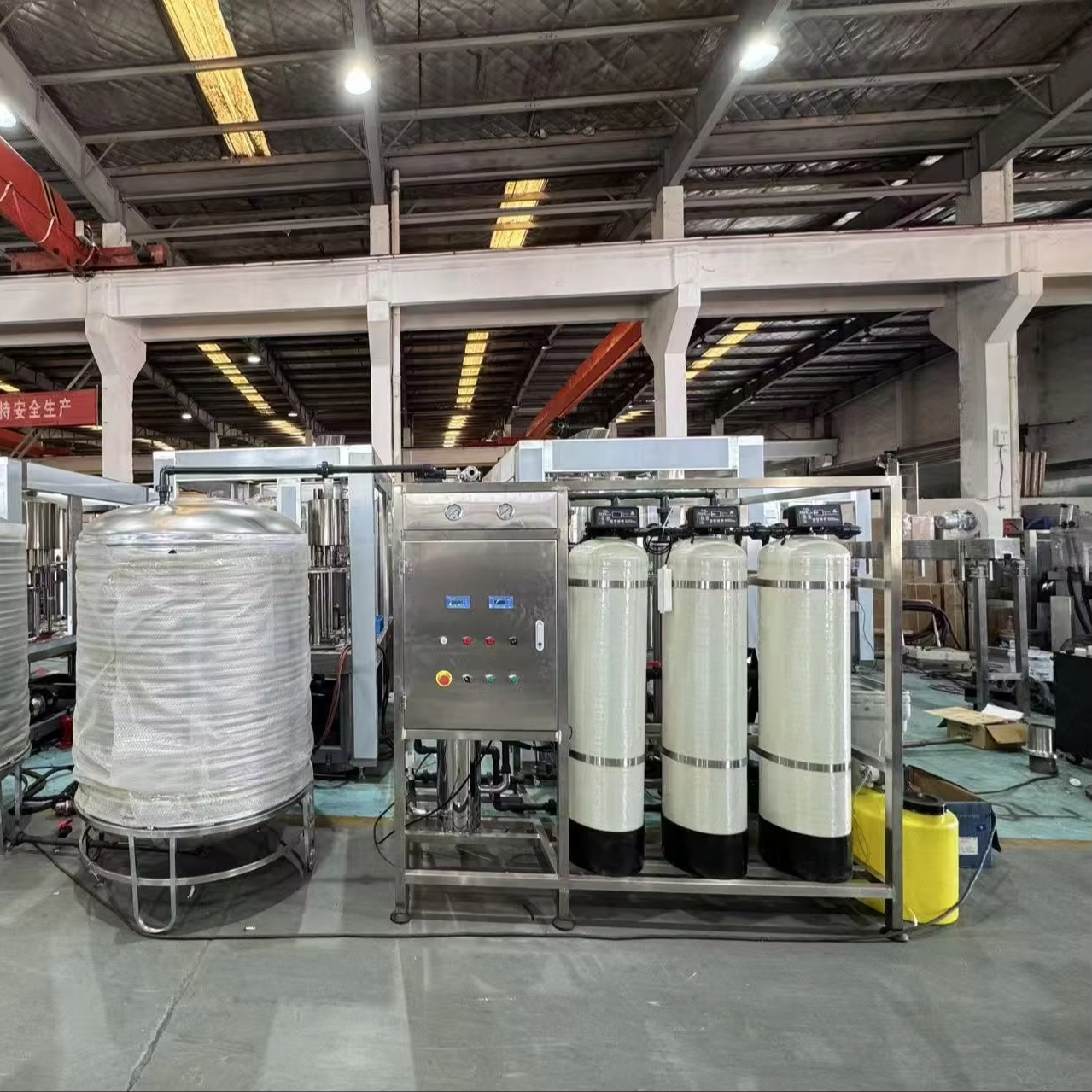
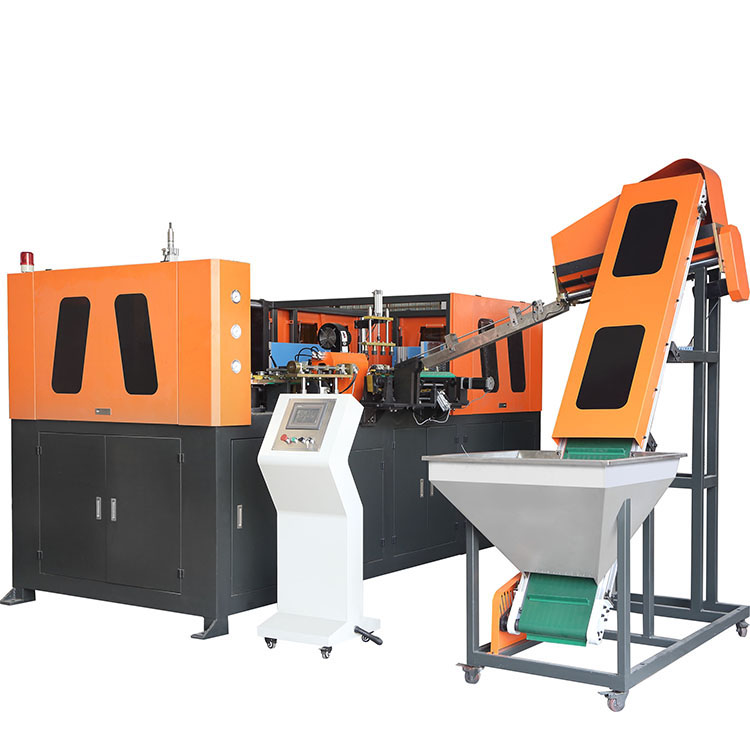
From RO water purification plants (1,000 LPH to 50,000 LPH) and automatic PET blow molders to monoblock fillers, labeling, and shrink wrapping, every module is engineered to operate harmoniously.
Global Deployment & Support
We provide complete FAT (Factory Acceptance Testing), overseas engineer installation guidance, operator technical training, and lifetime spare parts replacement support.
Frequently Asked Questions (FAQ) for Juice Machine Procurement
Comprehensive answers to essential technical, operational, and financial queries asked by beverage line procurement directors.
Partner with China's Premier Juice Machine Exporter
Upgrade your bottling plant efficiency, achieve strict hygienic compliance, and optimize your production TCO with customized engineering from Zhangjiagang UJDI Machinery Co., Ltd.
Contact Us