Featured Liquid Packaging Lines & Processing Equipment
Engineered for High-Yield Performance Across Water, Juice, Carbonated, and Oil Processing Operations
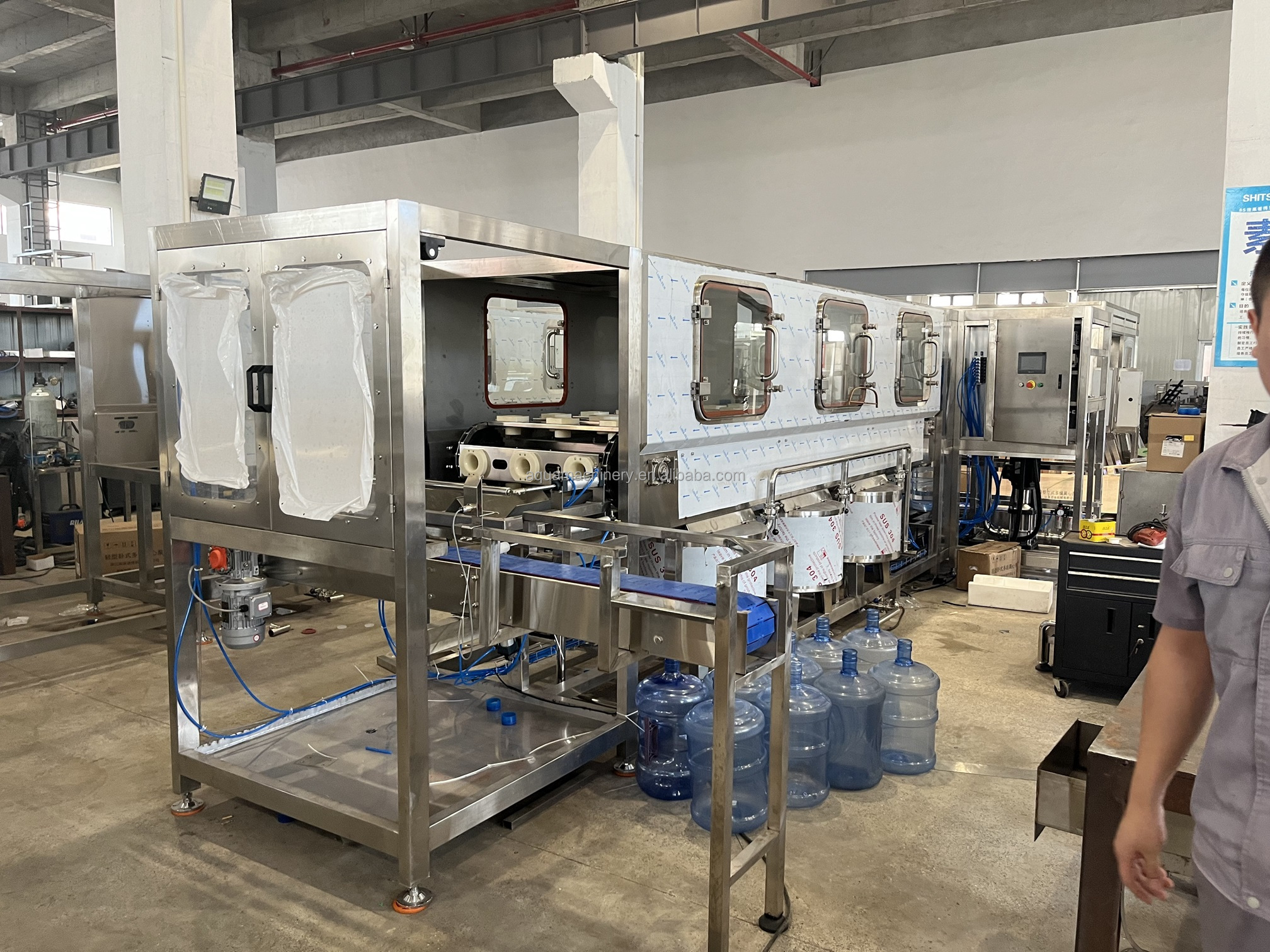
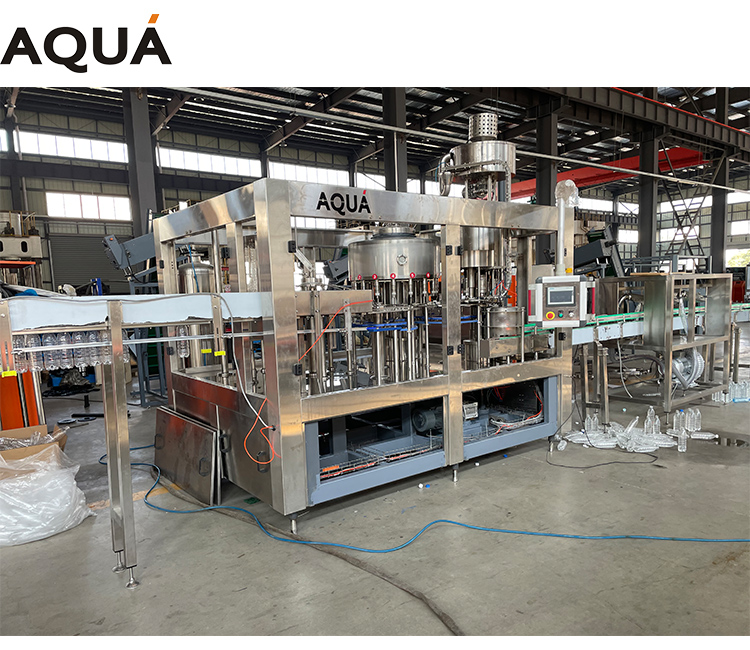
Engineering Superiority: Evaluating Glass Bottle Filler Manufacturing in China
Understanding Technical Mechanics, Structural Physics, and Mechanical Precision Standards
The global beverage, craft beer, premium mineral water, and spirit industries are experiencing a decisive return to rigid glass packaging. Driven by consumer preferences for environmental sustainability, flavor purity, and premium shelf aesthetics, glass bottle filling operations require a fundamentally different engineering paradigm compared to flexible polyethylene terephthalate (PET) lines. When evaluating China best glass bottle filler factories & factory partners, B2B procurement managers and plant directors must look beyond basic operational speeds and analyze core mechanical integrity, fluid dynamics, valve sealing geometry, and oxidation prevention technologies.
Unlike plastic containers, rigid glass bottles exhibit zero volumetric tolerance for axial compression during high-speed capping, present minor dimensional variations across batch runs, and demand stringent thermal management during hot-fill or cold-isobaric bottling. Leading manufacturers located within China’s primary machinery packaging cluster—specifically Zhangjiagang, Jiangsu—have bridged the gap between traditional low-cost assembly and high-end European precision engineering (such as Krones or KHS standard benchmarks).
1. Mechanical Fluid Dynamics: Isobaric, Gravimetric, and Vacuum Deaeration Mechanics
The primary differentiator among tier-1 Chinese glass bottle filler manufacturers lies in their liquid dosing valve designs. For carbonated soft drinks (CSD), sparkling water, and beer, mechanical isobaric (counter-pressure) filling valves represent the industry gold standard. The operational cycle consists of four distinct engineering phases:
Evacuation & Purging
High-vacuum pumps evacuate ambient air from the glass bottle to eliminate atmospheric oxygen, followed by CO2 gas flushing to protect product integrity.
Equalization (Pressurization)
The internal bottle pressure is equalized with the ring bowl tank pressure (typically 0.25 to 0.40 MPa) using sanitary gas seals.
Laminar Flow Dosing
The liquid valve opens, allowing the beverage to flow smoothly along the inner glass walls via a swirler mechanism to minimize turbulence and CO2 breakout.
Snifting & Pressure Relief
Controlled degassing (snifting) lowers the headspace pressure slowly to atmosphere level before bottle lowering, preventing foam eruption.
For non-carbonated applications, such as high-end spring water, fruit juices, and edible spirits, gravity or electronic magnetic flowmeter filling systems are utilized. The engineering advantage of high-end Chinese equipment lies in the integration of contactless filling heads, which eliminate direct mouth-to-valve contact, drastically reducing cross-contamination risks and bottle neck fracture hazards.
2. Dissolved Oxygen (D.O.) Pickup Management
For breweries and premium beverage manufacturers, dissolved oxygen (D.O.) contamination is the primary cause of premature product oxidation, flavor degradation, and shortened shelf life. Top-tier Chinese glass bottle filler factories integrate double-stage vacuum evacuation systems before liquid injection. By replacing residual air with 99.99% pure carbon dioxide twice consecutively, dissolved oxygen pickup can be reliably maintained below < 30 parts per billion (ppb). Furthermore, high-pressure hot water jetting (foaming) before capping ensures that air is entirely purged from the bottle neck headspace prior to crown or swing-top application.
Engineering Benchmark Comparison
Evaluating System Parameters Across Different Glass Filler Machinery Tiers
| Technical Parameter | Standard Commodity Fillers | Tier-1 China Manufacturers (e.g., UJDI Machinery) | Premium European Benchmark |
|---|---|---|---|
| Product Contact Metallurgy | Standard SUS304 Stainless Steel | Electropolished SUS316L Stainless Steel | Electropolished SUS316L / Titanium Alloys |
| Filling Valve Technology | Basic Spring-Loaded Mechanical Valve | Electro-Pneumatic / Isobaric Double Vacuum Valves | Magnetic Flowmeter / Electro-Pneumatic Isobaric |
| D.O. Pickup Control | > 80 - 120 ppb | < 20 - 30 ppb (Double Vacuum Evacuation) | < 10 - 15 ppb |
| Thermal Shock Tolerance | Manual Speed Regulation (ΔT ≤ 15°C) | Automated Multi-Stage Preheating (ΔT ≤ 30°C) | Integrated Thermal Loop Control (ΔT ≤ 35°C) |
| Automation & Controls | Basic Button Relay / Low-tier PLC | Siemens S7-1500 / Schneider Servo Motion Control | Proprietary Bus Architecture / Siemens S7-1500 |
| Capping Flexibility | Single Capping Format (Crown only) | Multi-Head Combination (Crown, ROPP, Guala, Cork) | Modular Quick-Change Turrets |
Future Procurement Trends in Glass Bottle Filling Machinery (2025–2030)
Key Technological Innovations Transforming B2B Liquid Bottling Equipment Sourcing
Electro-Pneumatic & Volumetric Automation
Traditional mechanical cams and mechanical springs are rapidly being replaced by electro-pneumatically controlled filling valves paired with electromagnetic flowmeters. This allows bottling line operators to adjust fill volume parameters directly via the HMI touchscreen without stopping production or changing mechanical parts, reducing downtime for bottle-size changeovers by up to 75%.
Aseptic & Cold-Chain Hygienic Design
Post-pandemic market demand requires extreme sanitation standards. Future glass bottle filling machinery prioritizes clean-in-place (CIP) automation with automatic dummy bottles, full enclosed cleanroom housings (HEPA Class 100 laminar flow filtration), and self-draining stainless steel frame slopes that prevent liquid accumulation and micro-bacterial growth.
Energy Efficiency & Carbon Reduction
Energy-intensive mechanical vacuum pumps are giving way to variable-frequency drives (VFD) and smart vacuum recirculating loops. Next-generation Chinese glass bottle fillers incorporate heat recovery exchangers during hot-fill thermal cycling, reducing overall steam consumption by over 22% compared to decade-old architectures.
Enterprise Strengths: Why Zhangjiagang UJDI Machinery Co., Ltd. Leads
Full-Spectrum Turnkey Capabilities, Rigorous Quality Control, and Global Engineering Support
Located in the heart of Zhangjiagang City, Jiangsu Province—the core hub of China’s liquid packaging machinery industry—Zhangjiagang UJDI Machinery Co., Ltd. has established itself as an authoritative global manufacturer of complete beverage bottling lines. With over 13 years of dedicated engineering experience, UJDI Machinery bridges high-performance manufacturing with affordable capital expense (CAPEX) for global bottlers.
Intertek On-Site Assessed & CE Certified
All production facilities and machinery designs are independently audited on-site by Intertek. UJDI Machinery products carry full European CE certification, guaranteeing compliance with stringent mechanical safety, electrical insulation, and pressure vessel directives.
Food-Grade Material Integrity (SUS304 / SUS316)
We strictly eliminate sub-standard raw materials. All components contacting liquid products are crafted from certified food-grade SUS304 or electropolished SUS316L stainless steel. EPDM/PTFE sanitary gaskets ensure complete resistance to chemical Clean-in-Place (CIP) flushing media.
Turnkey Line Integration & Factory Acceptance Testing (FAT)
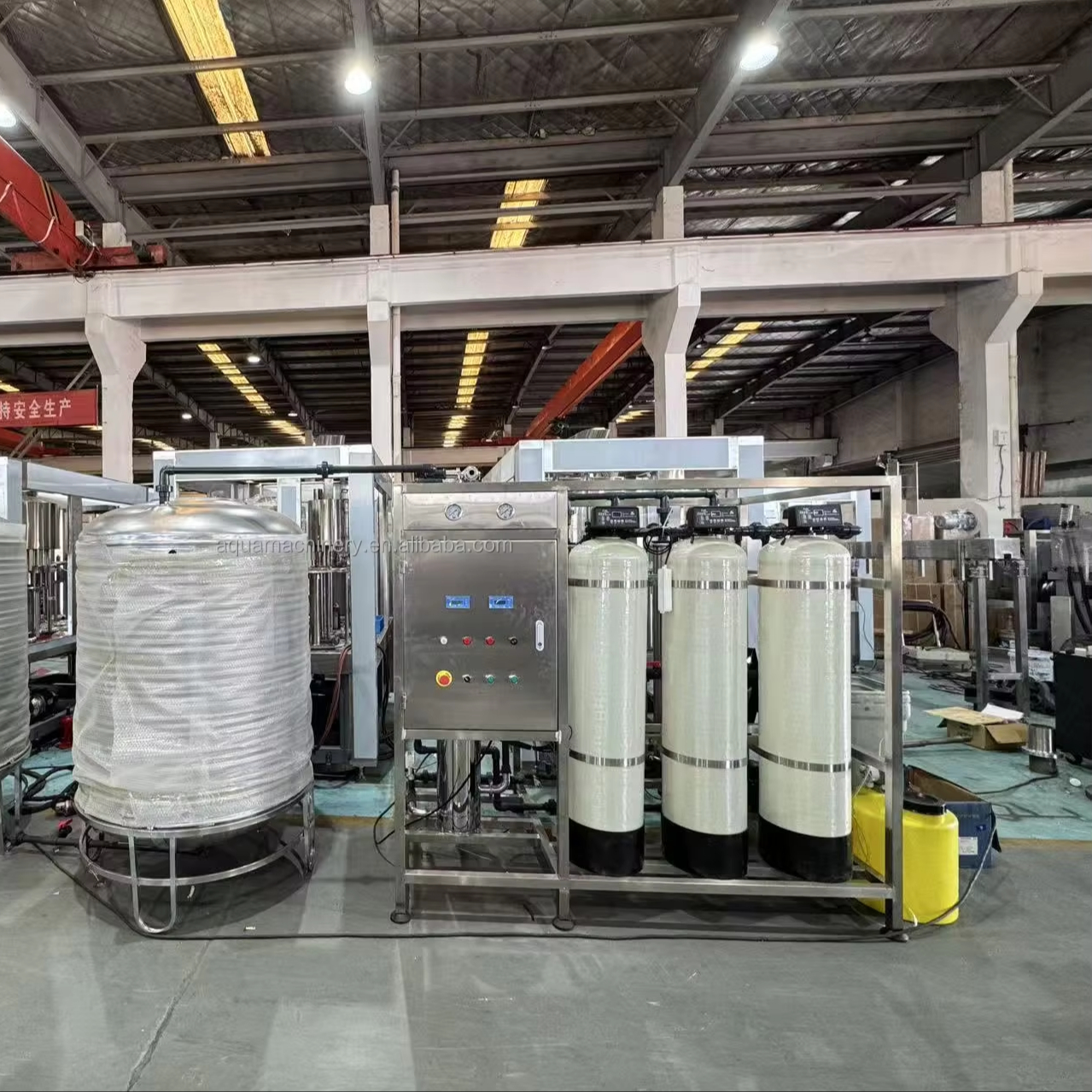
From raw water pre-treatment (RO filtration) and beverage preparation systems to filling monoblocks, labeling units, and PE film shrink wrapping machines, UJDI provides a unified engineering solution. Every line undergoes rigorous pre-shipment FAT running tests using the client's actual glass bottles and liquid samples.
Frequently Asked Sourcing & Engineering Questions (FAQ)
Addressing Technical Concerns, Line Configurations, Customization, and After-Sales Support
Accelerate Your Bottling Line Efficiency with UJDI Engineering
Request a customized technical specification, CAD plant layout drawing, and competitive quotation from our engineering team today. Experience certified quality backed by Zhangjiagang’s premier liquid packaging export leaders.