Flagship Beverage Bottling & Processing Equipment
Precision-engineered, automated packaging lines custom-sized for global beverage manufacturers, mineral water plants, and edible oil refineries.
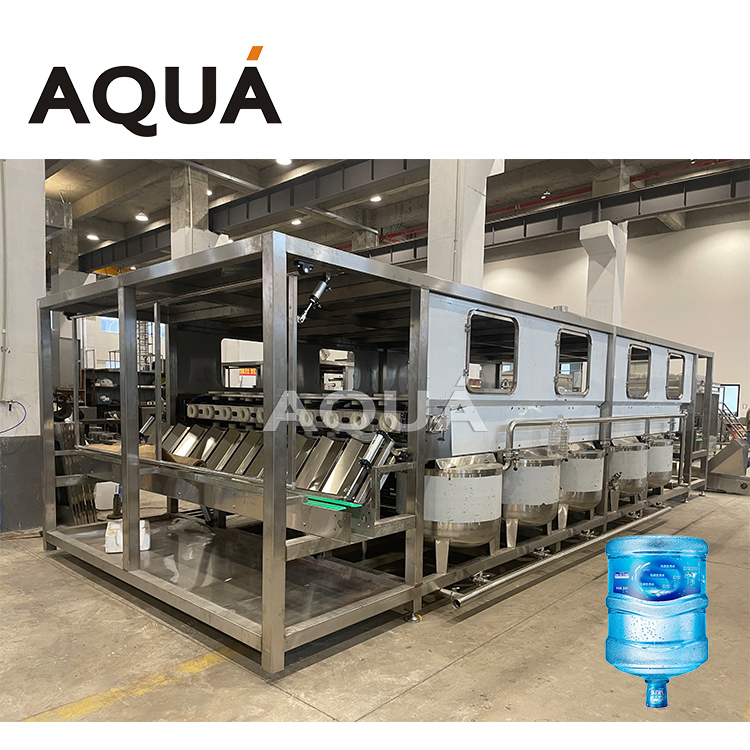
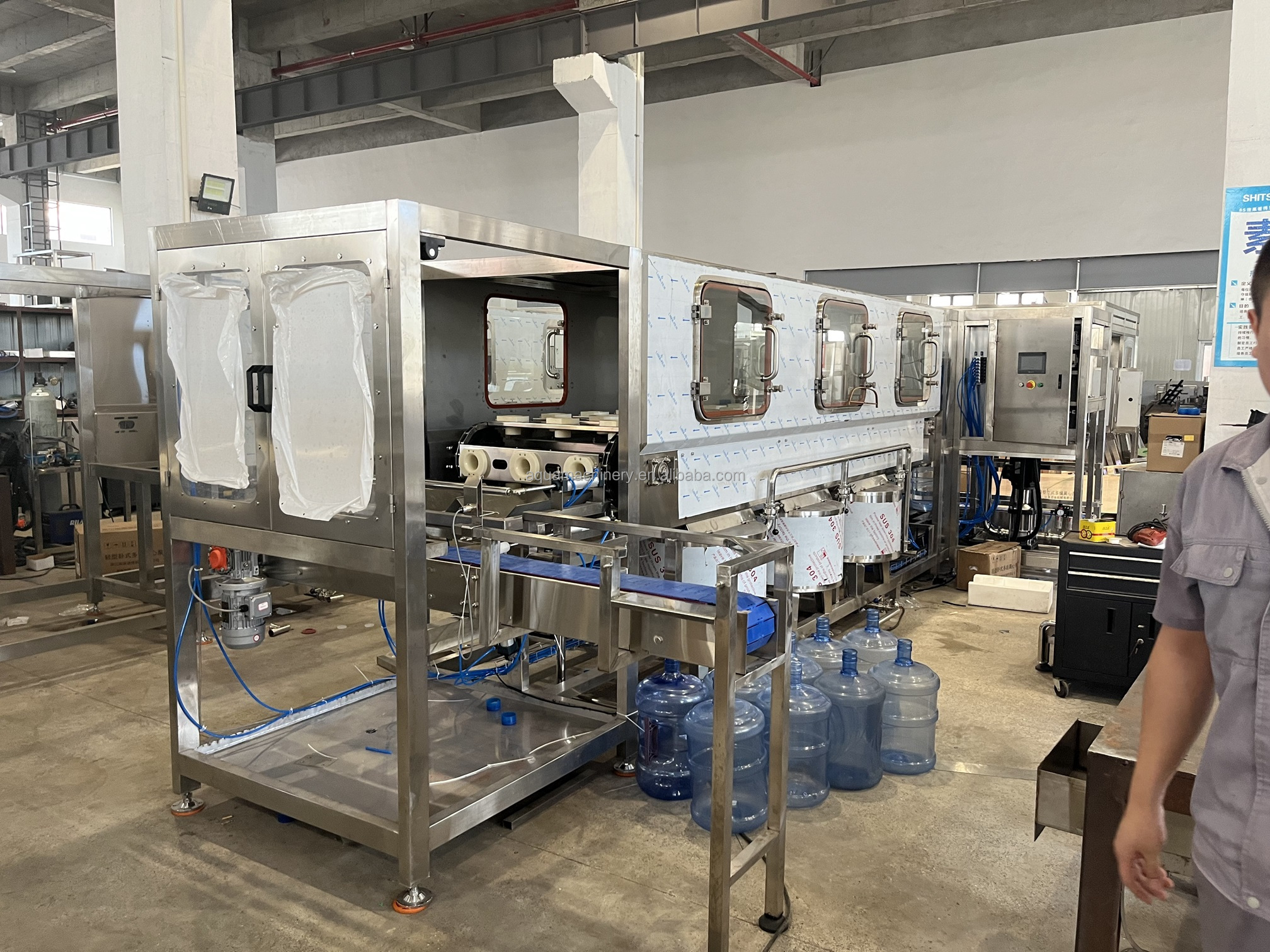
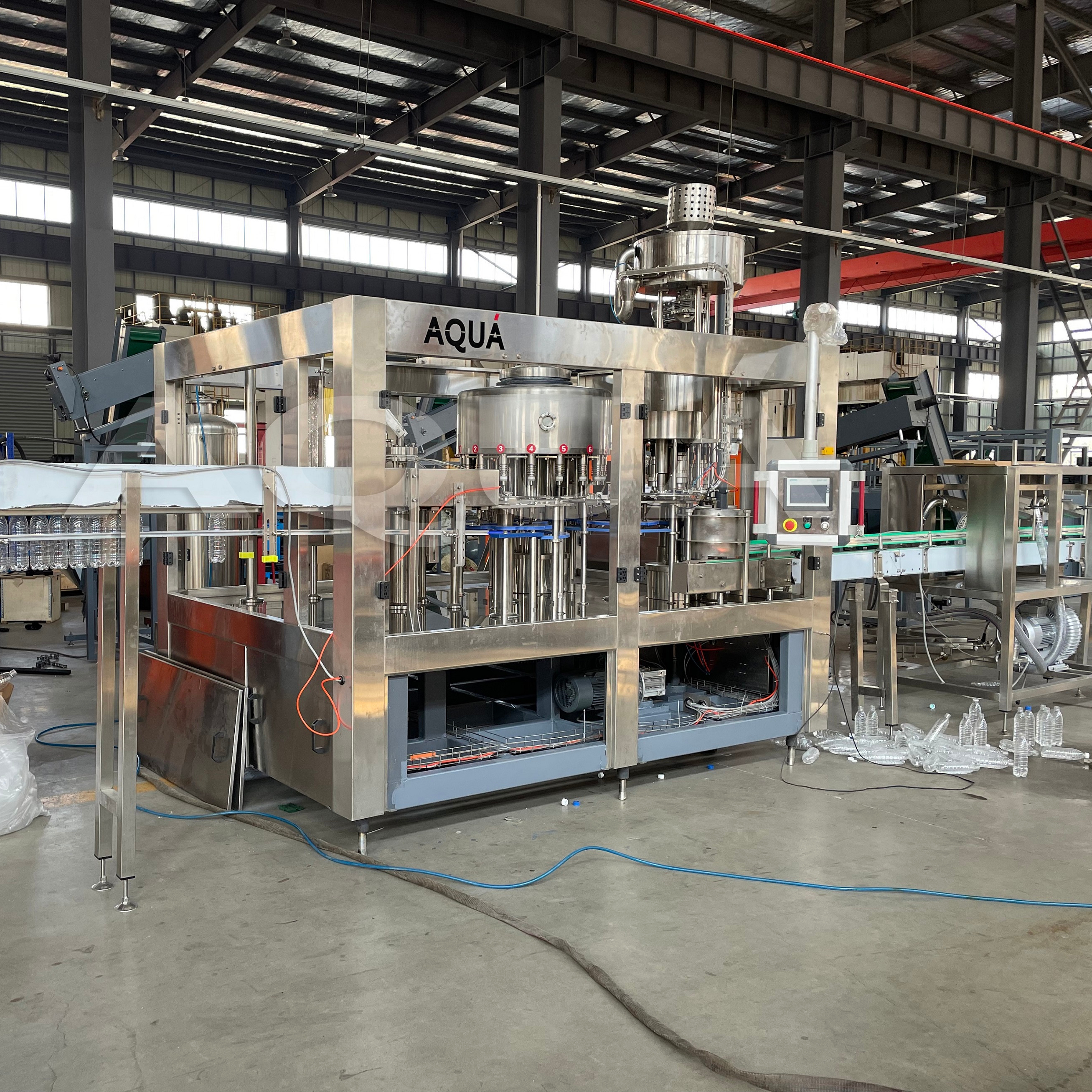
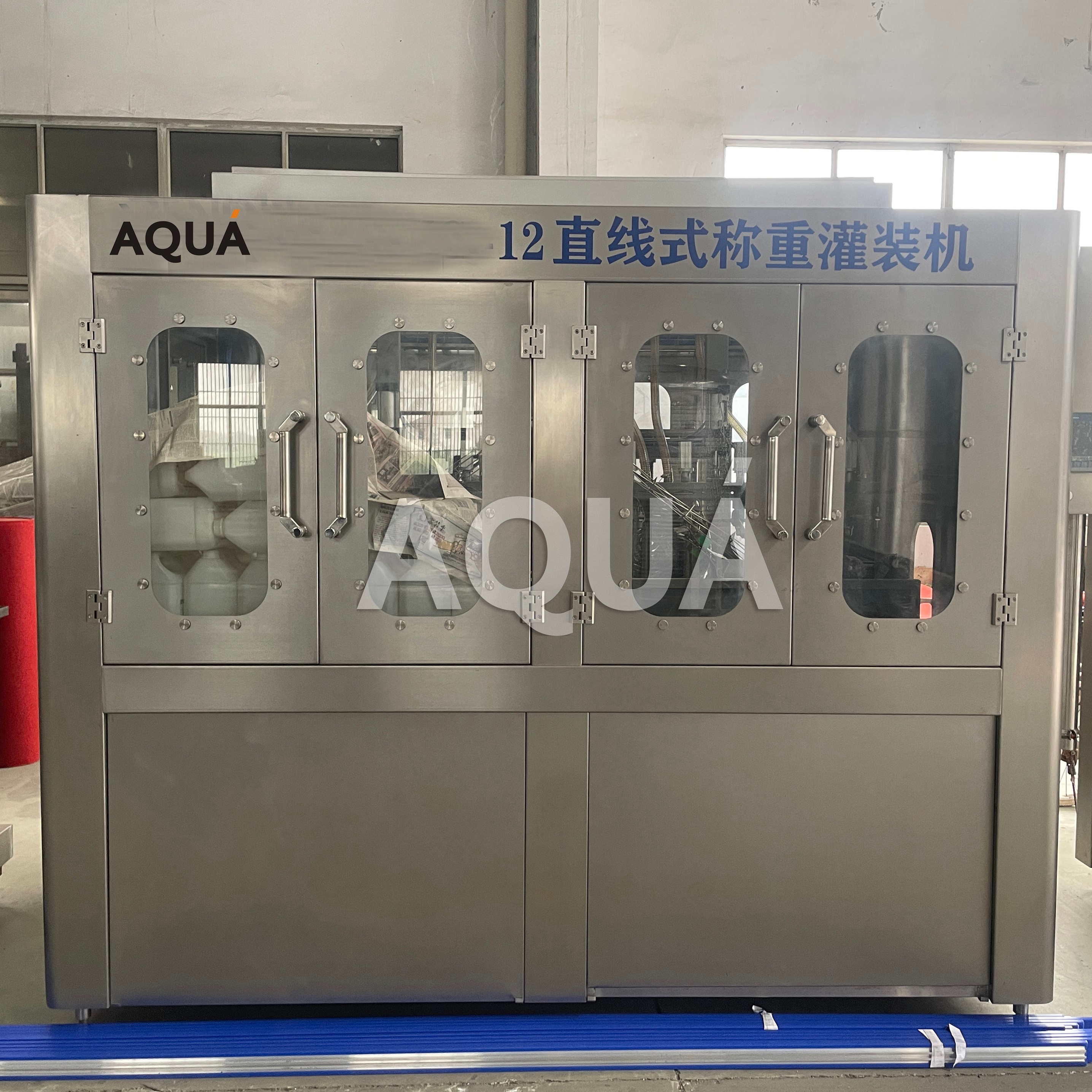
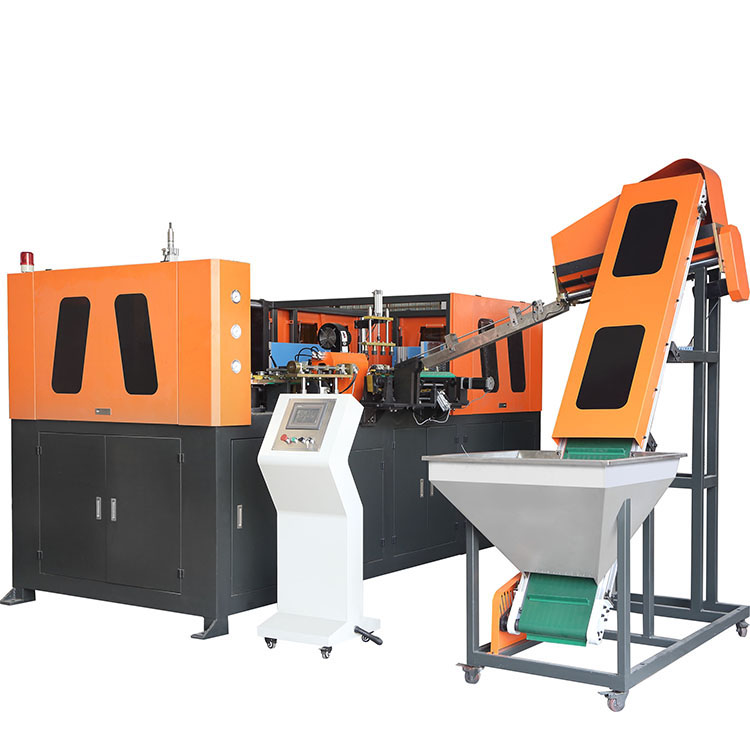
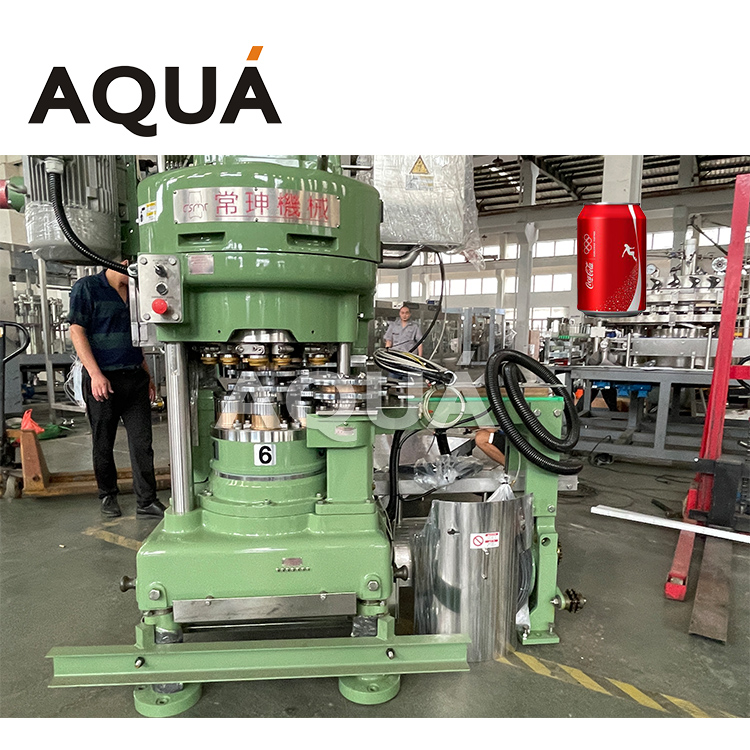
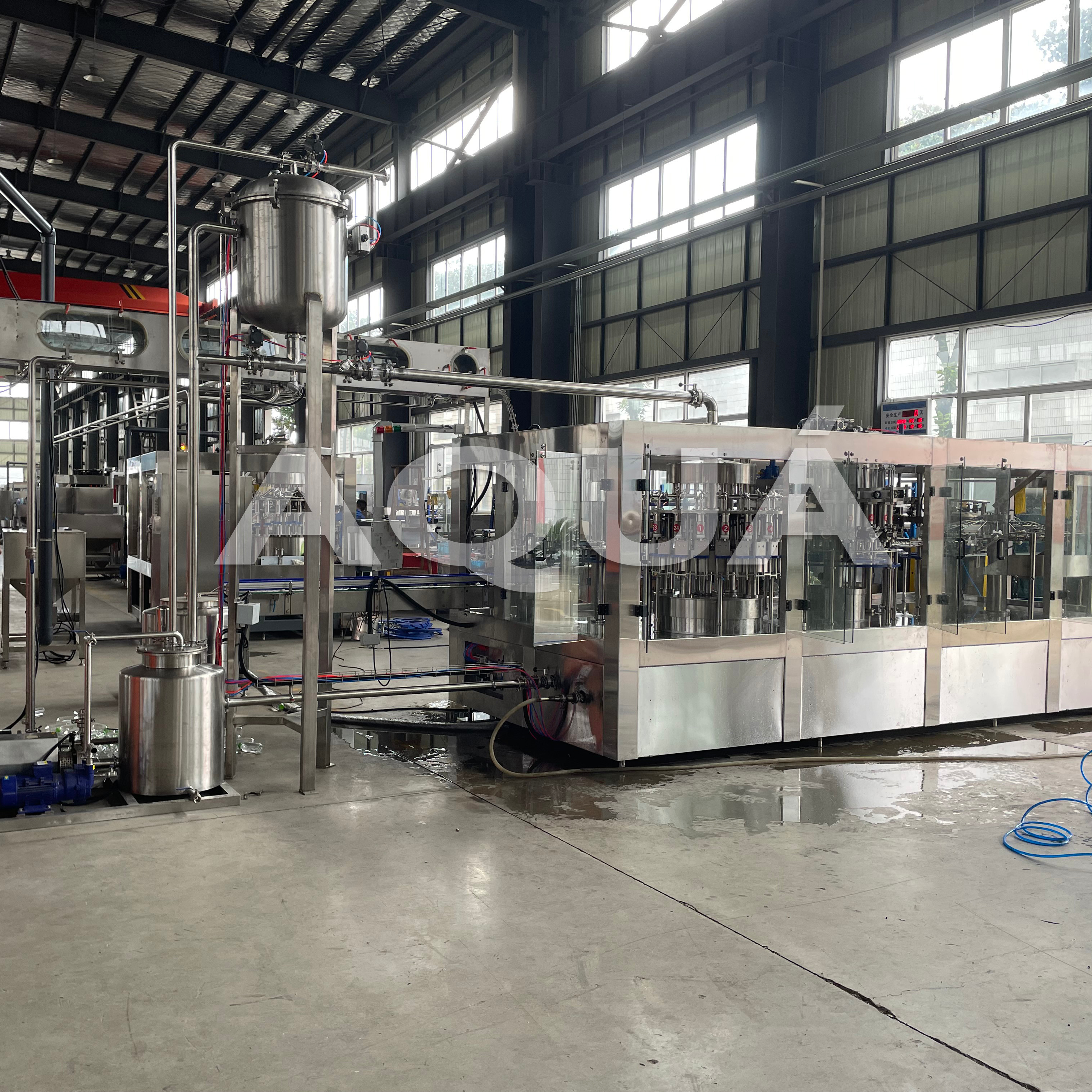
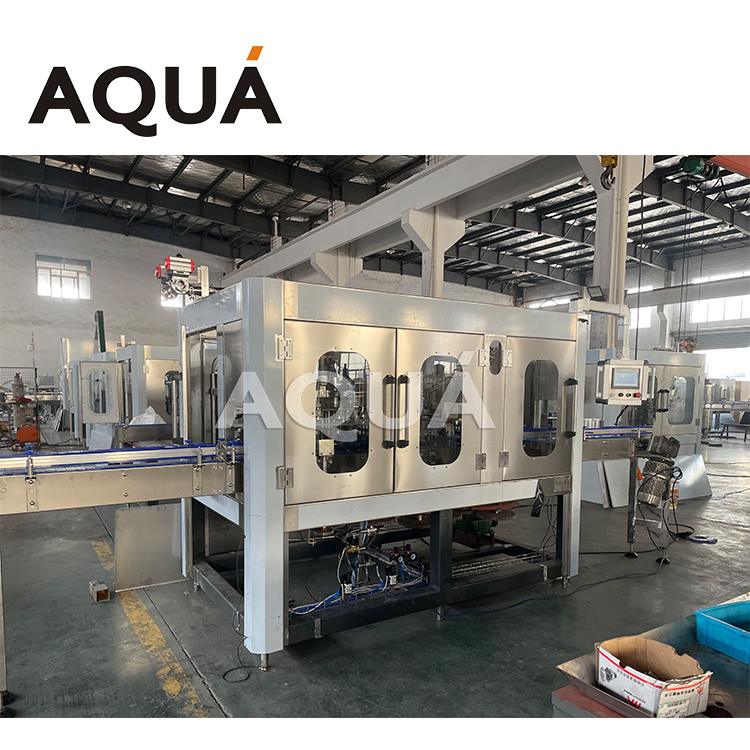
Enterprise Engineering Advantage: Zhangjiagang UJDI Machinery Co., Ltd.
Positioned at the epicenter of China's premier beverage packaging machinery manufacturing cluster in Zhangjiagang, Jiangsu, Zhangjiagang UJDI Machinery Co., Ltd. operates as a senior engineering directorate and specialized original equipment manufacturer (OEM/ODM). Over more than 13 years of continuous technological refinement, UJDI Machinery has evolved from a machine fabricator into a holistic turnkey engineering partner for liquid packaging applications across water, soft drinks, juices, craft beer, wines, and edible culinary oils.
Our operational framework strictly prioritizes Google Search Quality Rater Guidelines (E-E-A-T) by validating empirical manufacturing expertise through rigorous third-party certifications. The UJDI manufacturing center has undergone intensive on-site assessment by Intertek, confirming our structural capabilities, precision machining infrastructure, quality control protocols, and material compliance. All complete bottling, canning, and blowing monoblocks carry authentic **CE Certification**, utilizing high-grade food-contact stainless steel alloys (SUS304 for structural frames and SUS316L for hygienic product contact fluid pathways).
Single-Source Line Integration
We eliminate mechanical mismatch by designing water treatment systems, PET blow molders, monoblock fillers, bottle drying blowers, labeling machinery, and PE shrink wrappers to run under unified electronic synchronization.
Tailored ODM Engineering
Every line is customized to match local electrical parameters (e.g., 220V–480V, 50Hz/60Hz, 3-Phase), bottle geometries, viscosity dynamics, cap closure standards, and specific footprint constraints.
Comprehensive Testing & FAT
Before dispatch, all production lines undergo intensive Factory Acceptance Testing (FAT) with actual preforms and liquid products, accompanied by live video verification and raw material inspection logs.
Beverage Bottling Machine Technology & Innovation Trends
The global beverage packaging landscape is undergoing a paradigm shift driven by stringent hygiene compliance, energy optimization, digital automation, and lightweight material handling. Importers and plant managers upgrading liquid packaging lines must evaluate several crucial engineering breakthroughs:
1. Isobaric Counter-Pressure vs. Gravity Filling Innovations
Modern carbonated soft drink (CSD) and beer canning lines utilize high-precision electronic isobaric valves. Unlike traditional mechanical spring valves, electro-pneumatic counter-pressure valves execute multi-stage CO2 flushing, rapid equalized pressure filling, and controlled snifting (pressure relief). This process reduces Total Pick-up Oxygen (TPO) to under 30 ppb, preserving beverage shelf life, preventing foam overflow, and stabilizing carbonation levels even at elevated filling temperatures (up to 12°C–15°C ambient filling, saving refrigeration energy).
2. Servo-Driven Volumetric & Flowmeter Precision
For high-value edible oils, juices, and spirits, mechanical cam-guided filling mechanisms are increasingly replaced by magnetic flowmeter (Magmeter) or mass flowmeter filling systems. Driven by independent servo motors, flowmeter filling valves eliminate mechanical contact with container rims, enabling non-contact filling that prevents cross-contamination. Volume changes are calibrated instantly via the Siemens touchscreen PLC interface without physical gear or star-wheel modifications, achieving fill tolerances within ±0.2%.
3. Integrated Clean-In-Place (CIP) & Sterilization Automation
Sterile filling security is paramount in hot-fill fruit juices (85°C–92°C) and sensitive dairy-beverage lines. Advanced monoblocks now incorporate automated false-cup CIP manifolds. The system executes automated 3-stage chemical sanitization (alkali wash, acid rinse, and sterile water flush) without requiring manual disassembly. Sealed cleanroom enclosures equipped with HEPA laminar air filtration (Class 100 rating) maintain positive pressure around the filling carousel to prevent microbial ingress.
4. Industry 4.0 Telemetry & Digital Twin Monitoring
Leading Chinese exporters like UJDI Machinery integrate IoT edge gateways and cloud analytics into bottling lines. Industrial sensors track vibration, thermal signatures, air pressure drops, and electrical current in real time. Plant operators monitor Overall Equipment Effectiveness (OEE), receive predictive maintenance alerts for seal wear, and benefit from remote diagnostic support via encrypted VPN connections directly with our engineering team in Jiangsu.
Technical Takeaway for Procurement Officers: Transitioning from semi-automatic or fragmented machinery to a synchronized UJDI monoblock reduces floor space requirements by up to 35%, lowers electrical power consumption by 22%, and minimizes line labor needs to just 2–3 supervisory technicians.
Global Beverage Machinery Procurement Trends (2025–2030 Whitepaper)
Strategic buyers across Africa, Latin America, Southeast Asia, and the Middle East are re-evaluating capital expenditure (CapEx) metrics when purchasing Chinese beverage packaging equipment. Key commercial and operational trends shaping future procurement include:
A. Total Cost of Ownership (TCO) vs. Initial CapEx
While European machinery carries high upfront capital costs and expensive spare parts, tier-1 Chinese manufacturers offer comparable production efficiencies at a fraction of the investment cost. Prospective buyers evaluate TCO over a 10-year lifespan, prioritizing suppliers that utilize standard off-the-shelf industrial automation components (e.g., Siemens PLC, Schneider switches, Festo/Airtac pneumatics, SEW drives) to guarantee low-cost local spare parts availability.
B. Lightweighting & Sustainable rPET Compatibility
Environmental regulations and raw resin price volatility are accelerating the adoption of ultra-lightweight PET bottle designs (e.g., reducing 500ml bottle preforms from 18g down to 9.5g–11g). UJDI's PET stretch blow molding equipment integrates precise preform heating pitch regulation and high-pressure air recovery systems, recycling up to 30% of blowing air back into low-pressure pneumatic actuators. Lines are also 100% compatible with recycled PET (rPET) resin blends.
C. Modular Expansion Architecture
Bottling enterprises frequently begin with 2,000 to 4,000 BPH capacities and require seamless scalabilty. Modern plant architecture relies on modular line design: water treatment systems, conveyor networks, and labeling machines are pre-engineered to support plug-and-play upgrades when replacing the core filling monoblock with higher-speed 10,000–15,000 BPH units in later expansion phases.
Comparative Machinery Technical Matrix
| Equipment Category | Filling Principle | Typical Capacity | Key Technical Standard | Target Applications |
|---|---|---|---|---|
| PET Water Monoblock | Normal Pressure Gravity | 2,000 – 15,000 BPH | Neck-clamping transfer, SUS304 rinse | Purified & Mineral Water |
| 5 Gallon Barrel System | Pneumatic Piston / Time-Gravity | 300 – 600 BPH | 12-stage internal washing, auto-capping | 18.9L / 20L Water Garrafons |
| Isobaric CSD & Beer Line | Mechanical/Electronic Isobaric | 2,000 – 12,000 CPH / BPH | CO2 pre-purging, low TPO pickup | Soda, Sparkling Water, Beer |
| Juice Hot Filling Line | High-Temp Recirculation | 3,000 – 12,000 BPH | 85°C–92°C temp control, return loop | Fruit Juices, Teas, Nectars |
| Edible Oil Bottling Line | Linear Servo Piston / Weighing | 1,000 – 6,000 BPH | Anti-drip nozzles, anti-foaming fill | Cooking Oil, Lubricants, Viscous |
Frequently Asked Questions (Procurement & Engineering FAQ)
Find authoritative answers to essential questions regarding line sizing, technical parameters, overseas installation, and compliance protocols.
What capacity range do your bottled water filling lines cover?
Can one filling monoblock handle multiple bottle shapes and volume sizes?
Which sanitary standards, certifications, and materials are used in construction?
What technical engineering data is required to receive a customized plant layout & proposal?
Do you provide overseas installation, commissioning, and operator training?
Can UJDI supply complete turnkey bottling production lines from raw water to finished pallets?
Empower Your Bottling Operations with Engineering Excellence
Partner directly with China's leading beverage equipment exporter. Receive a customized plant layout design, technical specification sheet, and direct factory price quote tailored to your local market requirements.