Industrial Bottling & Canning Equipment
Engineered for ultra-hygienic operation, high speed precision, and low energy consumption. Explore our primary liquid packaging machinery models below.
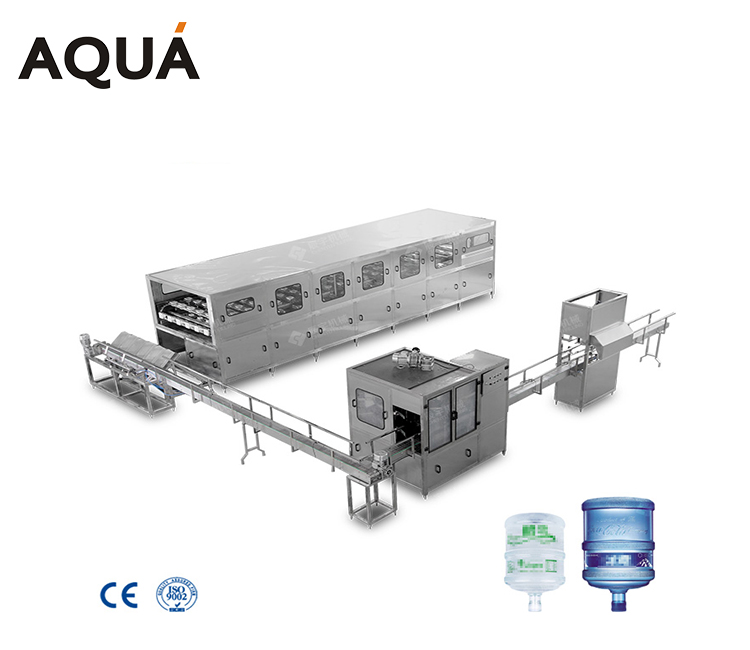
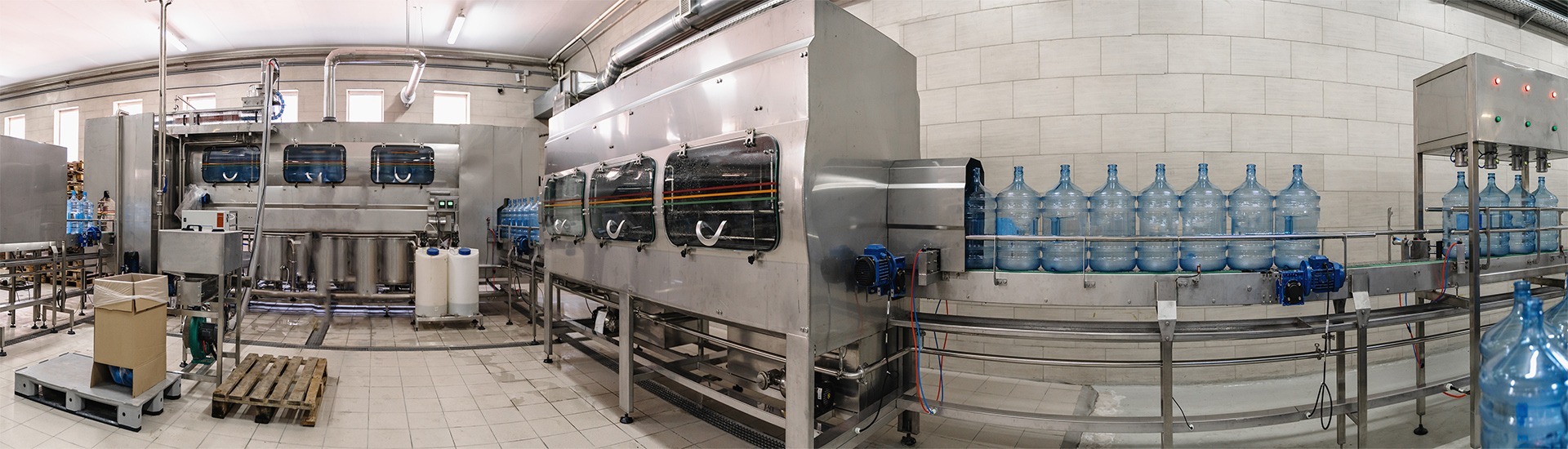
Automatic 5 Gallon Washing Machine / 19L Water Filling Machine
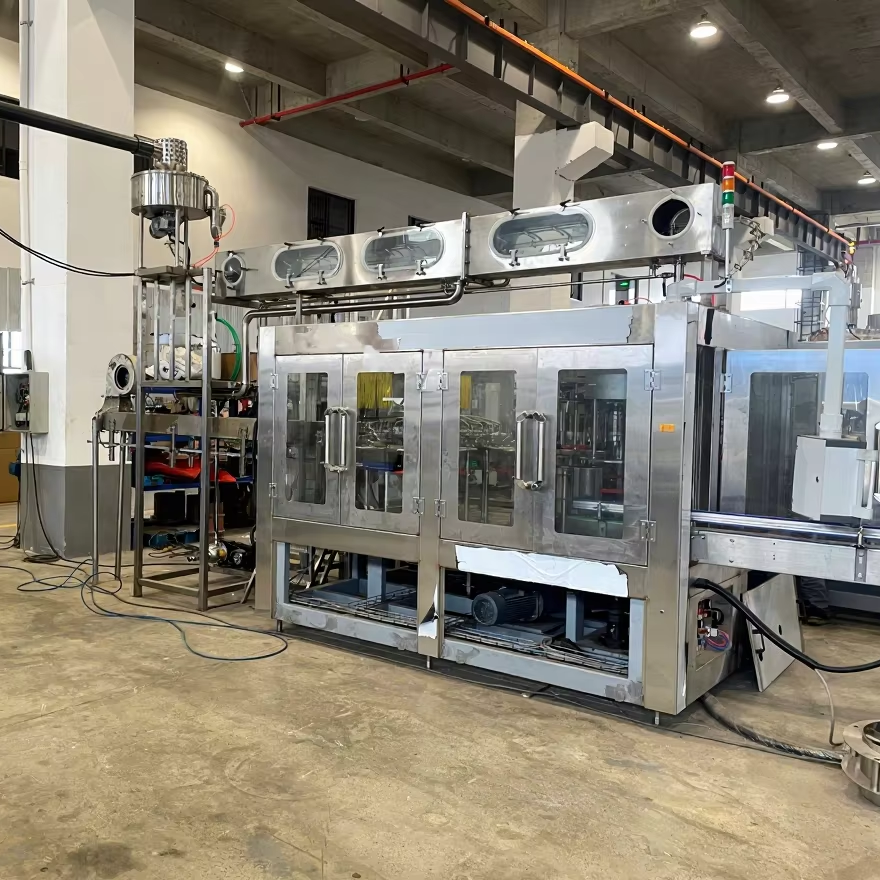
15000BPH Automatic Mineral Water Filling Machine & Capping System
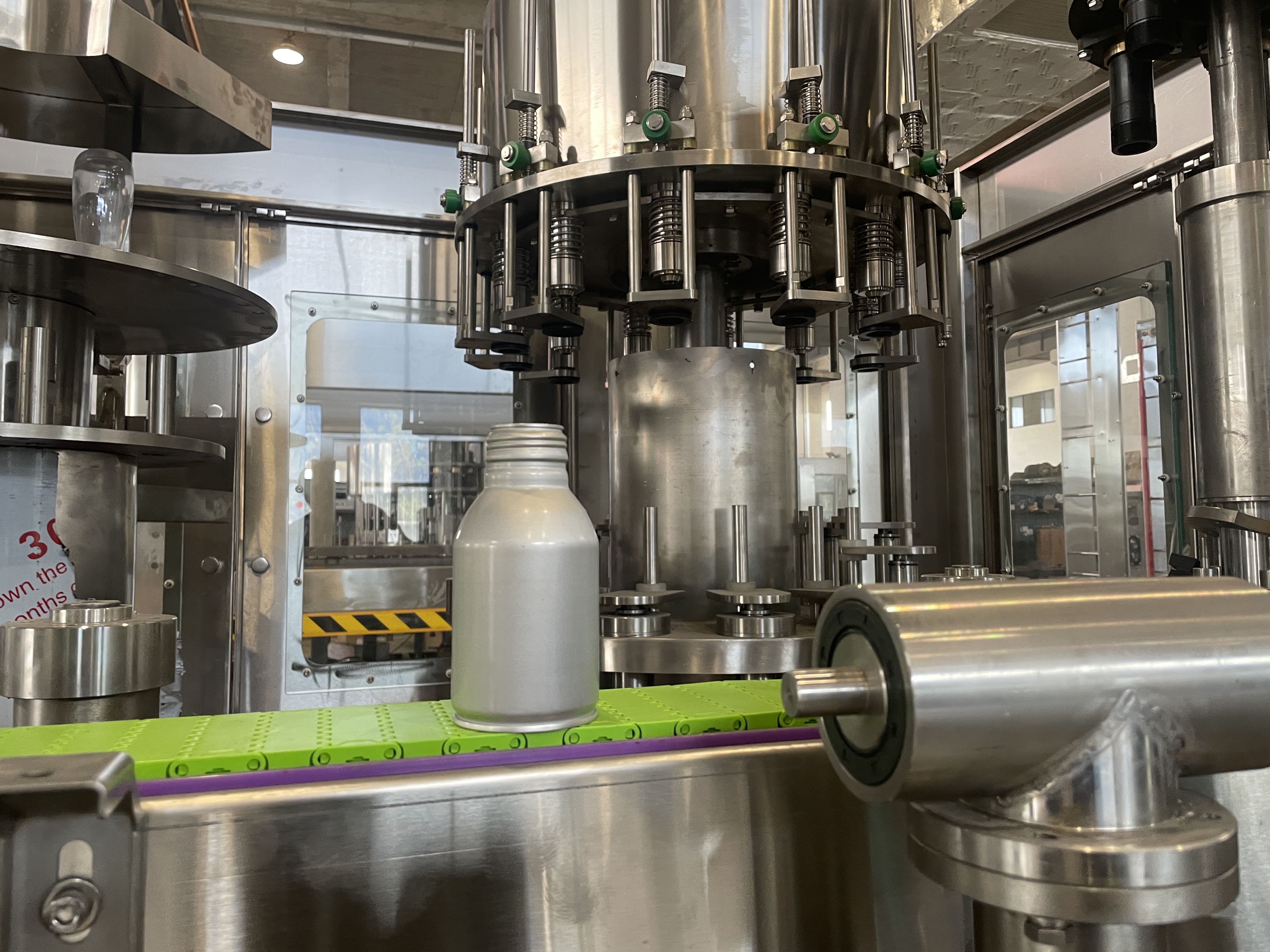
Aluminum Can Isobaric Beer Canning Equipment 2-in-1 Machine
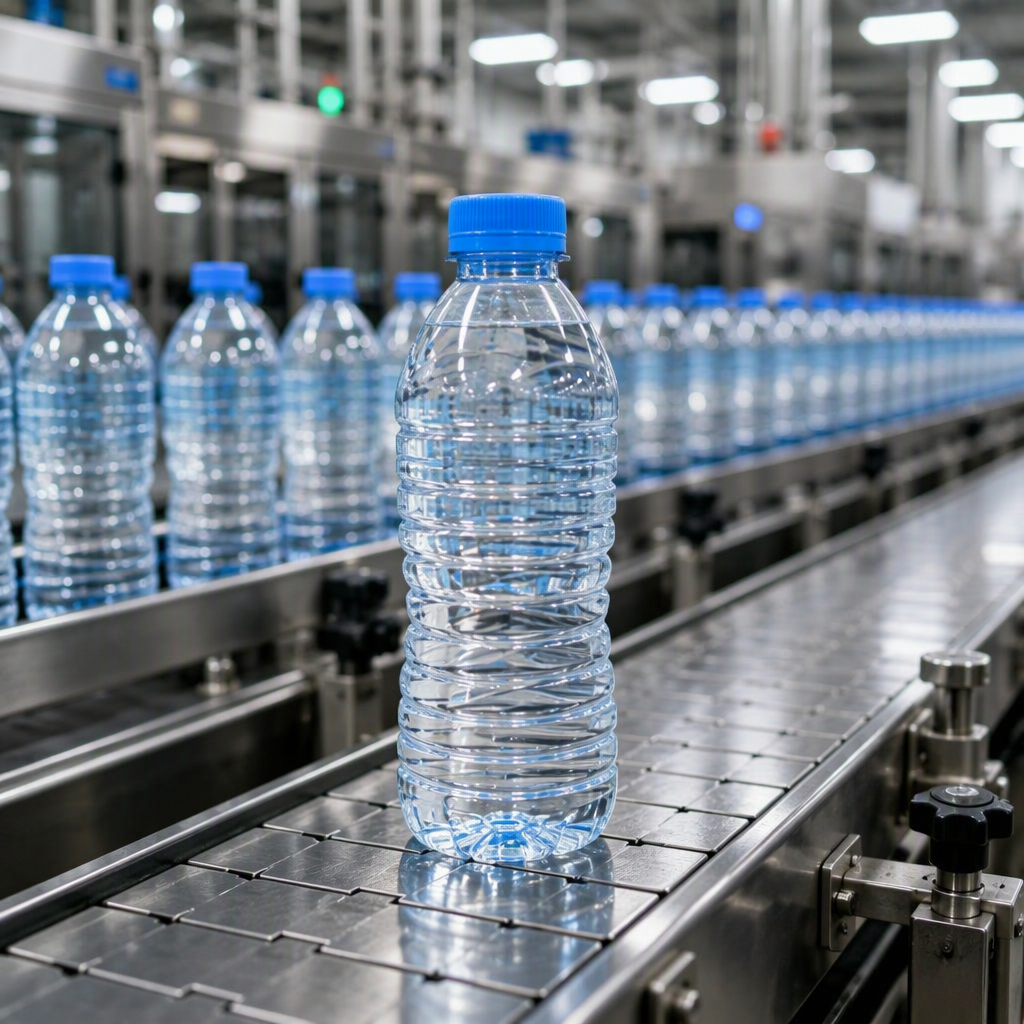
Automatic CGF 8-8-3 Bottling Washer Filler Capper Machine
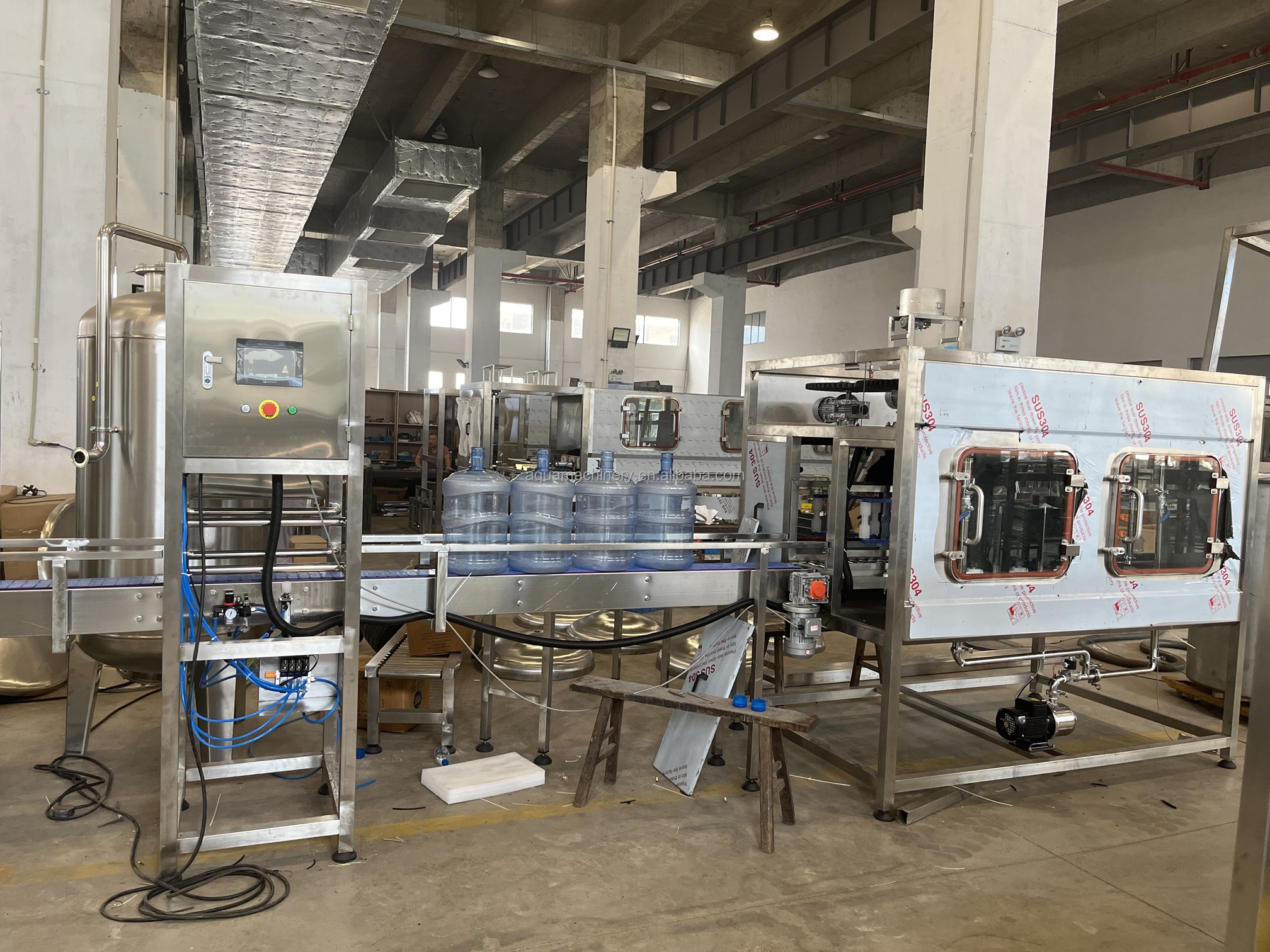
Automatic 300BPH 5 Gallon Water Bottling Plant with High Pressure Washer
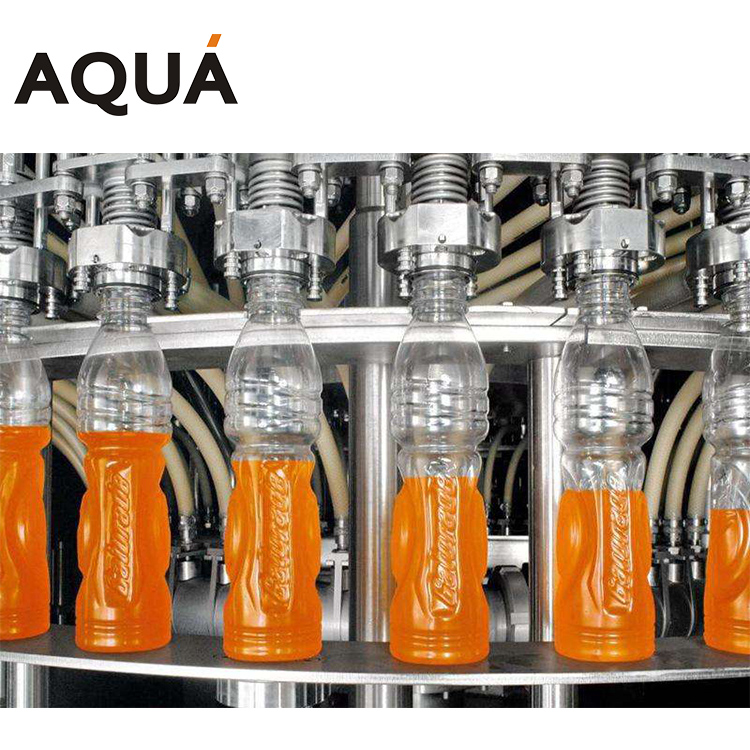
Automatic Juice Filling Machine for Glass Bottles & Concentrated Drinks
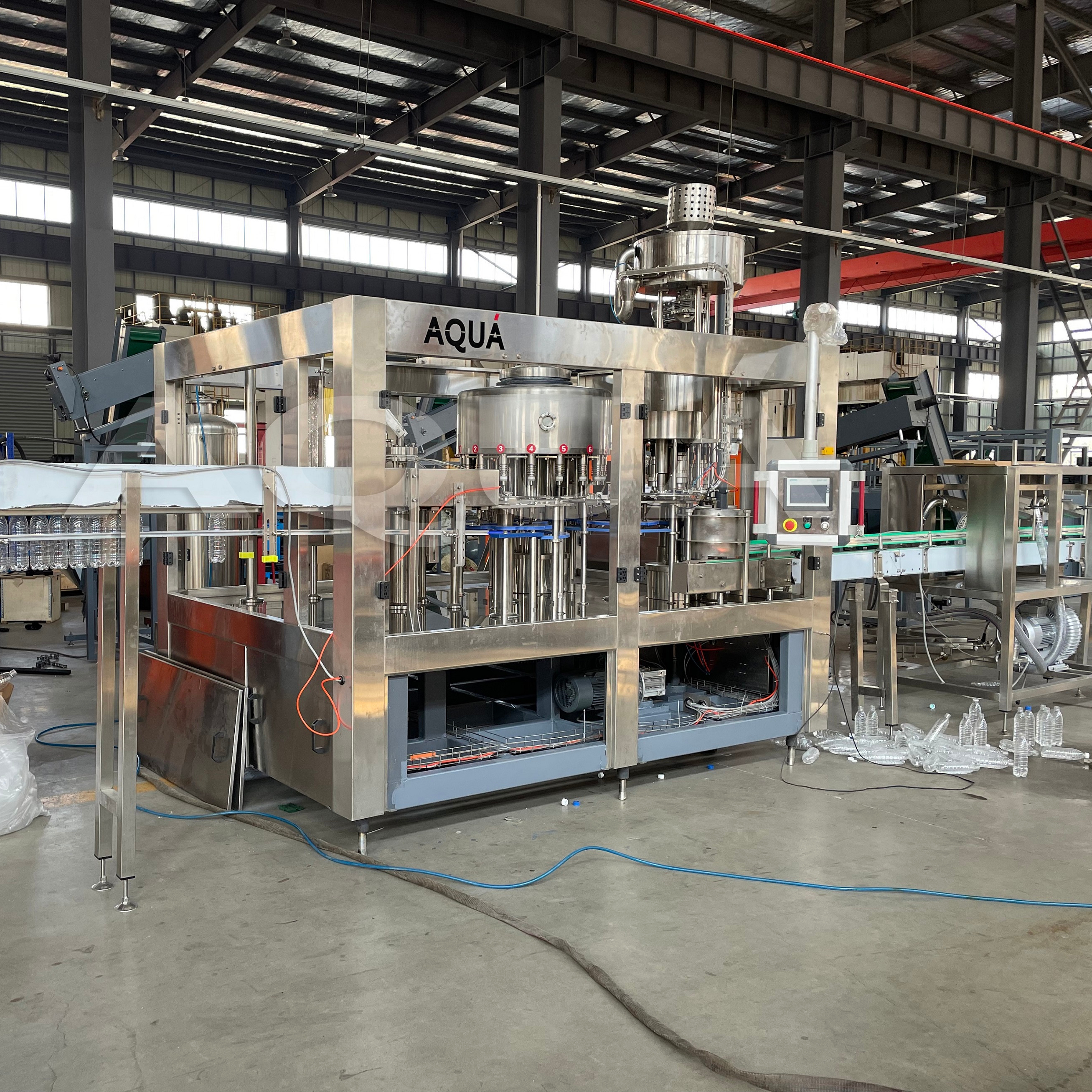
4000BPH Fully Automatic PET Bottle Water Washing, Filling & Capping Line
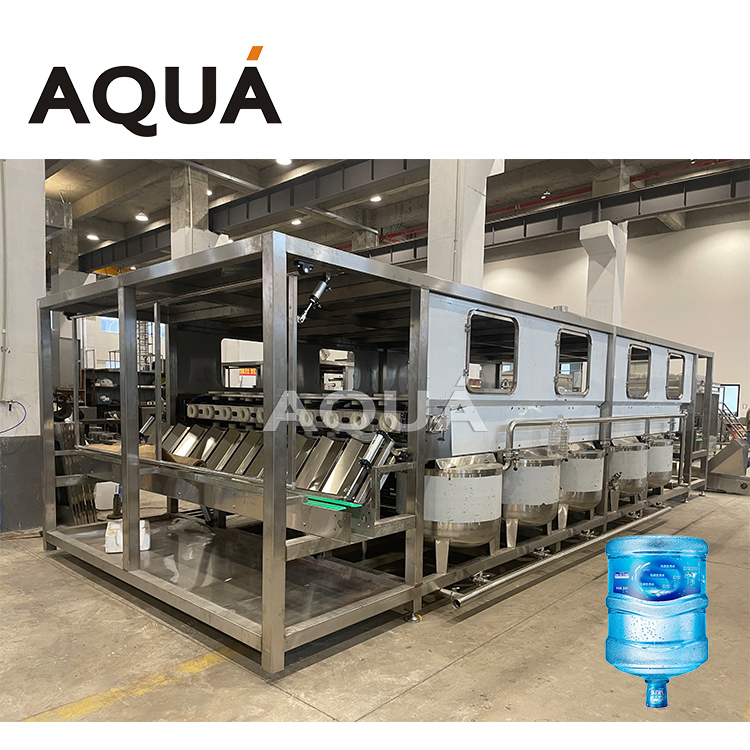
AQUA QGF 600 Complete Line for Automatic 5 Gallon Barrel Water
The Evolution of Aseptic Cold Filling Packaging Technology
As global consumers demand healthier beverages without synthetic preservatives, clean-label compliance, and original thermal-nutrient profiles, standard hot filling processes face technical limits. Aseptic cold filling technology represents the pinnacle of modern liquid packaging, delivering zero-preservative ambient shelf-life while dramatically reducing resin consumption and energy usage.
What is Aseptic Cold Filling Bottling Technology?
Aseptic cold filling involves sterilizing the product (liquid) and the container (PET bottle or glass bottle along with its closures) separately. The sterile beverage is then filled into the sterile container inside an enclosed sterile environment (Isolator Class 100 / ISO 5) at ambient room temperature (20°C–25°C), followed immediately by hermetic capping under sterile conditions.
Unlike traditional hot filling lines—which fill beverages at high temperatures (85°C–92°C) to utilize the product thermal state for internal container sterilization—aseptic cold filling eliminates prolonged heat stress on both beverage formulations and plastic preforms. This preserves delicate aromatic compounds, heat-sensitive vitamins (such as Vitamin C and B-complex), natural pigments, and clean flavor profiles.
Core Technical Modules of a Complete Aseptic Line
Preform & Bottle Sterilization
Decontaminates empty containers using Vaporized Hydrogen Peroxide (VHP) or Peracetic Acid (PAA) chemical sterilization, achieving a guaranteed 6-log reduction in fungal and bacterial spores.
Micro-Dosing & UHT Treatment
Ultra-High Temperature (UHT) tubular or plate heat exchangers heat liquid rapidly to 137°C–142°C for 4–6 seconds, followed by rapid vacuum cooling to protect organoleptic qualities.
ISO 5 Cleanroom Isolator
Positive-pressure (+25 to +40 Pa) aseptic zone with HEPA H14 air filtration, continuous laminar air flow, and automated chemical Vapor phase CIP/SIP decontamination cycles.
Non-Contact Flow Filling
Magnetic inductive or electromagnetic mass flowmeters ensure non-contact liquid filling into bottle mouths. Zero mechanical contact prevents cross-contamination risks.
Aseptic Cold Fill vs. Hot Fill vs. Retort Sterilization
A quantitative comparison of operational expenses (OPEX), container design flexibility, thermal degradation, and sustainability metrics for high-volume beverage manufacturers.
| Performance Dimension | Aseptic Cold Filling | Hot Filling (85°C–92°C) | Retort Autoclave Sterilization |
|---|---|---|---|
| Filling Temperature | Ambient (20°C – 25°C) | Thermal (85°C – 92°C) | Post-pack Heat (115°C – 121°C) |
| Bottle Weight (500ml PET) | Lightweight (13g – 16g) | Heavy Vacuum-Panels (24g – 28g) | Glass / Can Only (N/A for standard PET) |
| Preservative Requirement | Zero (Clean Label Compliant) | Often requires Benzoates / Sorbates | Zero Preservatives |
| Organoleptic / Taste Retention | Superior (Fresh Flavor Profile) | Moderate (Cooked Taste Potential) | High Degradation (Thermal Scorch) |
| PET Material Cost Reduction | Save up to 35% Resin Costs | Baseline Standard Cost | High Container Cost |
| Energy Consumption per 10k Units | 45% Lower Operational Energy | High Heating & Cooling Energy | Extreme Steam & Pressure Consumption |
| Cap Design & Closure Options | Standard Lightweight Screw Caps | Heat-Resistant Heavyweight Caps | Metal Crown / Double-Seam Cans |
Future Procurement & Technology Trends in Aseptic Packaging
Key technological shifts driving global procurement decisions for beverage producers, contract packers, and bottling enterprise investors over the next decade.
1. Dry Sterilization & Chemical Reduction
Traditional wet sterilizers require significant volumes of sterile water for chemical rinsing. Sourcing is transitioning rapidly to Dry Hydrogen Peroxide Gas Vapor and Electron Beam (E-Beam) preform sterilization, reducing wastewater output by up to 85%.
2. AI-Driven Adaptive Micro-Filling
Integration of real-time machine vision and AI algorithm controllers to auto-correct micro-filling levels, detect cap tilt, monitor isolator sterility integrity, and predict seal degradation before mechanical failure occurs.
3. Ultra-Lightweight PET Preforms
With bottle structural integrity no longer reliant on thermal vacuum resistance, procurement trends favor neck-finish downsizing (e.g., 26/22 ultra-short neck standards) and wall-thickness reduction down to 13g per 500ml container.
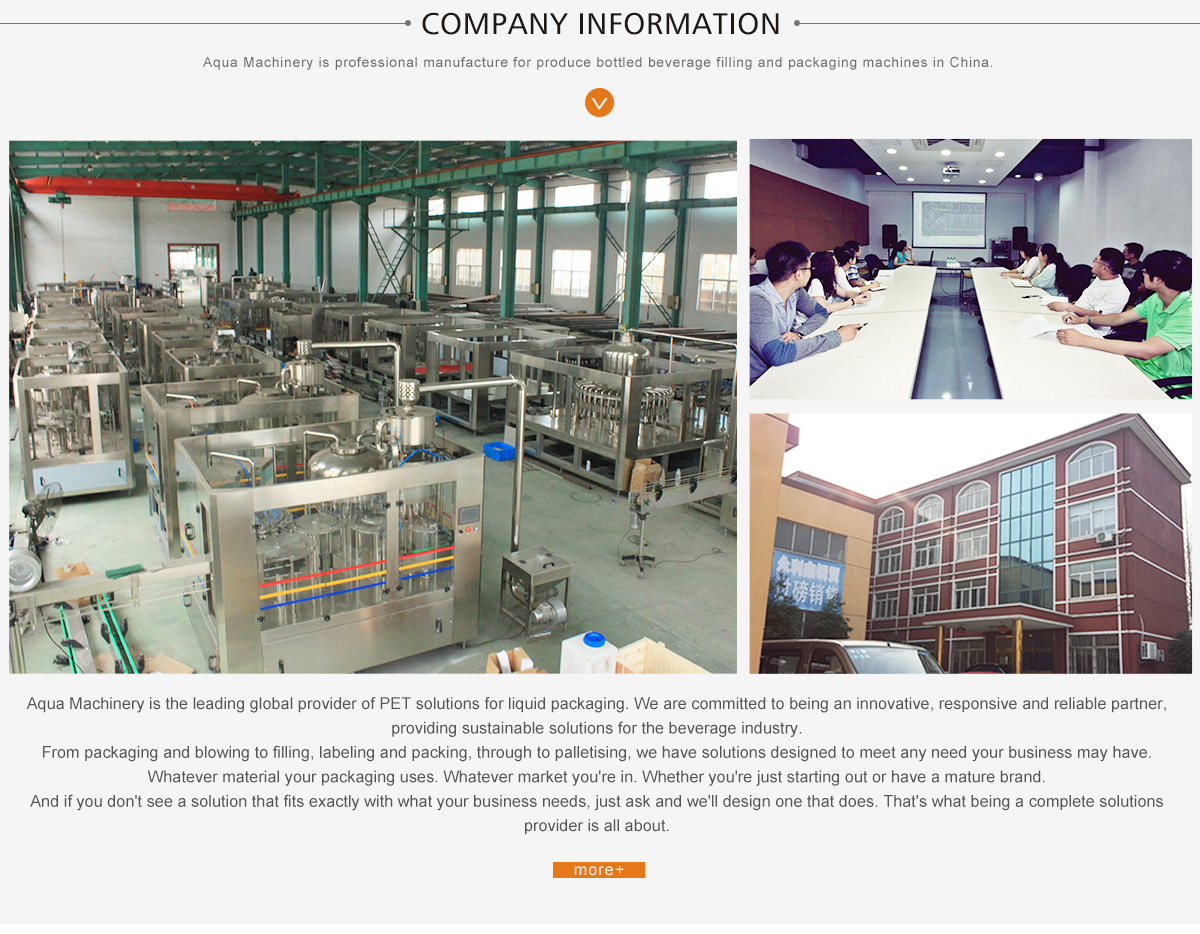
Zhangjiagang UJDI Machinery Co., Ltd. — Verified Manufacturing Excellence
Located in Zhangjiagang City, Jiangsu Province—China's global center of excellence for beverage machinery engineering—Zhangjiagang UJDI Machinery Co., Ltd. brings over 13 years of specialized turn-key installation experience in complete liquid packaging lines.
Frequently Asked Procurement Questions
In-depth technical answers addressing validation protocols, bottle compatibility, line capacity options, and global after-sales support.
What capacity range do your aseptic cold filling and water lines cover?
+
Can a single aseptic filling monoblock accommodate multiple bottle sizes and shapes?
+
What sterility validation protocols (IQ/OQ/PQ) do you provide for international compliance?
+
Which stainless steel grades and electrical component brands are utilized in construction?
+
What critical plant technical data is required to request a formal turnkey engineering proposal?
+
Do you deploy engineers on-site for installation, commissioning, and staff training?
+
Plan Your Bottling Plant Project With Our Engineering Team
Receive a customized turnkey line layout drawing, detailed equipment specification matrix, and competitive manufacturer quote within 24 hours.