State-of-the-Art Liquid Bottling & Packaging Lines
Explore our CE-certified monoblocks, water treatment systems, and high-speed filling solutions optimized for mineral water, CSD, craft beer, and thermal juice packaging.
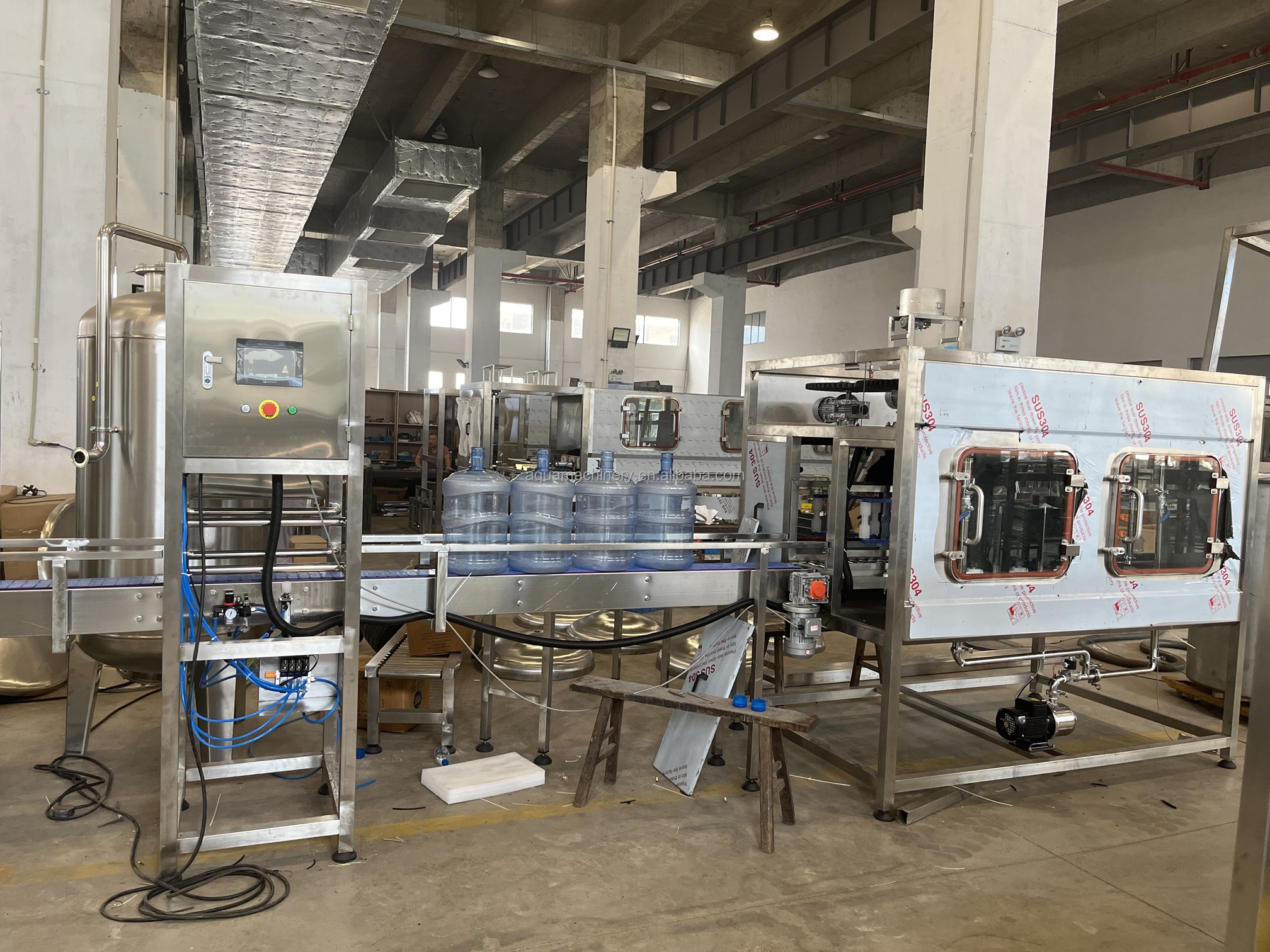
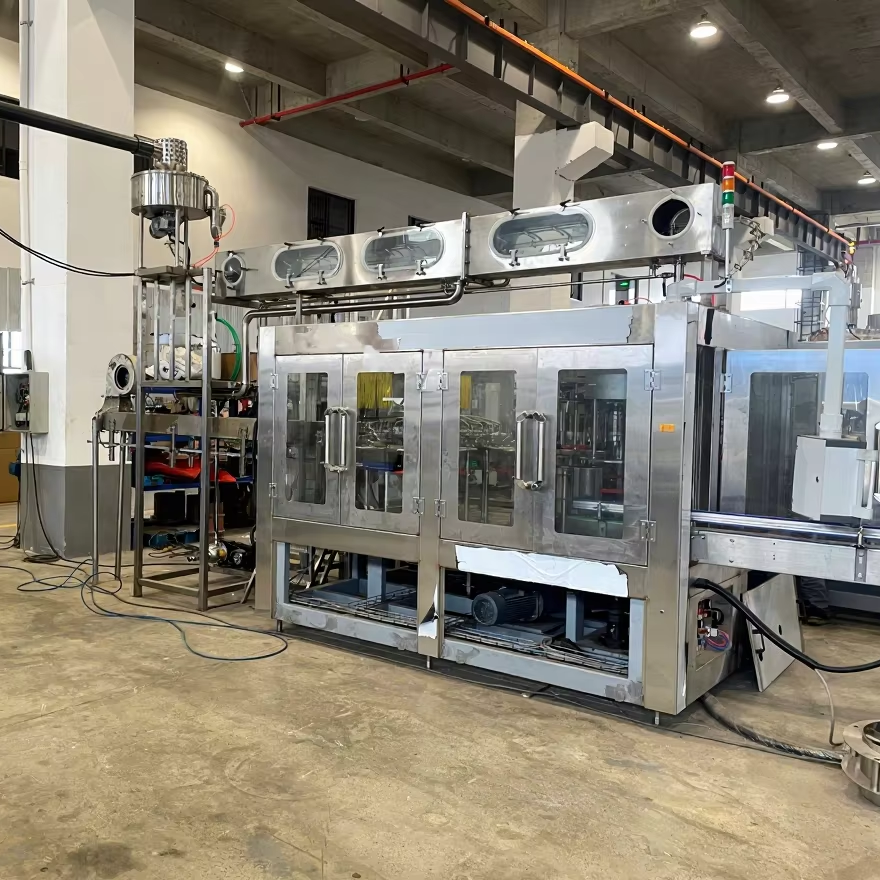
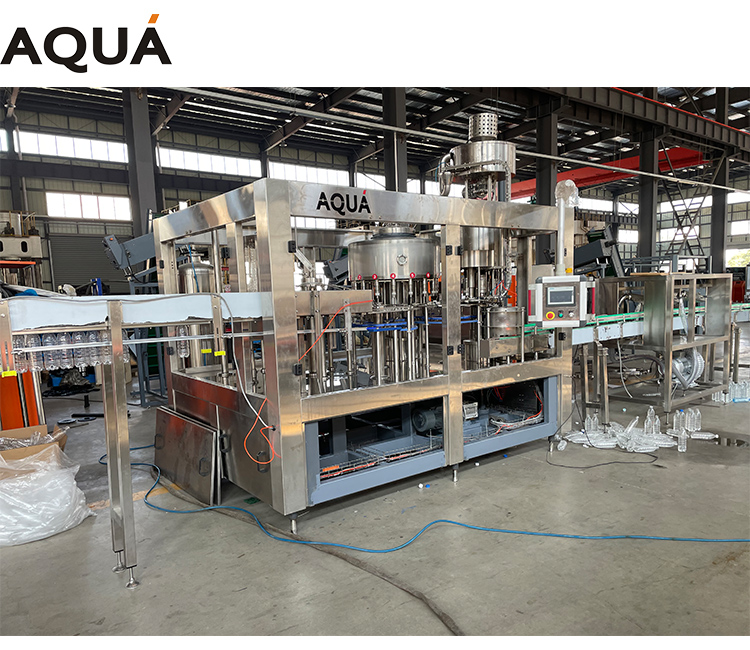
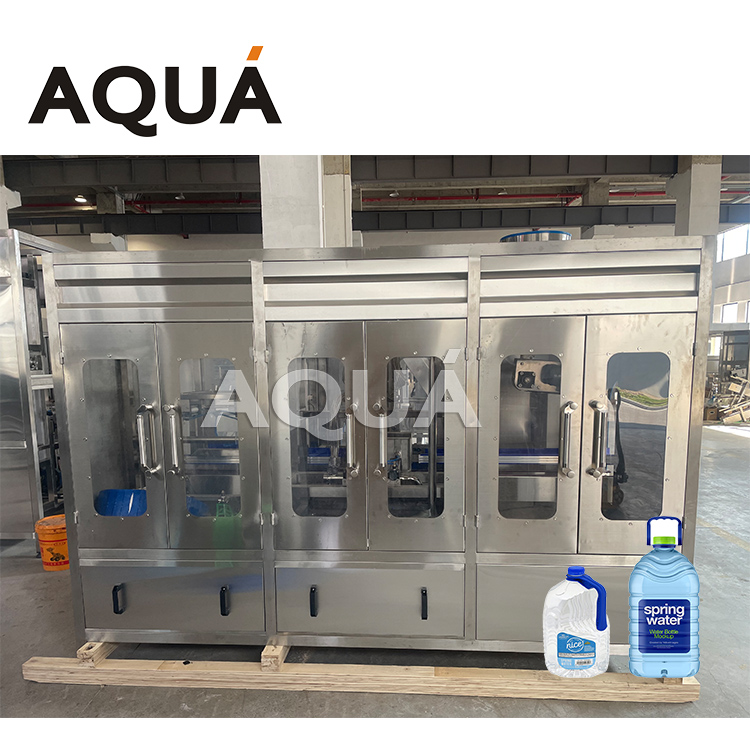
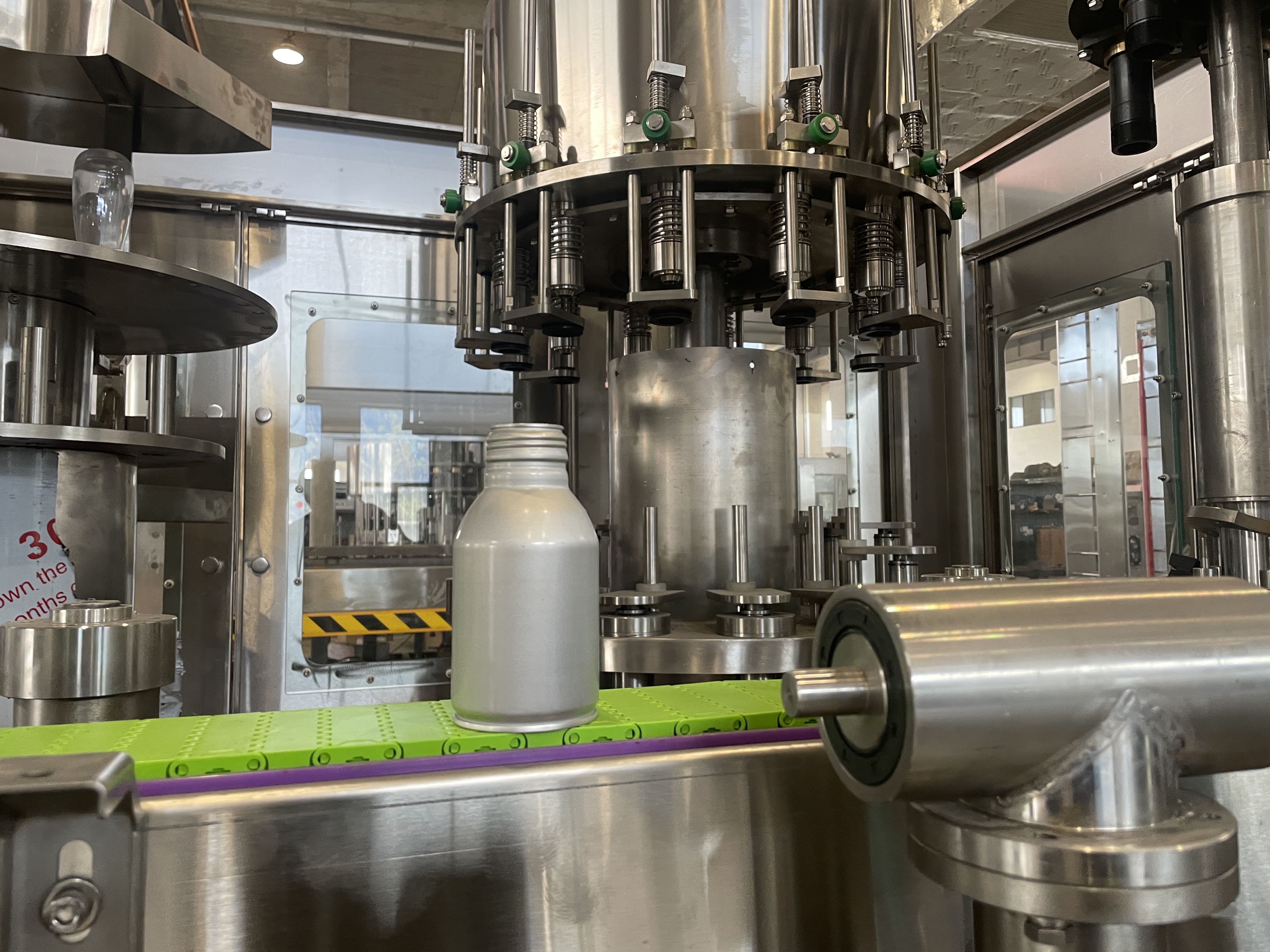
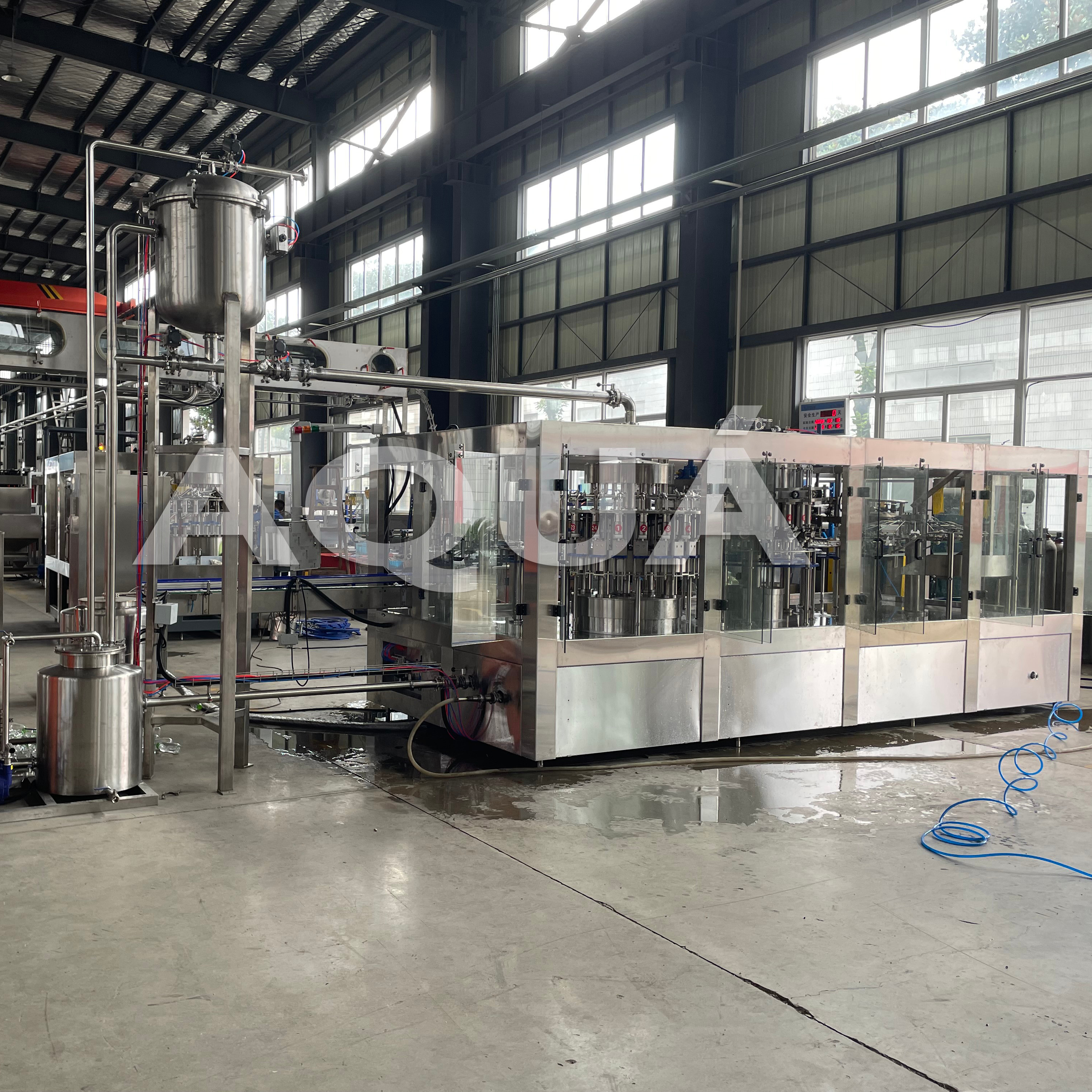
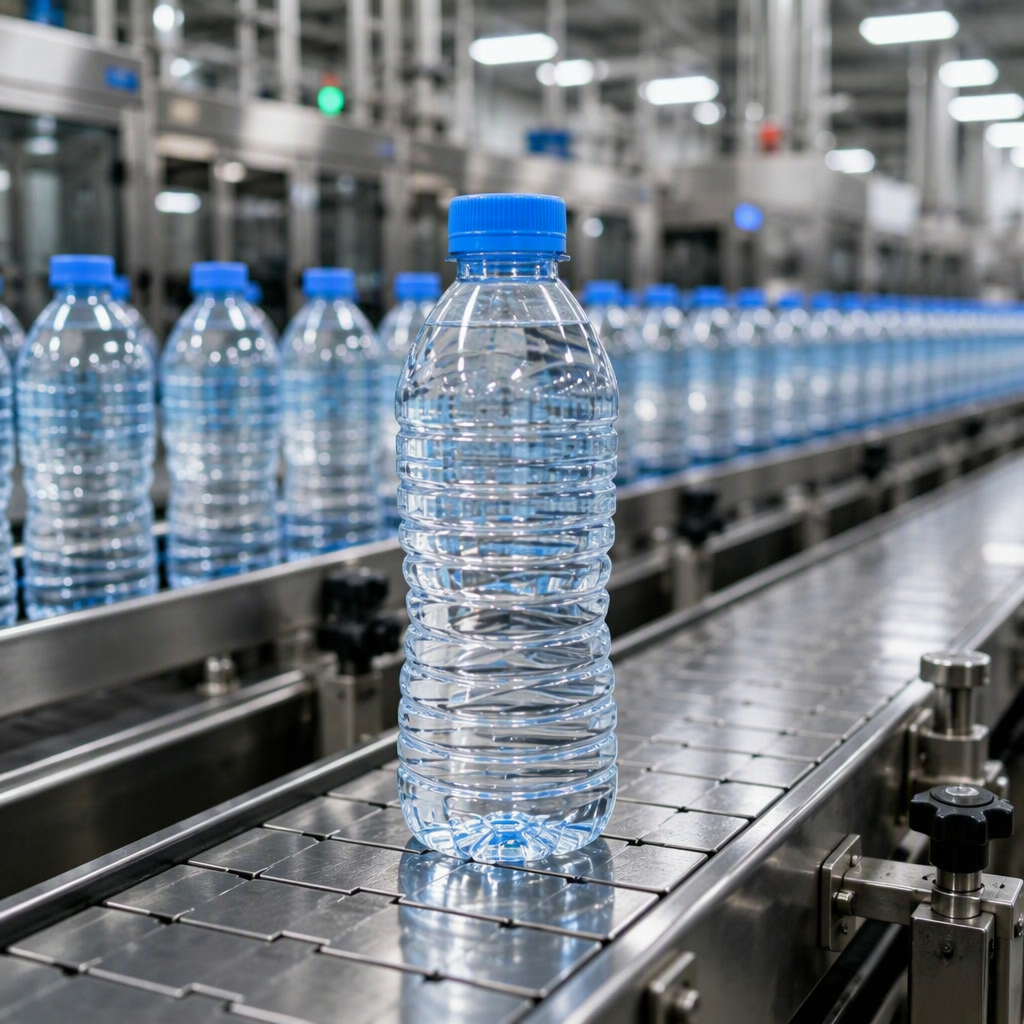
Enterprise Advantages & Factory Manufacturing Capabilities
Zhangjiagang UJDI Machinery Co., Ltd. combines rigorous European engineering standards with optimized total cost of ownership (TCO) for global beverage bottlers.
Intertek Assessed & CE Compliant
Our complete manufacturing plant is verified on-site by Intertek. All juice, water, CSD, and beer filling lines strictly adhere to European CE safety directives, featuring premium SUS304/316 contact surfaces.
Turnkey Synchronized Automation
From RO water purification and PET stretch blow molding to high-precision hot filling, sleeve labeling, laser coding, and PE film shrink packaging, we design integrated lines without line-bottlenecks.
Customized ODM & Modular Flexibility
Custom quick-change starwheels allow multi-size container switching (200ml to 2L PET, glass, aluminum cans) with minimal downtime. Customized PLC interfaces available in English, Spanish, French, and Russian.
Engineering Whitepaper: Technical Specifications of Juice Packaging Machinery
Juice packaging represents one of the most demanding disciplines in liquid filling technology. Unlike standard mineral water packaging, juice processing demands strict control over thermal dynamics, microbiological safety, viscous flow rate management, pulp integrity maintenance, and oxidation protection. Zhangjiagang UJDI Machinery Co., Ltd. designs CE certified juice hot filling and aseptic bottling machines that optimize quality preservation while extending shelf life without adding chemical preservatives.
Key Engineering Paradigm: Maintaining a steady 85°C–92°C hot-fill temperature threshold prevents micro-bacterial proliferation while protecting delicate organoleptic profiles, vitamin C retention, and natural fruit aromas.
1. Thermal Processing & Hot Filling Dynamics
Juice hot filling relies on thermal sterilization of the liquid product, filling valves, and container interior simultaneously. The juice is processed through a UHT (Ultra-High Temperature) plate or tubular pasteurizer, deaerated in a vacuum degassing unit to remove entrapped oxygen, and fed to the 3-in-1 rinsing-filling-capping monoblock at 85°C to 92°C.
During the filling sequence, thermal-resistant PET bottles (heat-set bottle design rated for up to 95°C) are filled under positive pressure or micro-negative gravity. To ensure full container sterilization, filled bottles immediately enter an inverted bottle tilting sterilizer unit. This station tilts the bottle by 90° for 15 to 30 seconds, allowing the hot liquid to sanitize the neck interior and cap underside before entering the multi-stage tunnel cooling shower.
2. Viscosity Management & Pulp Suspensions
Fruit juices containing pulp particulates (orange sacs, aloe vera gel, coconut bits, or fruit fibers) introduce complex non-Newtonian flow behaviors. Standard gravity valves cause pulp settling, clogging, or uneven particulate distribution across bottles.
UJDI Machinery incorporates Piston-Driven or Electromagnetic Flowmeter Filling Valves with mechanical agitators inside the product balance tank. These valves feature non-drip pneumatic cut-off nozzles that prevent stringing, preserve pulp structure without shearing, and deliver volume accuracies within ±0.2%.
3. Clean-in-Place (CIP) & Sterile Hygiene Standards
Microbiological integrity is non-negotiable in commercial juice production. Every UJDI juice hot filling monoblock is equipped with a full CIP automatic cleaning station featuring fake cup mechanisms. During CIP cycles, automated pneumatic actuators flip stainless steel cups over the filling nozzles, establishing a closed-loop circulation system for acid washing, lye sanitization, and sterile water rinsing at high flow velocity.
Technical Procurement Matrix: Juice & Beverage Filling Technologies
Comparing thermal regimes, filling valve mechanisms, container compatibility, and hygienic performance across major beverage packaging choices:
| Packaging Technology | Filling Temperature | Valve Mechanism | Suitable Products | Hygienic Rating | Typical Shelf Life |
|---|---|---|---|---|---|
| Hot Filling Monoblock | 85°C - 92°C | Micro-negative Gravity / Flowmeter | Fruit Juices, Nectars, Teas, Isotonic Drinks | Ultra-Clean Class 100 | 9 - 12 Months (No Preservatives) |
| Aseptic Cold Filling | 20°C - 25°C | Non-Contact Magnetic Flowmeter / Weighing | Sensitive Juices, Dairy-Juice Blends, Smoothies | Isolator Aseptic Class 10 | 12+ Months (Ambient Distribution) |
| Isobaric Counter-Pressure | 2°C - 4°C | Mechanical / Pneumatic Isobaric Valve | Carbonated Soft Drinks, Sparkling Juices, Beer | Standard Sanitary CIP | 6 - 12 Months |
| Piston Viscous Filling | Ambient to 60°C | Servo-Driven Volumetric Piston Valve | Juice Concentrates, Jam, Purees, Edible Oils | Sanitary Food-Grade | 12 - 24 Months |
Future Procurement Trends in Juice Packaging Equipment
As consumer preferences shift toward natural ingredients, reduced sugar, clean labels, and sustainable packaging, liquid packaging lines are evolving rapidly. Industrial procurement managers must consider several macro trends when selecting factory equipment:
- Lightweighting & rPET Integration: Rising resin costs driving the adoption of 100% recycled PET (rPET) preforms and ultra-lightweight neck designs without compromising thermal collapse resistance during hot fill cooling.
- Energy Recovery & Water Recycling: Advanced UHT pasteurizer heat exchangers recover up to 88% of thermal energy, while cooling tunnel water is filtered and recirculated to lower utility costs (TCO).
- Smart Automation & Industry 4.0: Integration of Siemens S7-1500 PLC architecture, IO-Link diagnostic sensors, and real-time OEE (Overall Equipment Effectiveness) dashboards enabling predictive maintenance and remote troubleshooting.
- Flexible Multi-Beverage Lines: Bottlers demand equipment capable of switching between mineral water micro-gravity filling, carbonated isobaric filling, and juice hot filling on a unified footprint with fast changeover parts.
Future Technology Development Trends in Bottling Machinery
The next decade of juice packaging technology will be defined by Blow-Fill-Seal (Combiblock) Integration. By linking the PET stretch blow molding machine directly with the thermal filler in a cleanroom enclosure, plants eliminate air conveyor storage, reduce electrical consumption by 25%, minimize contamination risk, and shrink the factory footprint by up to 35%.
Juice Packaging Machinery Procurement FAQ
Detailed technical answers addressing common engineering, operational, and commercial questions for juice bottling plant investments.
Request a Customized Juice Packaging Line Proposal
Partner with an Intertek-assessed engineering manufacturer. Share your bottle drawings, liquid product characteristics, target hourly output, and plant footprint to receive a complete technical quotation and factory layout drawing.