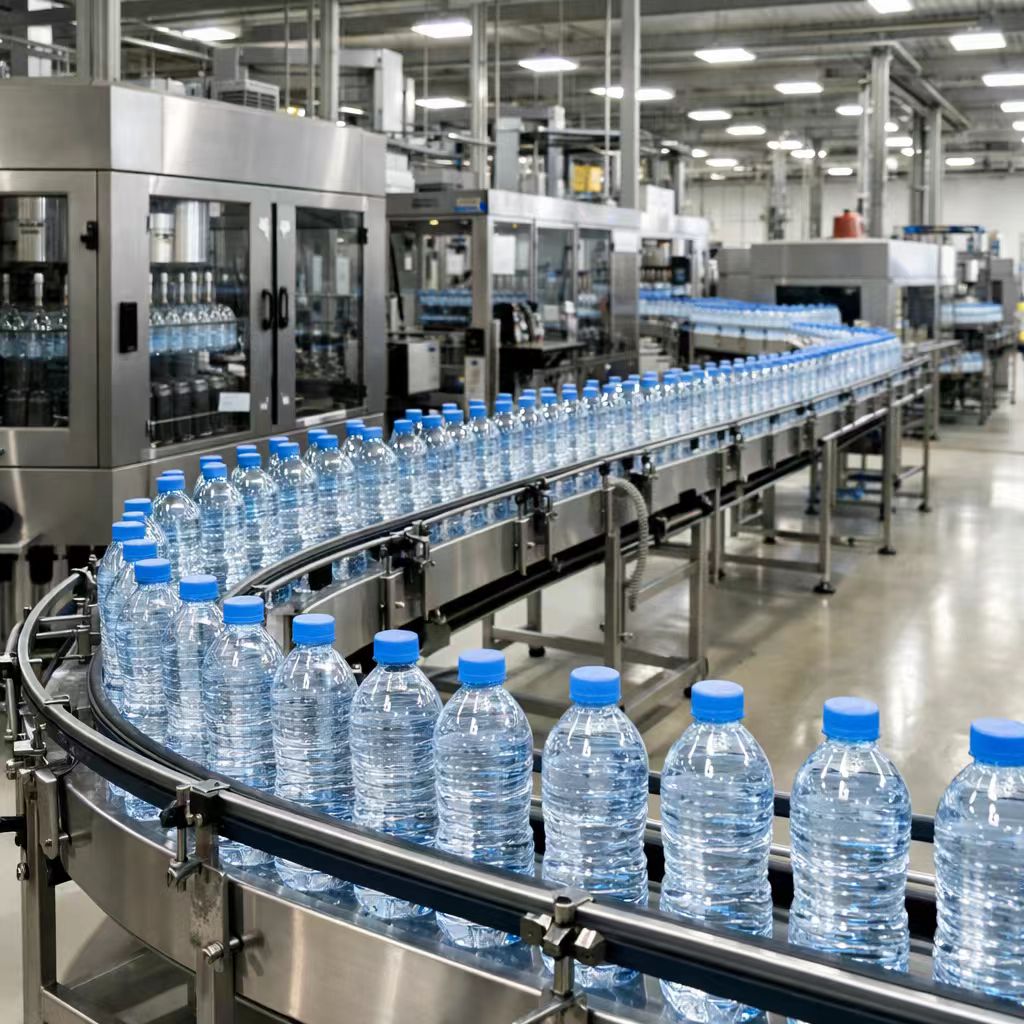
 4,000 BPH
CE
Machinery Portfolio
Standard & Custom Beverage Packaging Solutions
Explore our turnkey automated processing lines, high-speed filling monoblocks, water treatment infrastructure, and specialized barrel/canning machinery manufactured to CE and ISO9001 standards.
4,000 BPH
CE
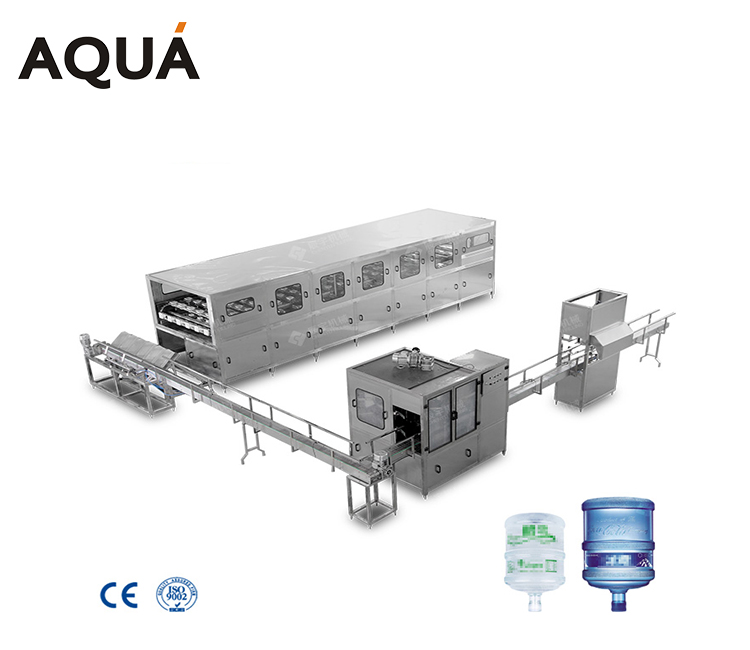 5 Gallon / 19L
CE
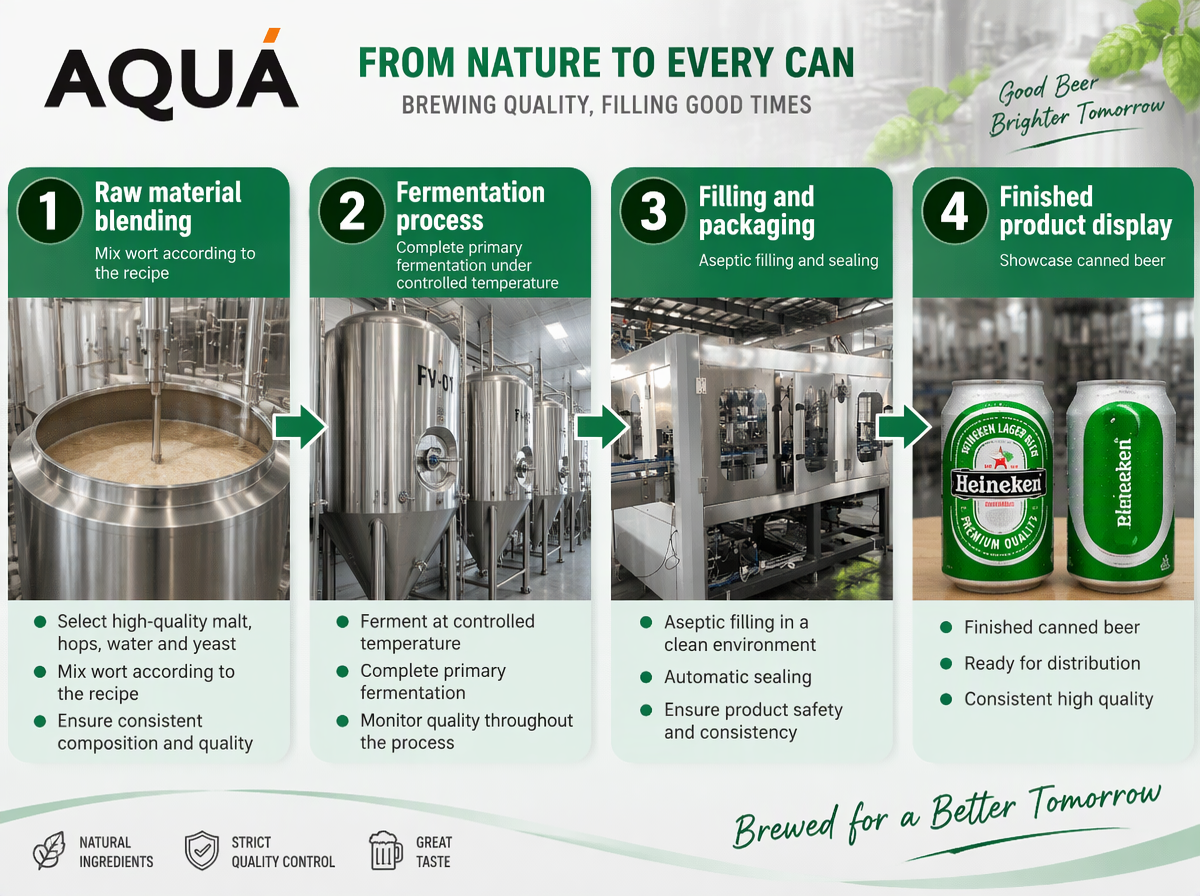 2,000 CPH
CE
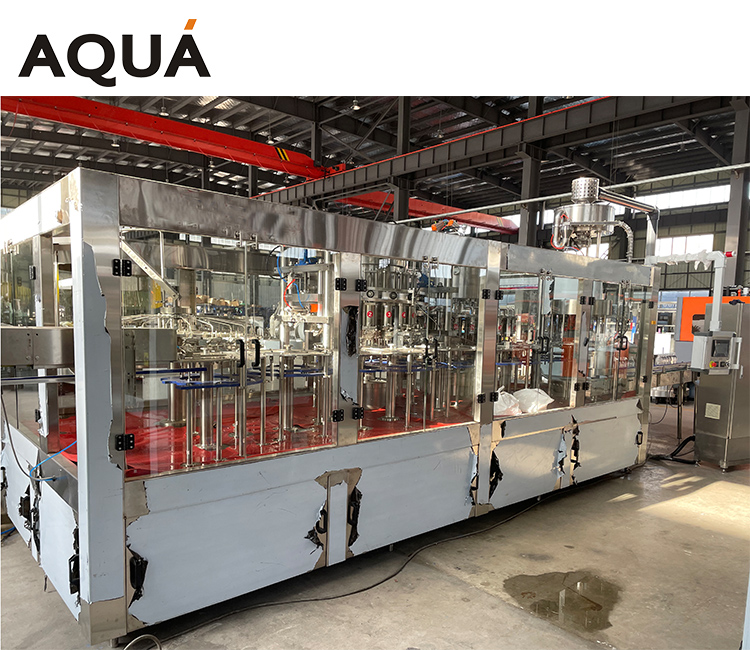 Hot Fill
CE
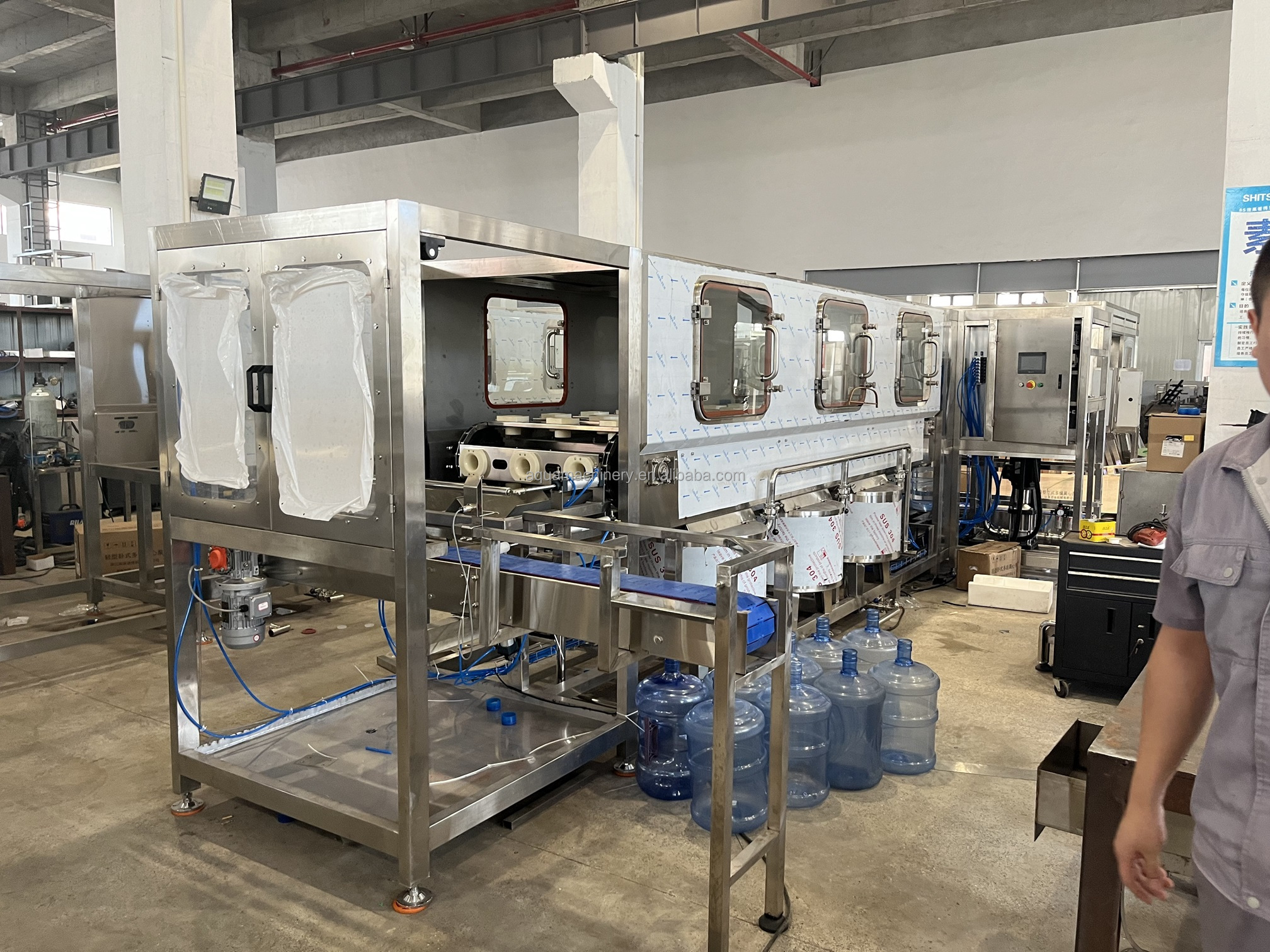 300-600 BPH
CE
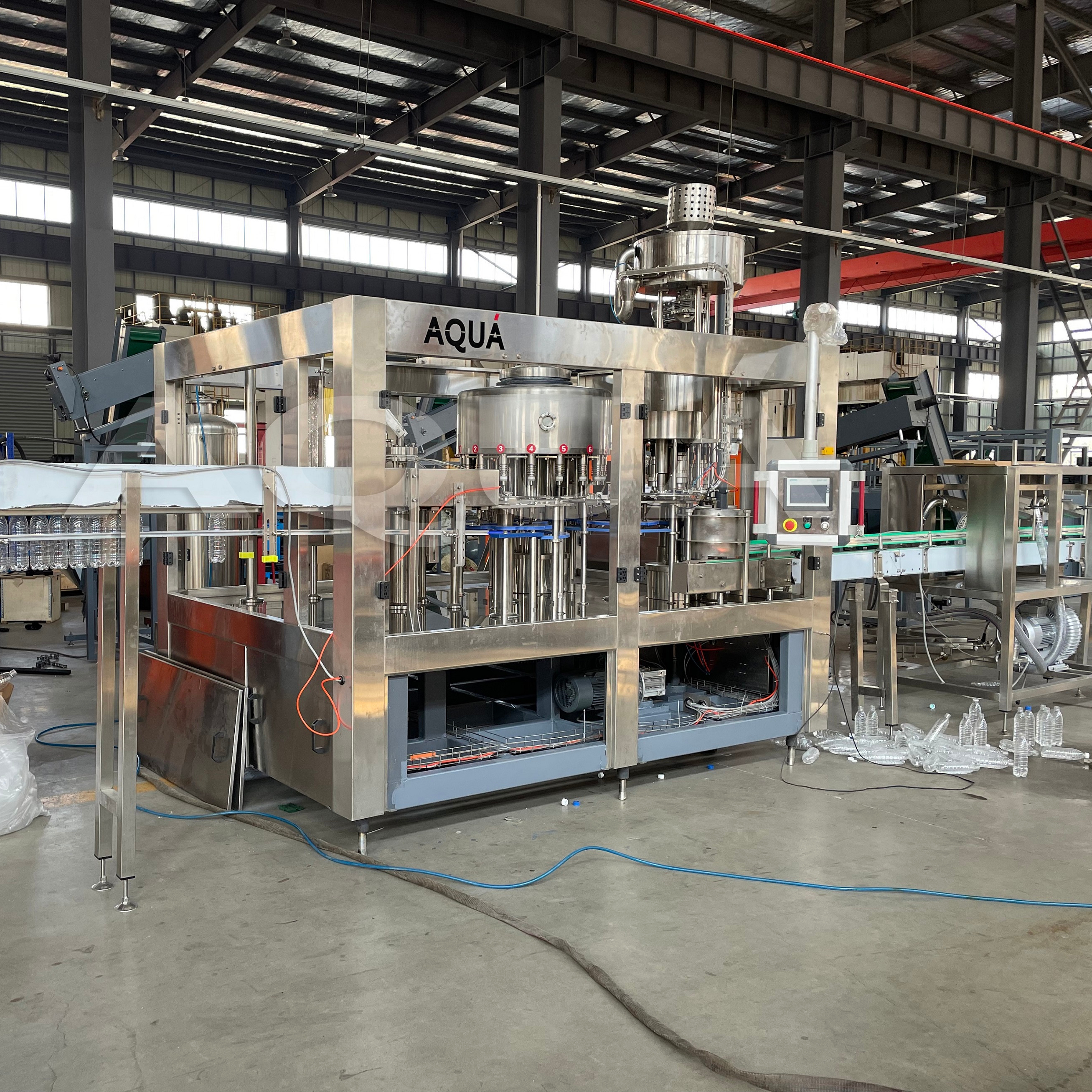 Turnkey PET
CE
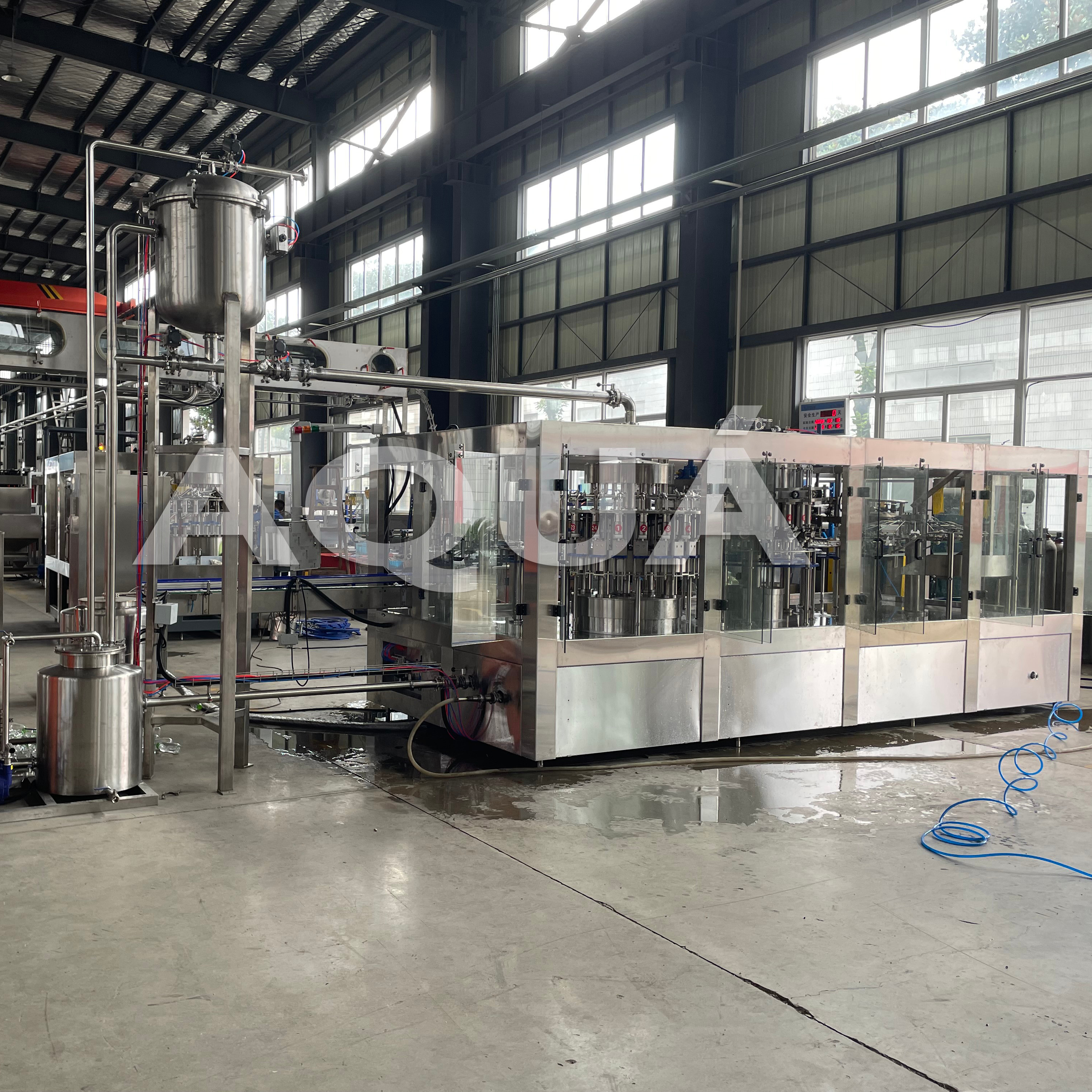 6000-8000 BPH
CE
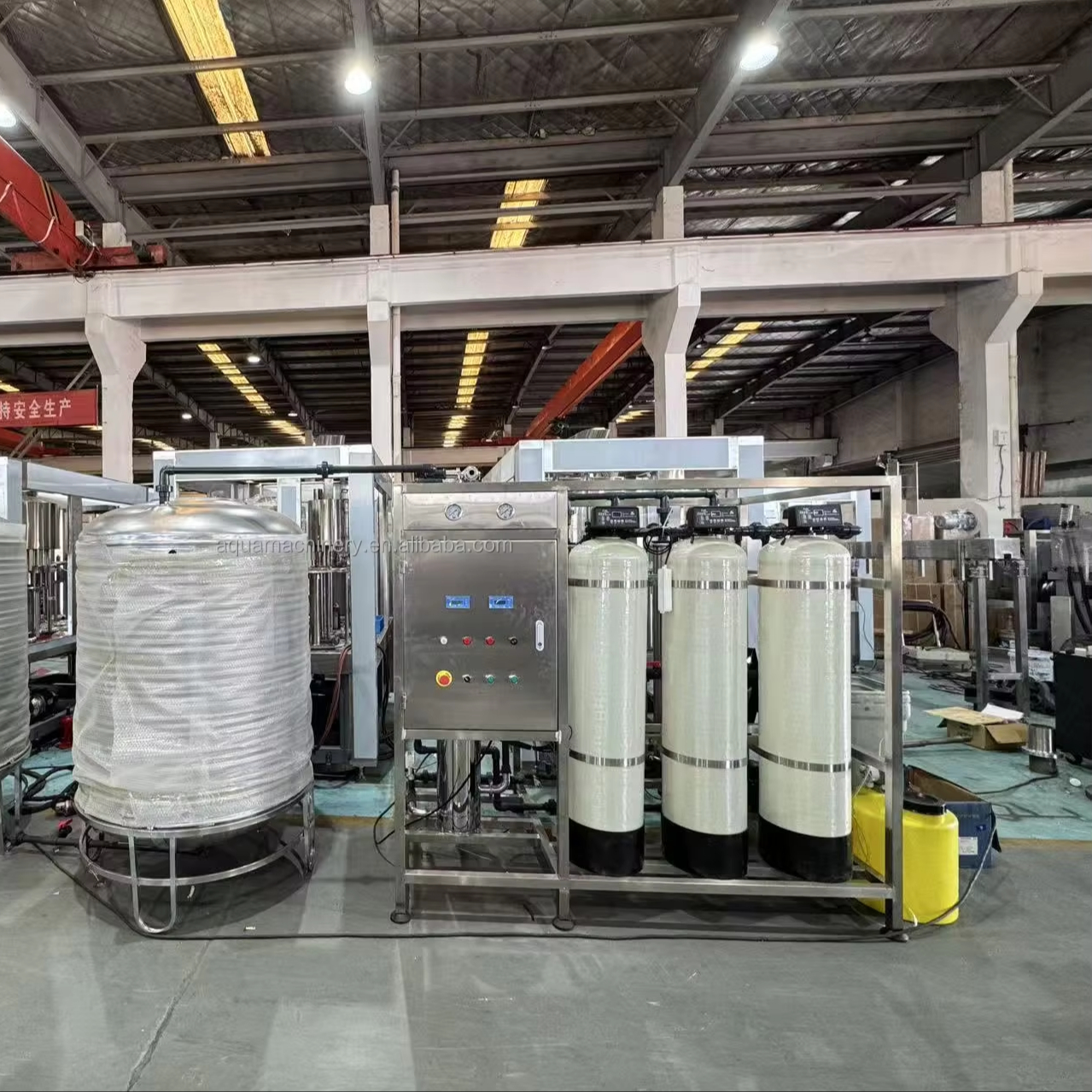 RO System
CE
< 30 ppb
Dissolved Oxygen (DO) Pickup via Under-Cover Gassing
99.8%
Double Seam Sealing Integrity Rate (ISO Metrology)
2k - 15k CPH
Scalable Operational Output Range (Sleek/Standard Cans)
100%
Sanitary Standard Food-Grade Stainless Steel (SUS304/316L)
Industrial Whitepaper: Engineering Next-Generation Automated Beverage Canning Lines
The global shift from traditional glass and rigid plastics toward aluminum beverage cans has transformed liquid packaging dynamics. Aluminum cans offer total light barrier protection, superior thermal conductivity, rapid chilling characteristics, 100% infinitely recyclable material profiles, and significantly reduced transport carbon footprints. However, transitioning liquid beverage packaging to aluminum containers presents unique mechanical and chemical challenges—demanding strict volumetric precision, controlled dissolved oxygen (DO) uptake, and flawless double-seam hermetic integrity.
As an established OEM/ODM leader and CE Certified Beverage Canning Line Manufacturer & Wholesaler based in Zhangjiagang, China, Zhangjiagang UJDI Machinery Co., Ltd. designs, fabricates, and integrates turnkey beverage packaging lines. From raw water treatment reverse osmosis (RO) systems to automated rotary filling/seaming monoblocks, labeling machines, and end-of-line shrink packaging, our engineering solutions empower commercial drink producers to maximize Overall Equipment Effectiveness (OEE) while maintaining uncompromising microbiological safety.
Key Takeaway for Plant Engineers: Operational success in beverage canning is governed by two critical control parameters: minimizing Dissolved Oxygen (DO) pick-up during the filling phase and maintaining precise double-seam dimensional tolerances (Countersink, Overlap, and Seam Thickness) at high mechanical speeds.
1. Isobaric Counter-Pressure vs. Atmospheric Mechanical Filling Systems
Liquid beverages react differently during volumetric filling depending on dissolved carbon dioxide (CO₂) saturation, viscosity, and temperature sensitivity. Packaging plants must select the appropriate filling valve architecture tailored to product rheology:
Isobaric Counter-Pressure
Designed for Carbonated Soft Drinks (CSD), sparkling waters, beer, cider, and carbonated RTD cocktails. The filling bowl equalizes pressure with the internal atmosphere of the can before opening the liquid valve, preventing CO₂ off-gassing, turbulent foaming, and volumetric variations.
Atmospheric Gravity Filling
Engineered for non-carbonated mineral water, still purées, functional electrolyte beverages, and cold-brew teas. Gravity-assisted mechanical valves ensure smooth flow rates, low shear strain, and rapid clean-in-place (CIP) turnaround times without complex pressurization manifolds.
Hot-Fill Thermal Systems
Utilized for natural fruit juices, high-pulp nectars, and tea formulations requiring thermal pasteurization at 85°C–92°C. Maintains elevated temperatures throughout the liquid circuit, utilizing return-flow recirculation valves to prevent thermal dissipation and bacterial growth.
2. Technical Specifications of UJDI Standard Canning Monoblocks
Our automated canning line monoblocks seamlessly combine container rinsing, filling, and lid double-seaming onto a single rigid mechanical base plate. This compact footprints minimizes footprint requirements and eliminates inter-machine handling risks.
| Performance Metric | 2,000 CPH Monoblock | 4,000–6,000 CPH Line | 10,000–15,000 CPH High-Speed |
|---|---|---|---|
| Filling Heads / Seam Rolls | 4 Filler / 1 Seamer (4-1) | 12 Filler / 2 Seamer (12-2) | 24-36 Filler / 4-6 Seamer Monoblock |
| Can Compatibility | Standard 330ml / 500ml (202 / 204 lid) | Sleek 250ml / 355ml / Standard 500ml | Universal Change Parts (Sleek, Slim, Standard) |
| Dissolved Oxygen Pick-up | < 45 ppb | < 30 ppb | < 15–20 ppb (Ultra-clean dual flush) |
| Seaming Standard Compliance | Double Seam Inspection Standard | ISO / Craft Brewers Guild Rules | Continuous Automatic Optical Inspection |
| Main Power & Controls | Siemens S7-1200 / Schneider VFD | Siemens S7-1500 / HMI Touchscreen | Full Servo-Driven / EtherCAT Motion Control |
| Sanitary Contact Alloy | SUS304 Stainless Steel | SUS304 / SUS316L (Liquid Contact) | SUS316L Electropolished Contact Parts |
3. Minimizing Dissolved Oxygen (DO) & Preserving Beverage Shelf-Life
Oxygen is the primary enemy of beverage shelf-life, causing rapid flavor degradation, color oxidation, loss of hop aromatics in craft beer, and nutrient destruction in fruit juices. UJDI canning machinery integrates advanced multi-stage oxygen management protocols:
A. Pre-Rinsing & CO₂ Purging: Before beverage injection, empty aluminum cans are inverted and jet-rinsed with sterile water or ionized air. Simultaneously, an integrated gas lance injects food-grade CO₂ to purge ambient air from the container interior.
B. Under-Cover Liquid Nitrogen / CO₂ Gassing (UCG): Immediately following the filling valve closure and prior to lid placement, a high-velocity under-cover gassing hood displaces oxygen trapped in the headspace. For non-carbonated beverages, precise micro-dosing of liquid nitrogen is injected into the headspace. The nitrogen vaporizes rapidly, expanding by roughly 700 times its liquid volume to expel remaining air while creating rigid internal container pressure essential for stacking strength in lightweight cans.
C. Mechanical Bubble Bubble-Up (Fobbing): In craft beer canning, a fine ultrasonic water jet or controlled CO₂ jet strikes the top layer of beer right before seaming, forcing a micro-foam layer (fob) to rise up and displace all residual oxygen gas inside the lid interface.
Market Intelligence
Future Procurement Trends in Beverage Canning Equipment
Stay ahead of industry shifts. Strategic insights for plant managers, operations managers, and beverage entrepreneurs planning equipment capital expenditures over the next 3 to 5 years.
1. Rapid Changeover & Multi-Format Flexibility
Modern beverage brands no longer rely on single product SKUs. Winning bottling lines must handle multi-can geometry transitions—switching between Standard (202 body), Sleek (204 body), and Slim profiles within 30 minutes via quick-release starwheels and toolless guide rails.
2. IoT Connectivity & Real-Time Seam Diagnostics
Procurement choices are heavily tilting toward smart machinery. Next-gen canning lines feature continuous online double-seam monitoring, vibration sensors on seaming spindles, automatic fill level optical rejection, and cloud-connected remote PLC diagnostics.
3. Sustainable Eco-Design & Resource Efficiency
Energy and utility costs are paramount. European and American buyers prioritize equipment with reduced compressed air usage, closed-loop CIP water recirculation, frequency-controlled vacuum pumps, and energy-efficient servo drives to minimize operational carbon intensity.
Why Partner with Zhangjiagang UJDI Machinery Co., Ltd.?
Located in Zhangjiagang City, Jiangsu Province—China's premier manufacturing industrial cluster for beverage packaging machinery—Zhangjiagang UJDI Machinery Co., Ltd. represents over 13 years of engineering refinement, overseas export leadership, and technical innovation.
CE & Intertek Assessed
Our complete beverage processing and packaging systems adhere to European Union CE Directives (Machine Safety 2006/42/EC). We are audited on-site by international inspection agency Intertek for manufacturing quality control.
10+ Years Export Experience
With equipment deployed across North America, South America, Europe, the Middle East, Southeast Asia, and Africa, UJDI handles custom voltage adaptation (e.g., 220V/380V/415V/460V 3-Phase), overseas engineer dispatch, and international freight logistics.
Turnkey Project Scope
We deliver integrated solutions: Water Treatment Plants (RO/UF) -> Syrup Dissolving & Mixing Carbonation Systems -> Can Washing/Filling/Seaming Monoblocks -> Tunnel Pasteurizer -> Date Coding -> Shrink Sleeve Labeler -> Film Wrapping.
Full Quality Assurance Guarantee: Every machine undergoes rigorous Factory Acceptance Testing (FAT) with client-supplied cans and liquid formulations before export packaging. We conduct 72-hour continuous trial runs to ensure zero defect rates prior to shipment.
Buyer Guidance
Frequently Asked Questions (FAQ) for Beverage Canning Procurement
Comprehensive answers compiled by UJDI senior project engineers to assist beverage manufacturers during equipment selection and plant layout design.
What production capacity options are available for UJDI canning lines? +
Our automated beverage canning monoblocks range from compact craft craft-scale systems operating at 1,000–2,000 CPH (Cans Per Hour) up to high-speed commercial production lines capable of 6,000–15,000 CPH. We engineer solutions matched to your exact hourly throughput target and plant floor dimensions.
Can a single UJDI canning machine run different can sizes (e.g., 250ml Sleek and 500ml Standard)? +
Yes. By providing modular change parts—such as customized starwheels, bottle-guide plates, height-adjustment motor lifts, and chuck assemblies—our monoblocks can seamlessly switch between Standard (202), Sleek (204), and Slim aluminum cans. Height adjustments are executed via digitized motorized control.
How does UJDI prevent double-seam leaks and micro-leakage? +
Our double seaming stations utilize imported high-hardness alloy steel seaming rollers (SKD11 / Titanium-coated) precision-ground to strict tool profiles. The first operation roll forms the body hook and cover hook, while the second operation flattens and seals the double seam. We supply double-seam optical inspection projectors to measure seam thickness, countersink, and overlap ratio down to 0.01mm.
Are UJDI beverage filling machines CE certified and compliant with food-grade sanitary standards? +
All UJDI beverage equipment carries full European Union CE Certification. All liquid contact components are constructed from food-grade SUS304 or SUS316L stainless steel, equipped with mirror-polished internal surfaces, FDA-approved EPDM/PTFE seals, and automated Clean-In-Place (CIP) recirculation manifolds.
What technical information is needed to receive a complete quotation and layout design? +
To provide an accurate technical proposal, please supply: (1) Liquid product type (CSD, Beer, Water, Juice, Nitro Coffee), (2) Can dimensions and lid specification (e.g., 330ml 202 SOT lid), (3) Target speed in CPH, (4) Plant floor dimensions/CAD drawing, and (5) Local electrical power parameters (Voltage, Frequency, Phase).
Does UJDI provide field installation, engineer commissioning, and staff training? +
Yes. We dispatch experienced mechanical and electrical commissioning engineers to customer factory sites globally for installation, line debugging, utility integration, and hands-on operator training. Remote HD video technical support and 24/7 online engineering assistance are also available.
What is the lead time for custom beverage canning line manufacturing? +
Standard equipment lead times generally range between 30 to 45 business days upon drawing approval and deposit receipt. Large-scale turnkey production lines involving water treatment, pasteurization tunnels, and secondary packaging machines typically require 60 to 75 business days.
Can your equipment handle nitrogen dosing for still drinks in aluminum cans? +
Absolutely. For non-carbonated products (such as still mineral water, ice teas, or fruit juices), we integrate micro-liquid nitrogen dosing units. Liquid nitrogen droplets expand into inert gas inside the container immediately before seaming, creating structural rigidity in ultra-lightweight aluminum cans.
Transform Your Beverage Packaging Operations Today
Partner with a trusted, CE-certified manufacturer. Contact our engineering team for customized line drawings, detailed technical specifications, and factory-direct pricing quotes.